
 EN
 DE
 FR
 IT
Beneath the vineyards between Reims, Épernay and Avize lies chalk that absorbs water in winter and slowly returns it to the roots in summer; it is from this subsoil that Pinot Noir, Chardonnay and Meunier draw their tension. Our selection focuses almost entirely on grower Champagne: producers who tend their own vines, press their own grapes and bottle their own wines, most of them farming organically or biodynamically. The organic Champagne in this selection includes single-vineyard and village wines from the Montagne de Reims, the Vallée de la Marne, the Côte des Blancs and the Côte des Bar, mostly bottled as Brut Nature or Extra Brut, so that soil and vintage come through clearly. Among the houses that follow this style most consistently is Bonnet-Ponson in Chamery, with a perpetual reserve and zero to five grams of dosage.
Type: ChampagneVintage: 1950 – …
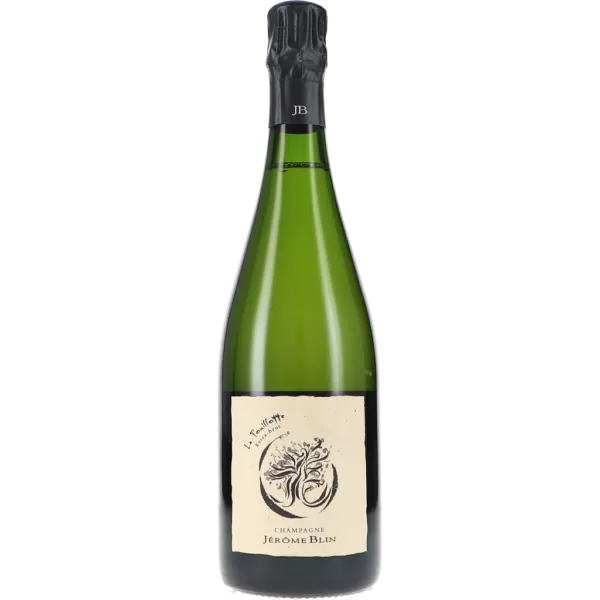
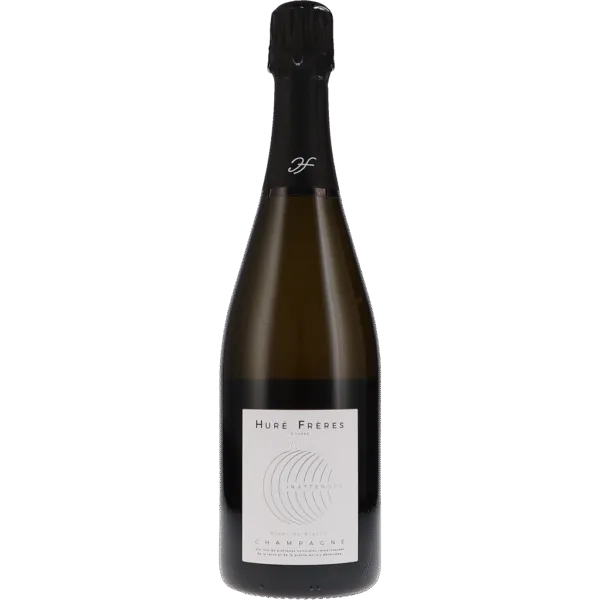
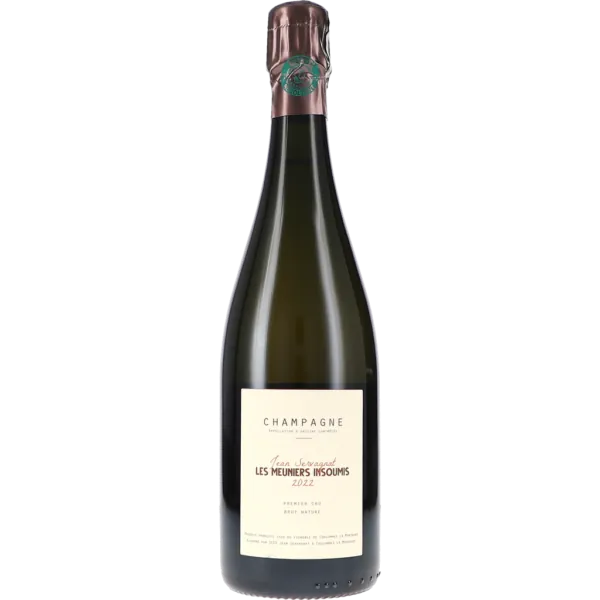
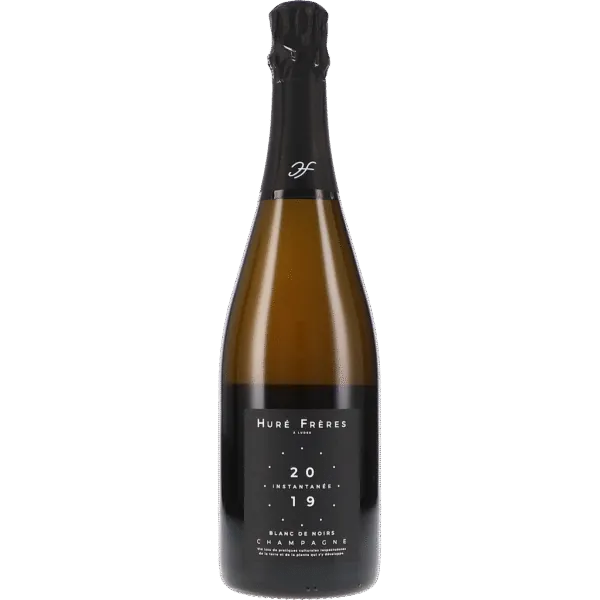
More about Champagne
Grower Champagne: straight from the winemaker
A small code on the label reveals where the wine comes from. RM stands for Récoltant-Manipulant, a grower who works only with their own grapes and sees the Champagne through to the finished second fermentation in bottle in their own cellar. The large houses, by contrast, buy in grapes from many villages and maintain a recognisable house style over decades. A grower Champagne usually speaks of a single village, sometimes of a single plot. In Champagne the vineyards are not rated individually: Grand Cru and Premier Cru are classifications of entire villages, such as Avize, Le Mesnil-sur-Oger or Verzy. Our selection from these top villages is gathered on the Champagne Grand Cru page.
Chalk, clay and Kimmeridgian marl
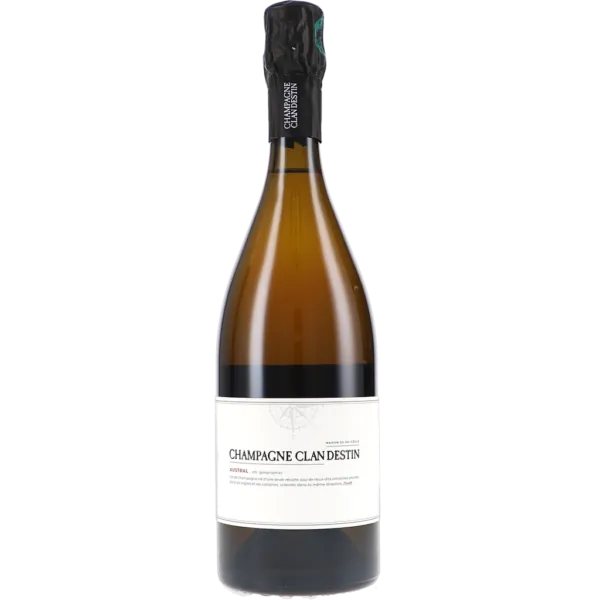
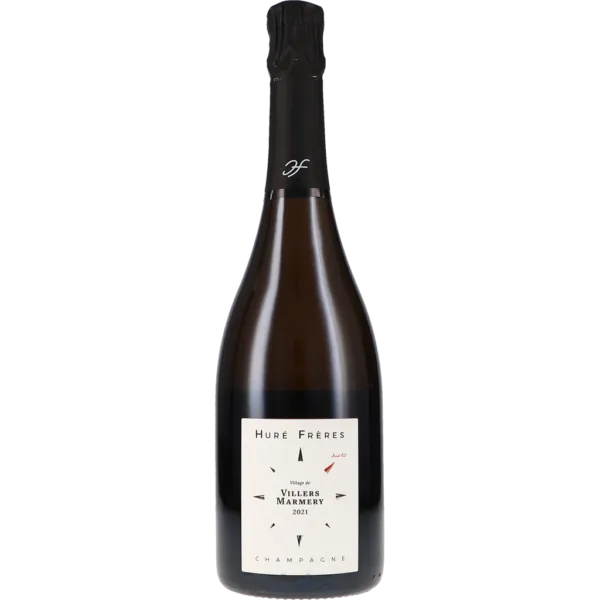
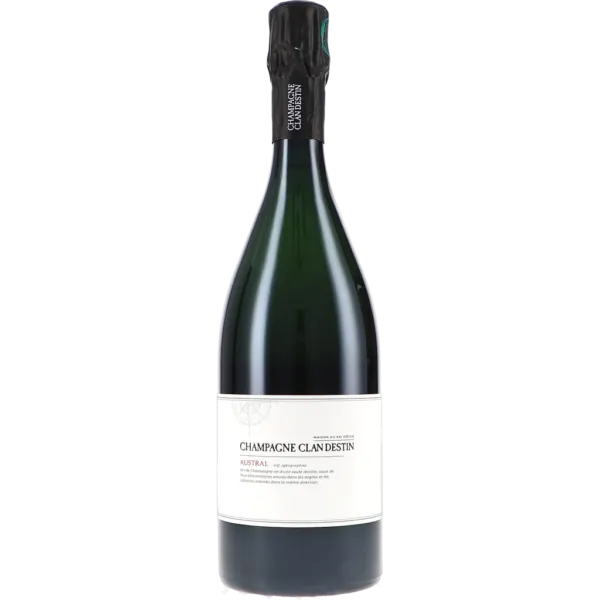
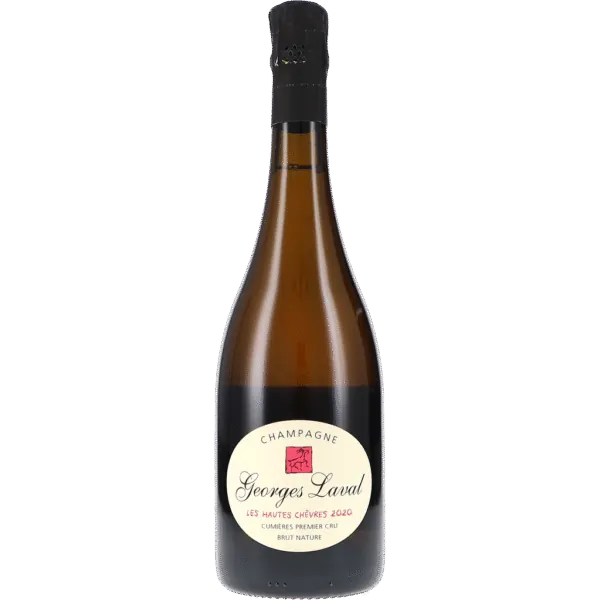
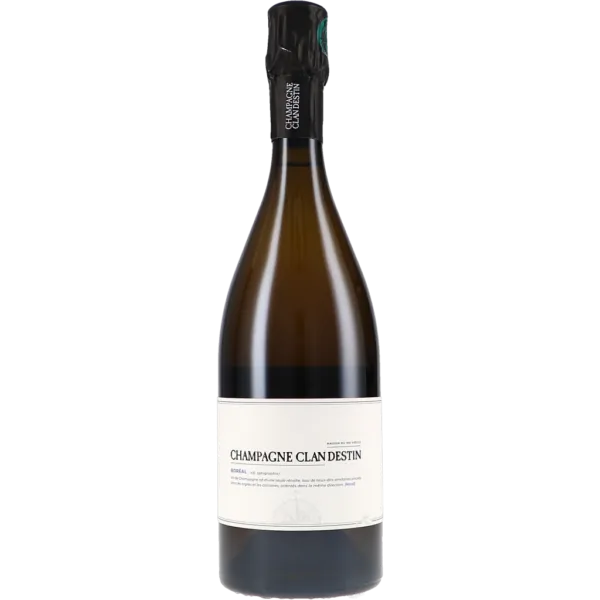
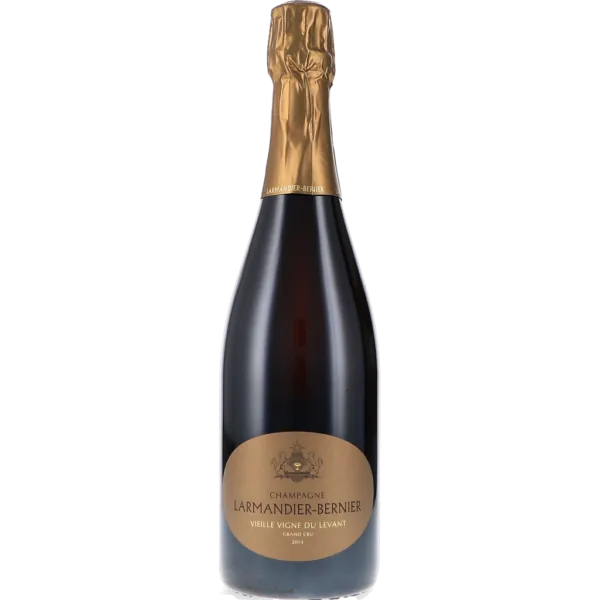
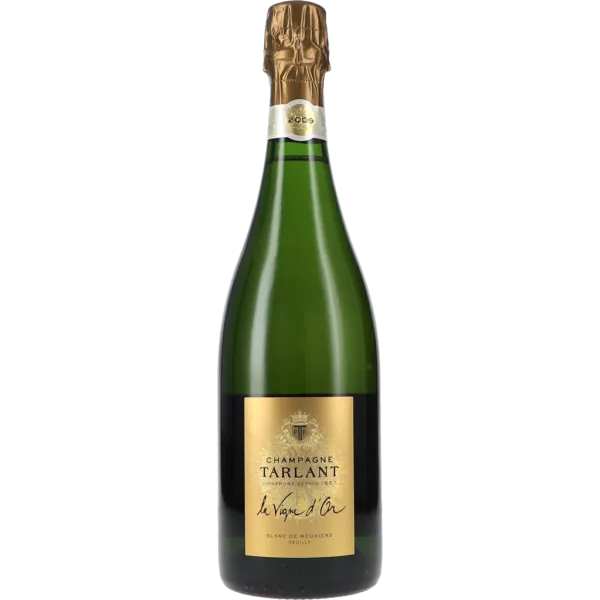
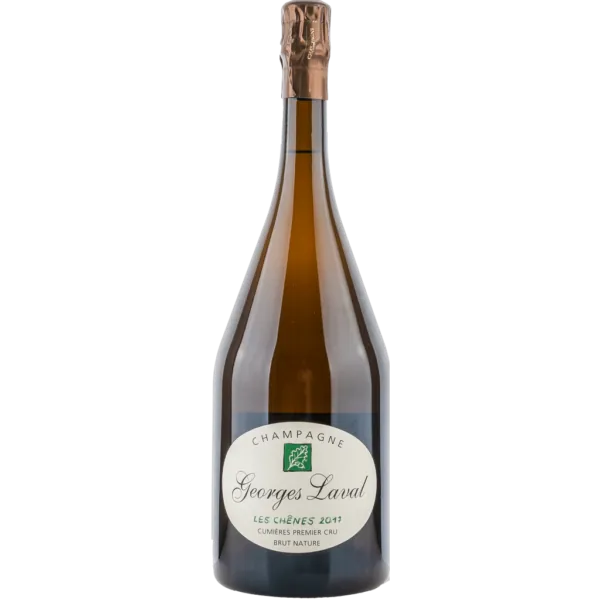
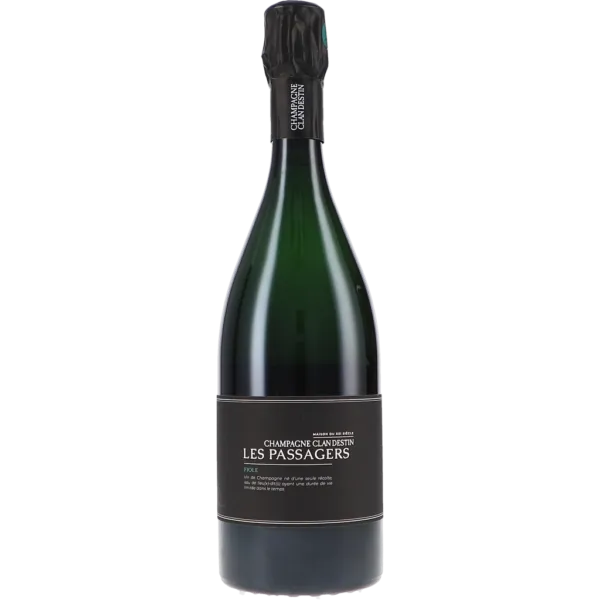
On the slopes of the Montagne de Reims, Pinot Noir shapes the wines, powerful and dark-fruited, as at Huré Frères in Ludes. Along the Marne the cellars lie in clay-rich, frost-prone valleys, home to the late-budding Meunier; Tarlant in Œuilly and Georges Laval in Cumières show how much depth it gains when it is taken seriously. The Côte des Blancs south of Épernay sits on pure belemnite chalk and belongs to Chardonnay: saline, lemony, with chalk dust on the finish, as in the wines of De Sousa from Avize and Larmandier-Bernier from Vertus. In the far south, in the Aube, the vines of the Côte des Bar grow on Kimmeridgian marl studded with fossil oyster shells. Here Olivier Horiot in Les Riceys, Clandestin and Vouette & Sorbée work with a Pinot Noir that turns out rounder and spicier than in the north.
Organic Champagne in the cool north
The climate of Champagne is cool, damp and Atlantic, and fungal diseases put pressure on the vines every year. Anyone who wants to manage here without herbicides and synthetic sprays needs a living soil, cover crops between the rows and a great deal of handwork. The biodynamic growers among our producers, including De Sousa, Larmandier-Bernier and Vouette & Sorbée, strengthen soil life with preparations and compost so that the roots reach deep into the chalk. Georges Laval has farmed his Premier Cru vineyards in Cumières organically since 1971. You can taste the result: wines with more drive, more salt and a ripeness that needs no sugar.
Brut Nature, oak casks and long lees ageing
After disgorgement, Champagne usually receives a dosage, a little sugar dissolved in wine. Our growers keep it small: Brut Nature stays below three grams of sugar per litre with no addition at all, while Extra Brut may contain up to six grams. Many base wines ferment spontaneously and mature in used casks, which gives them texture and a gentle oxidation. Then comes time on the lees, which turns fruit into brioche, hazelnut and fine creaminess; the Tarlant Cuvée Louis Brut Nature Millésime 1996 spent 26 years on its lees before it was disgorged.
Champagne for New Year's Eve and the holidays
As an aperitif, a Brut Nature carries the evening best: Bonnet-Ponson Cuvée perpétuelle RP22AB Non Dosé Premier Cru has no dosage, tastes bone-dry and saline with notes of pastry and ripe fruit, and goes with oysters. A rosé suits the meal, for instance De Sousa Rosé Brut with cranberry, redcurrant and chalk, which stands up to poultry and duck breast. For the main course a vintage Champagne deserves its place in the glass, such as Larmandier-Bernier Terre de Vertus Premier Cru Blanc de Blancs Brut Nature 2017, which shows wet chalk, seashell and quince; our vintage ratings have an article of their own in the wine knowledge section. In stock right now: 139 vintage Champagnes from 23 growers. Young Champagnes are served at 8 to 10 °C, vintage Champagnes and mature wines at 10 to 12 °C, chilled in an ice bucket with water and ice in about 20 minutes or over a few hours in the fridge.
Rosé Champagne
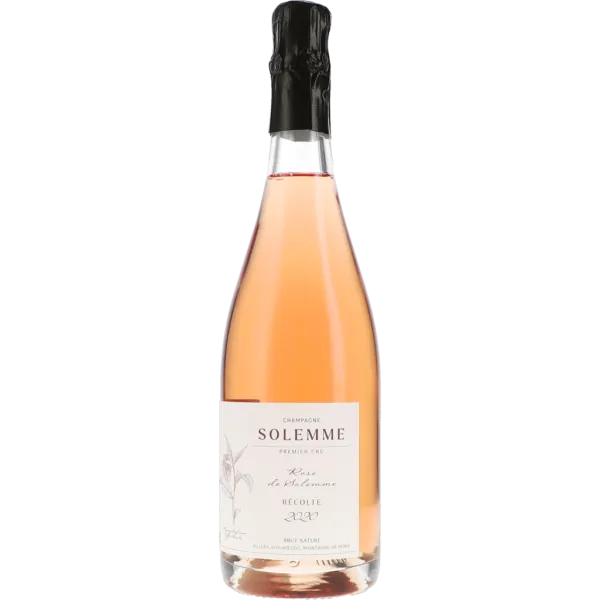
Two routes lead to rosé. For a rosé de saignée the red grapes stay briefly on their skins until juice and colour reach the desired depth; for a rosé d'assemblage white wine is blended with a share of still red wine from Champagne. The first style is represented by Larmandier-Bernier Rosé de Saignée Premier Cru Extra Brut, a pure Pinot Noir from Vertus with wild raspberry, cassis and rosehip on the nose, from Larmandier-Bernier, biodynamic since 1999, and by Tarlant Saignée des Tempêtées Rosé de Saignée Brut Nature 2018 from Tarlant, Pinot Noir from the single vineyard Tempêtée, 16 hours on the skins, without dosage. The blending method is shown by De Sousa Rosé Brut with eight per cent Pinot Noir from Aÿ, alongside Régis Poissinet Terre de Rosé Extra Brut, a cask-fermented wine from Meunier and Chardonnay with wild strawberry and a light tannic grip. The rosé selection comprises a good twenty Champagnes in stock.
Magnums and large formats
Champagne ages more slowly in a magnum, because twice the volume of wine shares the same neck, the same air bubble under the cork and the same cork: less oxygen reaches each litre of wine, and the larger mass keeps the temperature steadier. Our selection counts 40 magnums from 17 houses, from 90 euros, plus 8 double magnums of three litres and one methuselah of six litres. The entry point is Régis Poissinet L'émergente Extra Brut Magnum at 90 euros, made from Chardonnay and Meunier from 35 separately vinified plots and farmed biodynamically. De Sousa Réserve Extra Brut Blanc de Blancs Grand Cru Magnum brings Chardonnay from Grand Cru sites with at least 25 per cent reserve wines into the large format. Larmandier-Bernier Latitude Blanc de Blancs Extra Brut Magnum blends up to six vintages and is also available as a methuselah. All large formats are gathered in a separate view.