

In 2021 Tim Atkin crowned him "Winemaker of the Year", an accolade for the quiet oenologist from the Castilian highlands. Bodegas Félix Callejo in Sotillo de la Ribera is one of the trailblazers of an elegant, terroir-driven Ribera del Duero. Four siblings run the estate today: José Félix and Noelia in the cellar, Cristina and Beatriz in sales. Their 55 hectares of vineyards lie between 830 and 930 metres, where cold nights give the grapes the racy acidity that makes their wines so lively. The estate has farmed organically since 2000, with cover crops between the rows, spontaneous fermentation and early picking for more tension rather than more alcohol.
≈ Aroma: Cherry
In all wines: 2,847 Wines
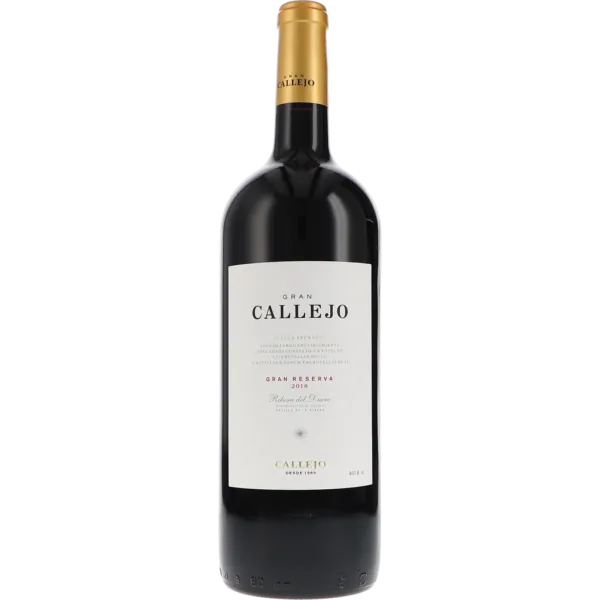
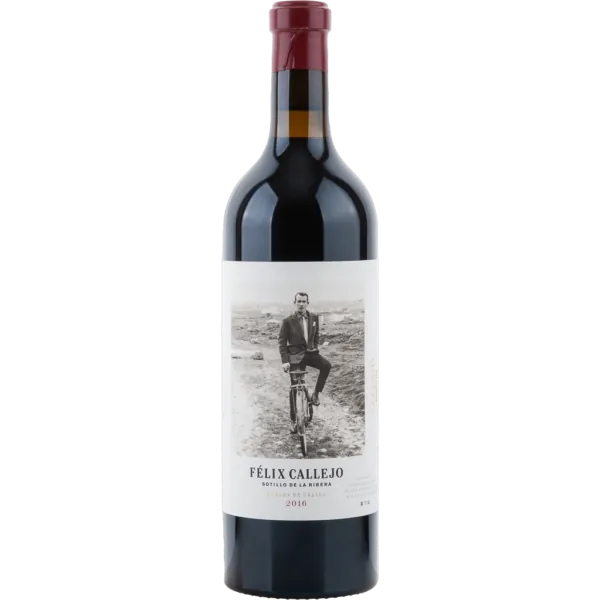
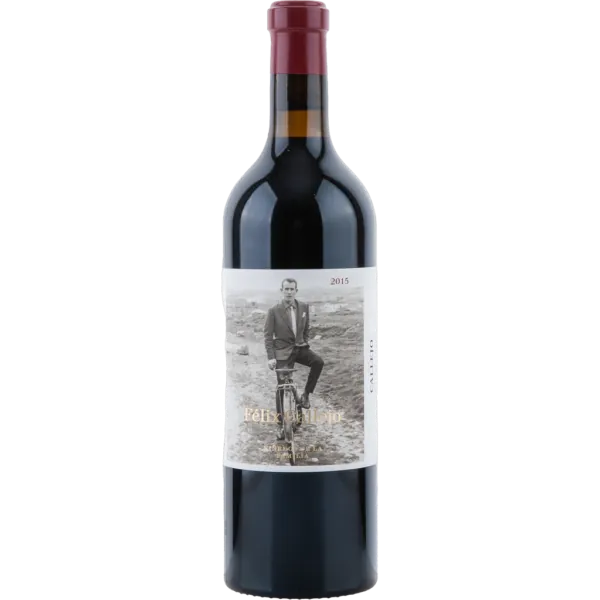
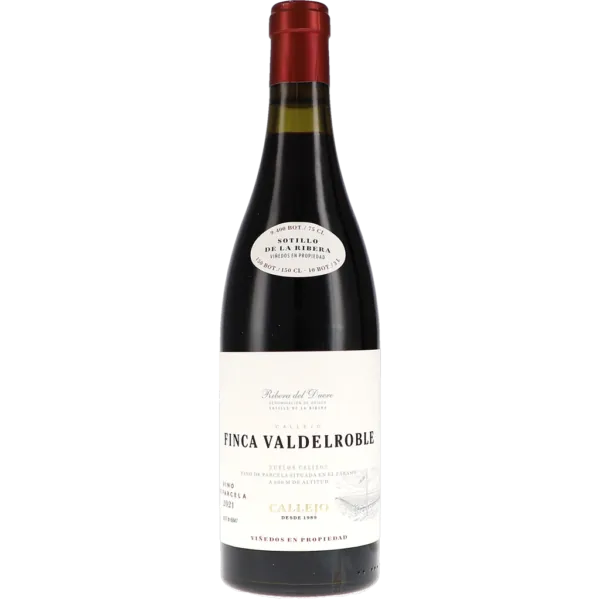
More about Felix Callejo
Pétrus, Mendoza, Napa, and back to Sotillo
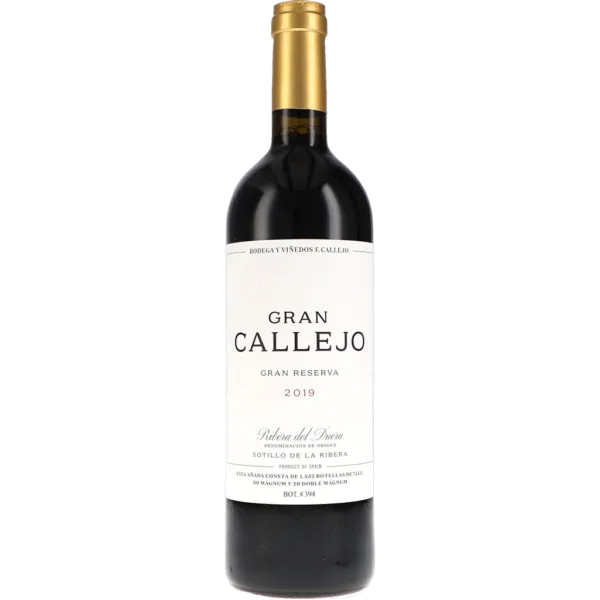
The story sounds like a winemaker's dream: in 1999 José Félix Callejo did an internship at Château Pétrus in Pomerol, the most legendary Merlot estate in the world. A year later he was among the Cabernet vines with Miguel Torres in Chile. His sister Noelia went to Argentina to work at Viña Cobos and twice to the Napa Valley at Araujo Estate. Both returned to Sotillo de la Ribera, the village of their childhood, where their father Félix had founded the estate with his wife Pilar in 1989. Back then the parents packed bottles into their suitcases and travelled tirelessly around Europe to make their wines known. Today Bodegas Félix Callejo is one of the most respected houses in the world of Tempranillo.

The páramo: where limestone touches the sky
The vineyards are spread over 27 parcels along the hills of Sotillo de la Ribera, on the northern edge of the Duero valley. On the páramos, the barren plateaus at 930 metres, bare limestone breaks through to the surface. The vines have no need to root deeply here; minerals are plentiful. Further down the valley, gravel soils of ancient riverbeds alternate with sandy zones near the pine forests and heavy clay. This diversity explains why every bottle from Sotillo has its own character. The extreme temperature differences between day and night, often more than 20 degrees, preserve the Tinto Fino's pronounced acidity, which gives the wines their lively backbone. Similarly influential high-altitude sites can be found at Valdemonjas in neighbouring Olivares de Duero.

Elegance over power: the new generation
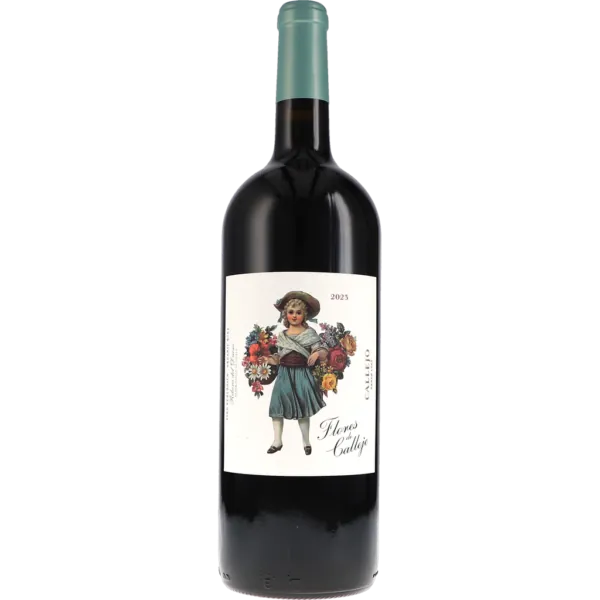
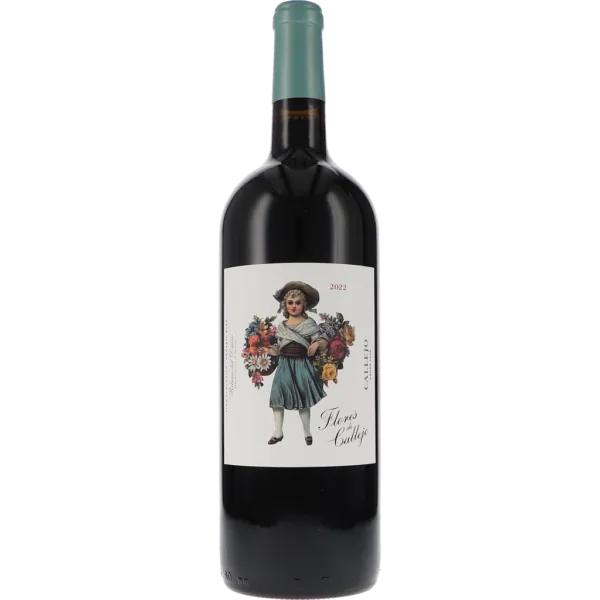
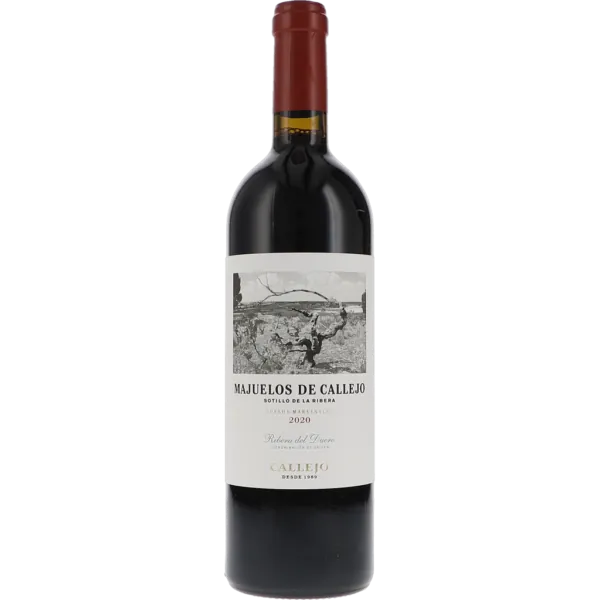
Noelia Callejo puts it plainly: terroir and precision instead of oak and the status quo. The Callejos have been certified organic since 2000. Spontaneous fermentation with the vineyard's own yeasts is standard, as is sowing cover crops between the rows, which naturally limits yields. Picking starts earlier than at many neighbours, not for the sake of an early harvest date but for crunchier fruit, tauter tension and more moderate alcohol. The result is wines that pulse with freshness even after years in the cellar. The Flores de Callejo shows this philosophy at entry level: juicy, clearly defined, with the typical spice of Tinto Fino. The Majuelos de Callejo comes from old vines in individual sites and offers dark fruit, delicate toasty notes and a silky texture.
Viña Pilar and the white Albillo Mayor
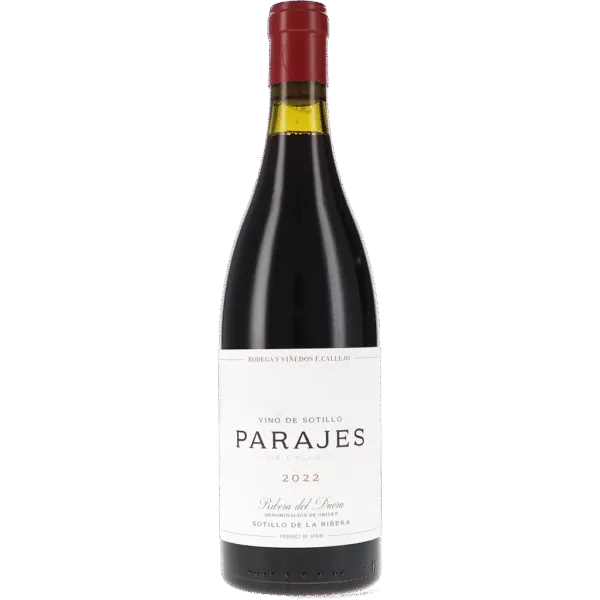
The family's skill is not limited to red wine. Albillo Mayor, an indigenous white grape of the region, appears both in the Parajes de Callejo, where it lends minerality and stability to the Tinto Fino, and as a single variety in El Lebrero. This skin-contact white combines chalky, stony aromas with a grippy texture that makes it an ideal partner for food. Viña Pilar Clarete, meanwhile, honours Pilar Callejo, who laid the foundations for everything together with her husband Félix. A clarete that is fresh and direct, like the Castilian highlands themselves.