
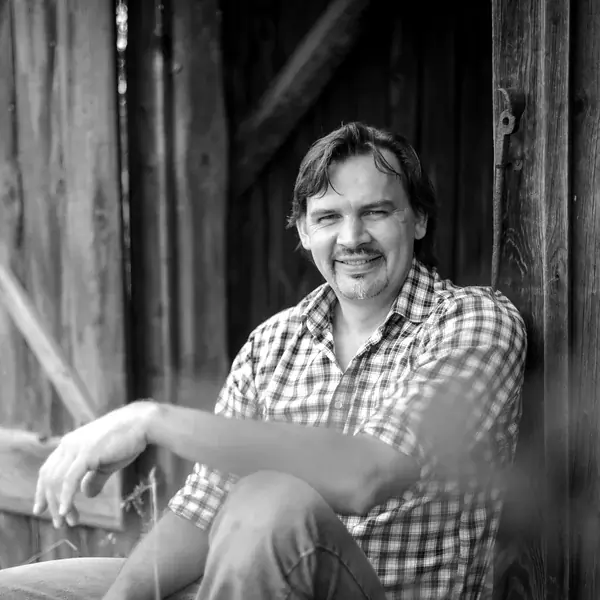
“I am simply not as good as nature.” This sentence sums up what drives Karl Fritsch. At Weinberghof Fritsch on the Wagram, 60 kilometres west of Vienna, it is not about control, but about accompaniment. Since 2006, he has farmed his 25 hectares biodynamically – as a founding member of respekt-BIODYN together with like-minded winemakers such as Gernot Heinrich.
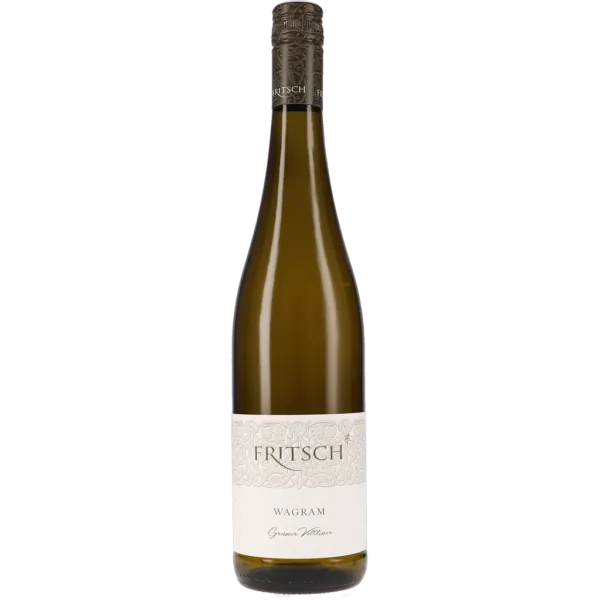
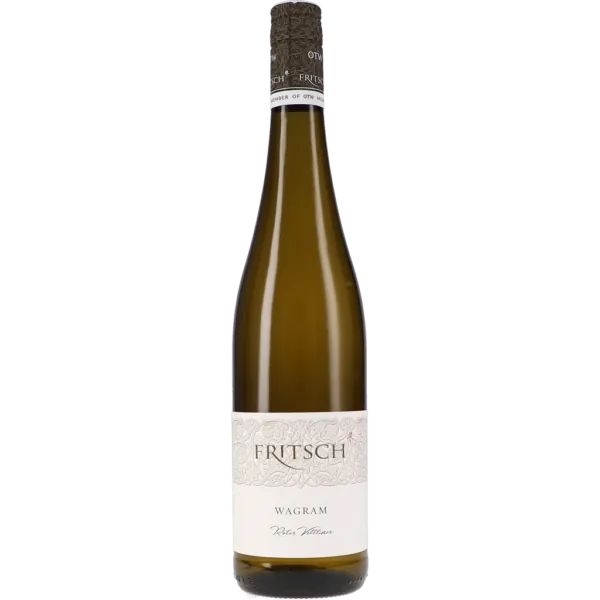
The south-facing loess terrace of the Wagram, with its lime-rich soils, provides ideal conditions for Grüner Veltliner and Roter Veltliner – the latter regularly achieves 94 Falstaff points at Fritsch. Added to this is his secret trump card: Pinot Noir.
More about Fritsch
From war child to wine pioneer
The story of the Weinberghof begins with a flight. Karl Fritsch senior, born in Vienna in 1940, was sent as a five-year-old to relatives in Oberstockstall during the bombing raids. What began as an emergency solution became a vocation: a captivating lecture by the viticultural pioneer Lenz Moser in Krems ignited his passion for the grape. In the mid-1960s, when most of his fellow Wagram growers were still selling their wine in bulk or bottling it in two-litre “Doppler” bottles, Fritsch senior already had five bottled wines on offer – and was one of the first to venture into red wine on the Wagram.
In 1989 he founded the winemakers’ association “Wagramer Selektion”, a group dedicated to the pursuit of quality, which he chaired for ten years. At the end of 2007, the estate was admitted to the circle of the Traditionsweingüter Österreich – an honour granted to only a few.

Loess, limestone and the coast of the Tethys Sea
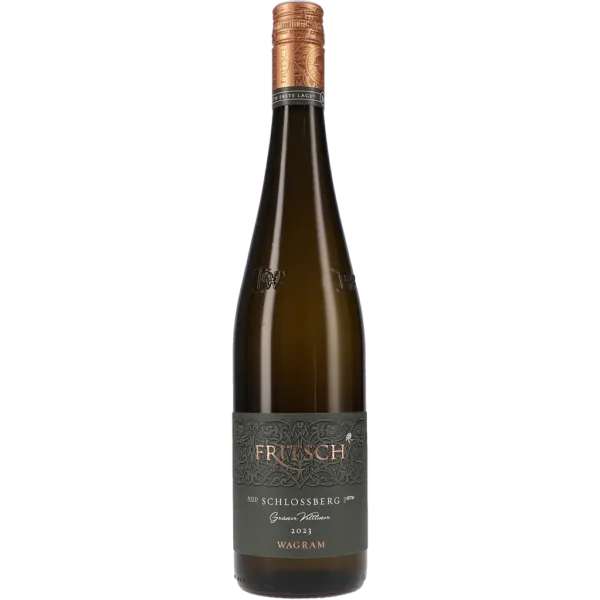
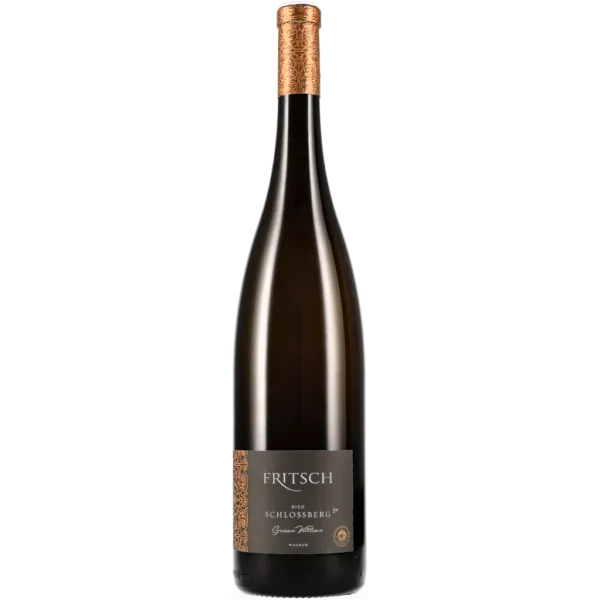
The Wagram owes its name to the striking terrace at the edge of the Danube valley – a fossilised coastline of the Tethys Sea from the Tertiary period. The thick loess deposits of the Ice Age, interspersed with calcium-rich marine sediment, store water and nutrients like a natural sponge. In the vineyard sites Steinberg, Schlossberg and Mordthal, vines grow on slate and granite, lending the Grüner Veltliner an unmistakable mineral tension.
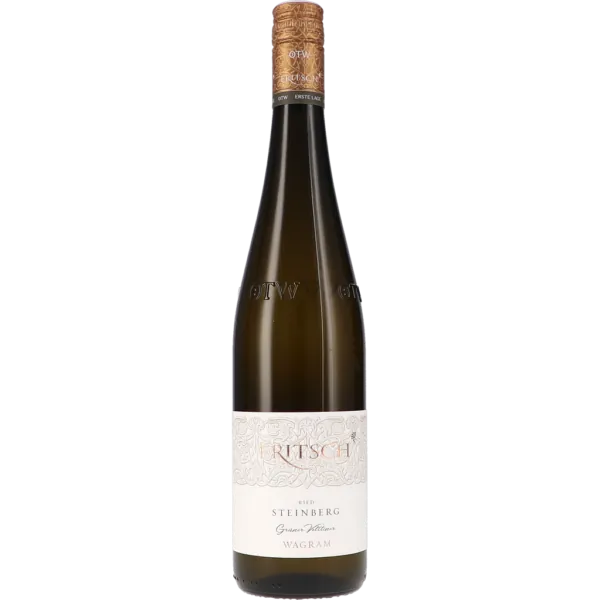
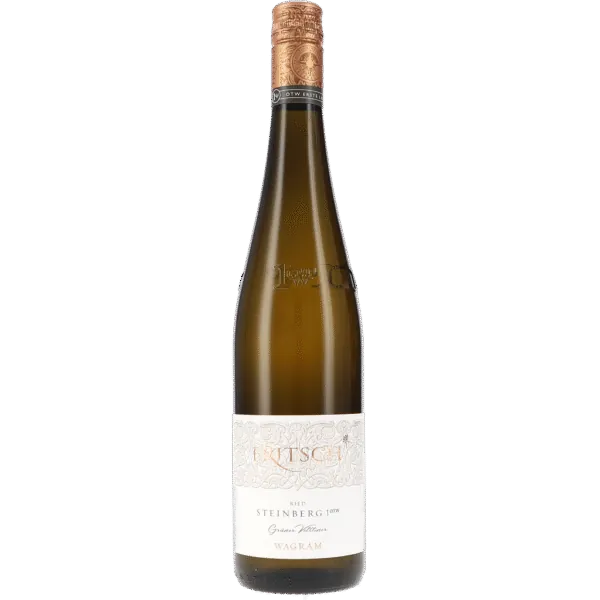
The Grüner Veltliner Ried Steinberg, from vines up to 63 years old at 240 metres above sea level, demonstrates the potential of these soils: no superficial fruit, but rather depth, structure and longevity. A wine that can mature for years in the cellar, becoming ever more complex in the process.
The philosophy of self-restraint
In 1999, Karl Fritsch junior took over the estate and in 2006 made the decisive step towards biodynamics – for him synonymous with “enthusiasm, life, confidence”. Membership of respekt-BIODYN enables an intensive exchange with winemakers such as Gernot Heinrich in Burgenland or Clemens Busch on the Mosel, who share the same conviction: that healthy soils and an intact ecosystem form the foundation for authentic wines.

Hand-drawn diagrams of lunar phases, cosmic rhythms and elemental forces hang in the cellar – not esotericism, but the basis of daily work. Nourishing the soil with their own compost and applying biodynamic preparations determine the rhythm of the year. A diversity of plants and animals thrives in the vineyards, acting as a natural buffer against pests.
The quiet rise of Roter Veltliner
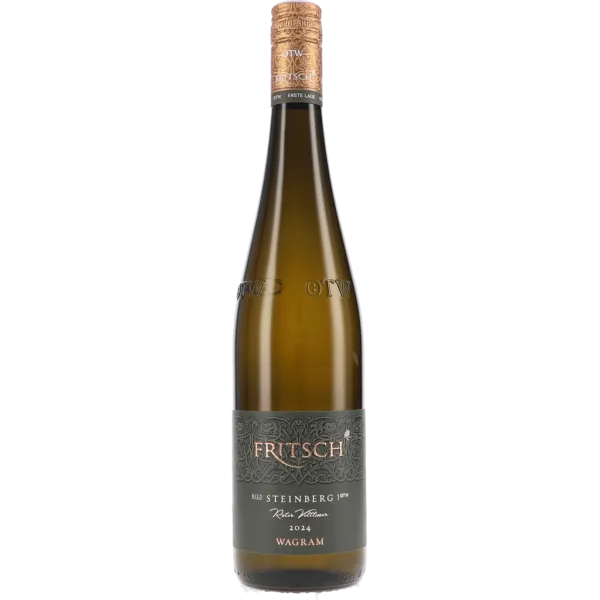
While Grüner Veltliner established the fame of the Wagram, Karl Fritsch has brought another grape to perfection: Roter Veltliner. The variety, whose name refers to the characteristic colouring of the berry skins, was long considered a marginal phenomenon. In the Ried Steinberg it regularly achieves 94 Falstaff points – scores that make Fritsch the quiet star of the Austrian white wine scene.
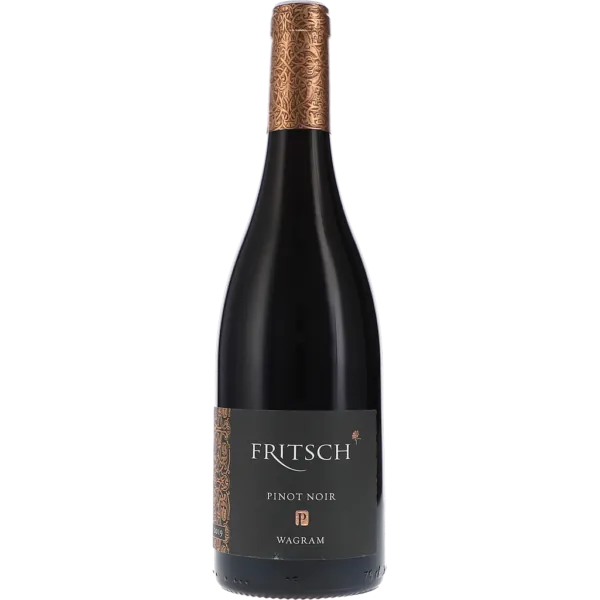
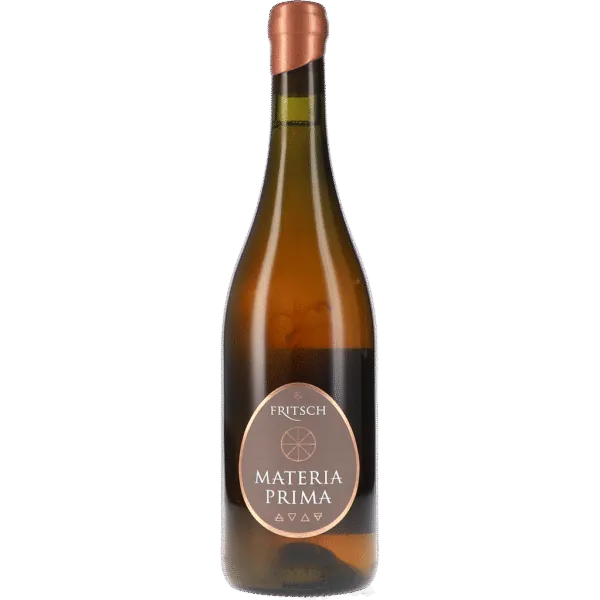
If you prefer something more experimental, reach for the Materia Prima: aged for ten months in a concrete egg, made from Traminer and Veltliner, full of tension and unexpected aromas – a natural wine that polarises and delights. And then there is the Pinot Noir Ruppertsthal 2022, spontaneously fermented in a used 500-litre cask, with sour cherry, raspberry, forest foliage and white pepper: Fritsch’s proof that red wine of international stature also flourishes on the calcium-rich loess terraces of the Wagram. Burgundian elegance meets Austrian freshness.