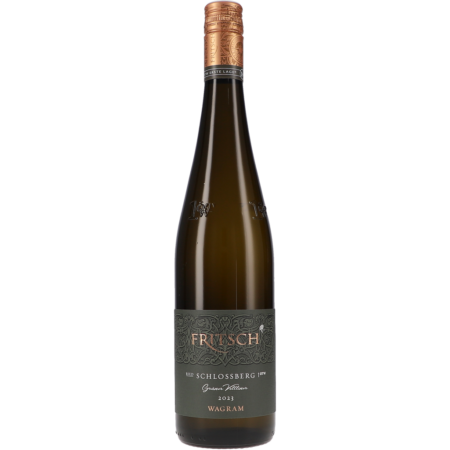
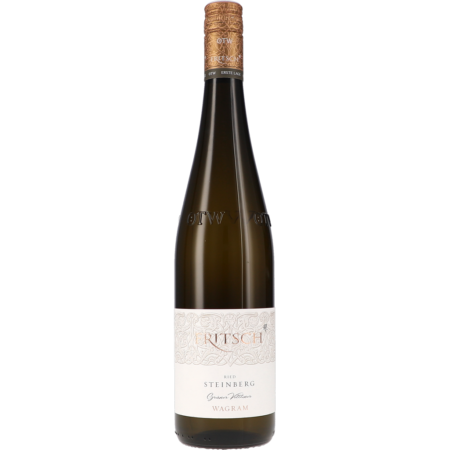
Bottler: Vineyard Fritsch, Oberstockstall 24, A-3470 Kirchberg am Wagram / Austria
In the glass
Colour
Light to medium ruby red with a clear, luminous rim.
Nose
Sour cherry and raspberry, accompanied by notes of forest foliage and a fine spiciness of white pepper.
Palate
Juicy red fruit, finely structured tannins and lively acidity; dry, slender and with a cool spiciness on the finish.
Character
An elegant, cool Pinot Noir with finesse rather than power – the quiet proof that red wine of international stature thrives on the loess terraces of the Wagram.
Pairing
Duck breast with cherry jus, mushroom dishes such as porcini risotto, baked goat’s cheese with herbs.
Notes
Fritsch’s “secret trump card” on the Wagram: Karl Fritsch has farmed his 25 hectares biodynamically since 2006 (respekt-BIODYN); the limestone-rich, tertiary loess soils – once the coastline of the Tethys Sea – lend the wine its cool tension and spice.
Tasting note
Character
A Pinot Noir of quiet conviction: Burgundian elegance meets Austrian freshness. Anyone who expected nothing but Grüner Veltliner from the Wagram will be pleasantly surprised – this Pinot Noir is Karl Fritsch’s secret weapon. Finely structured rather than heavy, coolly woven, with the kind of tension that distinguishes great red grapes grown on calcareous soils.
Terroir & Origin
The Wagram, around 60 kilometres west of Vienna, is an Ice Age loess terrace – in a sense the fossilised coastline of the ancient Tethys Sea. The deep, calcareous loess deposits store water and nutrients like a sponge, lending the wines structure and mineral bite. On these south-facing soils, the Weinberghof Fritsch in Oberstockstall has farmed its 25 hectaresbiodynamically since 2006 – Karl Fritsch is a founding member of respekt-BIODYN, and the estate has been one of the Traditionsweingüter Österreich since late 2007.
Grape Variety & Vinification
Pinot Noir, known as Spätburgunder in Austria, is among the most demanding grape varieties in the world – and one of the most rewarding when soil and handiwork are right. Fritsch already demonstrated the potential of this grape on the Wagram with the 2022 vintage, which was fermented spontaneously in used 500-litre casks and delighted with sour cherry, raspberry, forest foliage and white pepper. The ageing follows the estate’s philosophy: not control, but guidance – their own compost, biodynamic preparations and a living ecosystem in the vineyards form the foundation.
Food Pairings
A versatile companion at the table: classically with duck breast, saddle of venison with lingonberries or Viennese-style boiled Tafelspitz. Equally harmonious with mushroom dishes, porcini risotto, mild soft cheese or simply a platter of air-dried ham. Served slightly chilled at 14 to 16 degrees, it unfolds its full finesse.