
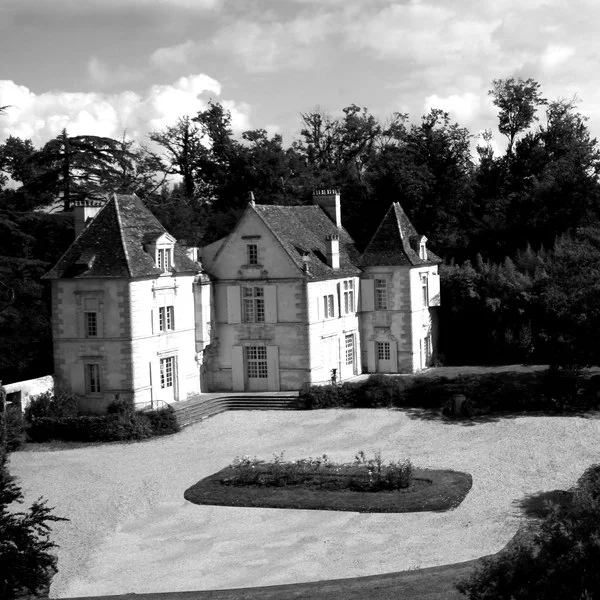
Château Falfas in the Côtes de Bourg appellation sits on one of the finest slopes of the right bank of the Gironde and has been known as the pride of the Bourgeais since the 14th century. The château was built in 1612, and the vines cover 20 hectares: Merlot, Cabernet Sauvignon, Cabernet Franc and Malbec. The estate has been farmed biodynamically since 1988, certified by Ecocert and Biodyvin, pioneering work in France at the time. The credo: the best wines are not made but grown.
„limestone“
In all wines: 1,637 Wines
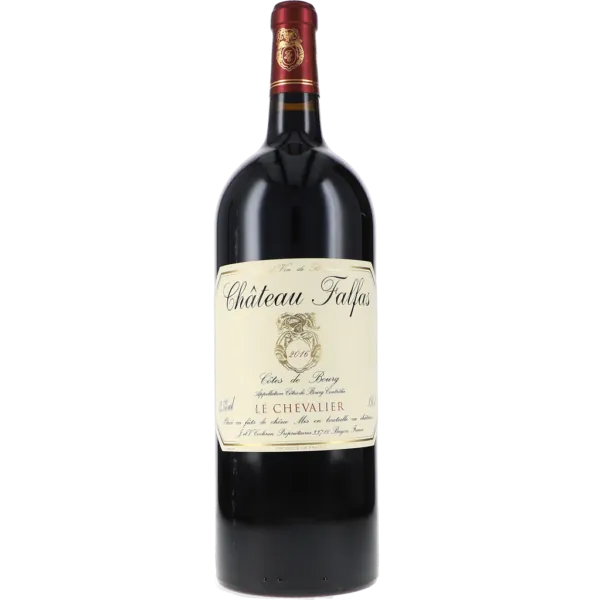
More about Château Falfas
History: the pride of the Bourgeais
Château Falfas lies on one of the finest slopes of the right bank of the Gironde, in the commune of Bayon-sur-Gironde. Since the 14th century the estate has been known as "la gloire du Bourgeais", the pride of the Bourgeais.
The château was built in 1612 in the Louis XIII style. At the end of the 17th century it passed to the Gaillard de Falfas family, who restored it and gave it their name. A historical guide of 1827 counts Falfas among the best crus of the region.
The decisive turn came in 1988: the estate converted entirely to organic and biodynamic farming, genuine pioneering work at the time. Today Falfas is certified organic (Ecocert) and biodynamic (Biodyvin) and ranks among the forerunners of this approach in France.
[caption id="attachment_208684" align="alignnone" width="1400"] Historical illustration of Château Falfas[/caption]
Vineyard and biodynamics
Twenty hectares of vines are embedded in an intact ecosystem of four hectares of the estate's own woodland and almost twenty hectares of neighbouring woods. This favours biodiversity, regulates the microclimate and gives beneficial species a habitat.
The vines are rooted on a south-facing slope in clay-limestone soils above the Gironde estuary, on starfish limestone, the "calcaire à astéries". The plantings are 55 percent Merlot, 30 percent Cabernet Sauvignon, 10 percent Cabernet Franc and 5 percent Malbec, with vines 35 years old on average.
Work follows the lunar calendar, with the preparations 500 and 501, compost preparations and plant teas and extracts, the estate's "Pharmacopée Naturelle". The credo behind it: great wines are born first in the vineyard.
[caption id="attachment_237378" align="alignnone" width="1400"]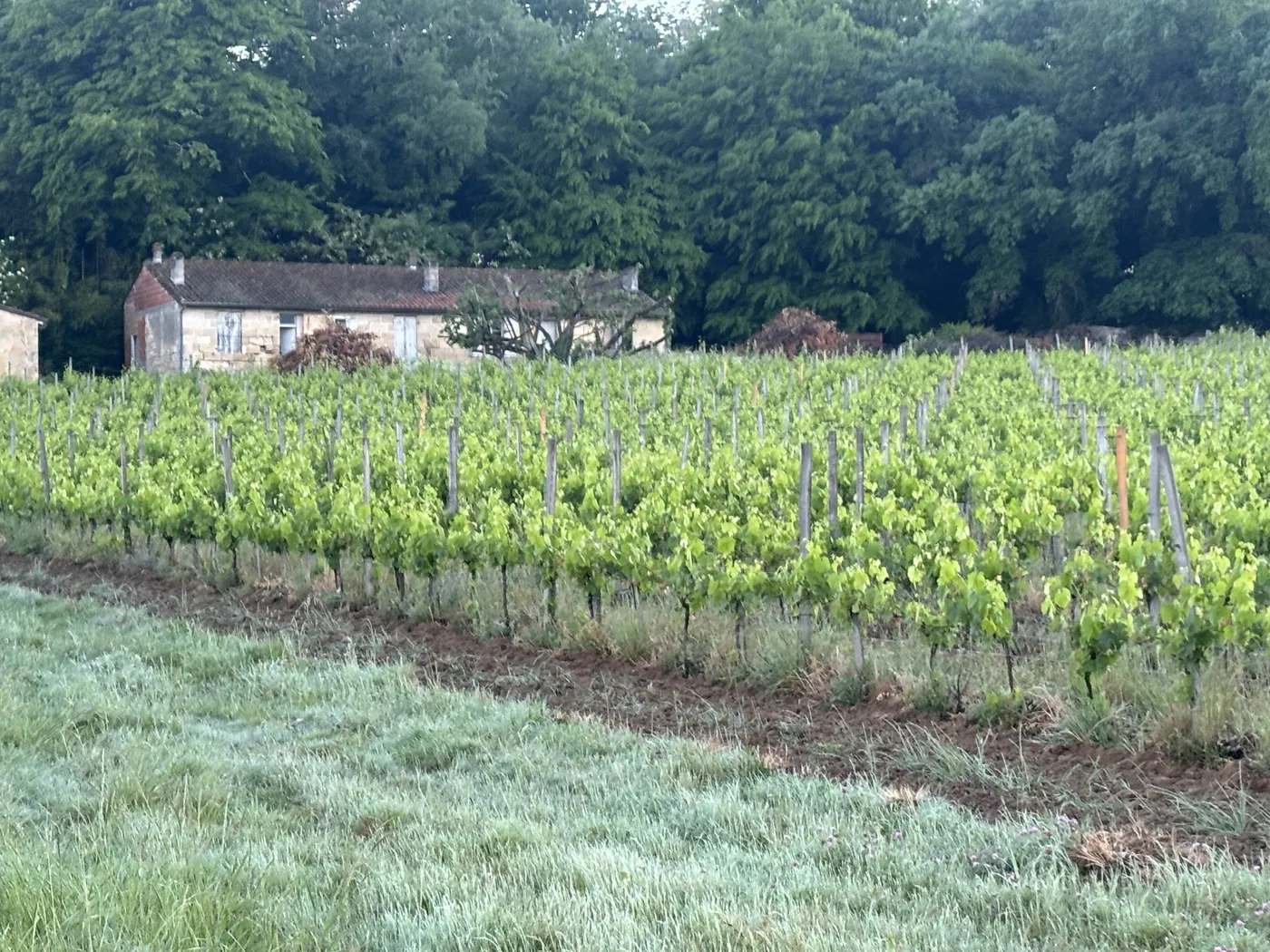 The vines of Château Falfas in front of the old stone house[/caption]
In the cellar: restraint as a principle
Harvesting is by hand, at full ripeness and with careful sorting. Fermentation relies exclusively on native yeasts in traditional concrete vats, and maceration stays gentle: under twenty days at 22 to 23 °C. Intervention remains minimal.
Ageing follows its own rhythm for each cuvée. Les Demoiselles de Falfas spends six to eight months in concrete, fresh and approachable. The main cuvée Château Falfas spends twelve to eighteen months in French oak barriques. Le Chevalier, from vines over 75 years old yielding just 18 hectolitres per hectare, matures for twenty to twenty-four months in new barriques.
[caption id="attachment_237379" align="alignnone" width="750"]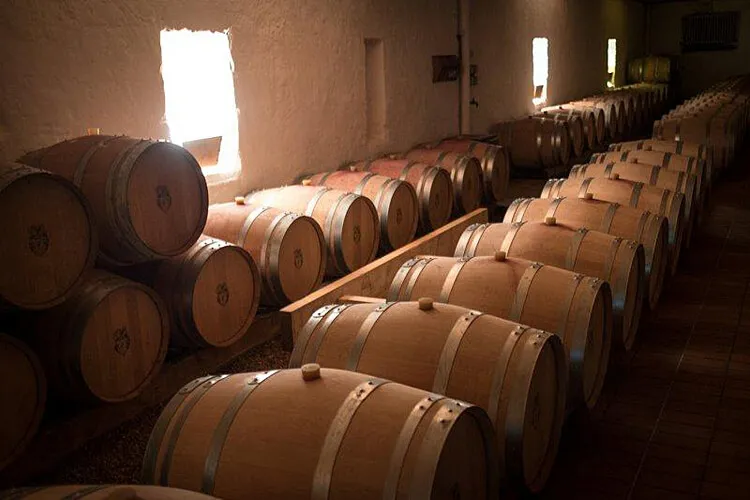 The barrel cellar of Château Falfas[/caption]
The three cuvées
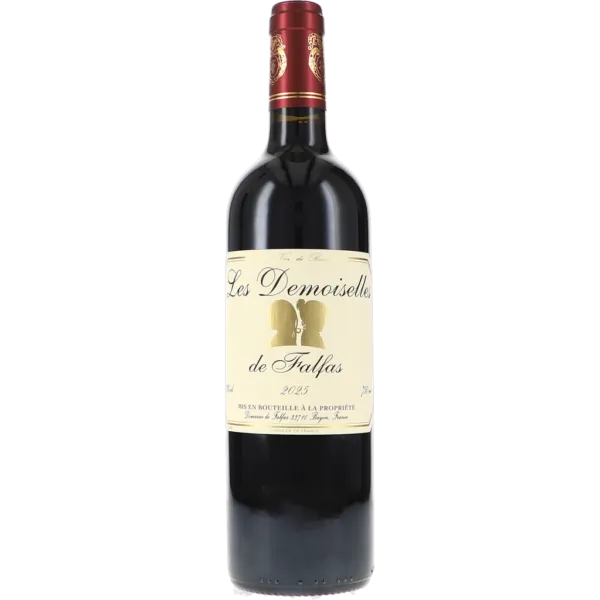
Les Demoiselles de Falfas 2025: 75 percent Merlot, 25 percent Cabernet Sauvignon from vines over fifteen years old. Fully destemmed, lightly crushed, 48 hours of cold maceration, fermentation with native yeasts and very little extraction, malolactic fermentation in tank, bottling in the spring after the harvest. A wine for early drinking, at its best up to six years after the vintage.
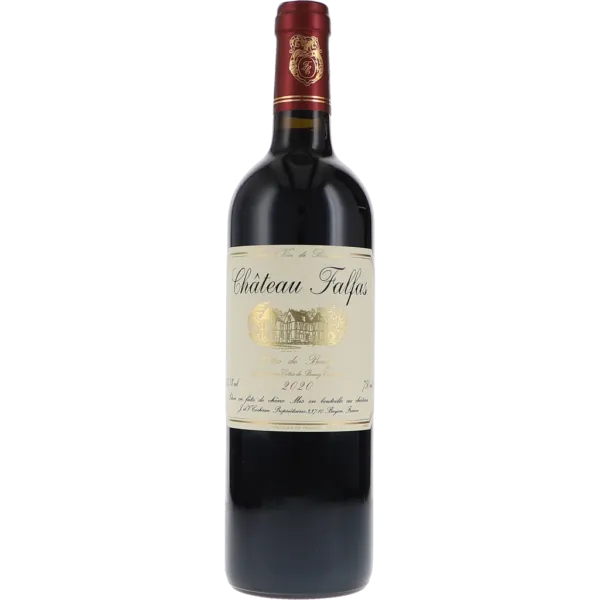
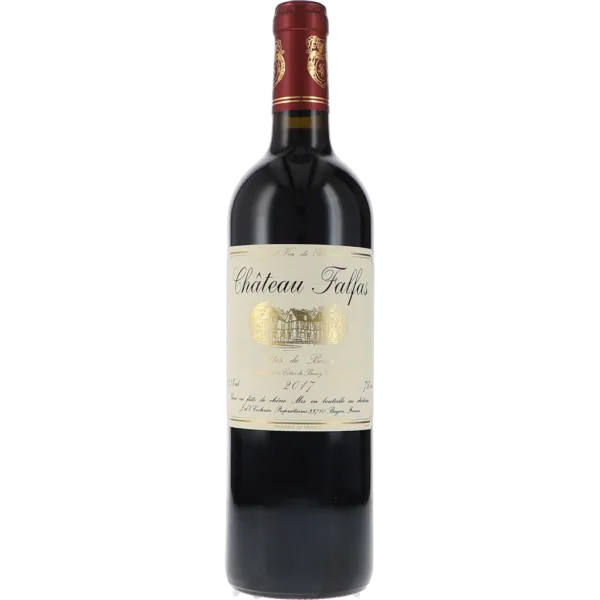
Château Falfas 2020, the estate's main cuvée: 55 percent Merlot, 30 percent Cabernet Sauvignon, 10 percent Cabernet Franc, 5 percent Malbec. After three weeks of maceration and malolactic fermentation in concrete come a first blending, twelve to eighteen months in barrique, the final blending and bottling. Ready to drink after three to ten years, longer depending on the vintage.
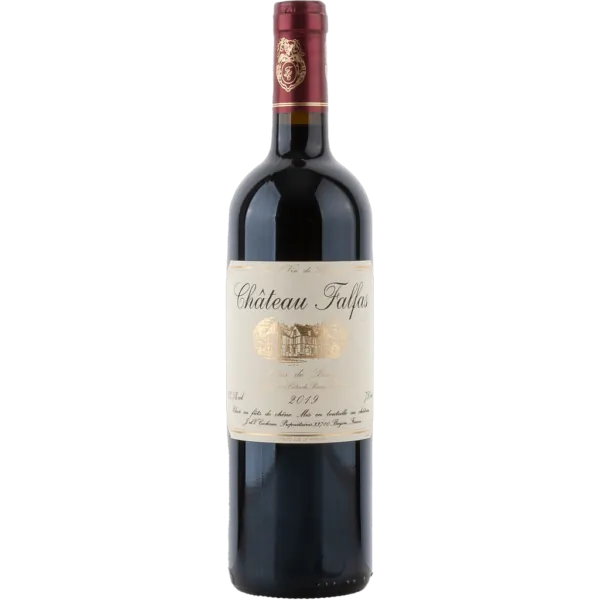
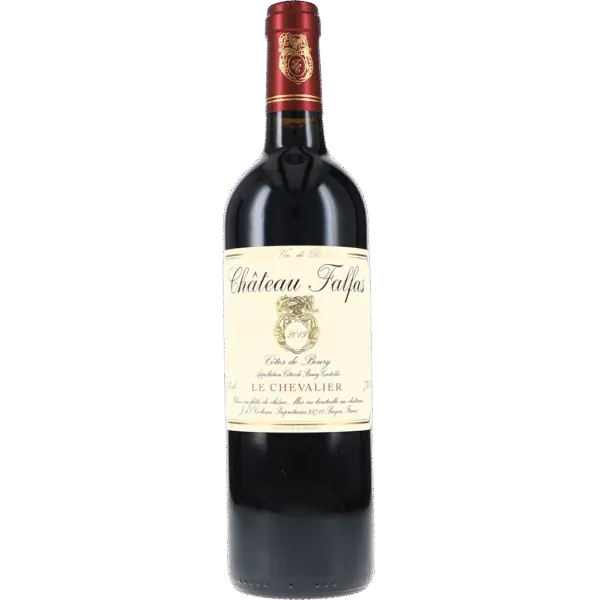
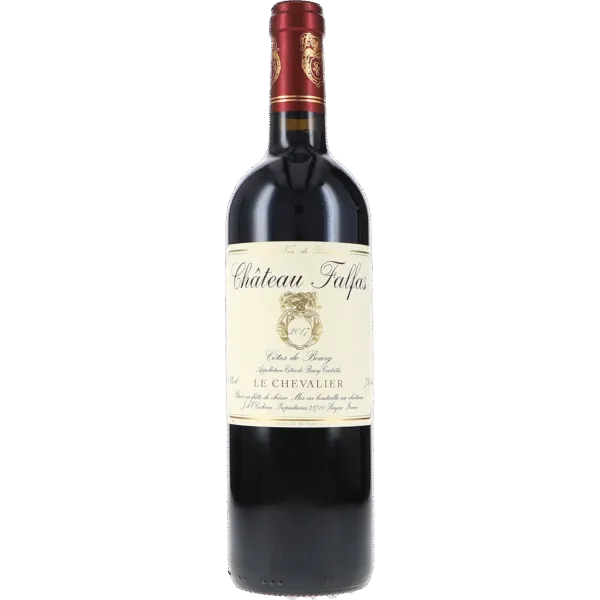
Le Chevalier 2019: 65 percent Cabernet Sauvignon, 30 percent Merlot, 5 percent Cabernet Franc from vines over 75 years old. Likewise three weeks of maceration, then twenty to twenty-four months in new French oak barriques. Approachable from the fourth year after the harvest, it matures for fifteen years and more.