
 EN
EN  DE
DE  FR
FR  IT
IT 
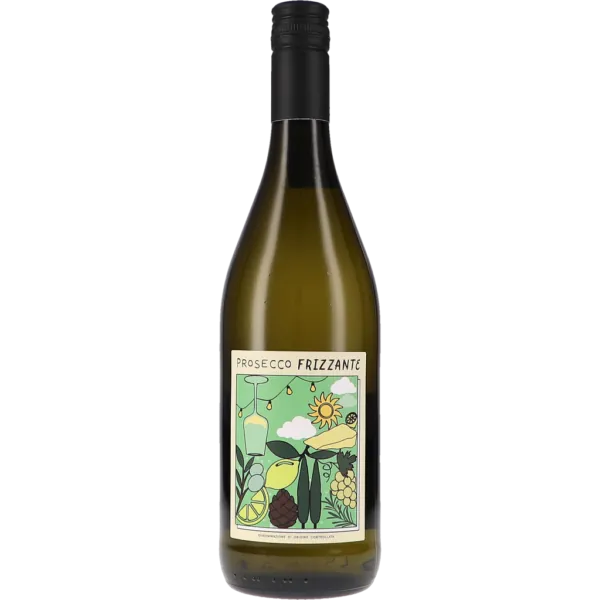
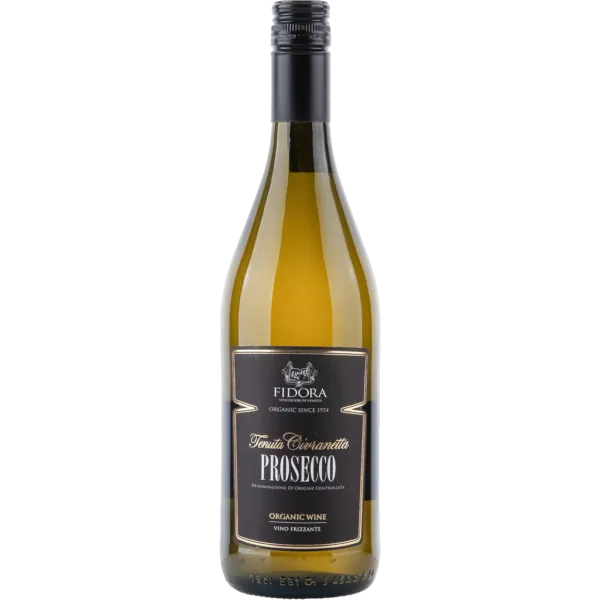
A CrossFit athlete who fills cow horns with silica and buries them in the vineyard at full moon? The Fidora estate is full of contradictions that make sense. When Guido Fidora decided in 1974 to stop spraying pesticides, many thought he was mad. Today, fifty years later, Civranetta is the oldest organic estate in the Veneto. His grandson Emilio prepares every biodynamic preparation himself: chamomile, yarrow, nettle. A third of the 160 hectares is left wild, with woods, ponds and pastures for cattle and horses. The wines taste of this freedom: the Prosecco clear and mineral rather than sweetish and banal, the Amarone concentrated and alive. Four estates stretch from the hinterland of Venice to the steep hills of Valdobbiadene and Valpolicella.
More about Fidora
Four generations, one principle
In 1927 Ferruccio Fidora bought the Civranetta estate, Benedictine alluvial land in the hinterland of the Venetian lagoon whose history goes back to the 16th century. The noble Civran family had once taken over the land from the monks and given it their name. Ferruccio's son Guido, actually a trained psychologist, took over the farm and made a radical decision in 1974: no more insecticides, herbicides or synthetic fertilisers. At a time when Italian agriculture was focused on maximising yields, he kept crop rotation, livestock and hedgerows between the fields. When the EU first drew up organic regulations in 1991, Guido Fidora had a seat at the table and helped write the first drafts. Today the fourth generation carries on the work: Emilio Fidora returned to the farm after a corporate career in Italy and abroad and is driving forward its biodynamic cultivation. In 2020 the estate received Demeter certification, a rare distinction granted only to farms that have already been working to these principles for years. Some wines from the 2019 vintage were even certified retroactively.

Four tenute, a mosaic of terroirs
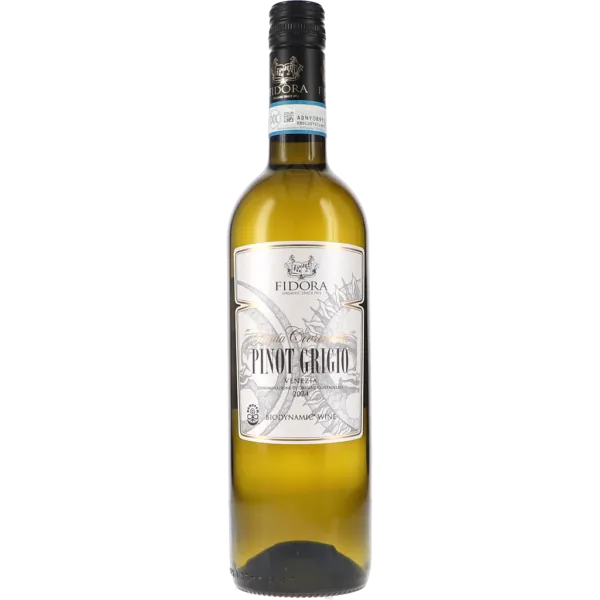
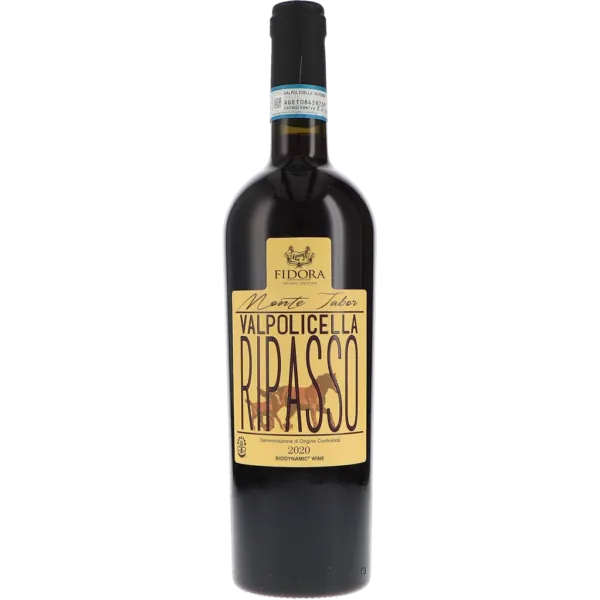
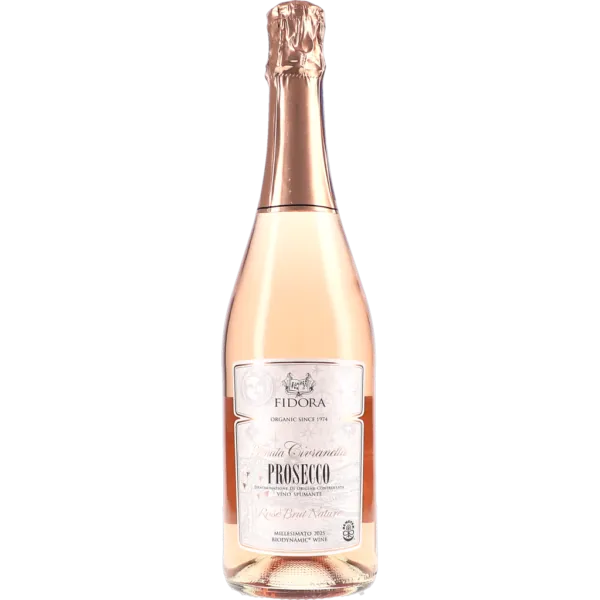
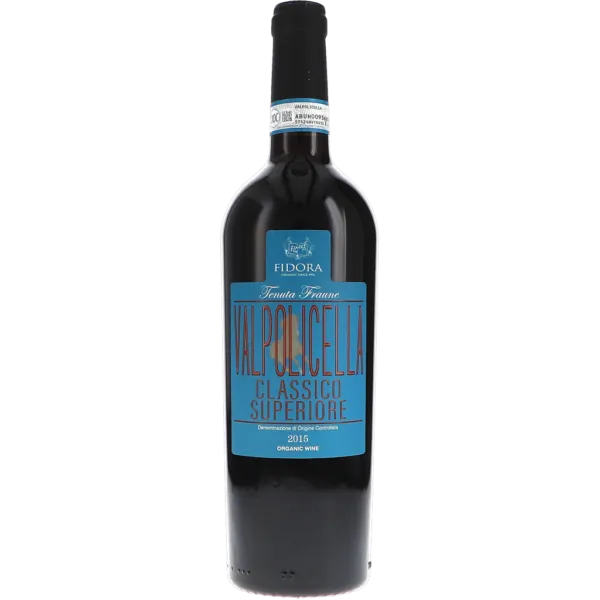
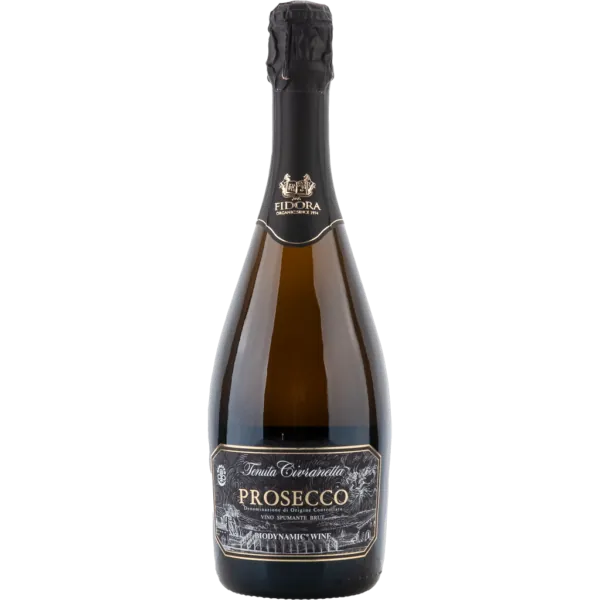
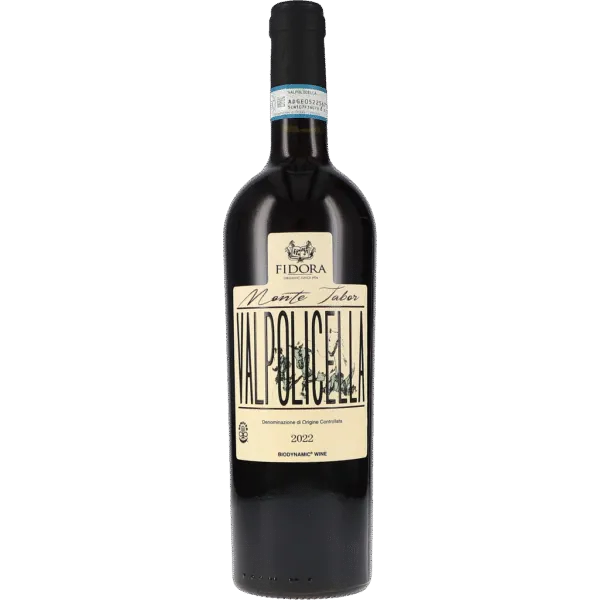
Today the family owns 400 hectares in four different locations, around 80 hectares of them under vine. The home estate of Civranetta near Venice supplies Glera for the Prosecco Spumante Brut as well as Pinot Grigio for still and amphora wines. At Collagù, on the steep UNESCO World Heritage hills of Valdobbiadene, grows the fine, elegant Prosecco Superiore. For the reds the journey heads west into Valpolicella: in Montorio in the eastern part, and on the Fraune estate in the classic Fumane valley, Corvina, Corvinone and Rondinella ripen for Valpolicella, Ripasso and the mighty Amarone Monte Tabor. The limestone slopes of the Marano valley, where the Castellani brothers of Cà la Bionda also farm their Corvina organically, are only a few kilometres away: two pioneers of organic Amarone as close neighbours.
A farm like an organism
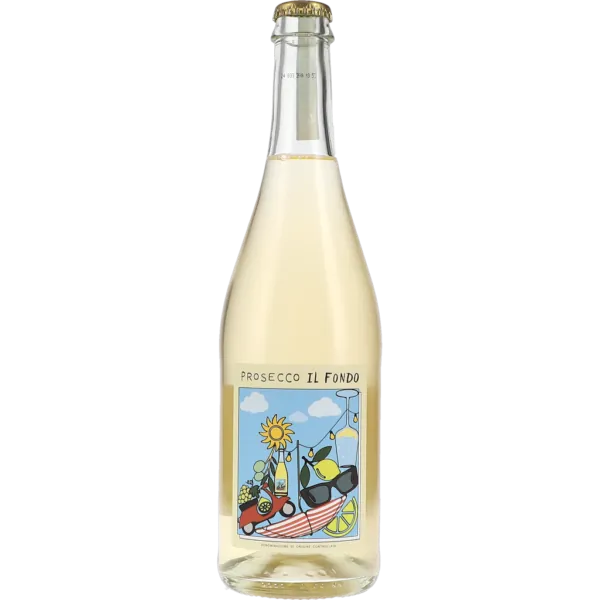
Here biodynamics means more than a seal on the bottle. Emilio attended the Rudolf Steiner school in Switzerland and has made every preparation himself ever since. He fills the horns of cows that have calved (according to Steiner, only their horns store the necessary cosmic energy) with silica and buries them in sunny spots in spring. In autumn, horns filled with manure go into the coldest corners of the vineyards to concentrate the forces of the earth. Chamomile, yarrow, nettle and dandelion grow between the rows and provide the basis for the compost preparations. Cattle, horses, poultry and pigs graze the pastures and close the cycle with their manure. At least a third of the land is deliberately left unproductive: woods, hedges and ponds as refuges for insects, birds and wildlife. The result is wines of unusual clarity. The Prosecco Col Fondo ferments on its lees in the bottle, cloudy and lively like a cider: the opposite of crystal-clear industrial Prosecco.

2024: a new winery
After three years of construction, Fidora opened a new gravity-flow winery in San Pietro in Cariano near Verona in 2024. The four-storey building covers 4,000 square metres and runs entirely on solar power. The grapes are not pumped but descend by gravity from floor to floor; it could hardly be gentler. Part of the 2023 vintage was already made here, and from 2024 all red wine production runs through the new facility. Fifty years after Guido first renounced chemicals, the circle is closed: an estate that lives from the sun, in the vineyard as in the cellar. The Moscato sparkling wines, dry as Brut Nature or slightly off-dry as Demi-Sec, show the aromatic side of the house. Anyone tired of mainstream Prosecco will find the alternative at Fidora.