

On the slopes of Elvillar, the Maisulan estate has been organically cultivating old bush vines amongst centuries-old olive trees since 2001, certified organic since 2015 and working with biodynamic methods. Under the guidance of Eva Fernández and Luis Ruiz de Viñaspre, the Maisulan estate follows Masanobu Fukuoka’s Japanese philosophy of “doing nothing”. Across 15 hectares, vines that are around 50 years old yield wines of great finesse, precisely reflecting the clayey-silty loam soils of the Sierra Cantabria. Tim Atkin describes the pair as “thrilling producers in Rioja” – their interpretations of Graciano and Tempranillo demonstrate just how vibrant Rioja Alavesa can taste.
„limestone“
In all wines: 1,633 Wines
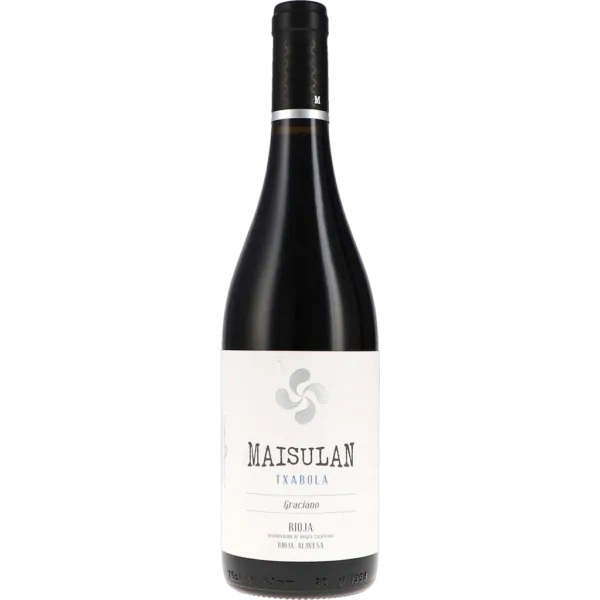
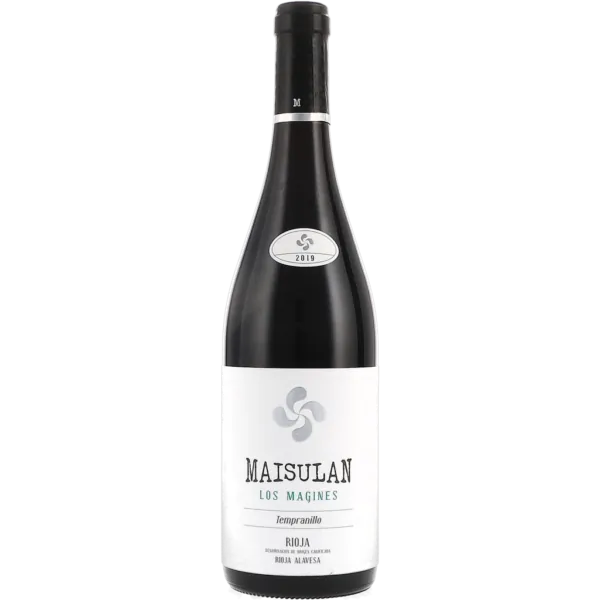
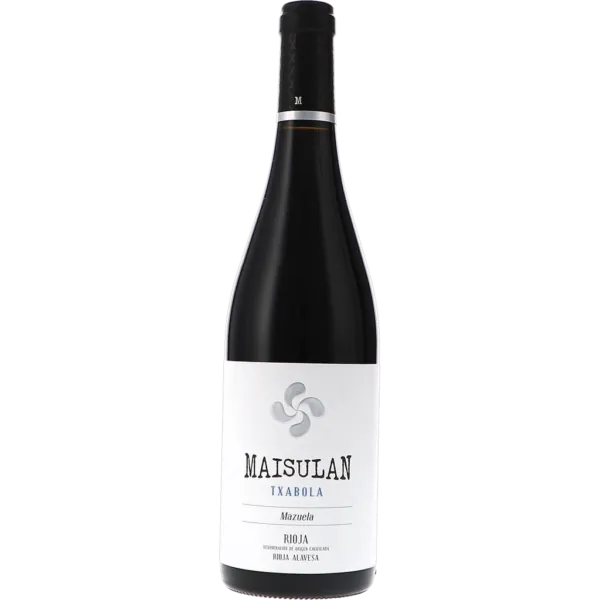
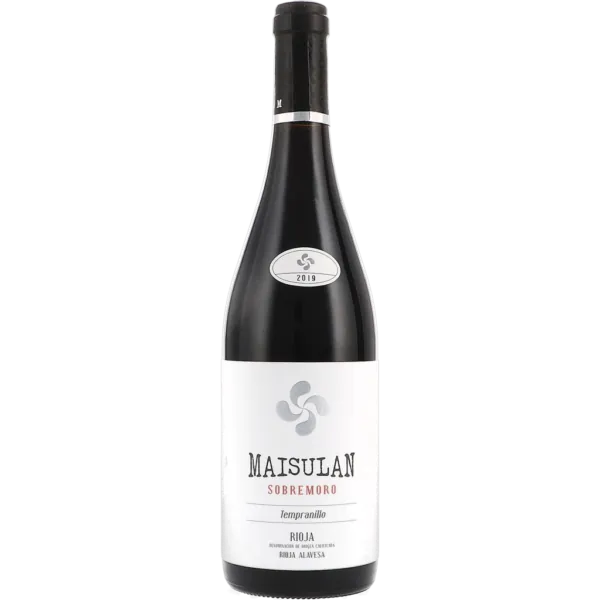
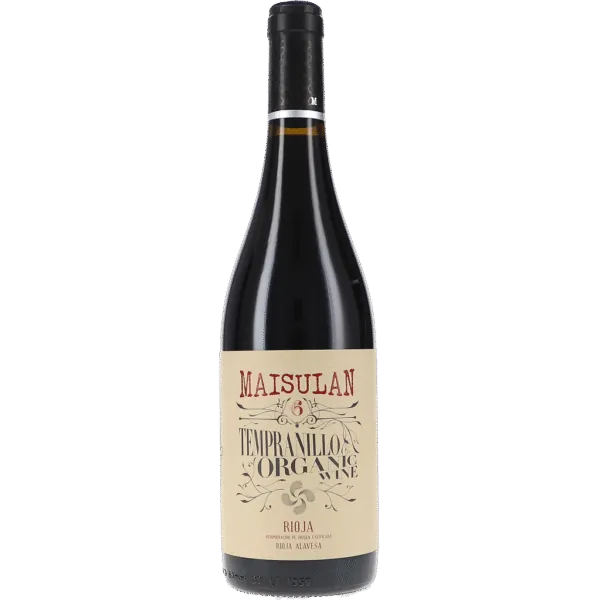
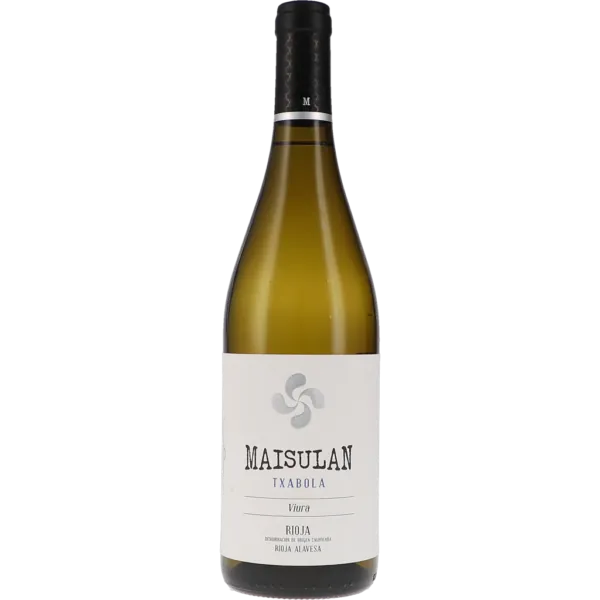
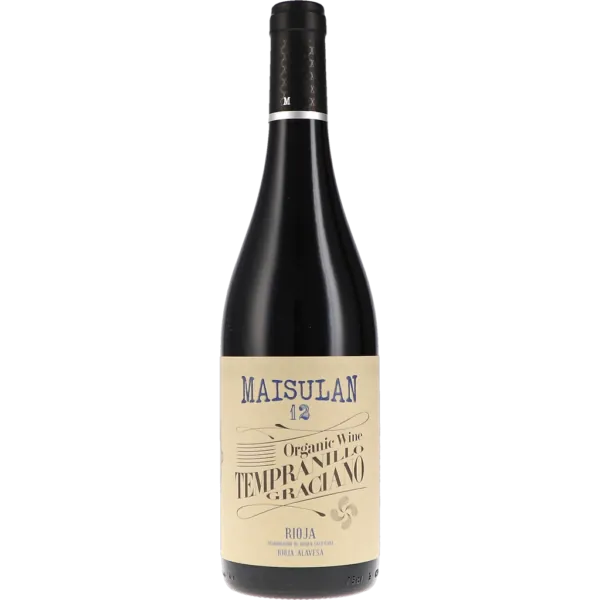
More about Maisulan
Two madmen in love with their land
This is how Eva Fernández and Luis Ruiz de Viñaspre describe themselves – and you can taste this passion in every sip of their wines. When Luis and Eva left the family bodega in 2001 to forge their own path, a revolutionary journey began in Rioja Alavesa. Inspired by Masanobu Fukuoka, the Japanese pioneer of “do-nothing farming”, they developed a philosophy of minimal intervention. Their Maisulan 12 embodies this approach: charming, fruity, with vibrant acidity rather than heavy extraction.
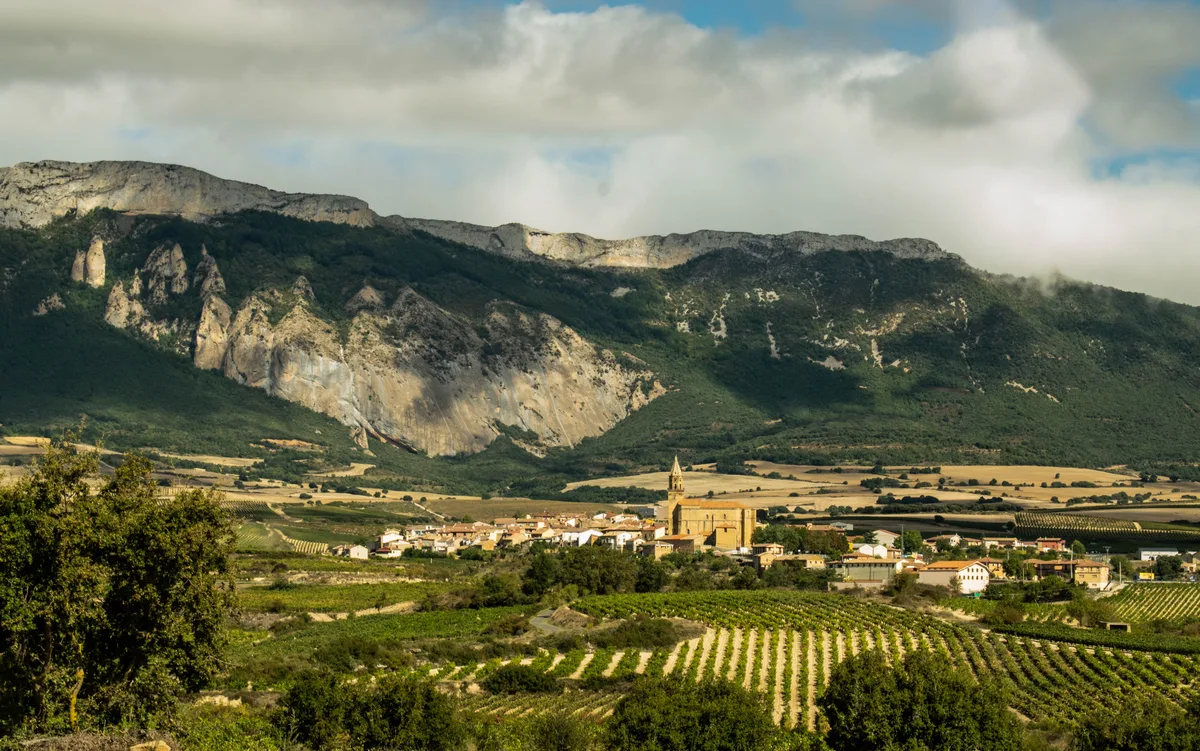
Elvillar, Viñaspre, Moreda
Luis hails from Elvillar, where half of the vineyards are still located today. Viñaspre, a quarter of an hour away, is the birthplace of Eva’s grandmother. In the same windswept highlands of Rioja Alavesa, Tentenublo winemaker Roberto Oliván also tends his plots. The Maisulan vineyard sites lie at 470 to 580 metres, with varying slopes and aspects, sheltered from Atlantic winds by the Sierra Cantabria. The 15 hectares are spread across Elvillar, Viñaspre and Moreda, on clayey-silty loam soils.
Tempranillo, Graciano and old bush vines
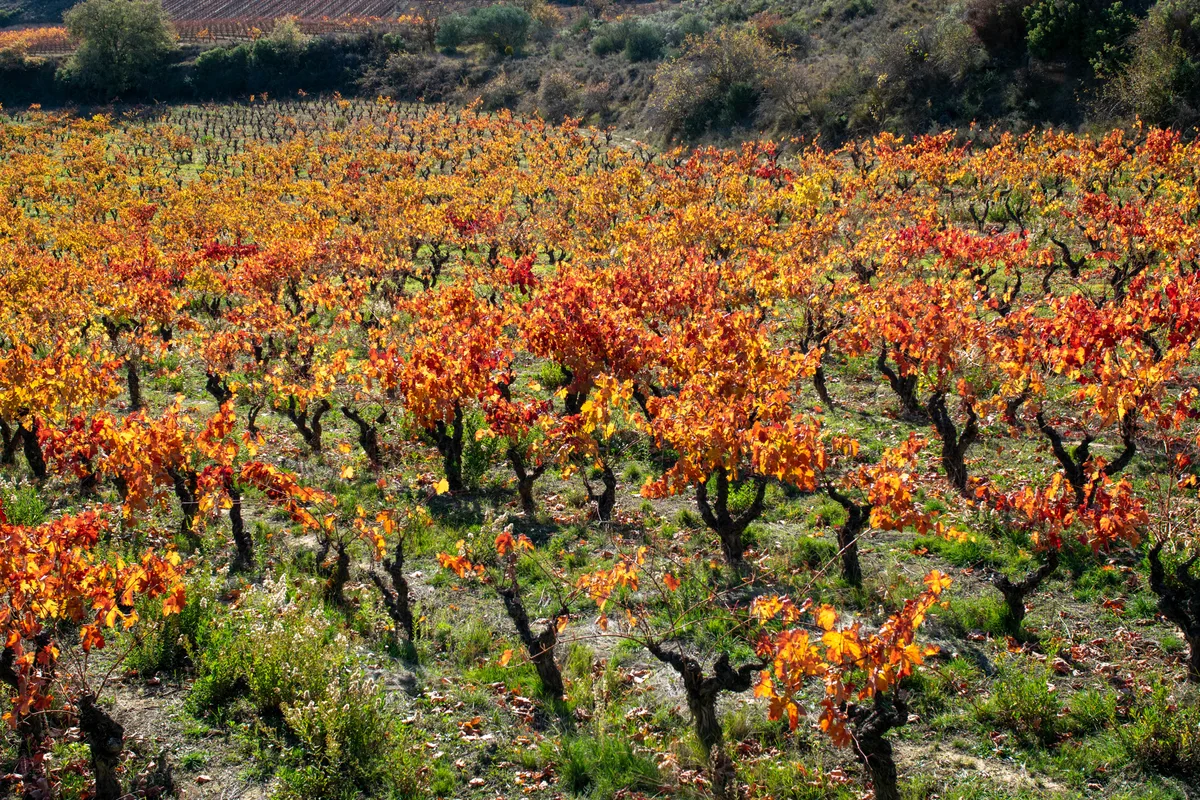
Eighty-three per cent of the vineyard area is planted with Tempranillo, ten per cent with the rare Graciano grape. The Txabola Graciano reveals the clear character of this variety: purple fruit, distinctive spice, vibrant acidity. In 2001, Eva and Luis grubbed up a diseased vineyard and deliberately replanted it with the minority variety Graciano. At the end of each row stands Viura, which holds the soil against erosion; in the oldest plot, Sobremoro, around 70 years old, Malvasía and Calagraño grow alongside it. The vines are trained as bush vines – poda en vaso – and are on average about 50 years old. Among the gnarled vines stand centuries-old olive trees, a living testament to the Mediterranean history of this terroir.
Organic, biodynamic and research
Eva and Luis have been working organically since 2001. For a long time they avoided certification, but in 2015 they finally had themselves certified as an organic estate. This is complemented by biodynamic methods and, since last year, a move towards regenerative agriculture. Together with the Basque research institute Neiker, they are working on several studies: on soil erosion, on plant extracts they produce themselves compared with commercial products (their own preparations performed better), on mapping moths, and on the question of which grape varieties best resist powdery mildew, downy mildew and botrytis amid climate change. In the cellar, two-year-old barriques are used only sparingly – the focus is on a clear, unextracted expression of fruit. The result is wines of crystalline precision that more than justify Tim Atkin’s description of them as “thrilling producers”.