
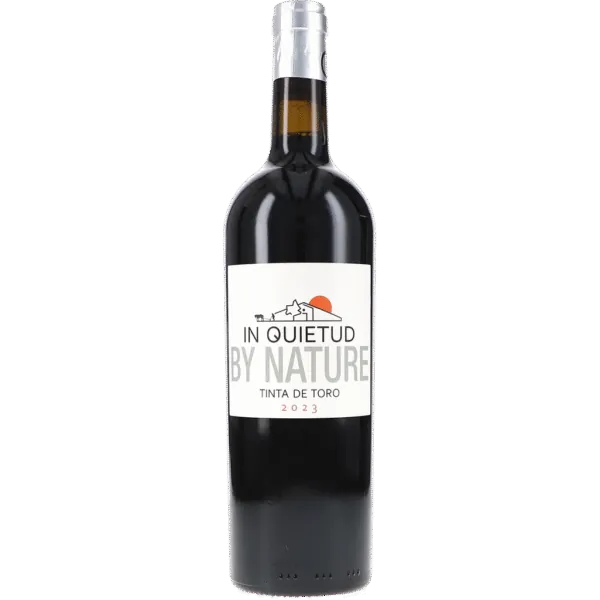
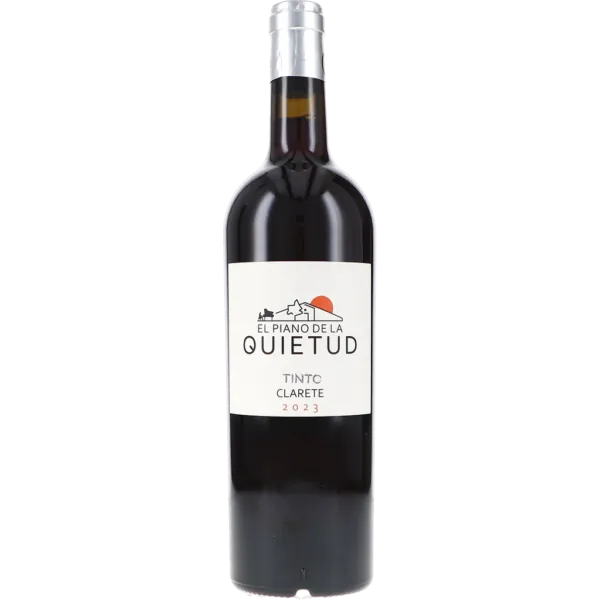
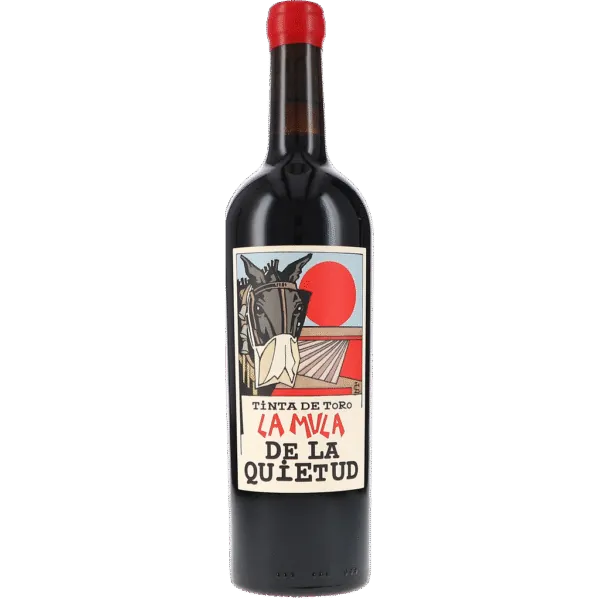
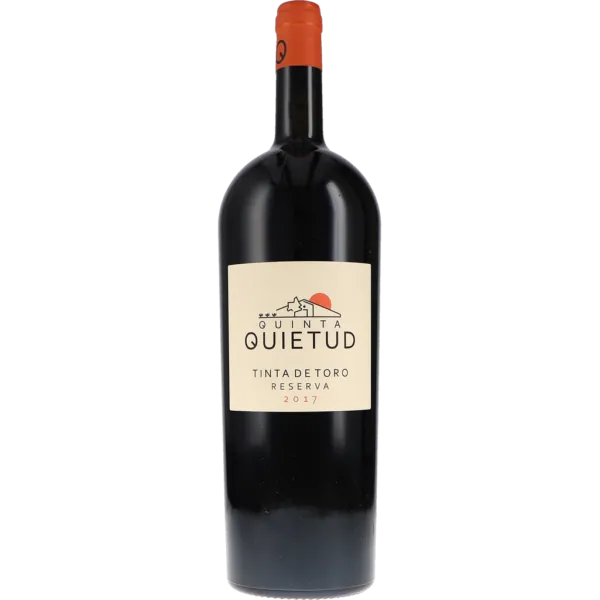
East of Zamora, the land rises from the Duero to a barren plateau where, at 600 to 750 metres, low bush vines stand in loose sand, many of them over a hundred years old and still on their own roots. Wine from Toro is made here almost entirely from Tinta de Toro, the local variant of Tempranillo, which gathers dark fruit, ripe tannins and a cool herbal note between hot summer days and cold nights. Our wines from Toro come from Quinta de la Quietud, an organically certified estate farmed biodynamically, whose red wines Quinta Quietud Reserva and La Mula de la Quietud are vinified from these old vines.
Grape variety: Tempranillo
In all wines: 89 Wines
More about Toro
Toro wine from the plateau along the Duero
The DO Toro lies in the west of Castile and León, in the province of Zamora, on both banks of the Duero around the town of the same name, which sits enthroned on a rise above the river. The vineyards are spread across 600 to 750 metres in altitude over an open, windswept plateau that receives little rain. The climate is strictly continental: during the long, hot summer days the grapes rapidly accumulate sugar and colour, while the cold nights preserve acidity and aroma. Winters are harsh, and late spring frosts are a risk with every vintage.
Sand, gravel and ungrafted bush vines
The character of the region is shaped by its soils: loose sand and gravel over clay. The sand on top warms up during the day and allows rainwater to drain away quickly, while the clay beneath stores the scarce water that sustains the vines through the dry summer. Phylloxera found little purchase in these sandy soils, which is why Toro still has many ungrafted vines, often more than a hundred years old, trained as low gobelet bushes without trellising. They bear few, small bunches with thick skins.
The principal variety is Tinta de Toro, a mutation of Tempranillo adapted to the plateau over generations, with small berries and robust skins. Its wines reveal black cherry, blackberry, dried herbs and liquorice, along with firm, ripe tannins. In skilled hands, this ripeness remains fresh and drinkable. Garnacha and white varieties such as Malvasia and Verdejo also grow here.
Quinta de la Quietud: horses, old vines and patience
Our wines from Toro come from Quinta de la Quietud. The French oenologist Jean-François Hébrard came to Toro for the old bush vines, planted between 1900 and 1920 and still growing on their own roots today. The estate has been organically certified since 2002 and is farmed biodynamically: horses plough between the vines, the vineyards manage without irrigation, and fermentation is spontaneous, using the grapes’ own yeasts. This produces wines with dark fruit and a firm structure that reflect the sand and cool nights of their origin.
La Mula de la Quietud and Quinta Quietud Reserva
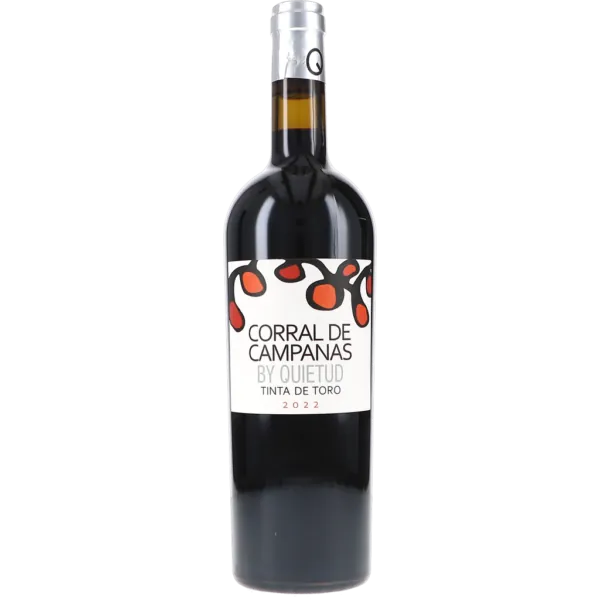
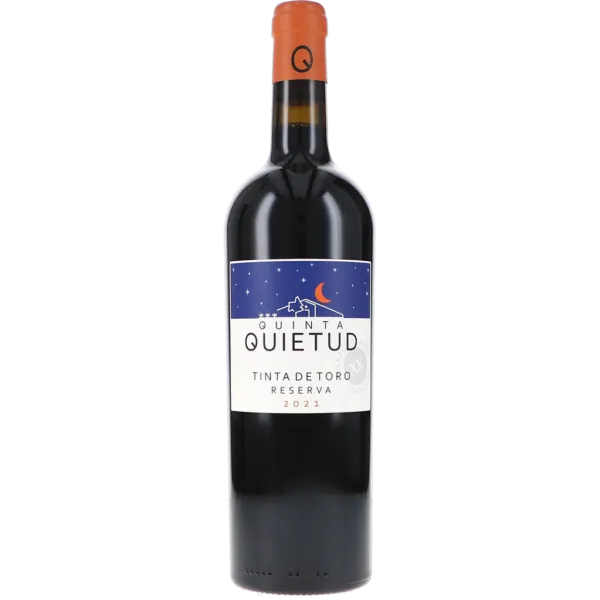
The Quinta Quietud Reserva 2020 is the estate’s classic red wine, pure Tinta de Toro from the old vines, with deep dark fruit and well-integrated wood. The La Mula de la Quietud 2020 is the estate’s flagship wine: dense berry fruit, integrated wood and an ethereal freshness on the finish. The estate makes Corral de Campanas from pure Tinta de Toro, spontaneously fermented and aged in wooden vats and barriques. La Dulce Quietud, a sweet white wine blended from five vintages, is made from raisined berries of old Malvasia, Albillo, Moscatel, Palomino and Verdejo vines. Anyone wishing to discover Toro will find the entire spectrum of the plateau in these wines.