

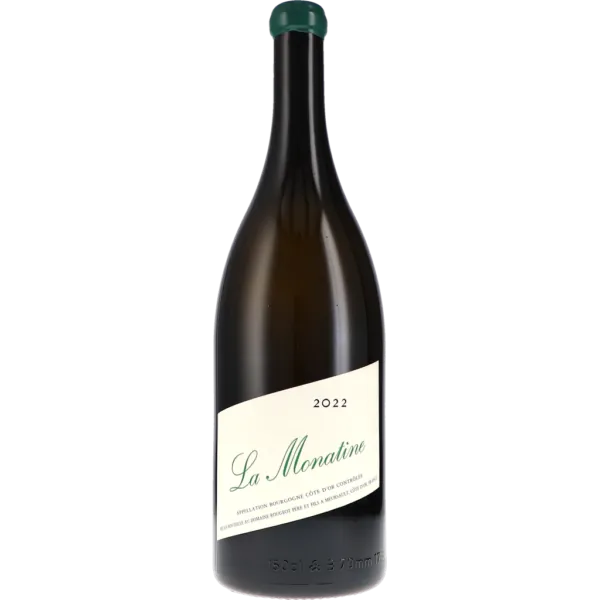
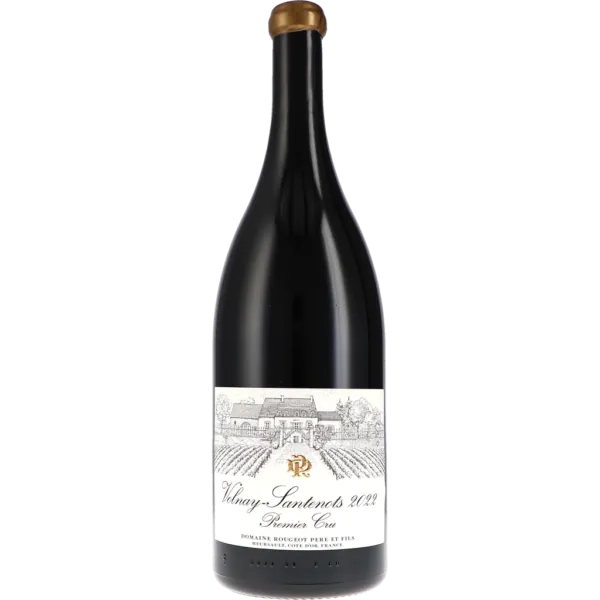
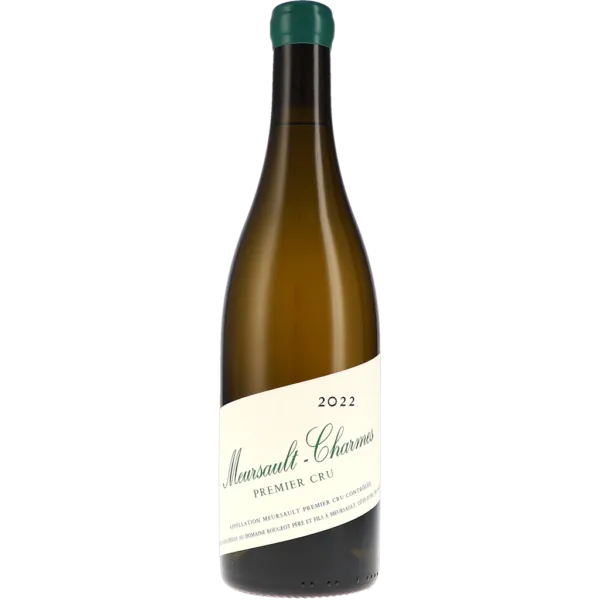
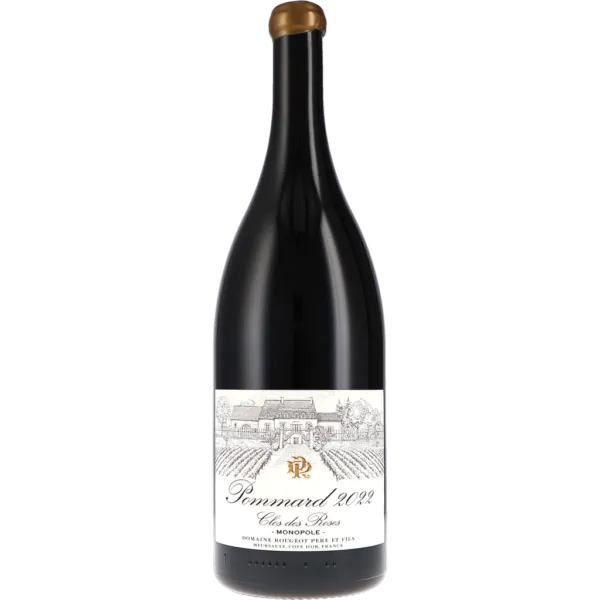
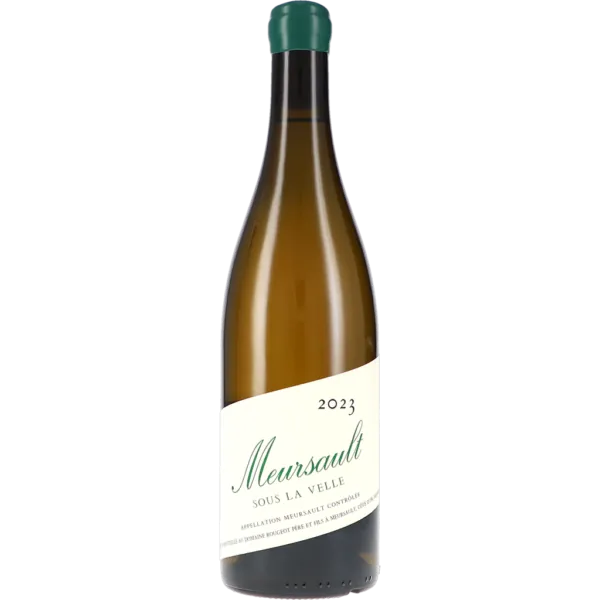
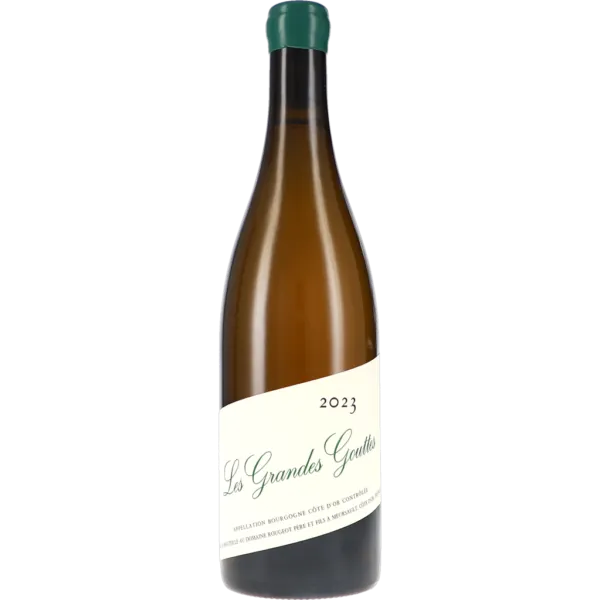
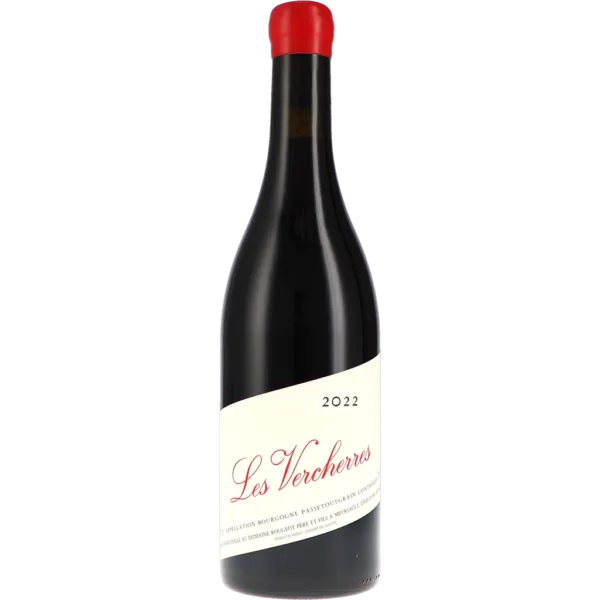
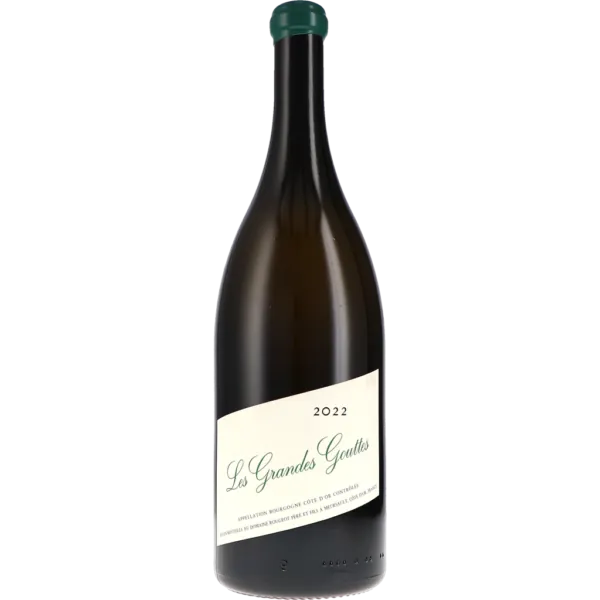
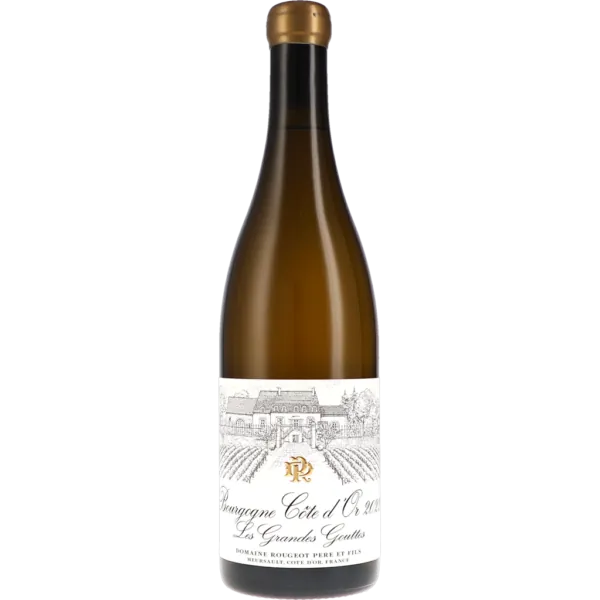
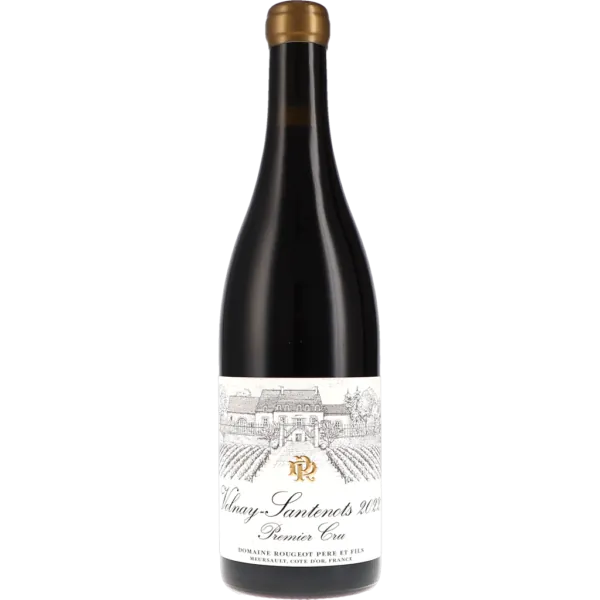
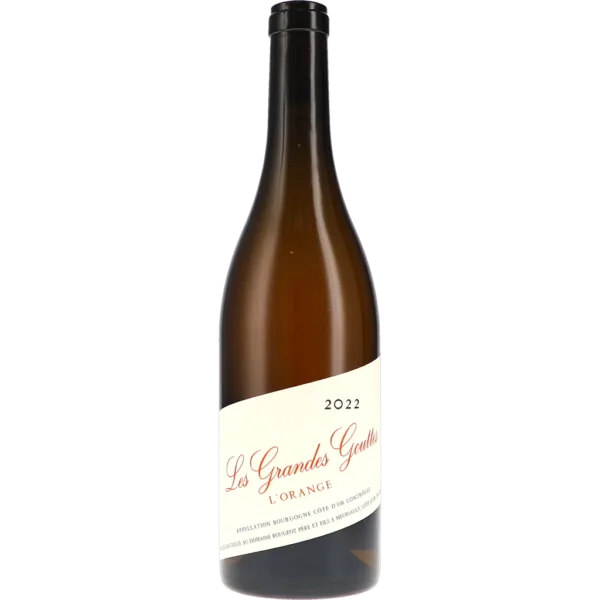
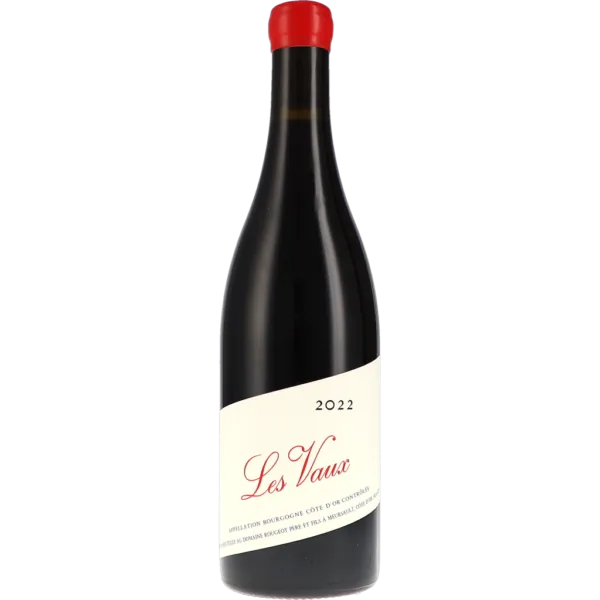
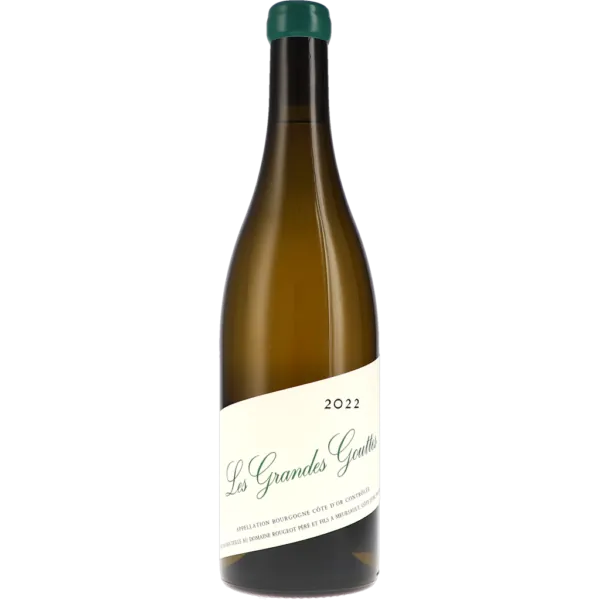
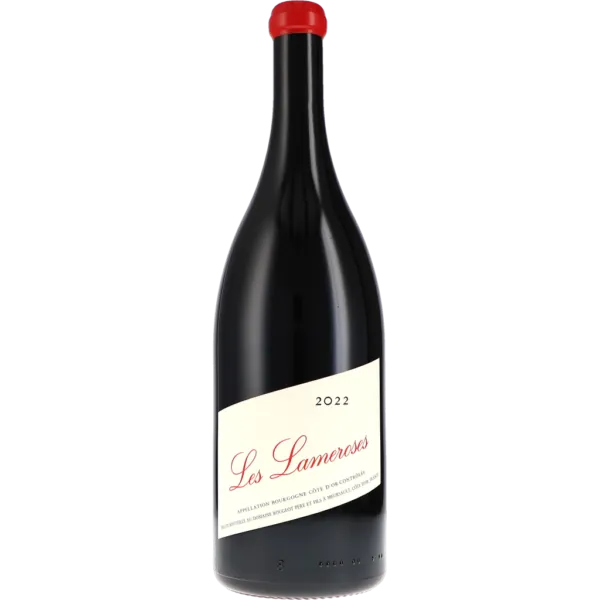
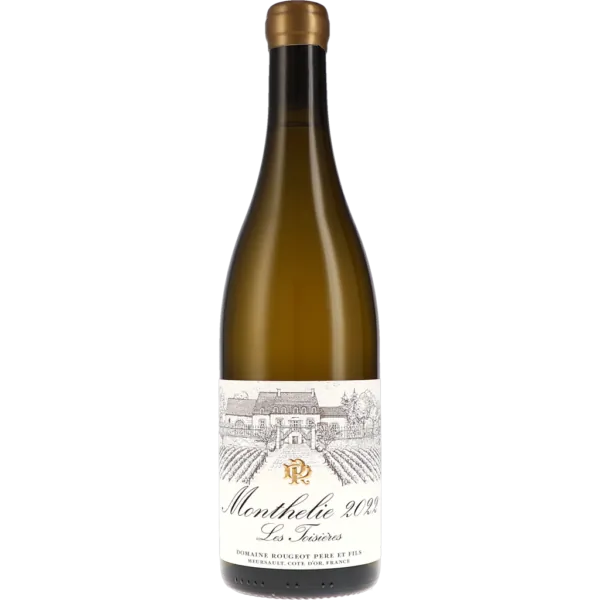
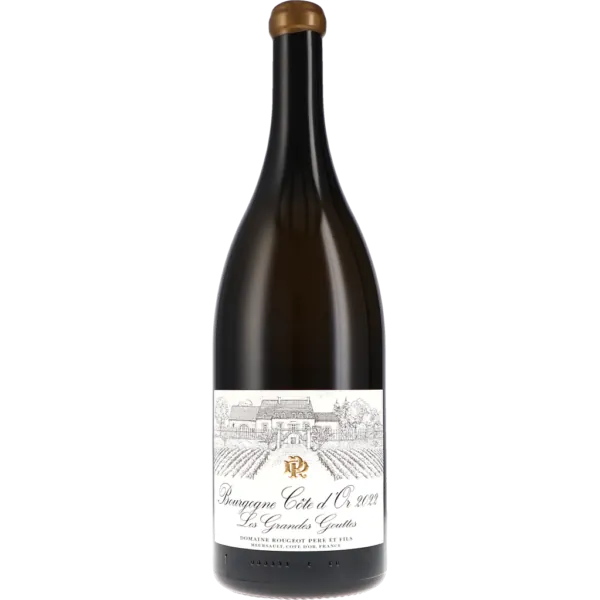
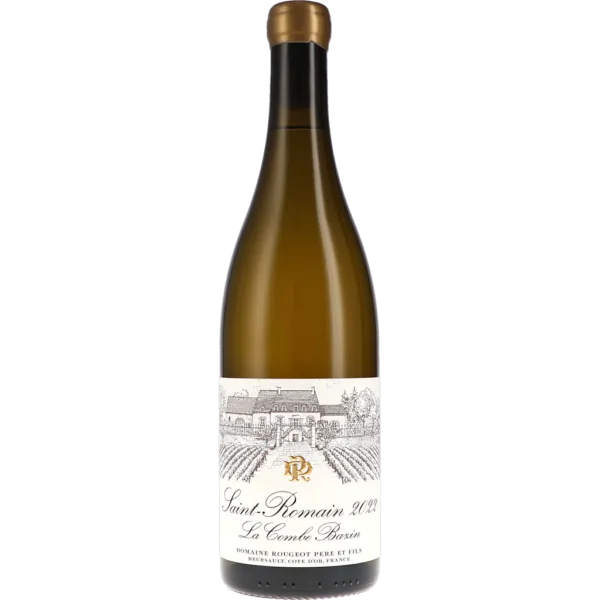
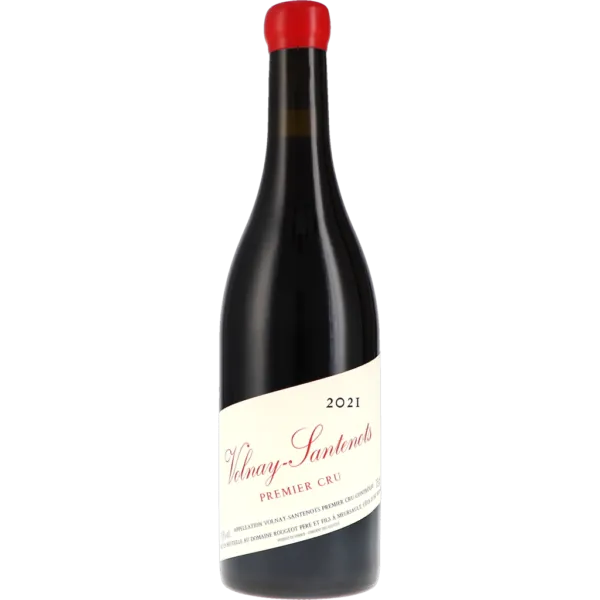
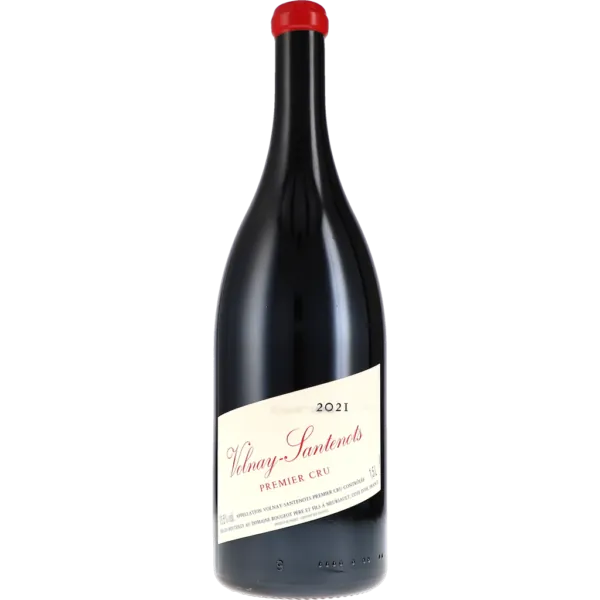
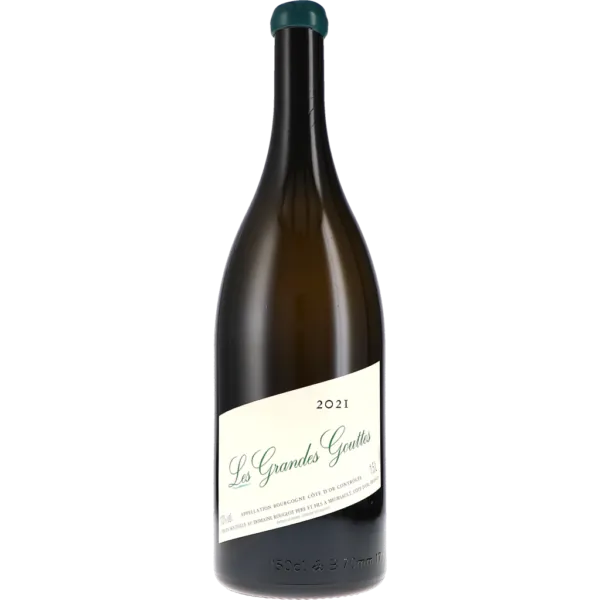
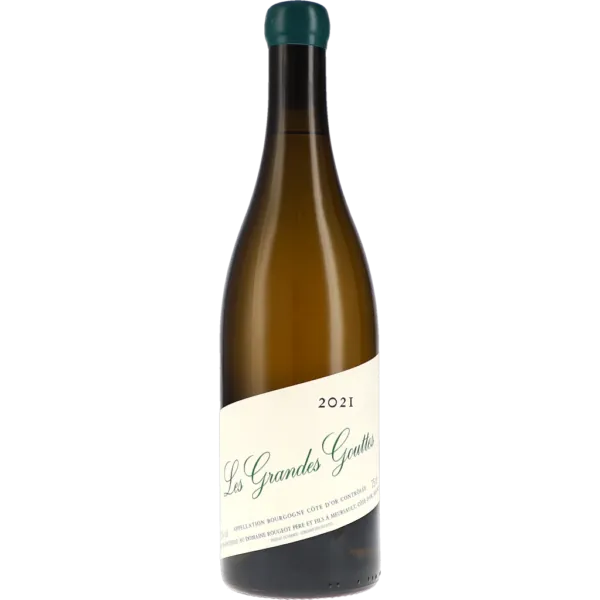
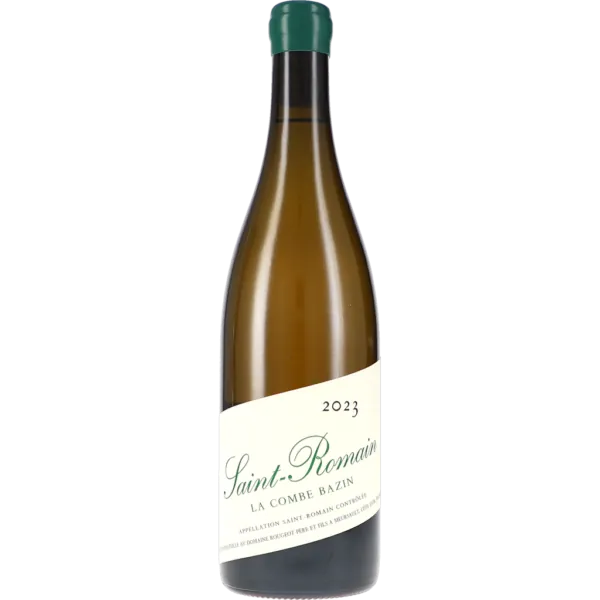
For two decades, Domaine Rougeot Père & Fils sold its wines to French supermarkets. After the frost of 2016, it pulled out, thereby losing 85 per cent of its sales; the prices in that market, says Pierre-Henri Rougeot, would not have allowed for wine of the quality they wanted. Marc Rougeot still manages the roughly 13 hectares in Meursault and the neighbouring villages today, while his son Pierre-Henri has been making the wine since 2010. Maturation takes place without sulphur. Whatever stabilises itself in the cask is bottled by the family without added sulphur, recognisable by the diagonal label; the rest receives a little sulphur at bottling and bears the classic label. Since 2017, Ecocert has certified the organic viticulture, and from the 2023 vintage onwards the wines are Demeter-certified. Pierre-Henri’s great-grandfather bought the house from the Hospices de Beaune, whose orchard the estate once was; here, wines of crystalline clarity and living energy are created.
≈ Food: Cheese
In all wines: 1,364 Wines
More about Rougeot Père & Fils
From quantity to crystalline purity
Pierre-Henri Rougeot needed courage to bring about his transformation. Until 2016, the domaine supplied French supermarkets – a lucrative but soulless business. The son wanted more: sulphur-free wines of uncompromising purity. He spent a year working at Domaine de Montille. Today, he deliberately allows the must to oxidise during pressing, as he sees this as the foundation for doing without sulphur. The cuvées that receive no sulphur even at bottling bear a diagonal label; the others are given a little sulphur at bottling and carry the classic label.

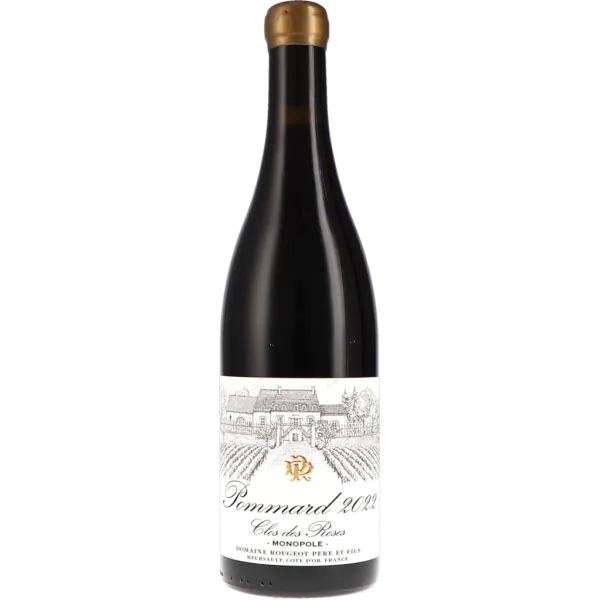
The roughly 13 hectares comprise parcels in Meursault, Monthélie, Saint-Romain, Pommard and Volnay; grandfather Hubert, mayor of Meursault for 25 years, acquired the plots in Volnay and Pommard in the 1960s and 1970s. Pierre-Henri is particularly proud of his monopole "Clos des Roses" in Pommard and the ancient vines in Saint-Romain dating back to the 1920s. Like his colleague Rémi Jobard in Meursault, he relies on biodynamic viticulture and minimal intervention.
From organic to Demeter
The domaine has been farming organically since 2012; Marc Rougeot had never used herbicides. Since 2017, Ecocert has monitored the cultivation, and the wines have been certified organic from the 2020 vintage onwards. The organic approach also helped with the Monthélie “Les Toisières”, which had struggled with premature oxidation (premox). Biodynamic practices have been applied since October 2020, and from the 2023 vintage the wines bear the Demeter seal.

Whole bunches and old casks
In the historic cellars dating back to the 18th century, Pierre-Henri practises whole-bunch fermentation for his Pinot Noirs. The grapes remain unstemmed, and spontaneous fermentation with indigenous yeasts is standard practice. Throughout the entire ageing process he refrains from adding sulphur – only at bottling does he decide depending on the vintage. He uses his 228-litre Burgundy casks deliberately sparingly, keeping the proportion of new wood low. There is no bâtonnage, nor any filtering or fining.
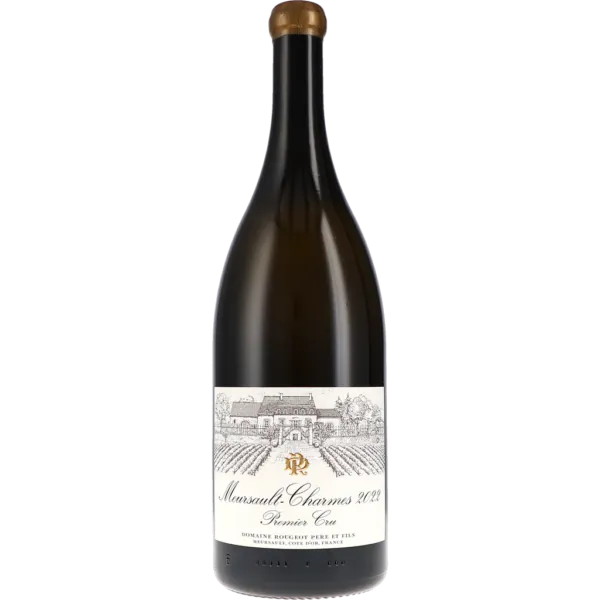
The result is wines of astonishing transparency. His Meursault-Charmes Premier Cru displays crystalline minerality, while the Pommard "Clos des Roses" Monopole embodies Burgundian elegance in its purest form. Even the Meursault "Sous la Velle" from the village site impresses with vibrant energy and a saline length.