

In 1989, Fernando Remírez de Ganuza built the first mechanical sorting table in Spain – “they only existed in books, not in reality”, he later recalled. With this, Bodegas Remírez de Ganuza revolutionised Spanish viticulture long before precision became the standard. The former vineyard broker knew every good site in Rioja and transformed this knowledge into exceptional wines. Today, the estate cultivates around 80 hectares of its own vineyards across 70 sites and nine municipalities; the vines for the Reserva and Gran Reserva are 60 years old on average. This meticulous attention to detail is reflected in every drop – from the famous “shoulders versus tips” selection to the revolutionary Trasnocho pressing using a water-filled membrane.
≈ Aroma: Cherry
In all wines: 2,844 Wines
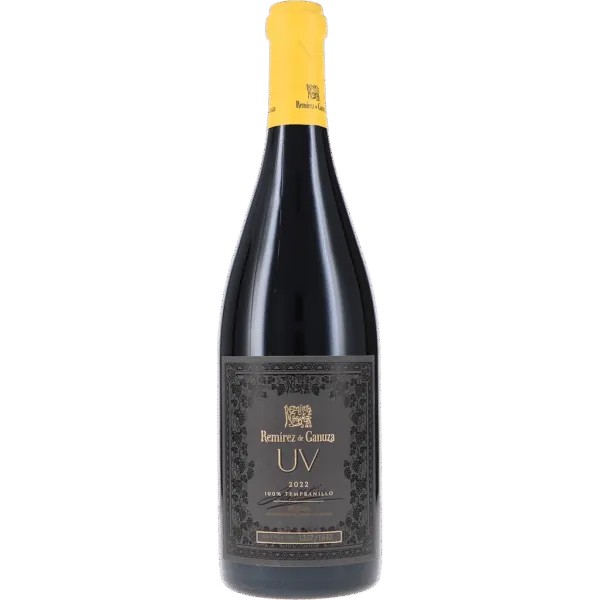
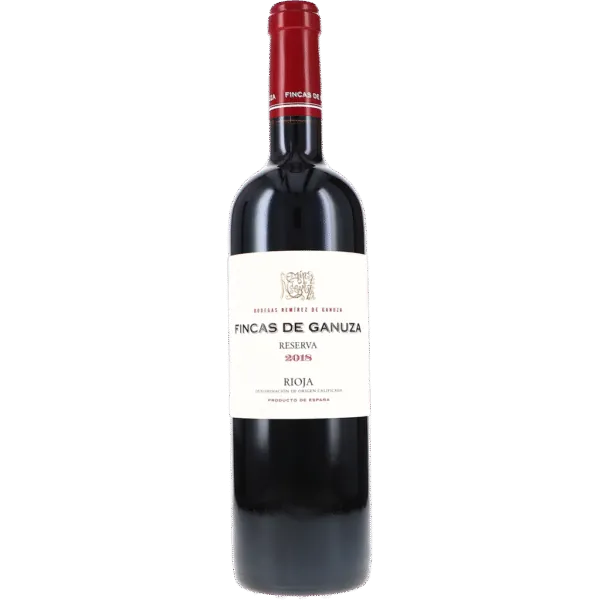
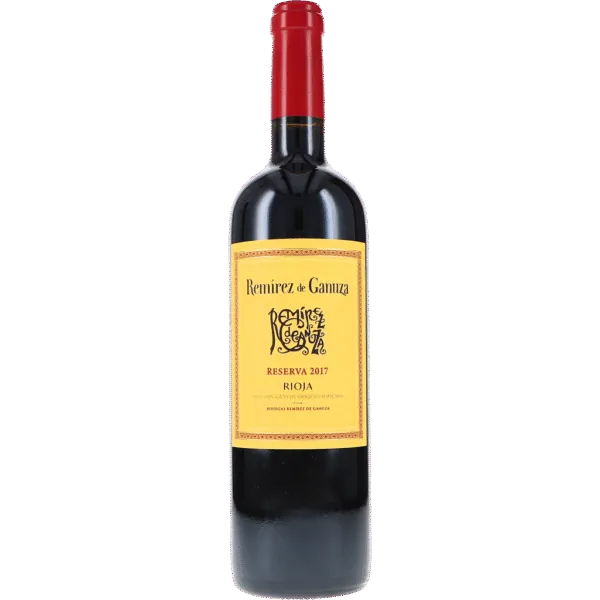
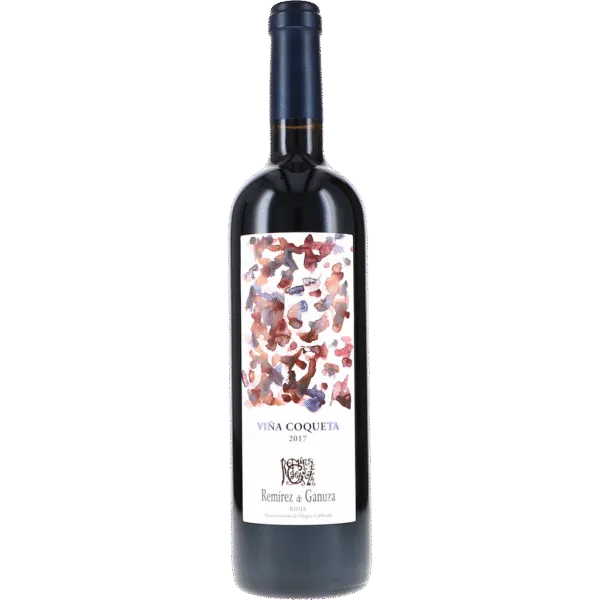
More about Remirez de Ganuza
The Broker Who Became a Winemaker
Fernando Remírez de Ganuza (1951–2024) was an outsider par excellence. Born in Navarre into a family involved in meat production, trained as a technical draughtsman – nothing pointed towards a career in wine. Yet this unusual path shaped his later obsession with detail and precision. For twenty years he was the leading vineyard broker in Rioja, familiar with every plot, every slope, every nuance of the microclimate. In 1989 he took the plunge and founded his own estate in Samaniego, Rioja Alavesa. The first vintage followed in 1991 – and with it a new era of winemaking in Rioja.

The Shoulder Philosophy
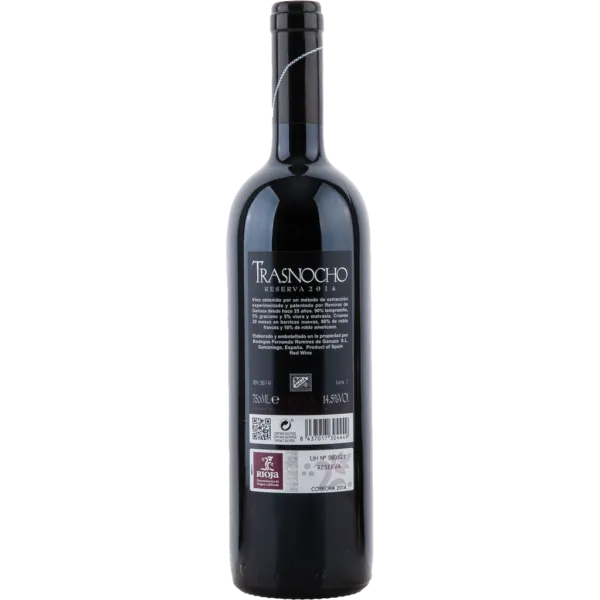
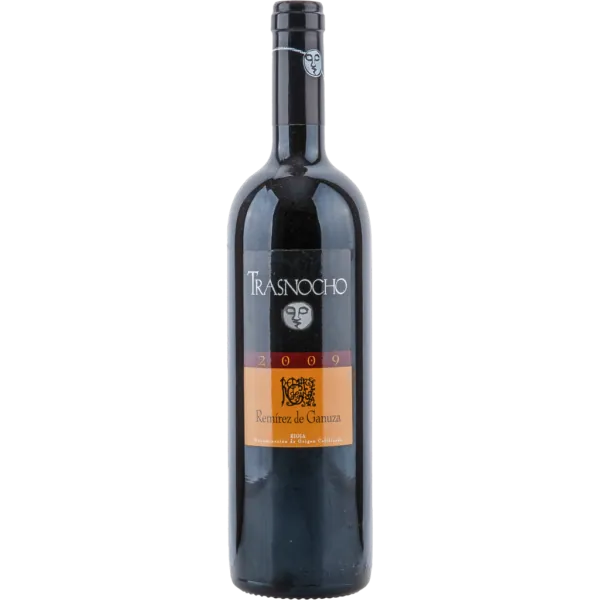
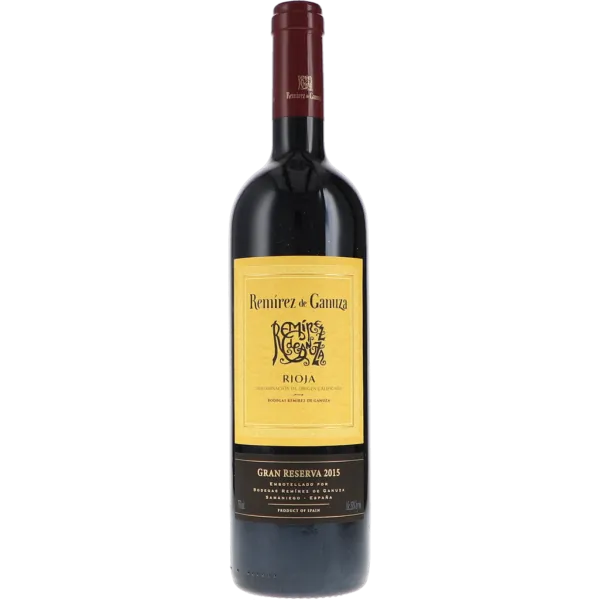
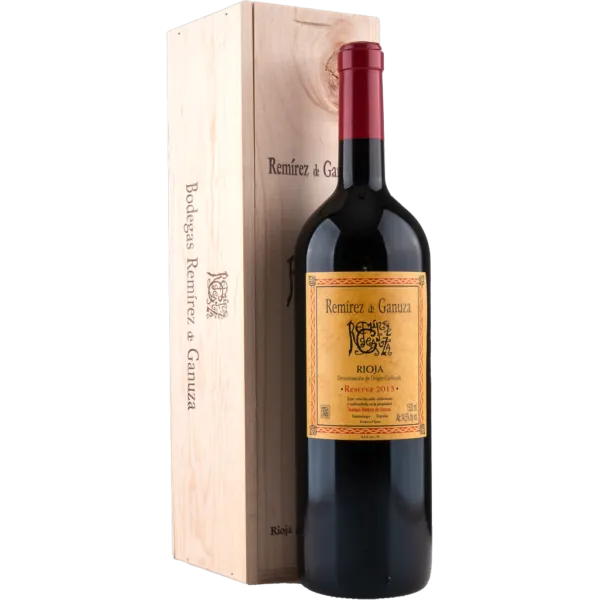
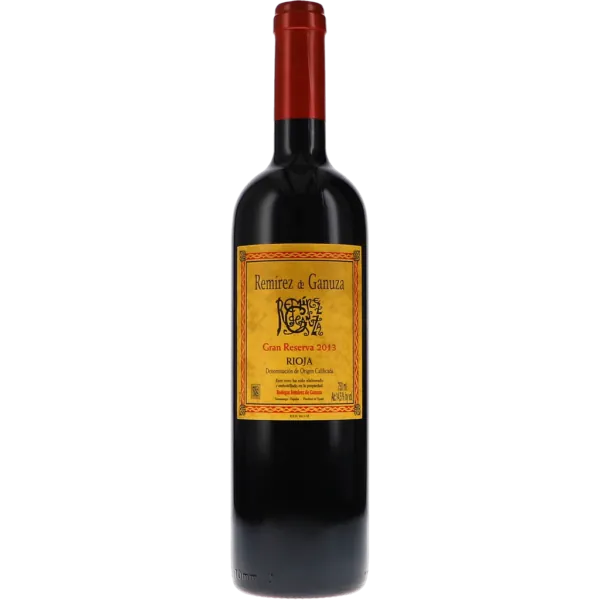
Fernando’s most revolutionary innovation was the distinction between “Hombros” (shoulders) and “Puntas” (tips) of the grape bunches. The shoulders, which receive more sunlight, ripen more intensely and are used for the Reserva and the Gran Reserva; the Fincas de Ganuza comes from younger vineyards with vines aged between 25 and 40 years. The tips go into the entry-level wine “Erre Punto”. This meticulous selection on Spain’s first mechanical sorting table caused a sensation in 1989 – today it is standard practice at top estates worldwide. The obsession with detail goes so far that for the Trasnocho, after fermentation, a water-filled membrane presses the pomace against the tank wall at roughly half the pressure of a press, achieving extraction with minimal oxidation.
70 Vineyard Sites, One Vision

The estate cultivates around 80 hectares of its own vineyards across nine municipalities, divided into 70 sites – a mosaic of old vines and microclimatic diversity. For the Reserva and Gran Reserva, the vines are 60 years old on average. The largest single site, “Viña Coqueta”, covers 11 hectares and provides the heart of the Gran Reserva. The Tempranillo vines grow on the calcareous soils of Rioja Alavesa, which lend the wines their characteristic minerality. The estate shares this terroir-focused philosophy with other pioneers such as Artadi, who likewise champion single-site expression in Rioja Alavesa.
A New Era Under José Ramón Urtasun
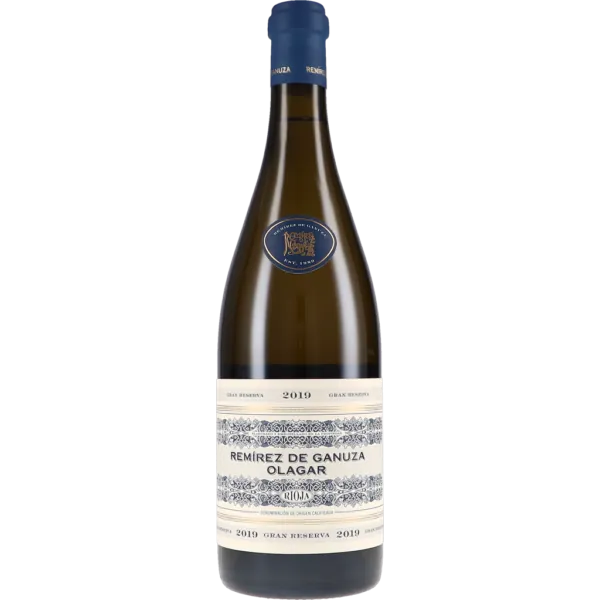
Since 2019, José Ramón Urtasun (born 1976) has run the estate as its sole owner, supported by cellar master Jesús Mendoza, who has been part of the team since 1994 and rose to head winemaker in 2001. In his Rioja Report 2024, Tim Atkin named Mendoza Winemaker of the Year. This continuity is reflected in legendary successes: the Gran Reserva 2004 received 100 points from Wine Advocate, and the Reserva 2006 was crowned the best Rioja of the decade. The white wines, too, are given time: the Olagar Gran Reserva, a single-varietal Viura from a site in San Vicente de la Sonsierra, matures for ten months in cask and is only released after around seven years.