
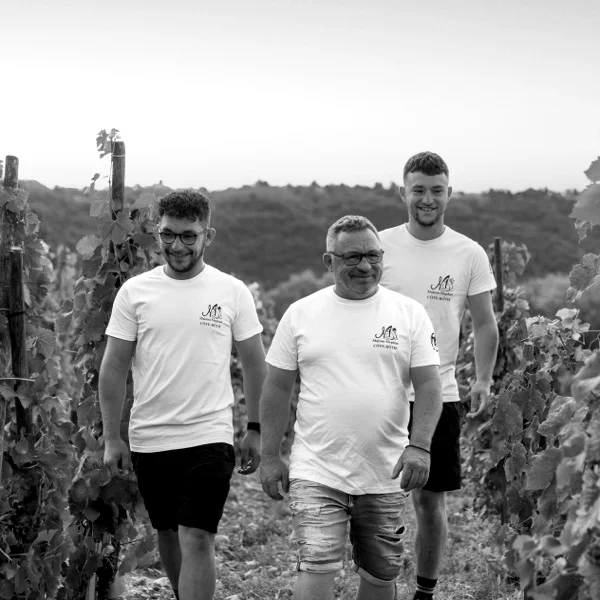
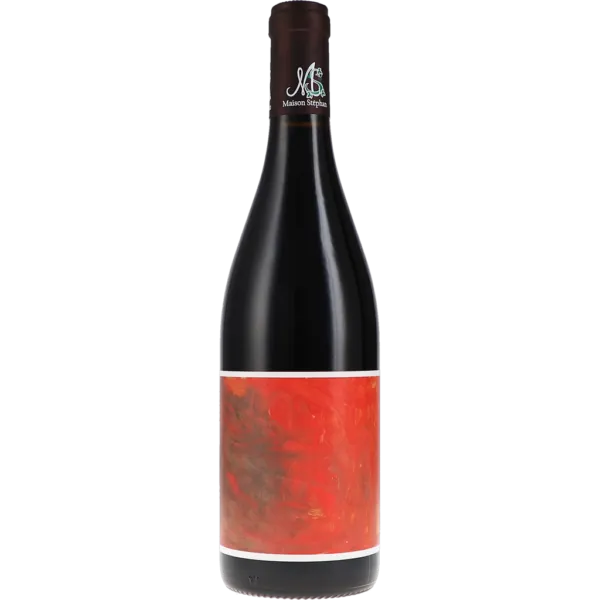
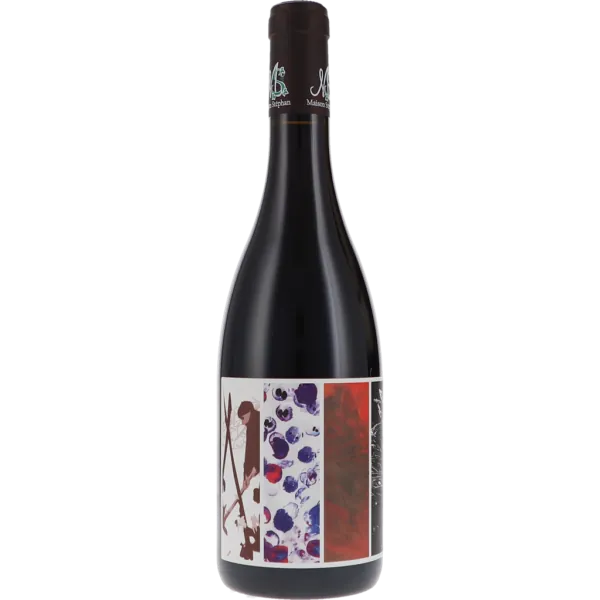
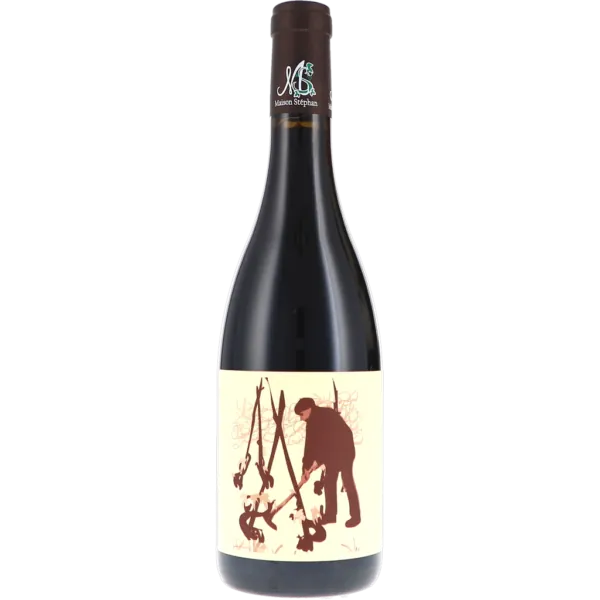
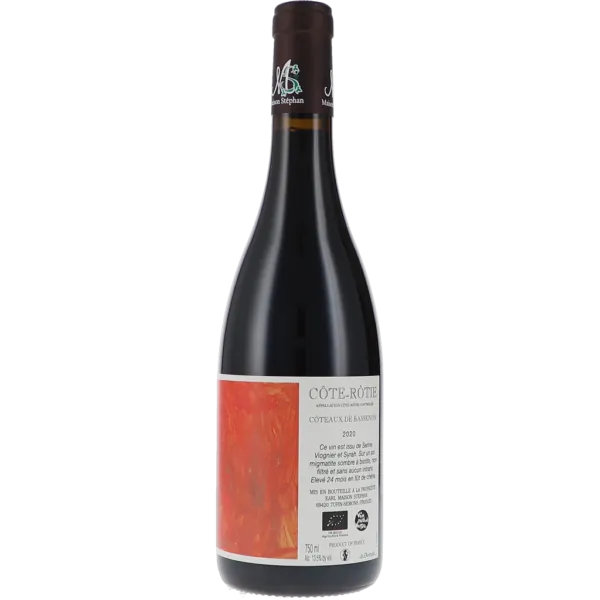
In the heart of Côte-Rôtie, where majestic granite slopes rise above the Rhône Valley, Maison Stephan stands as a true gem of natural winemaking. Since 1991, Jean-Michel Stéphan, supported by his sons Romain and Dorian, has been cultivating 12 hectares of vines, 5 of them on the steep slopes of Côte-Rôtie and 7 as Vin de France, to produce one of the most remarkable wine treasures of the northern Rhône Valley. What makes it special: ancient Sérine vines still grow in his vineyards, a fascinating indigenous relative of the Syrah grape whose genetic heritage is preserved through meticulous massale selection. The estate’s uncompromising philosophy is reflected in a winemaking approach that goes without additives as far as the vintage allows. The wines of Maison Stephan are distinguished by a vibrant purity and energetic balance that make them utterly unmistakable.
Grape variety: Syrah
In all wines: 109 Wines
More about Maison Stephan
The story of a viticultural renaissance
The story of Maison Stephan is closely intertwined with the rediscovery of one of the most significant terroirs in the northern Rhône. When Jean-Michel Stéphan acquired his first two hectares in Côte-Rôtie in 1991, he had no idea what a viticultural treasure he was unearthing.
The plots harboured an exceptional stock of pre-phylloxera vines, among them the now exceedingly rare Sérine – an original form of Syrah prized for its complex aromas and distinctive colour intensity. At a time when many winemakers were turning to modern clones, Stéphan recognised the importance of this genetic heritage and devoted himself with scientific rigour to preserving it through sélection massale.

Terroir as the highest good
Today, the vineyards of Maison Stephan extend over 12 hectares, 7 of them Vin de France and 5 on the steepest slopes of Côte-Rôtie, where granite and gneiss soils offer ideal conditions for deeply rooted vines. The extreme topography demands heroic viticulture – yet it also creates a unique microclimate. The south-east-facing terraces act as natural solar collectors, while the cool northerly winds ensure balanced ripening. Alongside Sérine and Syrah, small plantings of Viognier, Roussanne and Marsanne also thrive here, reaching their full expression in the estate’s white wines. A similar devotion to the terroir of the northern Rhône is shown by Domaine du Coulet with its impressive Cornas wines.

The uncompromising path to naturalness
Jean-Michel vinified his first wine at the cellar of his cousin Jean-Paul Brun, who even then worked with as few additives as possible. He learned his craft above all from Yvon Métras and Marcel Lapierre, two pioneers of natural wine in Beaujolais. Since 1995, the estate has farmed consistently close to nature, and since 1997 the wines have been made as far as possible without oenological additives. The vineyards are tended largely by hand, assisted by horses for gentle soil cultivation. Winches are used on the steepest sites. Yields are deliberately kept low at 30 hl/ha to guarantee the highest quality.
The art of minimal intervention
In the cellar, Maison Stephan relies on traditional methods combined with a modern understanding. The hand-harvested grapes are partly fermented as whole berries by carbonique maceration – a particularly gentle method that preserves the fruit aromatics. Ageing takes place in used oak casks from the Jupille forest and other French forests, which lend the wines structure without dominating them. Depending on the vintage, the estate dispenses entirely with sulphur and other additives – an approach that demands the utmost precision in winemaking.
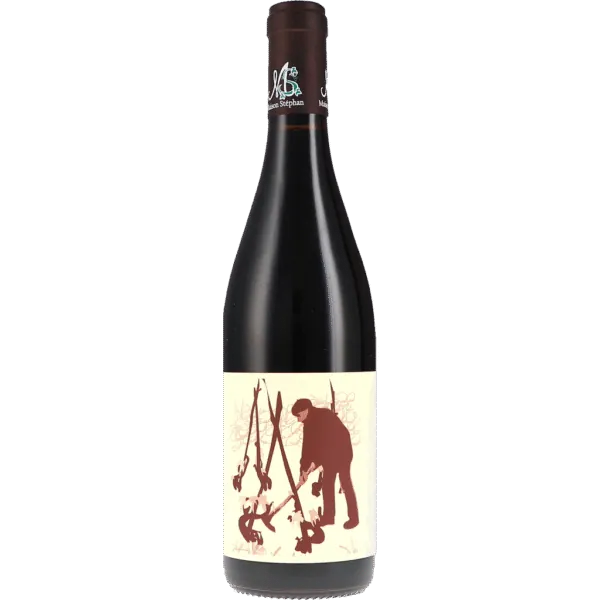
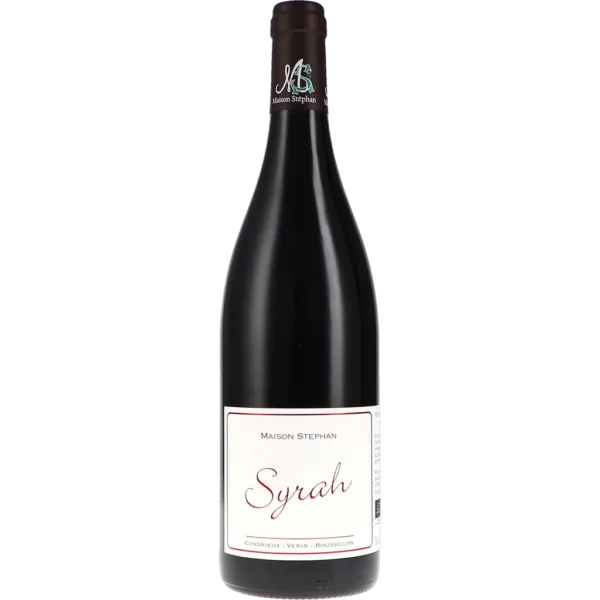
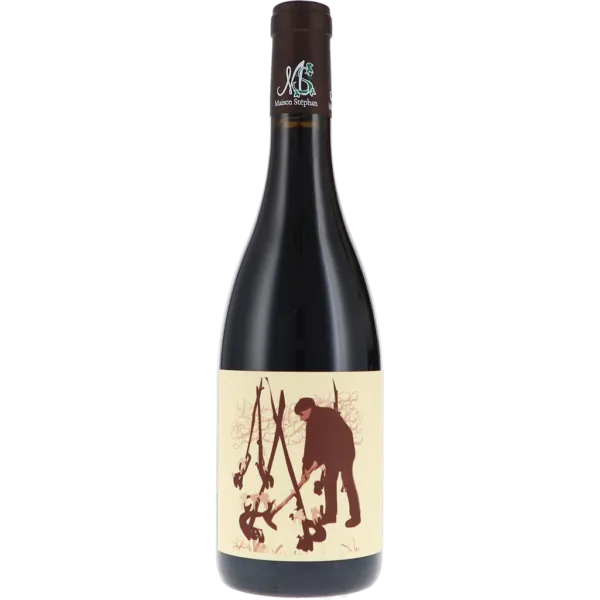
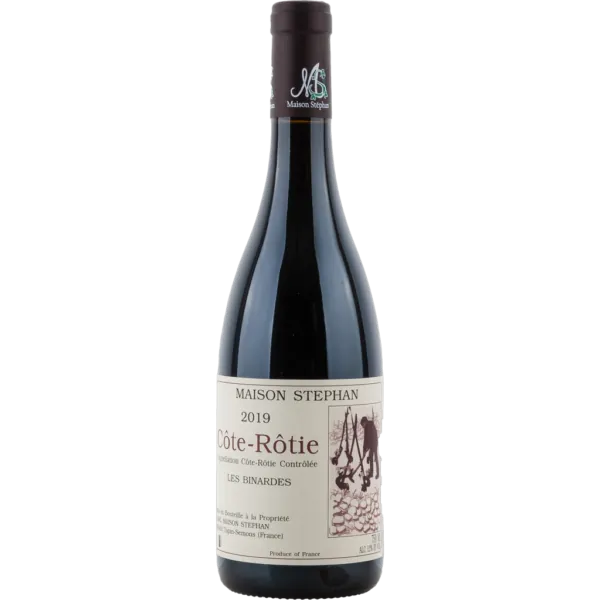
The wines are an expression of this uncompromising philosophy: they display impressive purity and precision, paired with an almost electric energy. The portfolio ranges from the grands vins such as the Côte Rôtie "Les Binardes" and the legendary Côte Rôtie "L'Ultime", via the more accessible Syrah VdF, to remarkable white wines.
Since 2017, his son Romain has continued the tradition and has achieved a great deal, above all in the vineyard: he replants gaps, prunes the vines gently, has brought new plots into production and converted the estate to biodynamics, certified since 2023. As a result, the vines cope more serenely with weather extremes, and yields have risen permanently: today around 60,000 bottles are produced each year. The wines remain among the most authentic interpretations of Côte-Rôtie.