
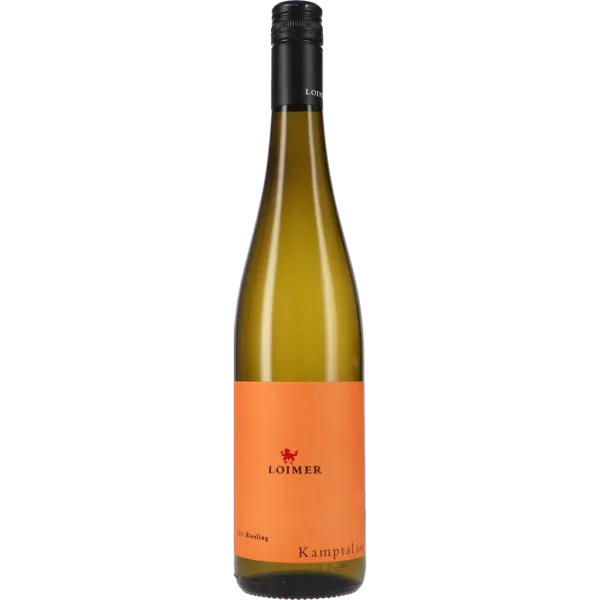
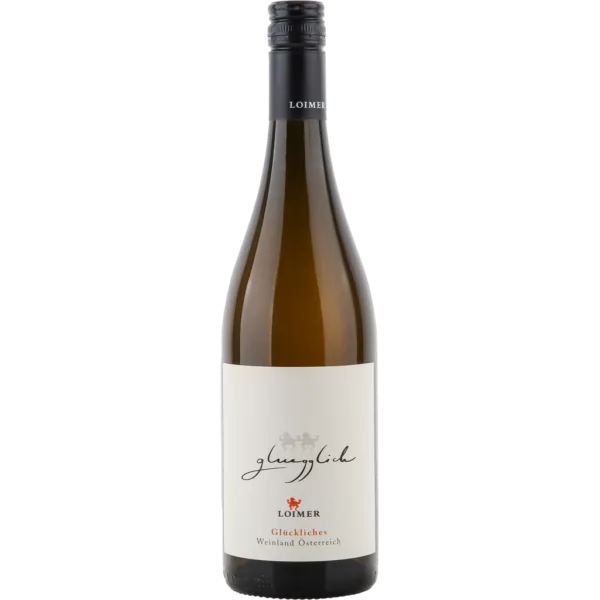
North of the Danube, the Kamp river cuts through dark gneiss, and around Langenlois terraces of loess, primary rock and quartz porphyry provide the setting where Grüner Veltliner and Riesling ripen slowly during cool nights. The Kamptal yields white wines with succulent fruit and saline minerality, alongside finely structured Pinot Noirs and first-class sparkling wines. Our Kamptal wines come from Weingut Loimer, which cultivates its vines biodynamically and, as a co-founder of respekt-BIODYN, ranks among Austria’s most influential estates. Anyone seeking natural wine from the Kamptal will find here an unsulphured Gemischter Satz and a living Muskateller, both spontaneously fermented and bottled with their own distinctive signature.
Grape variety: Riesling
In all wines: 336 Wines
More about Kamptal
Kamptal DAC and the Erste Lagen
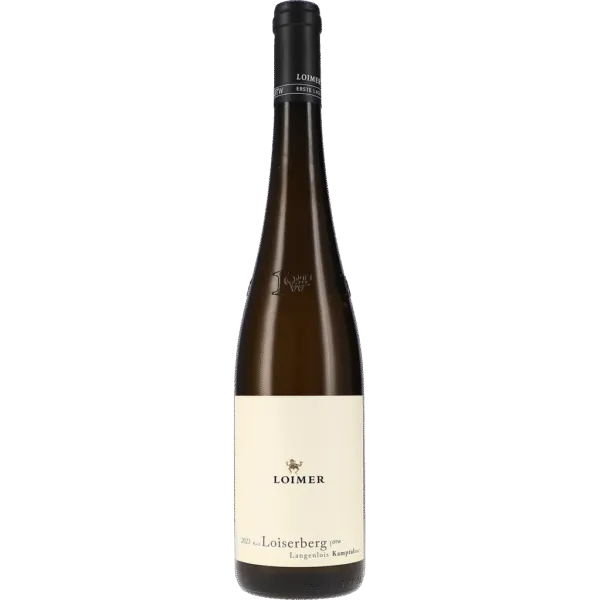
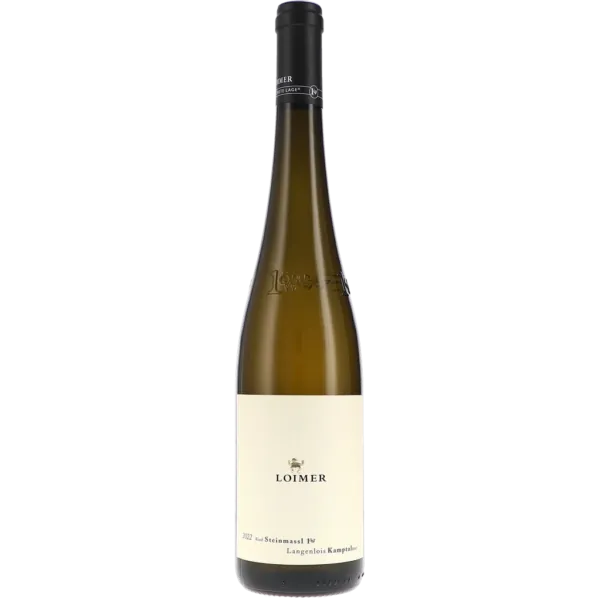
The Kamptal DAC appellation is reserved for dry white wines made from Grüner Veltliner and Riesling; red wines, cuvées and sweet wines bear the Niederösterreich designation. The Reserve tier demands riper grapes and a more powerful maturation. Beyond the appellation, the association of traditional wine estates classifies the finest vineyard sites: in the Kamptal, the Erste Lagen, or 1.ÖTW for short, include the Heiligenstein near Zöbing with its terraces of quartz porphyry and sandstone, the Käferberg above Langenlois and the Loiserberg. Each of these sites lends the grapes its own character, from the warm, almost volcanic richness of the Heiligenstein to the cool structure of the Loiserberg.
Gneiss, loess and the coolness of the Kamptal
The Kamp valley opens towards the Danube, and from there warm Pannonian air rises during the day, while cold air descends from the Waldviertel at night. This alternation between hot days and cool nights allows the grapes to retain their aromatics and keeps the acidity lively. On the deep loess soils around Langenlois, Grüner Veltliner grows, developing yellow fruit, the typical peppery note and a soft richness. Riesling prefers the stonier slopes of gneiss, mica schist and quartz porphyry, from which it draws a tighter, saltier profile. In the 150-year-old loess cellars of Langenlois, the wines mature in constant coolness, and the vintage chart reveals how the cool and warm years have shaped the wines of the valley.
The Loimer estate in Langenlois
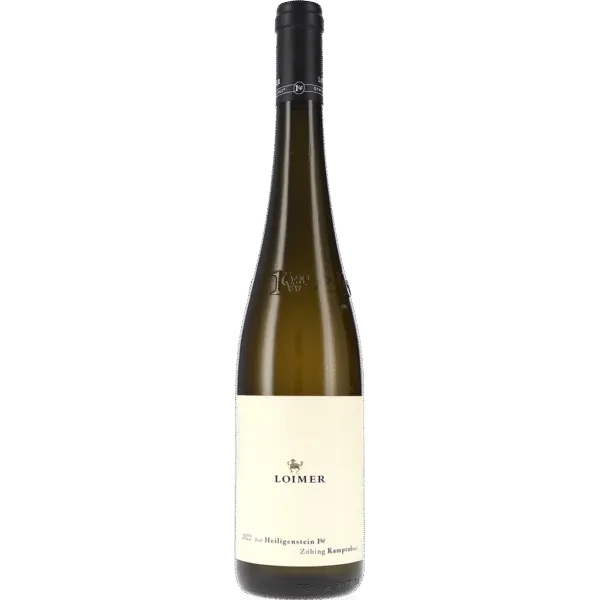
Fred Loimer took over the estate in Langenlois in 1998 and built a black, minimalist cube above the historic cellars. Weingut Loimer works biodynamically and, as a co-founder of respekt-BIODYN, is one of the driving forces behind this movement in Austria. In the cellar, the wines ferment spontaneously, and the single-vineyard wines spend a long time on the lees. The Ried Heiligenstein Riesling 1.ÖTW 2022 brings the volcanic soils of its terraced site into the glass with complex depth: stone fruit and a firm, mineral tension. The Ried Käferberg Grüner Veltliner 1.ÖTW DAC 2023 shows ripe apricot and apple compote, along with honeyed notes and a fine, supporting acidity. In addition, the Grosse Reserve sparkling wines Brut Nature are sparkling wines that spent years on the lees and are bottled without dosage.
Natural wine in the Kamptal
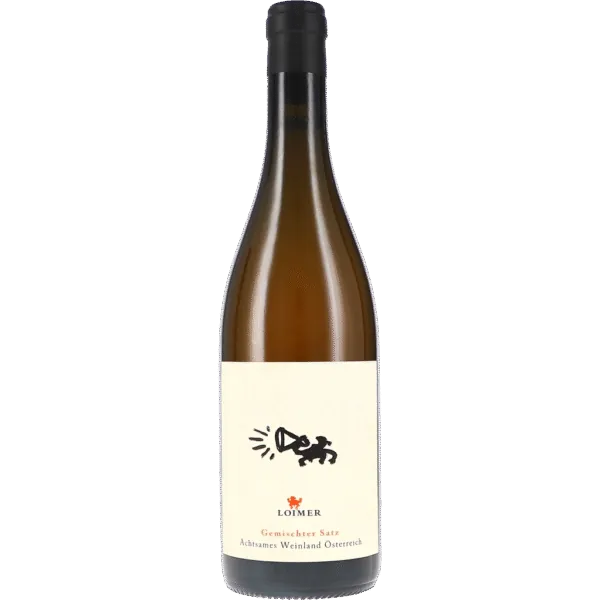
At Loimer, organic wine from the Kamptal means restraint in the vineyard, along with a range that deliberately remains edgy. Wines bottled without added sulphur are released under the name “mit ACHTUNG”. The Gemischte Satz mit ACHTUNG 2021 unites eight grape varieties, from Grüner Veltliner to Traminer, and shimmers bronze in the glass after extended skin contact – an orange wine with herbal spice and grip. The Muskateller mit ACHTUNG 2022 remains lighter, floral and aromatic, with natural cloudiness and great drinkability. Both show that natural wine from the Kamptal is no mere footnote, but grows on the same serious soils as the estate’s great single-vineyard wines.