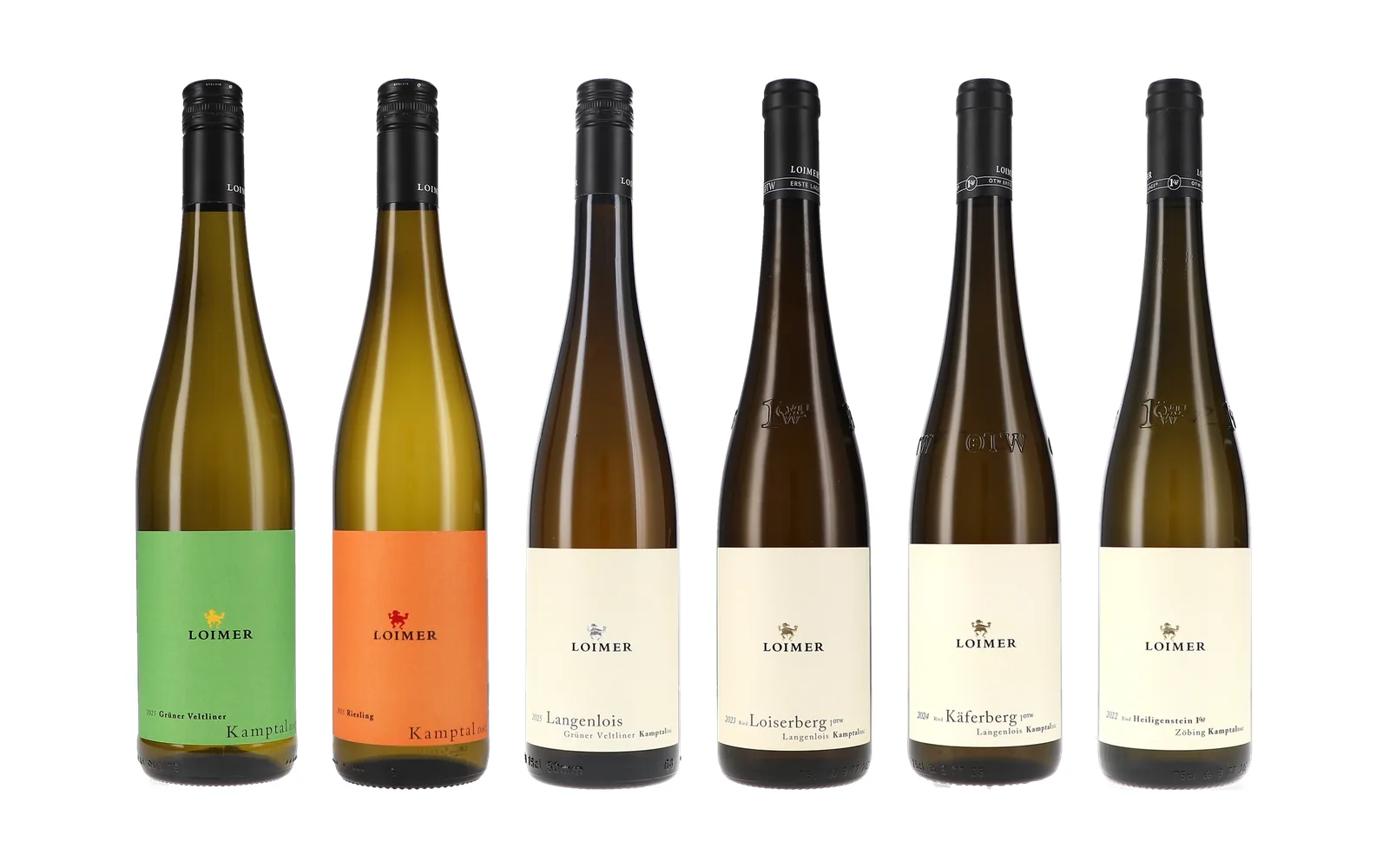
A window onto the Heiligenstein
The 2002 Falstaff wine guide advised its readers to ask the locals in Langenlois for the “Black Box”.
In stock. Fast shipping via DHL or DHL Express.
Securely packed and insured against breakage and loss.
In stock. Fast shipping via DHL or DHL Express.
Securely packed and insured against breakage and loss.
One click adds all six to your basket. You can remove or swap single wines there.
One click adds them all to your basket. You can remove or swap single wines there.
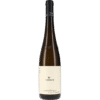
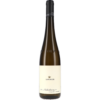
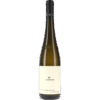
Our pick
The Riesling from the Heiligenstein spent eighteen months on its lees before it was bottled unfiltered in August 2024. If I could order only one of the four wines, it would be this one.
From the wine letter
The 2002 Falstaff wine guide advised its readers to ask the locals in Langenlois for the “Black Box”. The guide meant the building that Fred Loimer had built in 2000 above the cellar of Schloss Haindorf, to a design by the architect Andreas Burghardt. It is rendered in black and lower than many a press house in the neighbourhood. In 2010 Die Presse found it “conspicuously inconspicuous” in the way it fitted into the landscape. Its tasting room has a single window, which frames the Heiligenstein. “The building is like a bottle of wine,” Der Standard quoted its owner as saying in 2003, “closed at first, plain and smooth on the outside, but once you open it, a wonderful world unfolds.”
Loimer took up biodynamics in 2006, and the following year he was one of the founders of the respekt-BIODYN association. The four wines in this letter lead from the loess, into which the cellar beneath the black building was dug by hand, to the Heiligenstein in the window. The larger set adds the Riesling Kamptal DAC 2025 and the 2024 Grüner Veltliner from the Erste Lage Käferberg.
P.S. The Muskateller mit ACHTUNG 2022 comes from Gumpoldskirchen in the Thermenregion, where Loimer has been leasing a second estate since 2004. Because it fermented on its skins for four weeks in oak, it carries Loimer’s ironic warning in its name: “mit Achtung”, German for “with caution”. The estate calls it “a wonderfully varietal orange wine”. Approx. €23.
The wines in this letter

Four fifths of Loimer’s estate wine comes from loess. It ferments spontaneously in stainless steel, where it stays on the full lees until mid-January. It smells of citrus, yellow pear and a little pineapple. On the palate it is chalky and finishes with the peppery drive of Veltliner. With Backhendl, Austria’s fried chicken in breadcrumbs, and potato salad.
12,00 €incl. VAT
For the village wine Loimer picks grapes from four Erste Lagen around Langenlois, where the soil is mostly gneiss. Thirty per cent of the must ferments in large oak casks, the rest in stainless steel. It has twelve per cent alcohol and is juicy on the palate, with lively acidity, fine tannin and salt. With the Martinmas goose on 11 November.
18,00 €incl. VAT
On the Loiserberg the Riesling is given the meagre mica schist and the Veltliner the more fertile patches, and in the cellar the two ferment together in large used oak casks. First you taste the Riesling, cool, stony and juicy. Given air and warmth, the Veltliner adds a melting texture and an almost creamy roundness. With roast pork, as the estate also suggests.
26,00 €incl. VAT
Loimer’s vines on the Heiligenstein near Zöbing are rooted in red-brown sandstone that was laid down 250 to 280 million years ago in a desert climate. The wine recalls candied lemon, lemon curd and orange zest, with blackcurrant and blossom joining in on the long finish. With a mild curry.
43,99 €incl. VAT