
On the western edge of the Jura mountains, where the slopes of the Revermont fall away towards the Bresse plain, the vines stand on blue and grey marl, above which limestone beds form the hilltops. Jura wine here means above all Savagnin and Chardonnay, drawn fresh from the topped-up cask or aged for years beneath a layer of flor yeast, alongside the pale red wines from Poulsard and Trousseau. The region has long been regarded as a home of natural wines with minimal intervention in the cellar, and its most famous style, Vin Jaune, requires more than six years before it is bottled. Our wines from the Jura come from Domaine Grand, which cultivates its vines organically.
≈ Aroma: Mineral
In all wines: 459 Wines
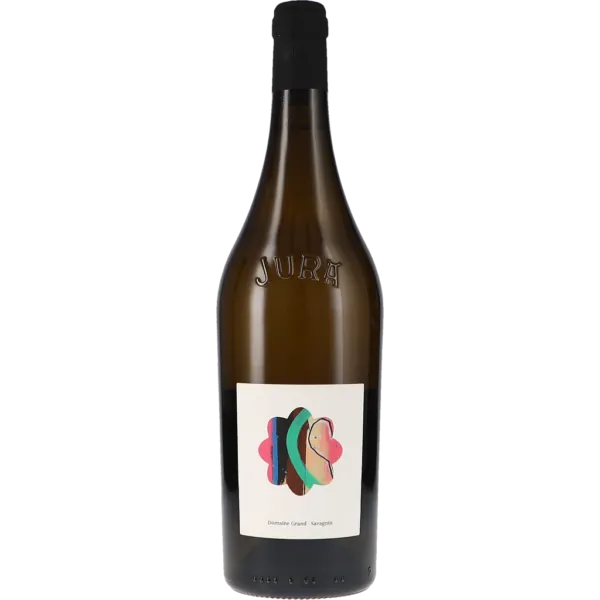
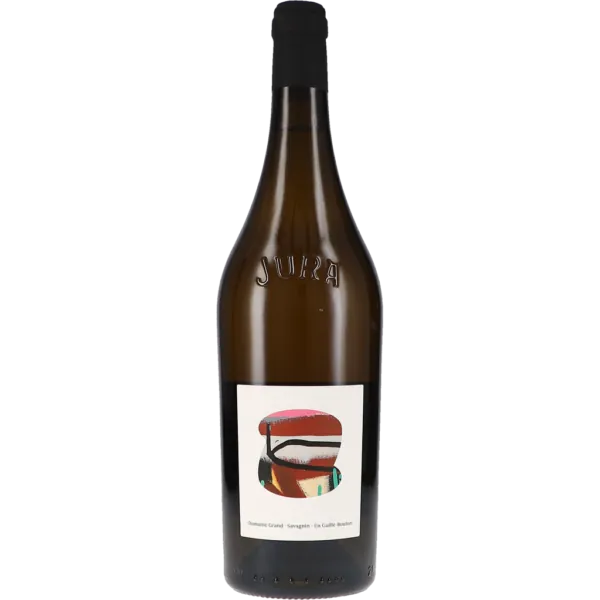
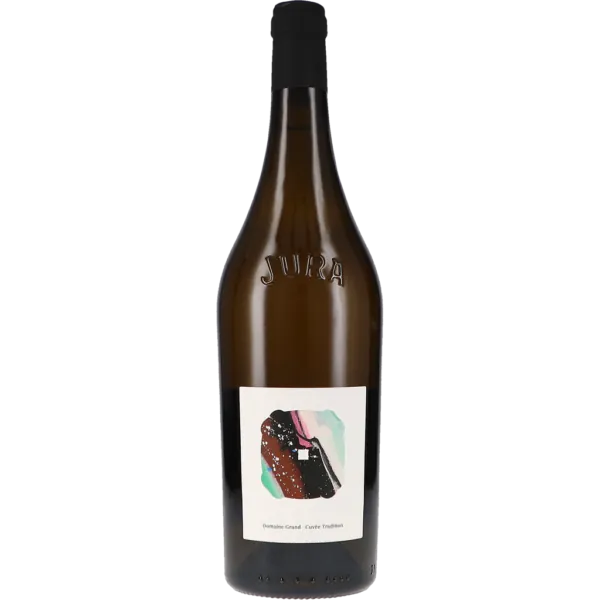
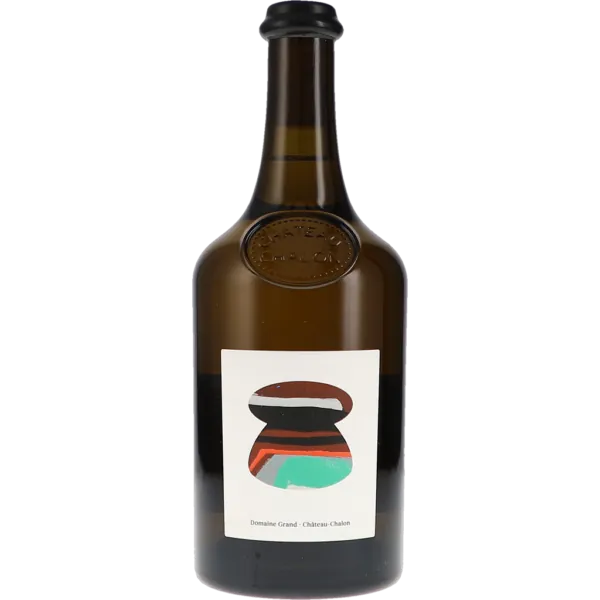
More about Jura
Jura wine from the Revermont: marl, limestone and a cool climate
The wine region stretches as a narrow strip from north to south along the foot of the Jura mountains, between the Bresse plain and the high plateaus. The vineyard slopes of the Revermont lie on Jurassic and Triassic marl – heavy, clay-rich soils in blue, grey and red that retain water for a long time; above them lie layers of limestone. The winters are cold, the summers warm, and the harvest often extends well into autumn. These soils yield white wines with taut acidity and a saline length that appear cool even in ripe vintages.
Savagnin under the veil: Vin Jaune, ouillé and sous voile
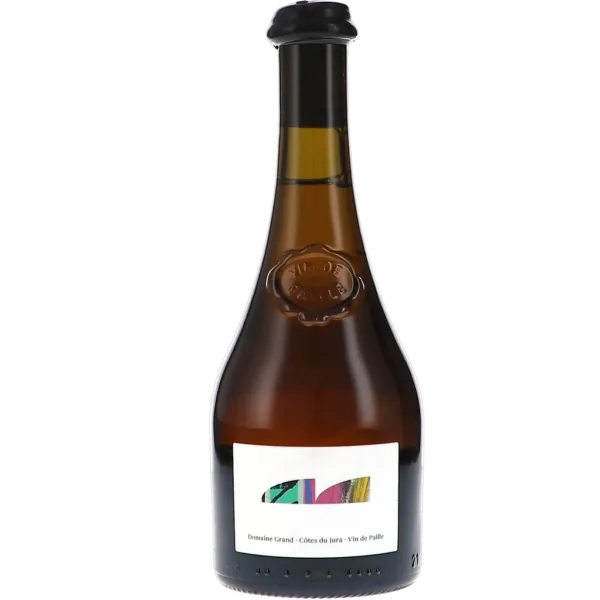
In the Jura there are two ways of ageing white wine. Ouillé means that the barrels are regularly topped up; this keeps Chardonnay and Savagnin fresh, citric and mineral. With sous voile, the wine remains in the barrel without topping up, and a veil of flor yeast forms on its surface, protecting it from too much oxygen and giving it aromas of walnut, curry and dried herbs. The strictest form is Vin Jaune: pure Savagnin, bottled at least six years and three months after the harvest in the 62-centilitre Clavelin. Then there is Vin de Paille, made from grapes dried on straw or racks, Crémant du Jura as a sparkling wine, and Macvin, in which grape must is blended with marc brandy from the Jura.
Arbois, Côtes du Jura, Château-Chalon and L'Étoile
Arbois in the north is the best-known appellation; Louis Pasteur grew up there and conducted his research on wine fermentation in the town. Côtes du Jura covers most of the region from north to south. Château-Chalon is reserved solely for Vin Jaune, its village perched on a rocky spur above steep marl slopes. L'Étoile in the south stands for white wines. From Arbois comes the Arbois Savagnin "En Guille Bouton" 2025, an ouillé Savagnin from grey limestone and marl with bright fruit and taut minerality.
Natural wine from the Jura: Domaine Grand
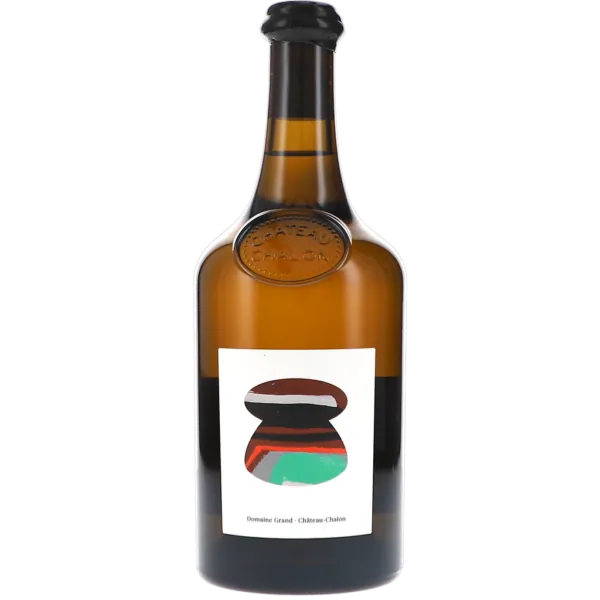
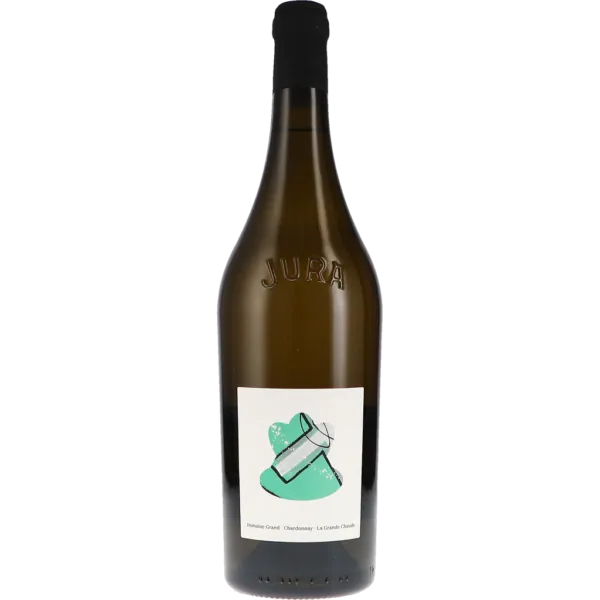
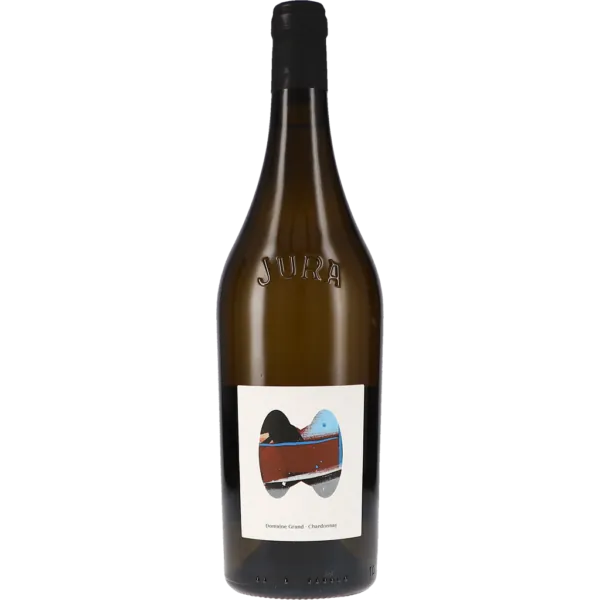
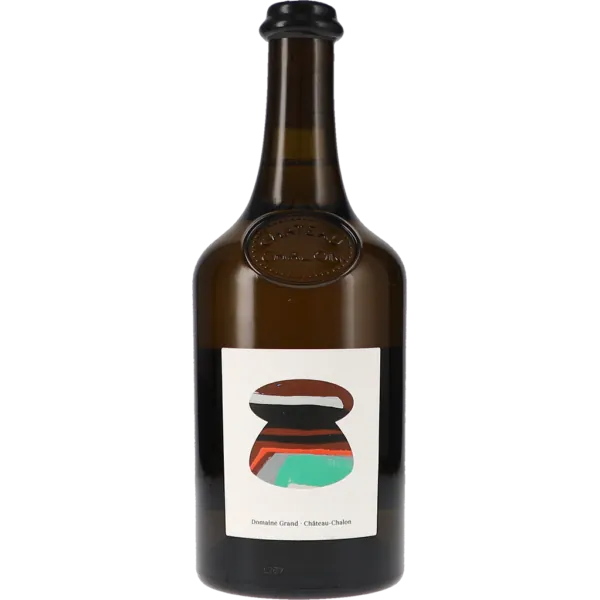
For decades, the Jura has been a centre of the natural wine movement in France: spontaneous fermentation, old barrels and little sulphur are part of the tradition here. Emmanuel and Nathalie Grand work in this spirit, having consistently aligned the family estate Domaine Grand with organic viticulture and quality since 2015. Their Chardonnays from Côtes du Jura mature in old barrels and reveal citrus and salt. Under the veil, they produce the Cuvée Tradition from Chardonnay and Savagnin, a Savagnin Vin de Voile and the Château-Chalon "En Baumont" Vin de Voile 2018 in the Clavelin, a wine with walnut, curry and a long, saline trail. A Vin de Paille from Chardonnay and Savagnin completes the range. You will find all available wines from the domaine in the list above.