
 EN
EN  DE
DE  FR
FR  IT
IT 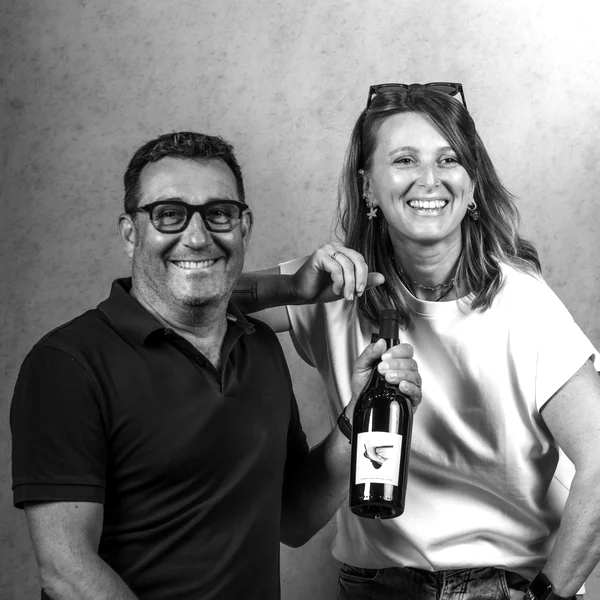
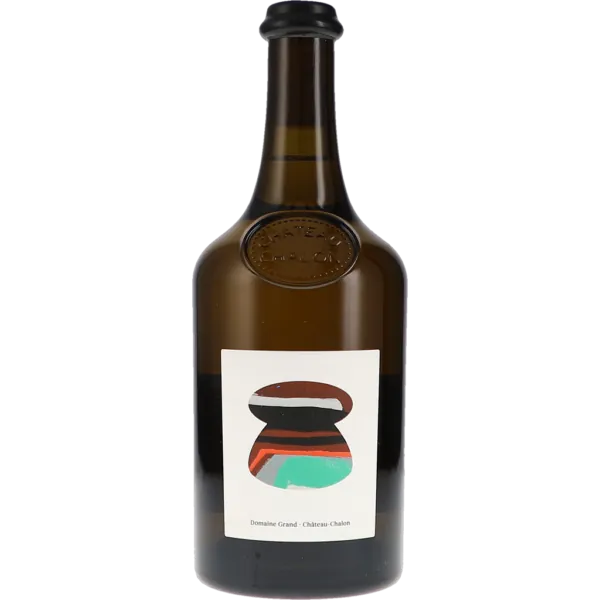
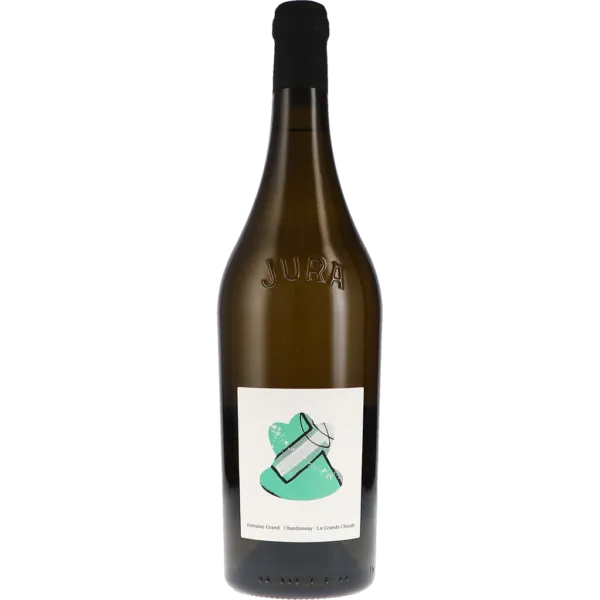
Precise, mineral, alive: that is how the Jura tastes when growers know what they are doing. Domaine Grand in Passenans is one of those family estates that did not invent winegrowing but has refined it over nine generations. The Grands have farmed vineyards between Arbois and Château-Chalon since 1692, and today they work 9.5 focused hectares. Nathalie and Emmanuel work hand in hand: Emmanuel passes on to Nathalie the Grands' signature in the cellar, and the two decide together which wines are made. Together they have radically reshaped the estate: smaller production, organic farming, minimal sulphur. Their Vin de Voile shows the oxidative finesse of the Jura, the straw wines concentrated elegance, the young Chardonnays and Savagnins vibrant freshness.
More about Domaine Grand
Nine generations, one clear vision
The story of Domaine Grand begins in 1692 with Antoine and Claudine Grand. What follows is no romantic winegrowers' idyll but hard work over centuries. René Grand, the grandfather, recognised in the 1940s that the future lay in the bottle, not in the cask. His son Lothain expanded the estate to 25 hectares with his brothers. Then came Emmanuel.
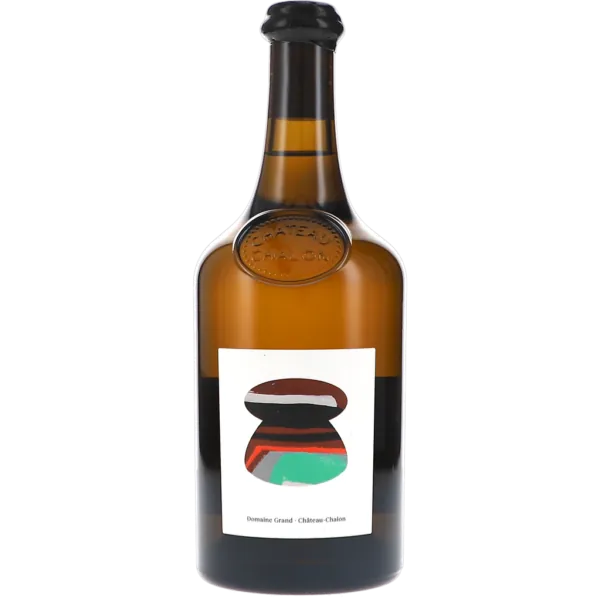
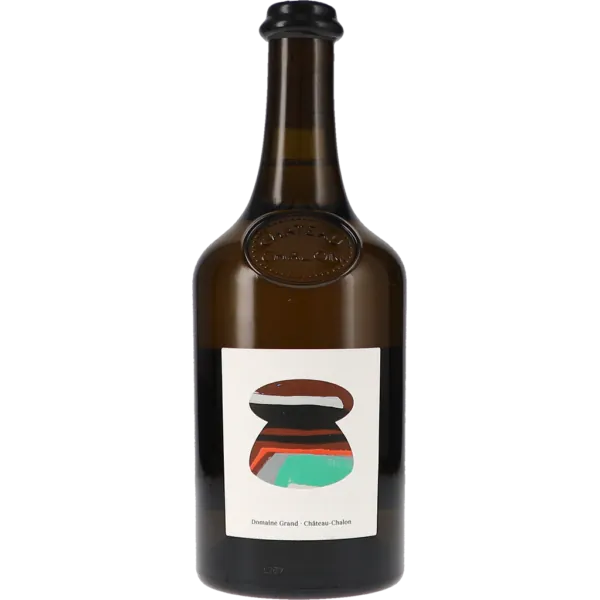
In 1997 he joined the family estate, and in 2011 he met Nathalie, herself a winemaker's daughter from Arbois. Together they made a radical decision in 2015: they reduced the vineyard area from 24 to 9.5 hectares. Fewer vineyards, more quality. The Guide Hachette named them “Vignerons de l'année” in 2020, an award for their Château-Chalon En Beaumont Vin de Voile 2015. No chance prize.
Organic out of conviction, not fashion
The conversion to organic began in 2018. Nathalie puts it plainly: “It is satisfying to know at the end of the day that we have put no products on our vineyards. We want to leave our children clean soils.” Not a marketing phrase but lived practice. In 2021 the first certified organic cuvées came onto the market.
The vines stand on grey limestone, grey and red marl, in part with a dolomitic influence. Some parcels are more than 100 years old, with roots deep enough to translate the mineral complexity of these soils into the grapes. Vinification takes place in old casks, with minimal sulphur. The sites range from Arbois via Passenans to the steep slopes of Château-Chalon.

Oxidative, fresh, concentrated: the range of the Jura
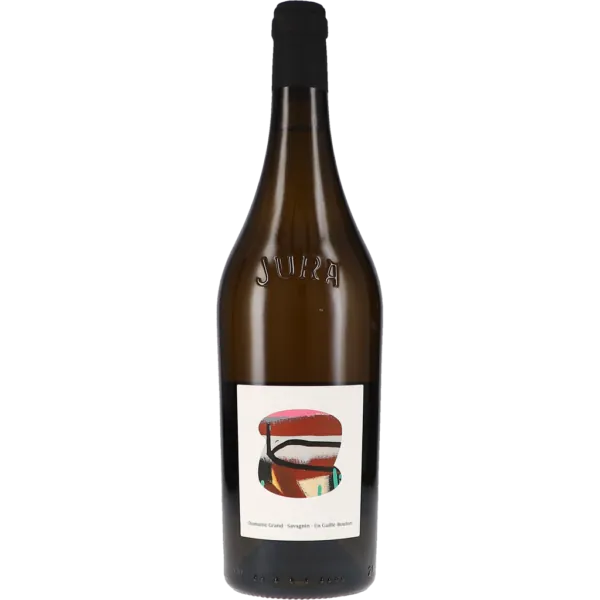
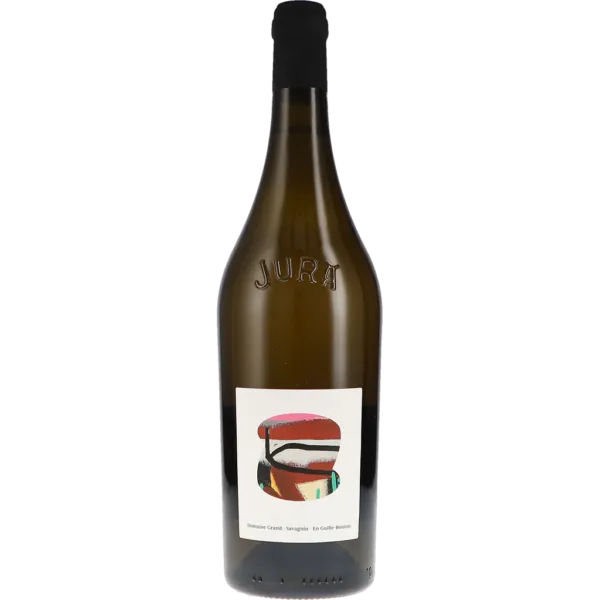
The portfolio shows the full palette of what is possible in the Jura. The Côtes du Jura Savagnin Vin de Voile 2018 matures under flor yeast and develops notes of walnut, dried herbs and curry: oxidative, but never oxidised. Those who prefer something purer should reach for the Arbois Savagnin En Guille Bouton 2023, which captures the freshness and minerality of the site.
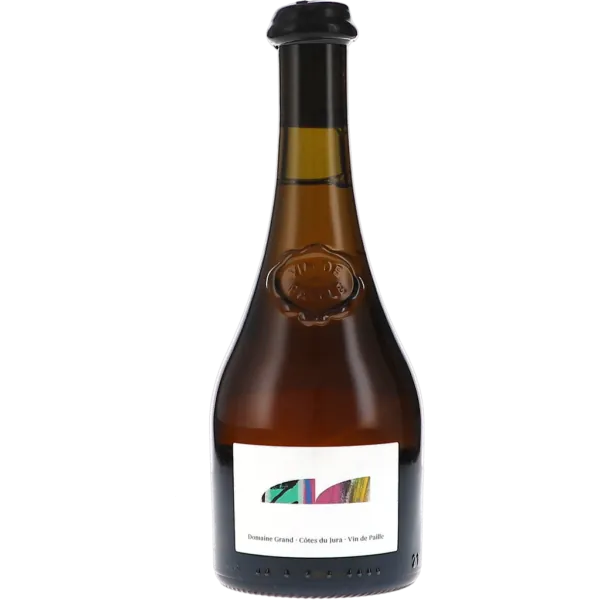
The Côtes du Jura Vin de Paille 2015 is made from grapes dried on straw, a laborious process that yields concentrated sweetness without heaviness. Honey, dried apricots, a balance of sugar and acidity that makes any dessert wine look old.

Art on the bottle, craft in the glass
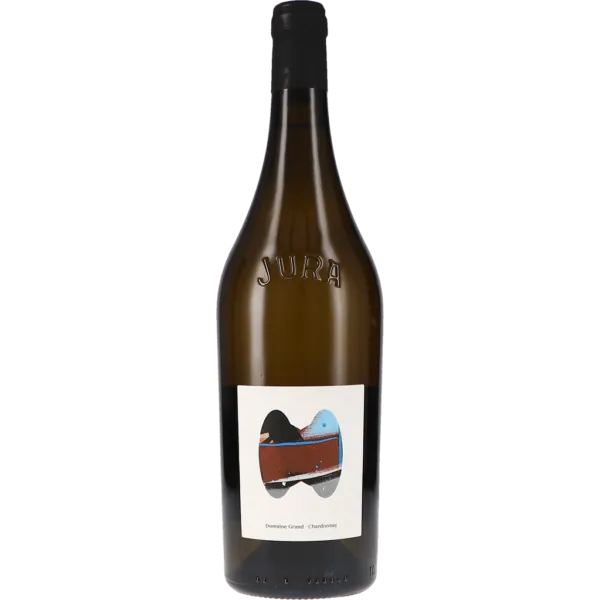
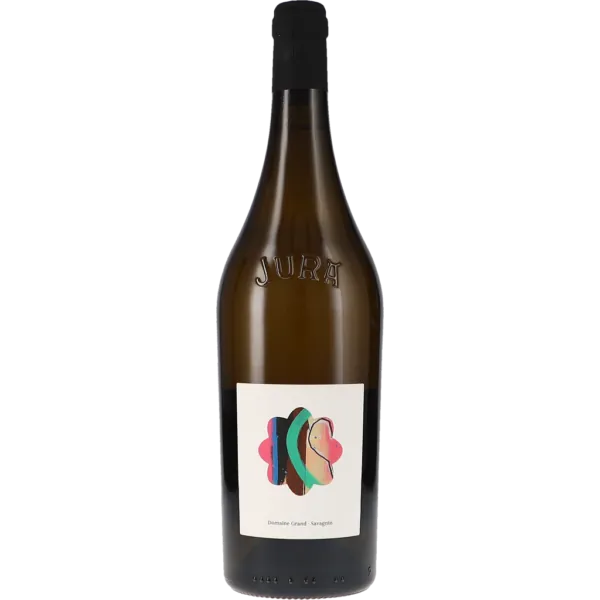
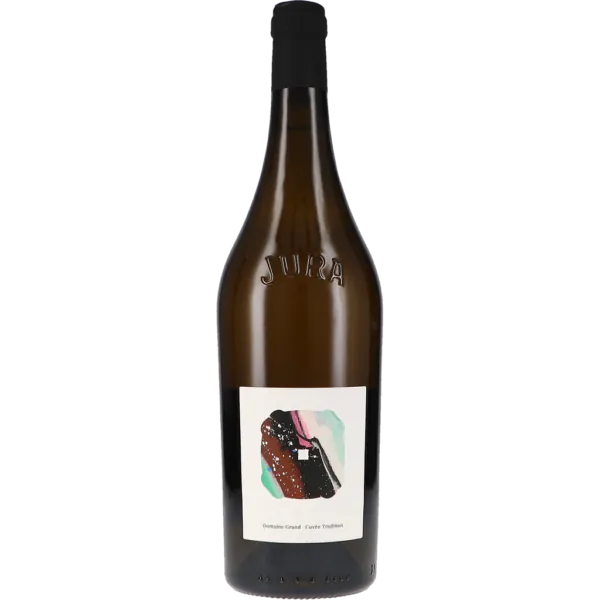
The labels are designed by the French artist Bast, fitting for wines that are art themselves. The domaine bottles around 45,000 bottles a year, each one an argument that less is sometimes decidedly more. Emmanuel and Nathalie have turned a long-established estate into a modern one without cutting its roots. Their wines taste of the Jura, of precision, of a region that is finally getting the attention it deserves.