
On the calcareous clay soils of the Penedès, Xarel·lo, Macabeu and Parellada retain a taut acidity even in the warmth of the Mediterranean, giving rise to Cava through a second fermentation in the bottle. Every sparkling wine on this page comes from organic or biodynamic viticulture: organic Cava from Alta Alella in the hills above Barcelona and from Vins El Cep in the Alt Penedès, alongside the wines of Recaredo and Gramona from Sant Sadurní d'Anoia, which today are released under the name Corpinnat. The selection ranges from the unsulphured AUS Bruant Brut Nature 2022 to single-vineyard cuvées aged on their lees for over a decade, and most of the wines are bottled as Brut Nature with no dosage.
More about Cava
Organic Cava from Penedès and Alella
Cava is a designation of origin for sparkling wine made by the traditional method: the base wine undergoes a second fermentation in the bottle, matures there on the lees and is then disgorged. Most of it grows in Penedès, south-west of Barcelona, with Sant Sadurní d'Anoia as the centre of the cellars. What matters for organic Cava is what the 2020 reform laid down: since then the aged categories Reserva, Gran Reserva and Paraje Calificado must come entirely from organic farming. All four houses we stock work organically, and Recaredo and Gramona have for many years farmed biodynamically with preparations and compost.
Xarel·lo, Macabeu and Parellada on limestone and granite sand
The backbone variety of Penedès is Xarel·lo. It brings body, vigorous acidity and notes of fennel, citrus peel and herbs, and it withstands long periods on the lees over many years. Macabeu gives fine white fruit, Parellada from higher sites floral scent and freshness. On the lime-rich clay soils of the Alt Penedès the wines become taut and saline. In Alella, right on the coast in the Serralada de Marina nature park, the vines grow on weathered granite sand, which the Catalans call sauló. There Alta Alella grows its Cavas from Xarel·lo, Chardonnay and the red Mataró, which as a Rosé Brut Nature smells of strawberry and raspberry.
Cava, Corpinnat and Clàssic Penedès: what the label says
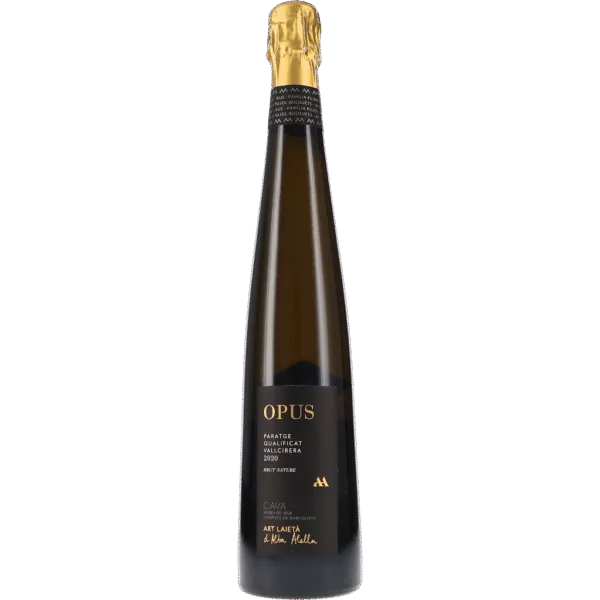
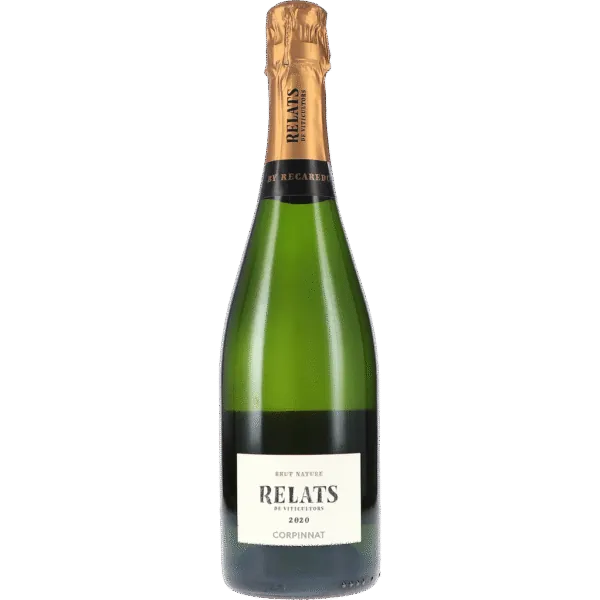
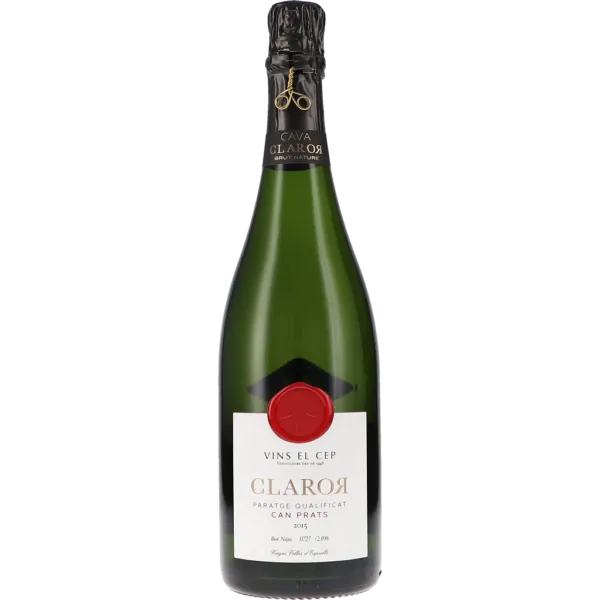
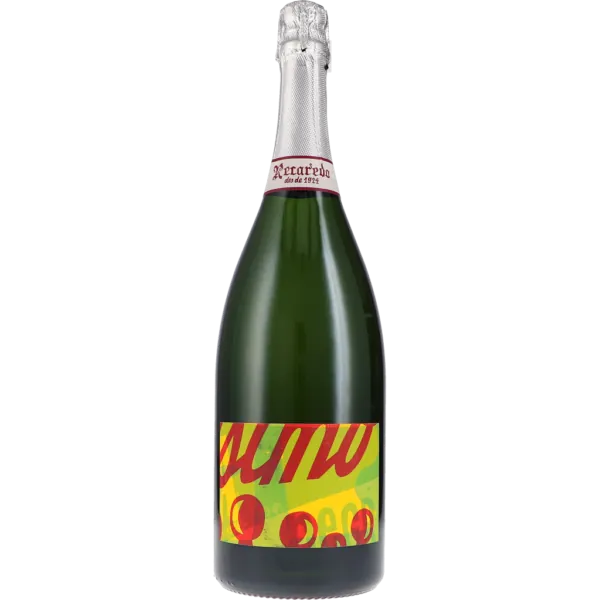
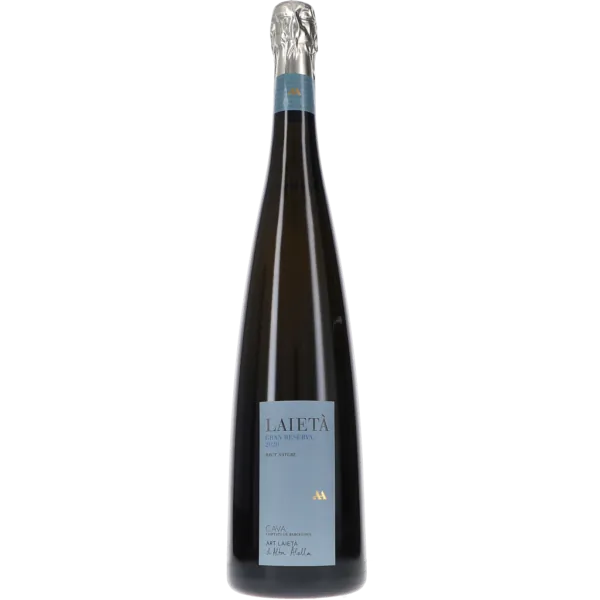
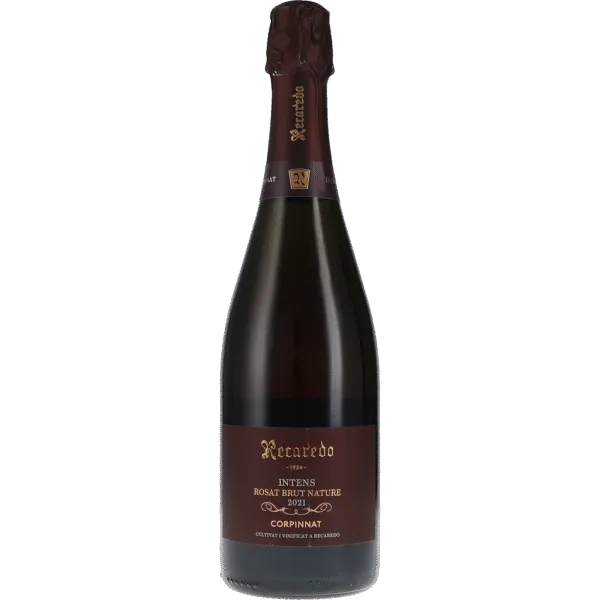
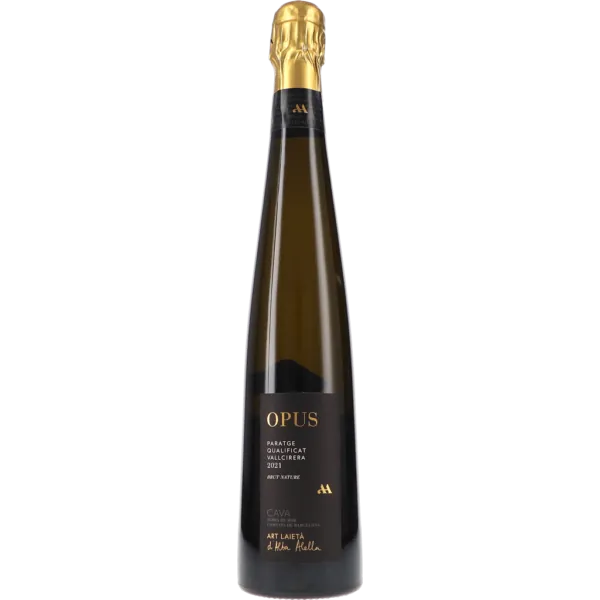
Anyone looking for Recaredo or Gramona will no longer find the word Cava on the label. In 2019 both houses left the DO Cava along with other family estates from Sant Sadurní and now bottle their wines as Corpinnat. The rules of this brand require organically grown, hand-picked grapes from the heart of Penedès and vinification on the estate itself. A second route is Clàssic Penedès within the DO Penedès, also with an organic requirement. Alta Alella remains with Cava: the single vineyard Vallcirera is among the first vineyards with the rank of Paratge Qualificat, the highest tier of the designation. We stock all these wines together here because landscape, varieties and bottle fermentation unite them.
From pét-nat to a decade on the lees
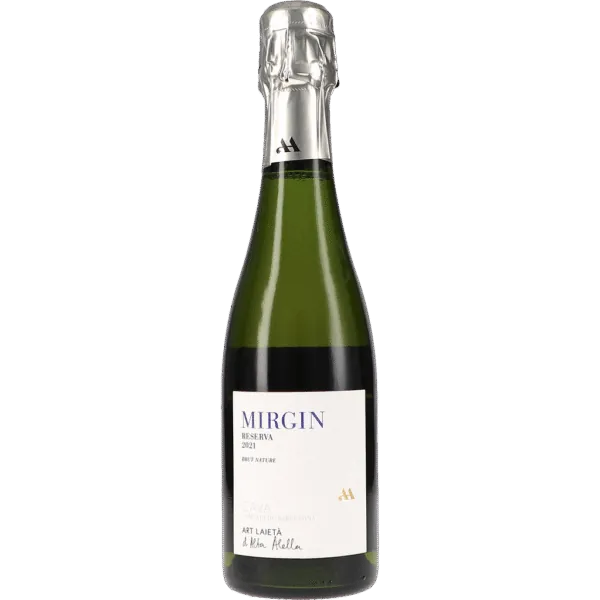
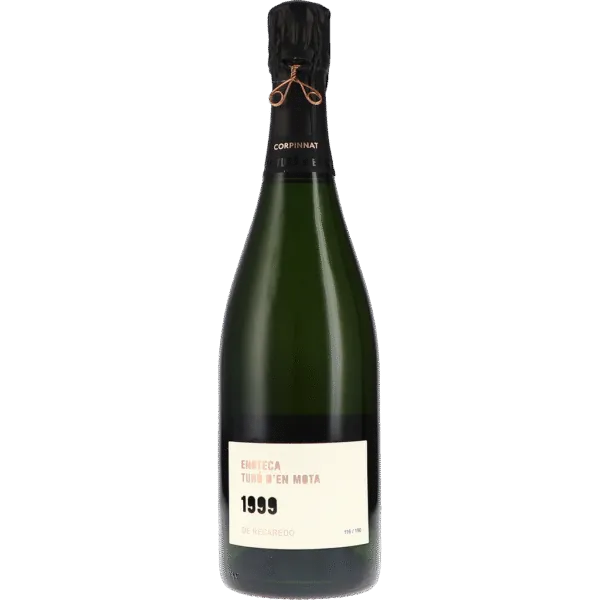
The ageing categories explain the style. A Cava Reserva spends at least 18 months on the lees, a Gran Reserva at least 30, a Paratge Qualificat at least 36. Alta Alella's AUS Bruant Brut Nature 2022 is pure Xarel·lo without added sulphur, with a lively, fine mousse. The Mirgin Reserva is also available as Mirgin Reserva Brut Nature 2021 in the 375 ml bottle, just right for an aperitif for two. At the other end are Gramona's Enoteca wines and Recaredo's Turó d'en Mota, a single-vineyard Xarel·lo that matures for more than ten years on the lees and shows deep, saline minerality. Then there are the pét-nats from Alta Alella and Vins El Cep, which form their bubbles in a single fermentation in the bottle. The selection above shows which style suits the occasion.