

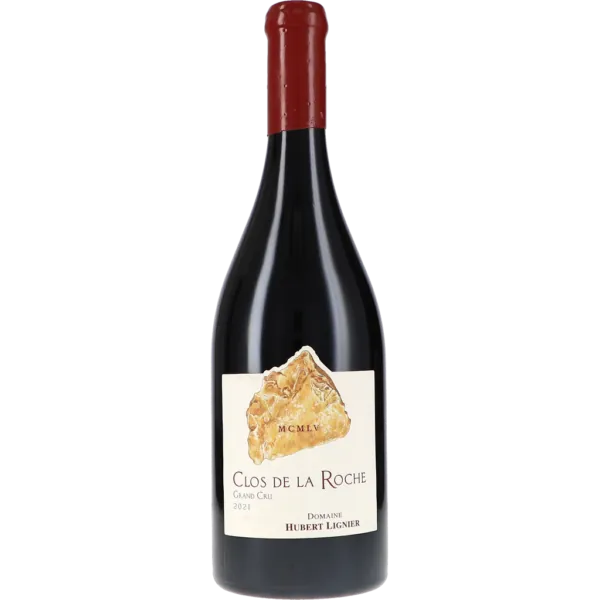
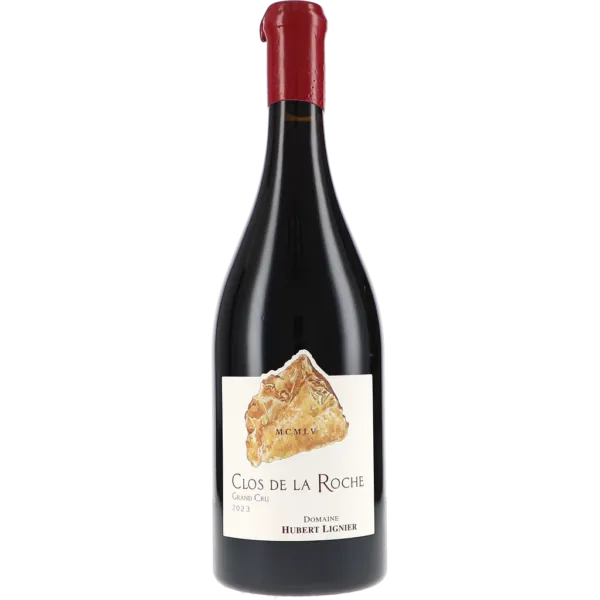
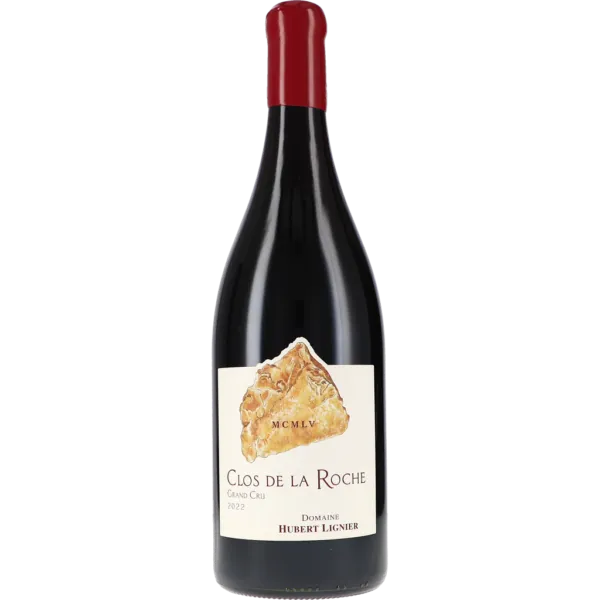
One of the estate’s most sought-after labels bears a year in Roman numerals: MCMLV – 1955. That is how long the vines have been rooted from which Domaine Hubert Lignier crafts its most celebrated Clos de la Roche. The Lignier family has been cultivating Pinot Noir in Morey-Saint-Denis since the 1880s; today, Laurent Lignier leads the estate in the fifth generation. His brother Romain, a much-acclaimed talent, died in 2004 at just 34 – a rupture the domaine has borne without losing its signature style: Grands and Premiers Crus of cool clarity, organically produced and gently aged in wood.
≈ Food: Oyster≈ Food: Seafood
In all wines: 261 Wines
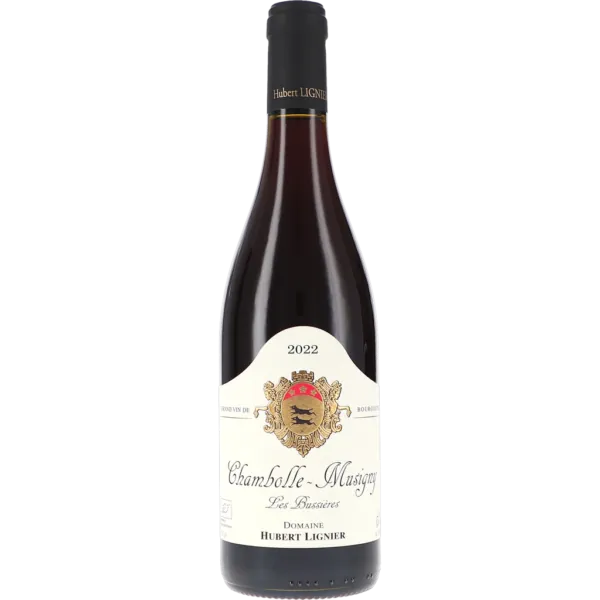
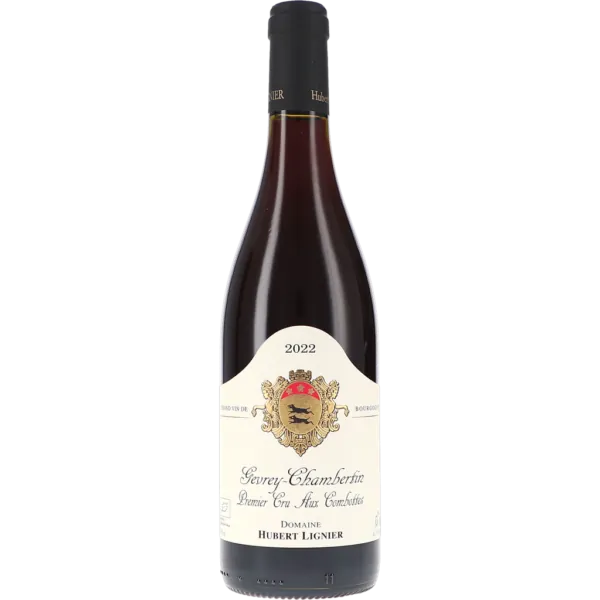
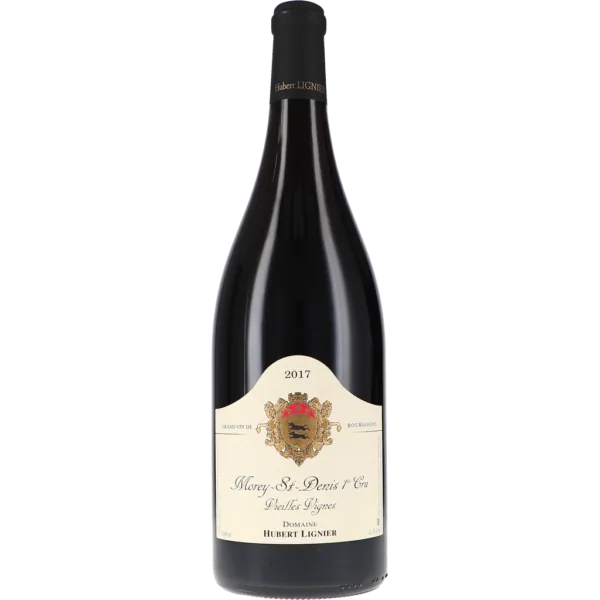
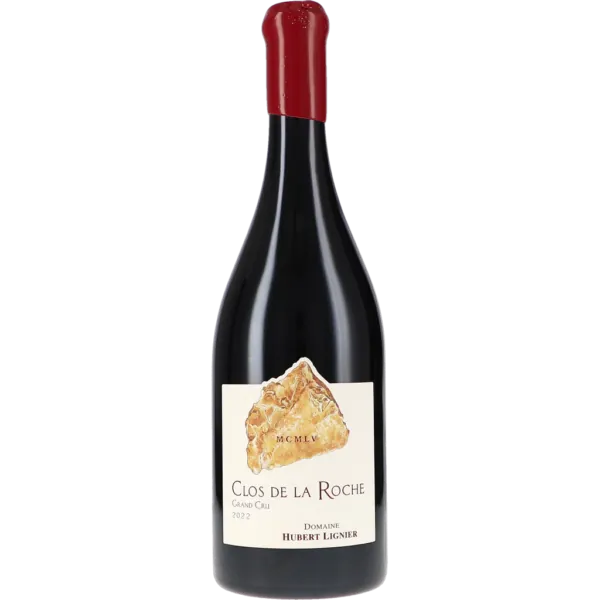
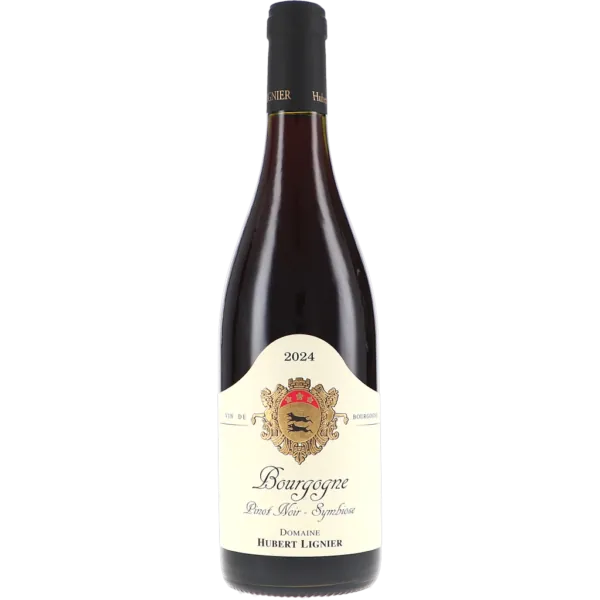
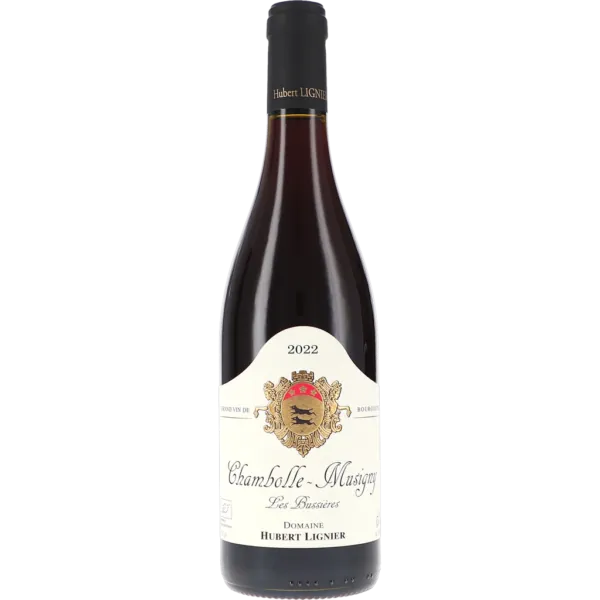
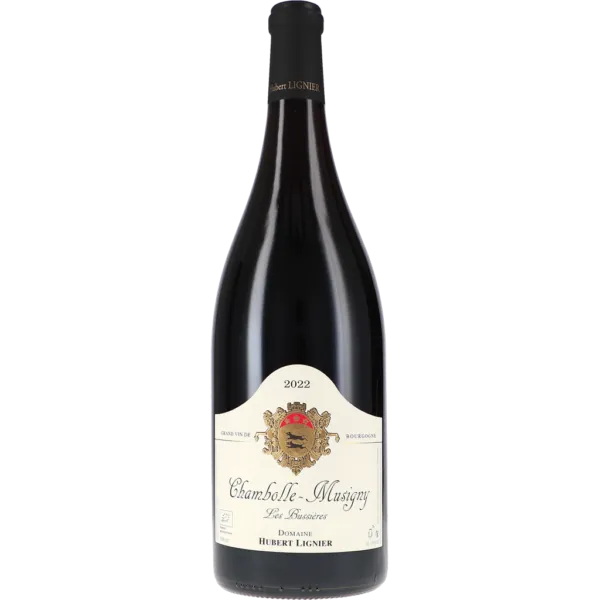
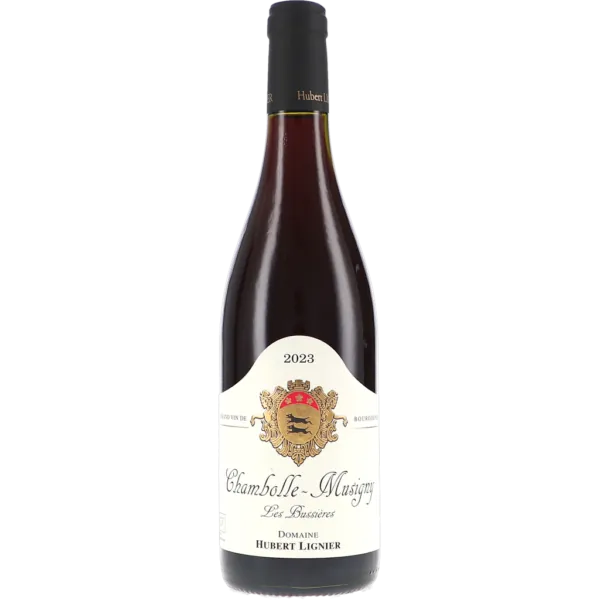
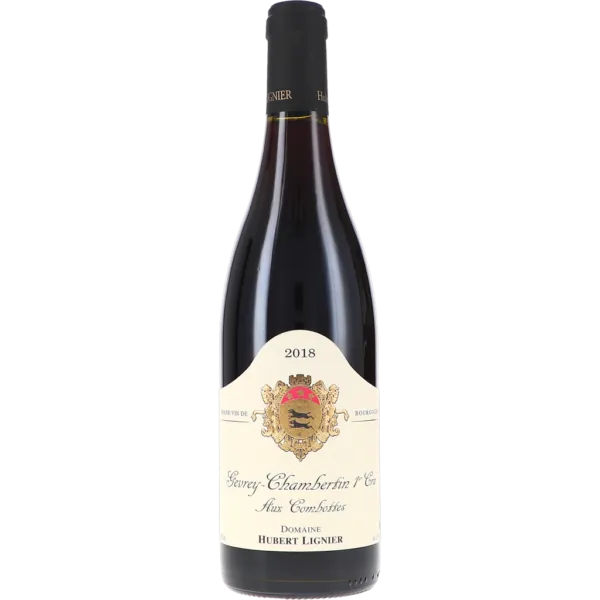
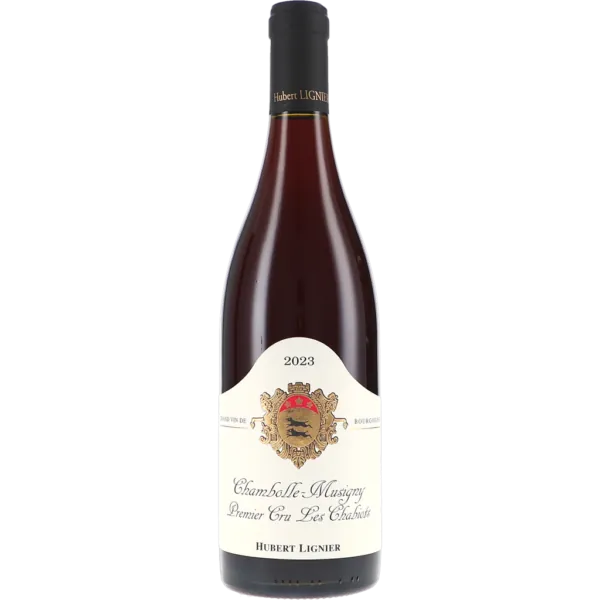
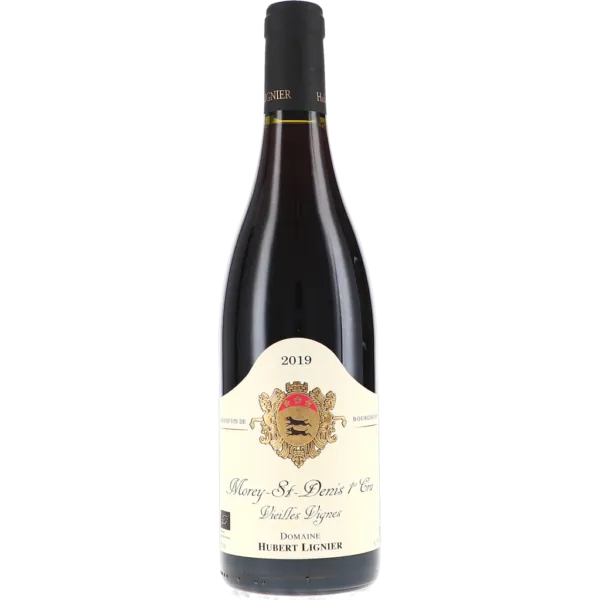
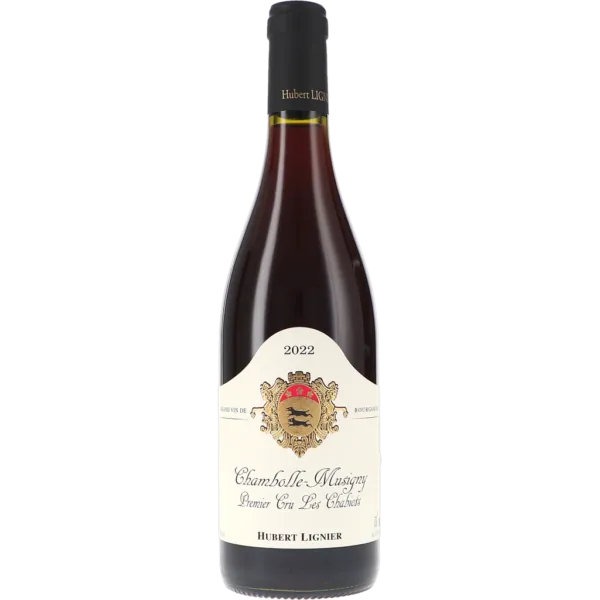
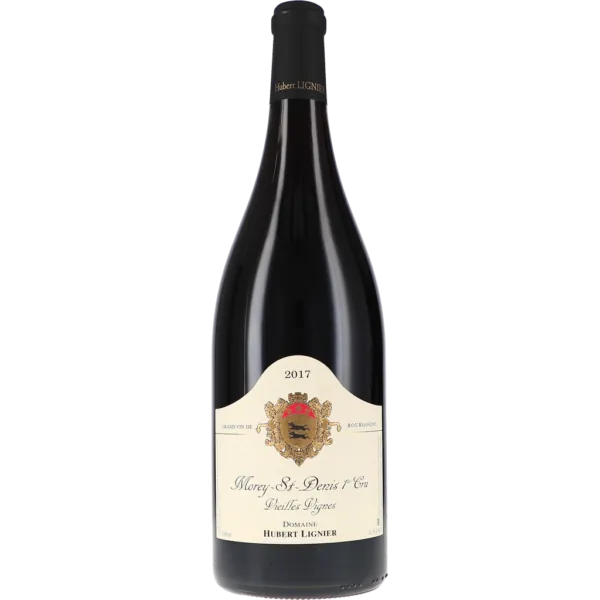
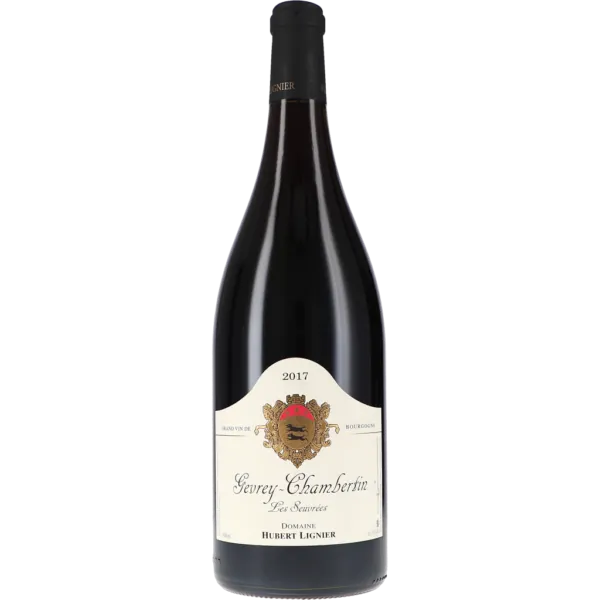
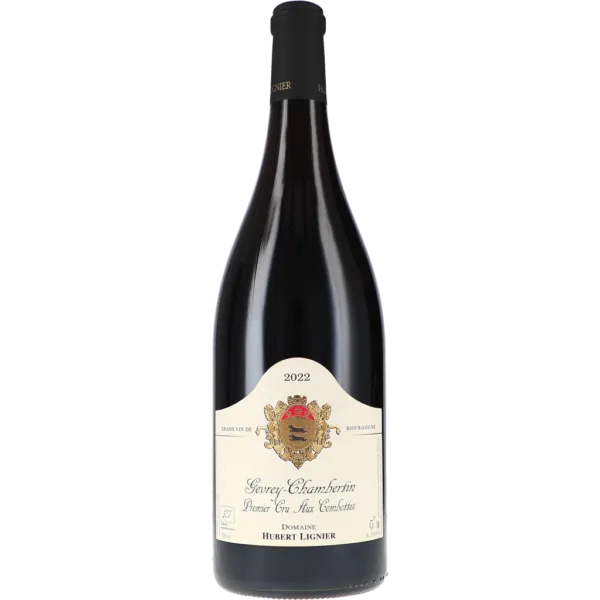
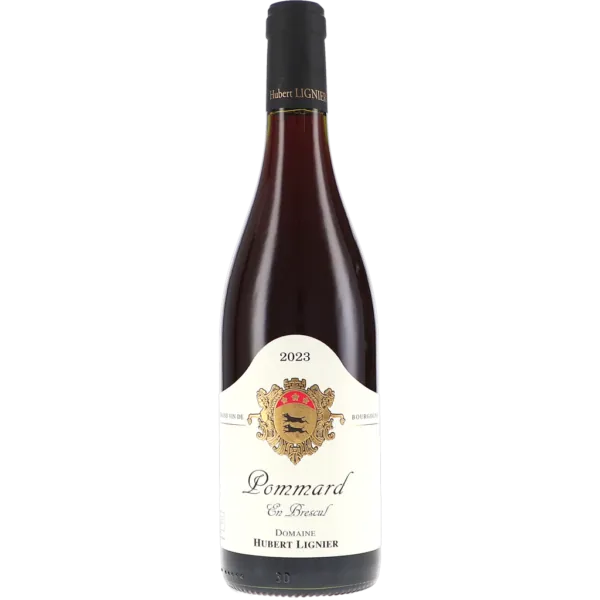
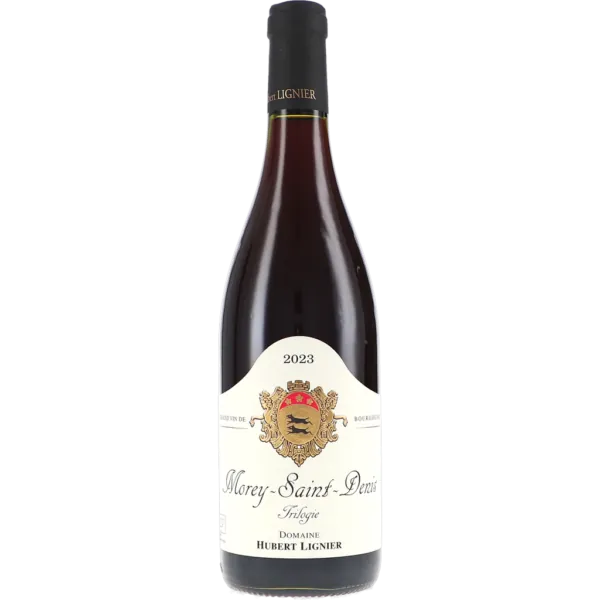
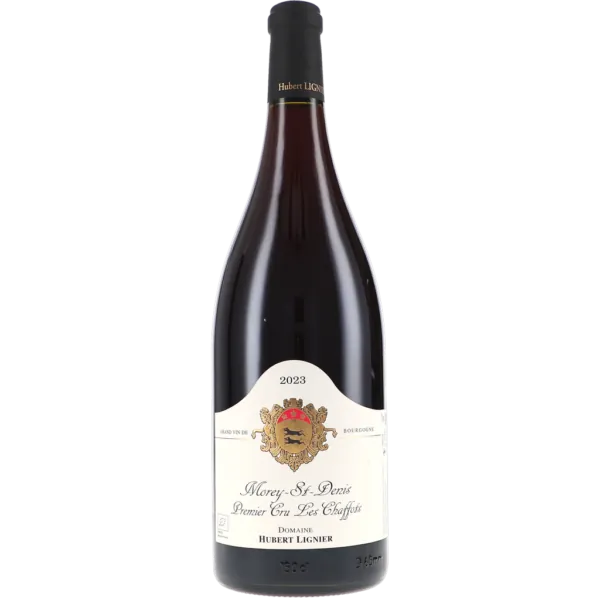
More about Hubert Lignier
Twenty-seven rows from 1955
In the Monts Luisants climat, at the upper edge of the Grand Cru Clos de la Roche, stand twenty-seven rows of vines planted by Henri Lignier in 1955. They are the genetic origin of this estate: from their wood, Henri propagated his remaining parcels vine by vine through massal selection in the 1960s. Whoever drinks a Lignier wine today drinks a lineage that began in these rows.
The old vines tend towards millerandage – they bear tiny, often seedless berries of enormous concentration. Since 2017, Laurent Lignier has bottled the harvest of this parcel separately as the cuvée “MCMLV” – Roman numerals for 1955, a tribute to his grandfather. There are barely two barrels per vintage; the bottle ranks among the most sought-after Pinot Noirs of the entire Côte de Nuits.

A family from Morey
The story begins in the 1880s. Jacques Lignier, a chef de culture at another estate, bought parcels that phylloxera had rendered worthless back then – land nobody wanted any more. His son Jules patiently replanted it, and via Henri the property finally passed to Hubert Lignier, who took over the management in 1959.
In 1973, in the midst of a sales crisis, Hubert made a decision that would shape the estate: he bottled his wines himself instead of selling them in barrel to the trade. The anonymous grape supplier became an address with its own name – and with every decade new vineyard sites were added across the Côte de Nuits: Morey-Saint-Denis, Chambolle-Musigny, Gevrey-Chambertin, plus Clos de Vougeot.
Romain, and the legacy that lives on
In 1992, Romain Lignier, the youngest of three siblings, joined his father. The two began ploughing the soils again, and Romain’s wines quickly found admirers far beyond Burgundy. He died in 2004, just 34 years old. The years that followed were difficult – for the family and for the estate.
Laurent Lignier, Romain’s brother, picked up the thread. He had learnt his craft elsewhere, including at the Beaune house of Albert Bichot, before returning to Morey in 2004. By 2013 he had brought the domaine back together and has run it ever since – the fifth generation on the same land.
Gravity instead of pressure
Laurent quietly changed the way things were done. From 2007, synthetic treatments disappeared from the vineyards; in 2019 the estate obtained organic certification. The cellar in Morey, moved into in 2008, works solely by gravity – no pump touches the wine, from the must through to bottling. Fermentation is preceded by long, cool maceration periods; the proportion of whole bunches has grown over the years, while new wood has been deliberately reduced and spread across four cooperages so that no single barrel dominates the wine.

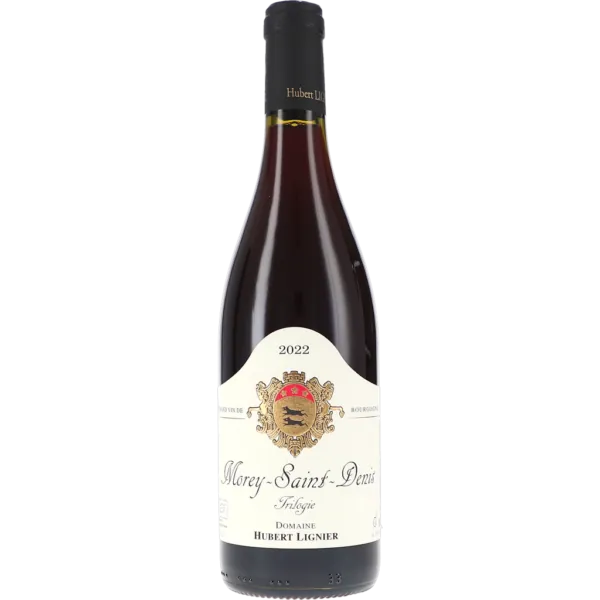
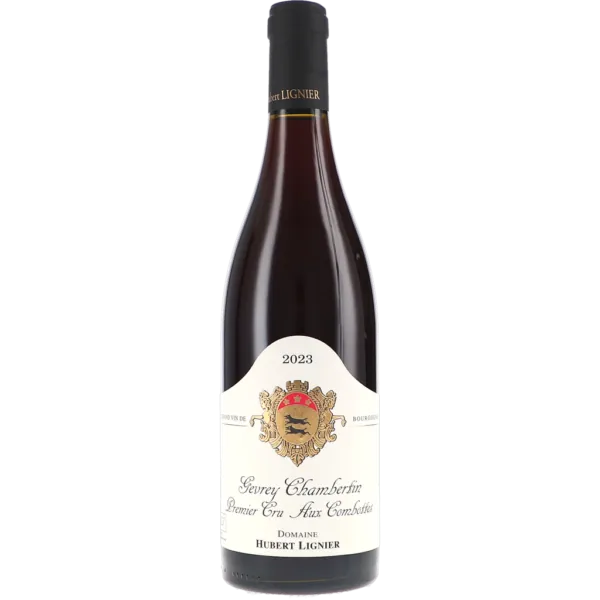
This is how Pinots of cool precision are born – finely delineated, elegantly structured, built for length and clarity. The range extends from the accessible Morey-Saint-Denis to the great crus: the Clos de la Roche Grand Cru as the centrepiece, alongside Charmes- and Mazoyères-Chambertin and the Gevrey-Chambertin 1er Cru Aux Combottes – that single Premier Cru island in the middle of the band of Grands Crus, wedged between Clos de la Roche and Latricières-Chambertin, which the neighbouring family Trapet Père & Fils farms. If you wish to get to know the house without reaching straight for a Grand Cru, you will find the estate’s signature in miniature in the Morey-Saint-Denis 1er Cru “Les Chaffots”: cool fruit, fine-grained tannins and a long, clear finish.