
Between Mâcon and Lyon, the slopes of Beaujolais descend eastwards towards the Saône, and in the north the vines are planted on weathered pink granite, schist and blue volcanic rock. Here, almost exclusively Gamay is grown, a variety that yields vividly fresh, finely structured red wines with notes of sour cherry, violet and cool spice on these poor soils. In Morgon, winemakers began working with wild yeasts and without added sulphur in the early 1980s, and to this day these villages produce a particularly high proportion of serious, organic Beaujolais natural wines. Our selection comes from the northern crus, from Fleurie and Morgon to Juliénas and Saint-Amour.
≈ Food: Duck≈ Food: Poultry
In all wines: 672 Wines
More about Beaujolais
Granite, schist and the ten crus of Beaujolais
Beaujolais divides into two landscapes. In the south, around the villages of the Pierres Dorées, limestone and clay shape the gentler hills. In the north the hills rise more steeply, and on granite and schist lie the ten crus, each an appellation in its own right: Saint-Amour, Juliénas, Chénas, Moulin-à-Vent, Fleurie, Chiroubles, Morgon, Régnié, Brouilly and Côte de Brouilly. The pink granite of Fleurie gives fragrant, floral wines, while Moulin-à-Vent grows on granite veined with manganese and yields the region's longest-lived Gamays. In Morgon the rock of the Côte du Py crumbles into a friable, iron-rich soil that gives the wines cherry fruit and depth, and on Mont Brouilly the vineyard sits on hard blue volcanic rock. Chiroubles reaches the highest and stays correspondingly cool and slender.
Gamay fermented whole: carbonic maceration with patience
Gamay is thin-skinned, early-ripening and rich in juice. In Beaujolais it is traditionally picked by hand, because the grapes go into the fermentation vat as whole, intact bunches. Under a blanket of carbon dioxide, fermentation first begins inside the berries; only later do the skins burst, and the must continues to ferment with its wild yeasts. In its serious form this carbonic maceration often lasts two to three weeks, after which the wines mature in large wooden casks. This produces dense, silky crus that gain in spice over the years, while Beaujolais Nouveau, which leaves the cellars every November, shows the early, cheerful side of the same grape.
How natural wine in Beaujolais was born in Morgon
From the middle of the 20th century, the chemist and wine merchant Jules Chauvet researched wild yeasts and whole-bunch fermentation and argued for doing without added sulphur. Marcel Lapierre took up these ideas in Morgon in the early eighties and found allies in a small group of winemaker friends. They worked with healthy grapes from living, ploughed soils, with spontaneous fermentation and without filtration, and so created the model for modern natural wine far beyond France. To this day Beaujolais is the region where organic farming and natural wine belong together most naturally.
Climats from Fleurie, Juliénas and Moulin-à-Vent
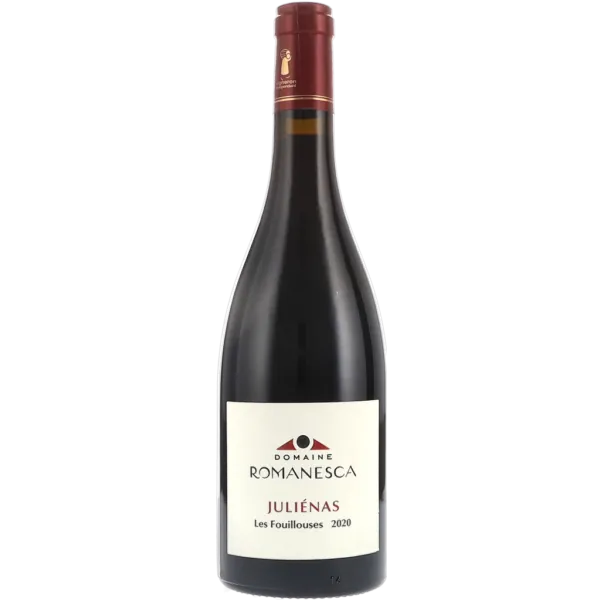
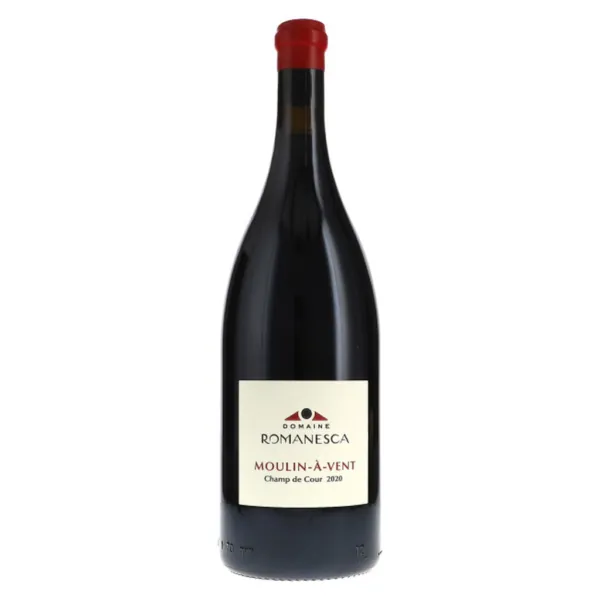
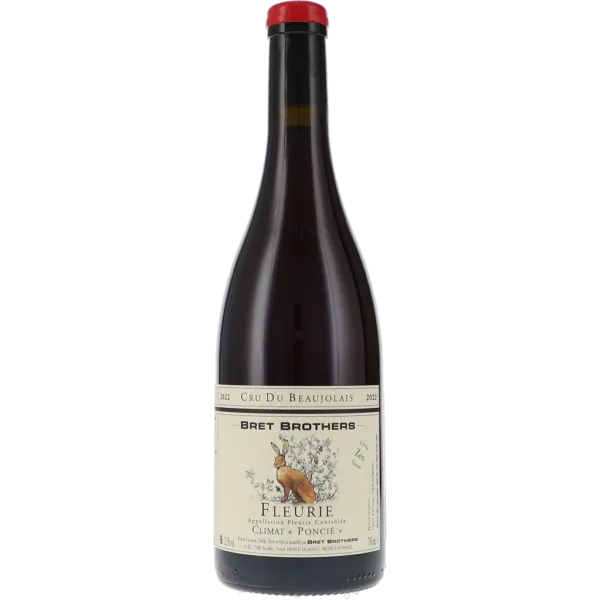
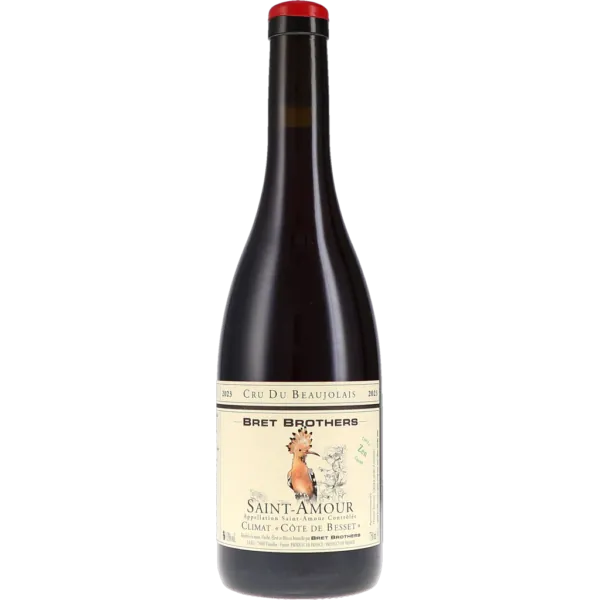
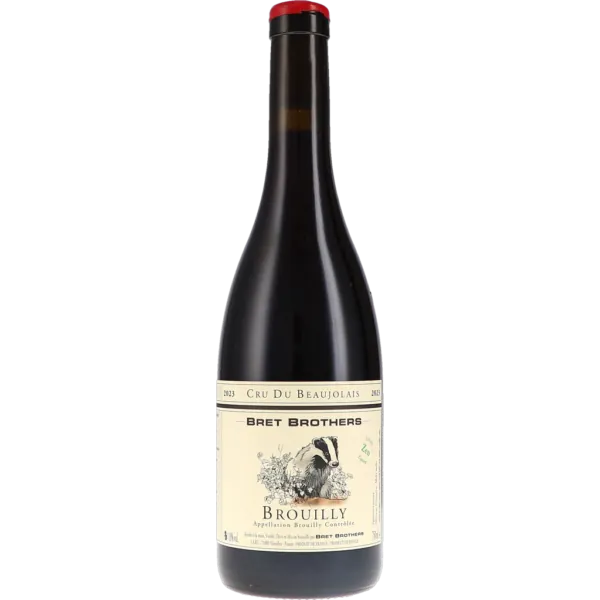
In their Zen range, the Bret Brothers make Gamay from the grapes of partner growers who work organically and biodynamically, unfiltered and made as natural wine. The Fleurie Climat "Poncié" is floral and fresh, with wild raspberry and cool elegance, while the Juliénas "La Bottière" matures in Burgundian pièces, where it gains flesh and density. Domaine Romanesca from Fleurie bottles its crus parcel by parcel: the Romanesca Morgon "Château Gaillard" AOC 2020 combines dark cherry with the cool minerality of granite, and the Moulin-à-Vent "La Rochelle" shows the power of its terroir. Anyone wanting to get to know the serious side of Beaujolais will find a good starting point in these wines.