

Amidst oak forests and wild meadows lies Clos Troteligotte – 16 hectares of vineyards like an island in the green. Emmanuel Rybinski took over the family estate from his father in 2004 and found here a place where Malbec is allowed to show finesse.
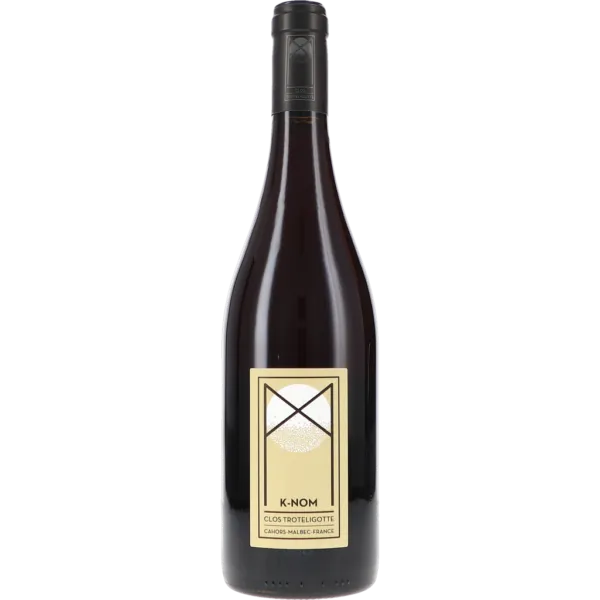
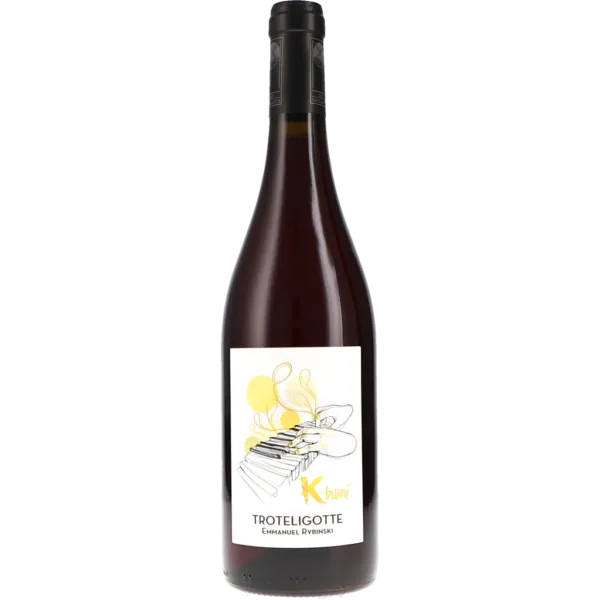
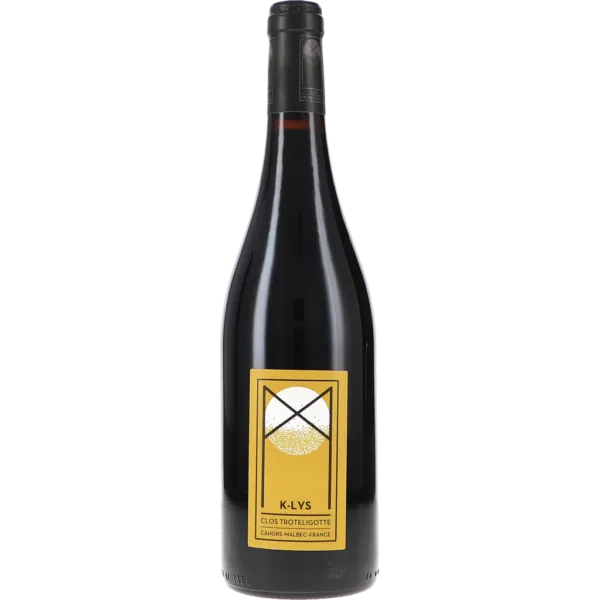
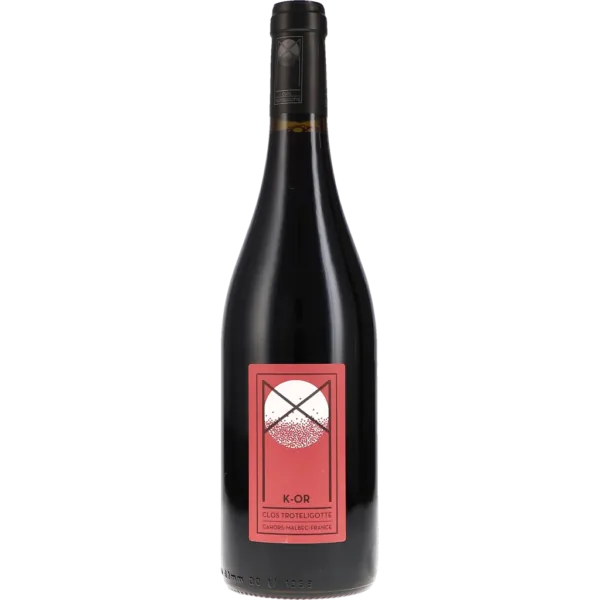
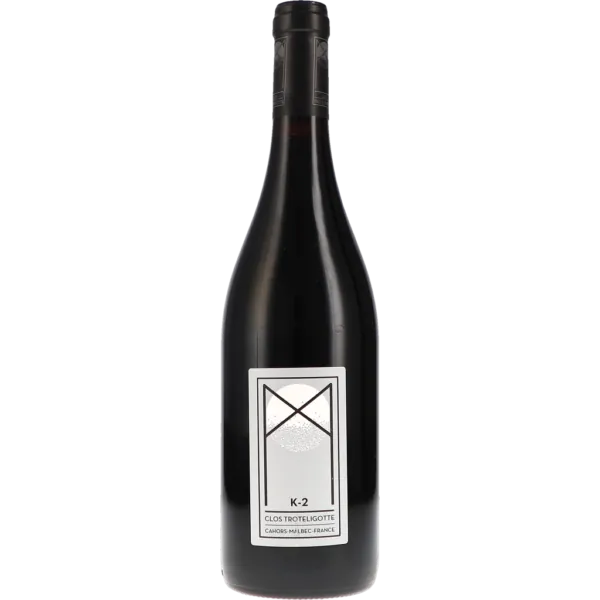
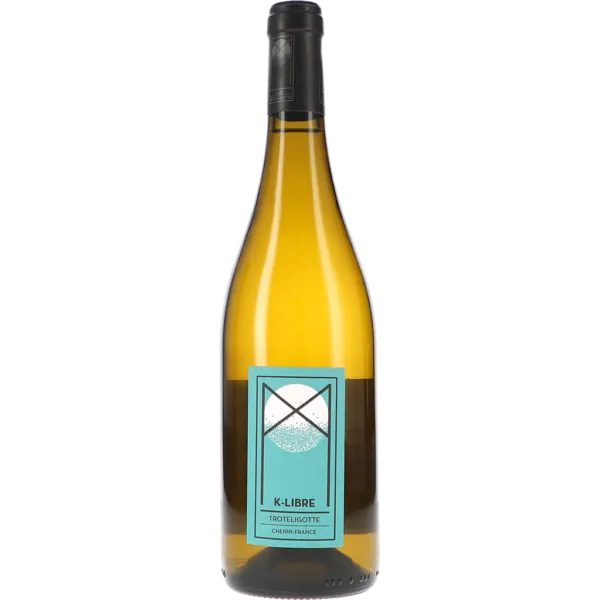
Since 2017, the estate has been working according to Demeter guidelines; four years later it received the Biodyvin label. The wines bear names such as K-nom or K-or – a play on the letter K that Emmanuel devised for his various cuvées. Many of them are made without added sulphur.
≈ Aroma: Cherry
In all wines: 2,843 Wines
More about Clos Troteligotte
A Clearing in the Forest
The location of Clos Troteligotte is special for Cahors: the 16 hectares of vineyards are surrounded by forest, a natural protective belt of oak trees and wild meadows. Trees also stand within the plots themselves, following the principle of agroforestry. Sheep and pigs graze between the rows, wildflowers attract insects. Emmanuel Rybinski uses this isolation – fewer interventions are needed here, nature regulates itself. The Malbec, called Côt here, roots deeply in the limestone and iron-rich soils of the Causse du Quercy Blanc. The Kimmeridgian limestone and siderolithic soils are geologically related to Chablis and give the wines a minerality and depth unusual for Cahors.

An Alphabet of Its Own
K-nom, K-or, K-lys, K-barré – Emmanuel has developed his own naming system for his wines, playing with the French word "Cahors". Each letter represents a cuvée with its own character: K-nom is the classic Cahors, K-or brings more body, K-lys shows the floral side of Malbec. The wordplay is intentional – this is someone who likes to give his wines a touch of humour. The labels of the VdF wines, designed by a German artist, are as individual as the wines themselves.
Biodynamics in the South-West
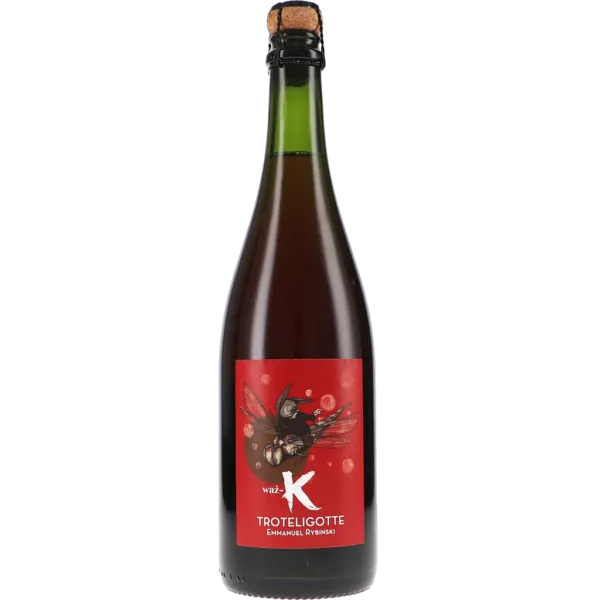
Clos Troteligotte has farmed biodynamically since 2017. This way of farming, which respects all that lives, shows in the detail: horn manure and horn silica, compost teas, preparations made in-house, spontaneous fermentation in the cellar. Emmanuel came to wine quite naturally: after a few years studying oenology abroad, in 2004 he joined his father Christian, who had revived the family vineyard in 1987; organic certification followed in 2014. Many wines are made without added sulphur, such as the Merlot-based pét-nat Waz-K, a little surprise in Malbec country.

Malbec with Drinkability
Cahors often stands for powerful, tannin-driven red wines – the historic "black wines" once prized in Bordeaux for blending. Emmanuel Rybinski takes a different path: his Malbecs are sometimes dark in colour, but show freshness and drinkability. Fermentation can take place with whole bunches, maturation in large casks known as foudres and in concrete tanks. Those seeking similarly rigorous biodynamics will find it at La Soufrandière in Burgundy, for example. Here as there, the principle holds: the effort in the vineyard makes the difference in the glass.