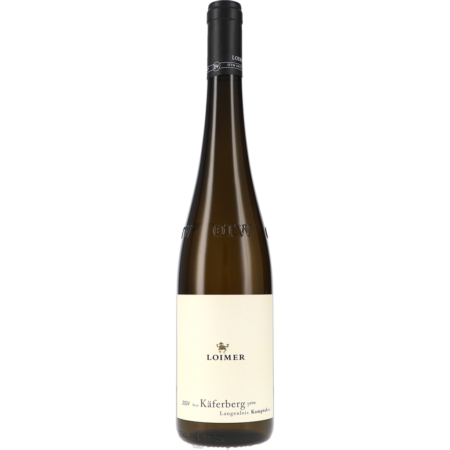
Tasting note
Sometimes the most exciting thing to leave an estate never makes it into a bottle – at least not as wine. Fred Loimer, the man behind the black cube in Langenlois, presses his grapes here before they are even ripe. The result is Verjus, the “green juice” of the Middle Ages: an acidulant older than the European lemon trade that has long since been celebrating its return in fine dining.
- Colour & appearance
- Radiant golden yellow with delicate rosé reflections – clear and luminous in the glass.
- Nose
- Fresh grapes, lemon and vineyard peach, above them an entire meadow of blossoms and grasses. Alongside elderflower and a sweetly fresh note of blossom honey that feels seductive without ever being sweet.
- Palate
- Crisply fresh on the tongue: plenty of citrus, a distinct herbal note, green apple and apple skin. The acidity is lively and appetite-stimulating – pure or diluted at a ratio of 1:10, a refreshing, alcohol-free companion to food.
- Finish
- Clean and citrus-fresh, with a green-apple aftertaste that clears the palate and sharpens the appetite.
- Terroir & origin
- From the Kamptal in Lower Austria, where cool Waldviertel air from the north meets Pannonian warmth from the south and the soils range from primary rock through loess to volcanic rock. The Loimer estate in Langenlois is one of the region’s defining producers; Fred Loimer has farmed biodynamically since 2006 and is a co-founder of respekt-BIODYN.
- Grape variety & vinification
- Unripe green grapes, harvested from late July to early August, just before the berries begin to soften. After pressing, the lees are briefly left to settle, followed by gentle filtration, pasteurisation and bottling. No fermentation, no alcohol – pure grape juice with natural acidity.
- Food recommendations
- A versatile kitchen tool: for deglazing pan dishes, as a fine acidity in salad dressings, for pickling fruit and vegetables or as a base for alcohol-free aperitifs. Wherever lemon or vinegar would be too coarse, Verjus adds a more elegant accent.
- Special features
- A piece of culinary history from a top estate: in the Middle Ages, Verjus was known as “Agrest” and was standard fare in kitchens and medicine, falling into oblivion with the arrival of the lemon – and experiencing its rebirth here. Instead of aggressive acetic sharpness, it delivers a soft, fruity acidity that brightens dishes without overpowering them.
Those who know Loimer only for Veltliner and sparkling wine will discover the estate’s quieter side here: the same commitment to quality, just without a single gram of alcohol.