Aubergine, tomato, cheese – which wine pairs best?
The perfect companion to the Italian classic
Parmigiana di Melanzane – fried aubergines, spiced tomato sugo, melting mozzarella and golden-brown gratinated Parmesan. A dish with character that calls for wines of equal personality.

In short — which wine with Parmigiana? The first choice is a fresh, acidic Italian red such as Barbera — its acidity mirrors the tomato sugo and cuts through the mozzarella and Parmesan crust. For something lighter, opt for fresh whites or rosés from southern Italy.
Parmigiana is one of those dishes that are more than the sum of their parts. Frying renders the aubergine almost meaty, the tomato sugo brings acidity and depth, the melted mozzarella provides creaminess and the gratinated Parmesan that irresistible crust. A complex interplay of aromas that demands a worthy wine partner.
The rule of thumb: acidity against fat, fruit against tomato, tannin against umami. The best companions are red wines with good acidity and medium body. Yet surprising combinations such as amphora-aged rosé or mature Cava can also thrill you – provided you know what matters.
Our nine recommendations cover every occasion: from an easy weekday meal to a festive menu. All the wines come from winemakers we know personally – authentic, artisanal and full of soul.
Italian classics

Parmigiana di Melanzane is a classic of southern Italian cuisine – and deserves wines that honour this tradition. The combination of fried aubergines, spiced tomato sugo, melting mozzarella and gratinated Parmesan calls for red wines with acidity, fruit and structure.
Piedmontese wines are the pinnacle here: Barbera brings the acidity needed to cut through the richness of the dish, while Nebbiolo (as Barbaresco) perfectly complements the earthy aromas of the aubergine with its tannins and complexity.
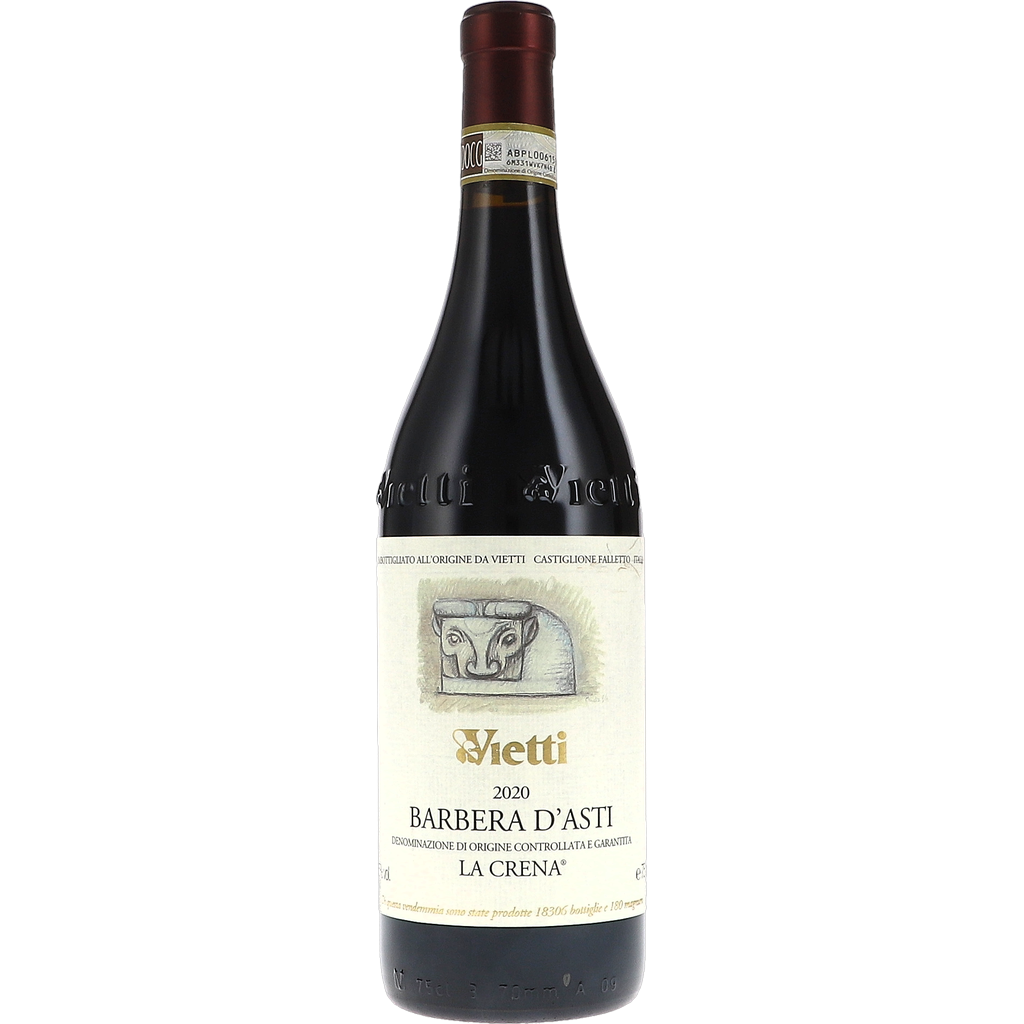
Barbera d’Asti DOCG “La Crena” 2020
Juicy Barbera from Piedmont with vibrant acidity and aromas of amarena and plum. Its freshness cuts perfectly through the richness of the Parmigiana.

Currá Barbaresco DOCG 2019
An elegant Barbaresco from the single vineyard Currá. Nebbiolo in its finest form: rose fragrance, red fruits and silky tannins that will only improve with time.

Barbaresco DOCG Rabajà Riserva 2019
The Riserva from the legendary Rabajà vineyard site: tea roses, truffle and a complexity that is second to none. A wine for a special moment.
Light & Fresh Alternatives

Not every evening calls for a heavy red wine. Especially in summer, or as a light supper, Parmigiana can also harmonise beautifully with fresher wines. The trick: the wine’s acidity should be able to keep pace with the tomato.
A chilled Beaujolais made from Gamay surprises with its fruity lightness. Even more surprising: an amphora rosé from Abruzzo, or even a mature Cava. The fine mousse and yeasty notes of the sparkling wine create an exciting contrast to the gratinated cheese.

Beaujolais-Villages Cuvée des Beaux Jours 2020
An uncomplicated Beaujolais with juicy fruit and refreshing lightness. Farmed biodynamically, lightly chilled it is a dream alongside summery Parmigiana.

Cerasuolo d’Abruzzo DOC Amphora 2023
An amphora-aged rosé made from Montepulciano grapes. Unusual, but brilliant: the texture and depth gained from ageing in amphorae are a surprisingly good match.

III Lustros Font de Jui Brut Nature 2017
A Cava from Gramona made of Xarello, Macabeu and Parellada, aged on the lees for over 84 months, with sourdough bread, roasted almonds, hazelnut and salty-chalky notes; slender, dry and focused. Yeasty notes and a fine mousse provide an exciting contrast to the gratinated cheese of the <strong>Parmigiana</strong>.
Special Recommendations

For special occasions or when you want to surprise your guests: these wines show that Parmigiana can do far more than merely accompany “Italian comfort food”. A German Spätburgunder, a Burgundy Premier Cru or a monumental Priorat – all of them work astonishingly well.
The common denominator: elegance and complexity. These wines have the structure to keep pace with the dish’s intense aromas, yet also the finesse not to overwhelm it. Pinot Noir in particular (whether from Germany or Burgundy) brings an earthy note that pairs perfectly with the aubergine.

Hallgartener Frühernberg VDP Erste Lage 2022
An elegant Spätburgunder from the Rheingau. Cool, precise and with that earthy note that complements aubergine so beautifully. Biodynamic, by Peter Jakob Kühn.

Beaune 1er Cru Vignes Franches AOP 2022
A Premier Cru Burgundy with finesse and depth. Red fruits, spices and that typical Burgundian elegance. A statement wine for festive occasions.

Les Manyes 2022
A monumental Grenache from Priorat. Schist soils, old vines and an intensity that stands up to even the most richly spiced Parmigiana. For wine lovers.
Frequently asked questions
What is Parmigiana di Melanzane?
Parmigiana di Melanzane is a classic southern Italian dish made from fried slices of aubergine layered with tomato sauce, mozzarella and Parmesan, then gratinated in the oven. The dish originally comes from Campania or Sicily and is now popular throughout Italy. The name derives from “Parmigiano” – the cheese that creates the crust.
Why does red wine work better than white?
The fried aubergines develop intense, almost meaty flavours that call for a wine with body. The tomato sauce brings acidity and umami, while the gratinated cheese adds fat and spice. Red wines with good acidity (such as Barbera or Gamay) cut through this richness, whilst their fruit complements the tomato flavours. White wine can work, but it often lacks the necessary structure.
Which wine goes with vegetarian Parmigiana?
Classic Parmigiana is already vegetarian! All our recommendations are a perfect match. Medium-bodied red wines such as Barbera d’Asti or Beaujolais are particularly recommended, as they have enough character without overwhelming the dish.
Does sparkling wine go with Parmigiana?
Surprisingly, yes! A mature III Lustros Font de Jui Brut Nature 2017, with its yeasty notes and fine mousse, creates an exciting contrast to the warm, cheesy dish. The carbonation refreshes the palate between bites. Give it a try – it is one of our insider tips!
How much does a good wine for Parmigiana need to cost?
Good news: Parmigiana is a rustic dish that also works superbly with affordable wines. Our recommendations start at around €17 (Beaujolais-Villages). For everyday enjoyment, that is entirely sufficient. Premium wines are above all worthwhile when the ingredients are of high quality too – San Marzano tomatoes, fresh aubergines and genuine Parmigiano make all the difference.
More wines for Italian cuisine
These 9 recommendations are our selection specifically for Parmigiana. In our shop you will find many more wines that pair perfectly with Italian cuisine – from light whites to powerful reds.
All wines for Parmigiana