
 EN
 DE
 FR
 IT
-
Massimo Lentsch
-
Case Old
-
I Vigneri di Salvo Foti
-
Marco de Bartoli
-
Occhipinti
-
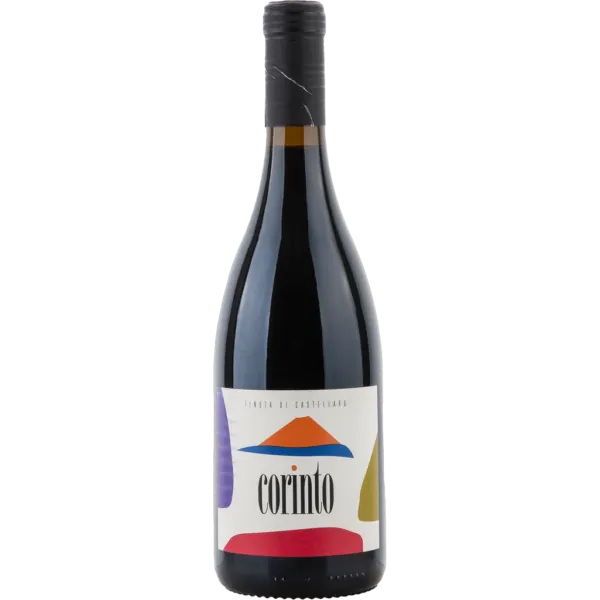
Tenuta di Castellaro
-
Vino Lauria
On the slopes of Mount Etna, old bush vines stand in black lava sand, whilst at Vittoria in the south-east, Frappato is rooted in red sand over limestone. Natural wine from Sicily comes to us from six producers who farm organically or biodynamically and, in many of their wines, employ spontaneous fermentation, bottle unfiltered and use minimal sulphur: from Etna, from the west around Marsala, Alcamo and Monreale, from Vittoria, as well as from the volcanic islands of Lipari and Pantelleria. The selection ranges from taut white wines made from Carricante, Grillo and Catarratto, through light, fragrant reds from Frappato and Nerello Mascalese, to amber-hued skin-contact wines from Zibibbo and the traditional, oxidatively aged wines of Marsala.
More about Sizilien
Natural wine from Sicily and Etna: lava sand, altitude and Nerello
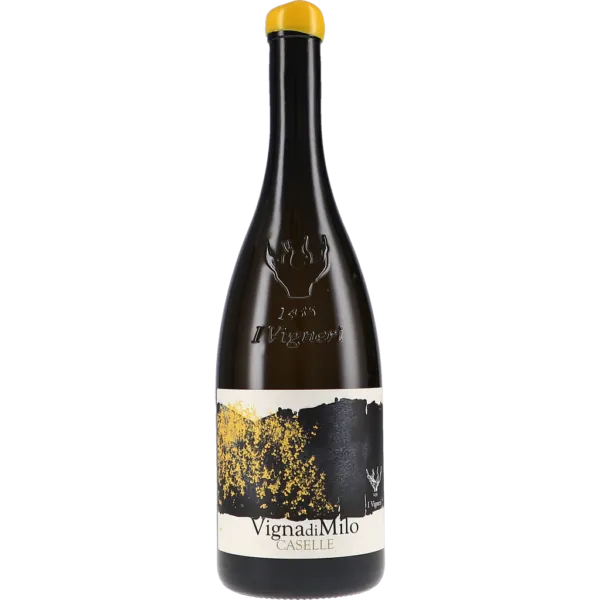
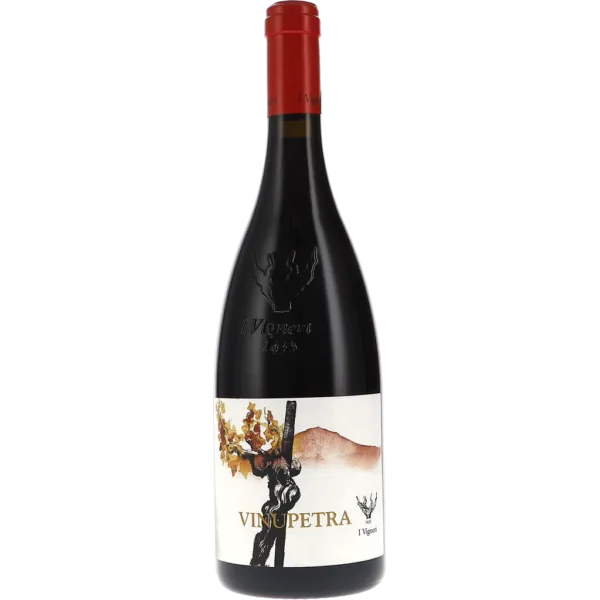
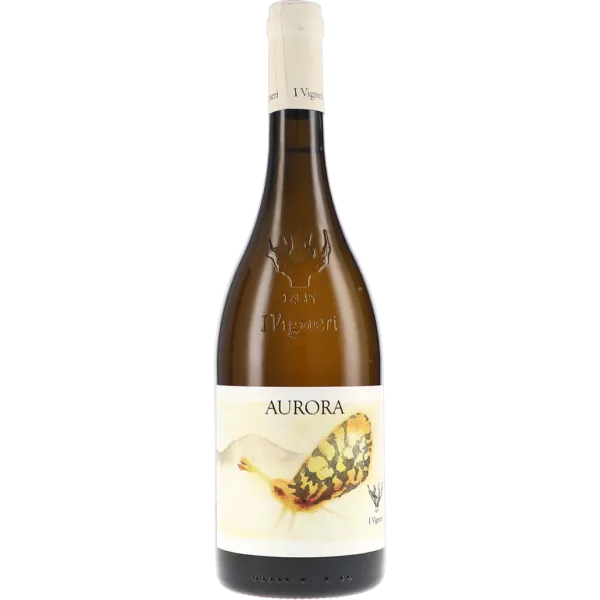
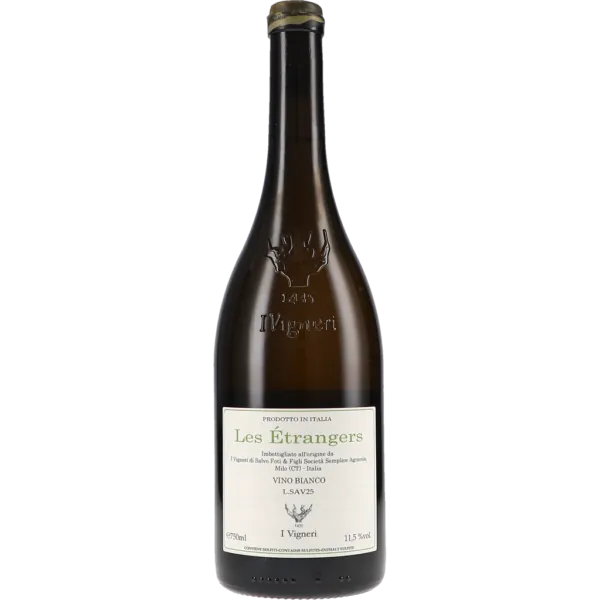
Etna is an active volcano, and its vineyards climb its northern, eastern and southern slopes to altitudes of around 1,000 metres. Cool nights and lava sand give the wines a taut freshness. The principal red variety is Nerello Mascalese, pale in colour, with sour cherry, rosehip, smoke and fine-grained tannin; Nerello Cappuccio adds colour and softness. Among the whites Carricante leads the way, high in acidity with citrus, herbs and a salty finish. I Vigneri di Salvo Foti farms old vines trained in the traditional alberello system and presses partly in the palmento, the stone press house of the wine villages. The Palmento Caselle Etna Bianco Superiore DOC 2019 comes from Milo on the eastern slope, the only commune entitled to the designation Etna Bianco Superiore.
Frappato and Nero d'Avola: Cerasuolo di Vittoria in the south-east
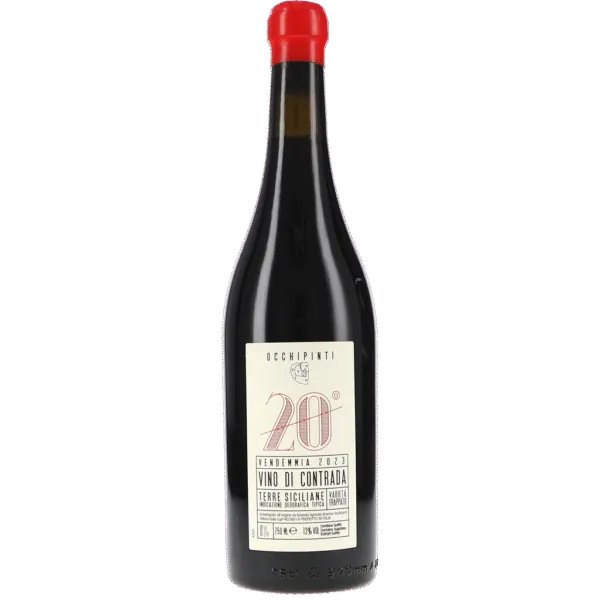
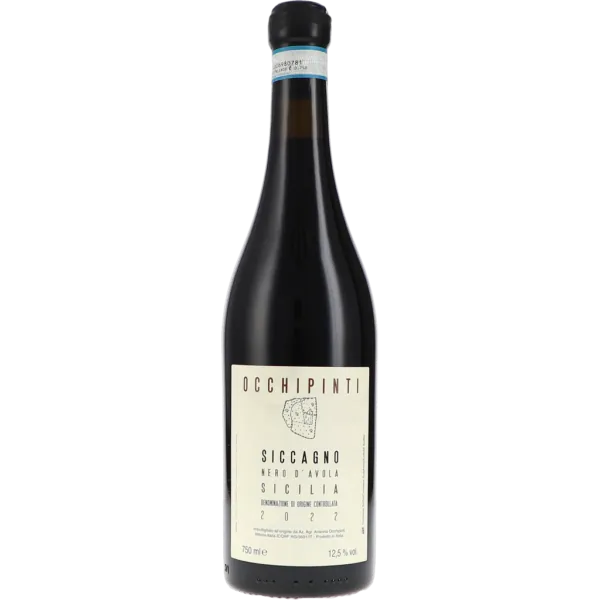
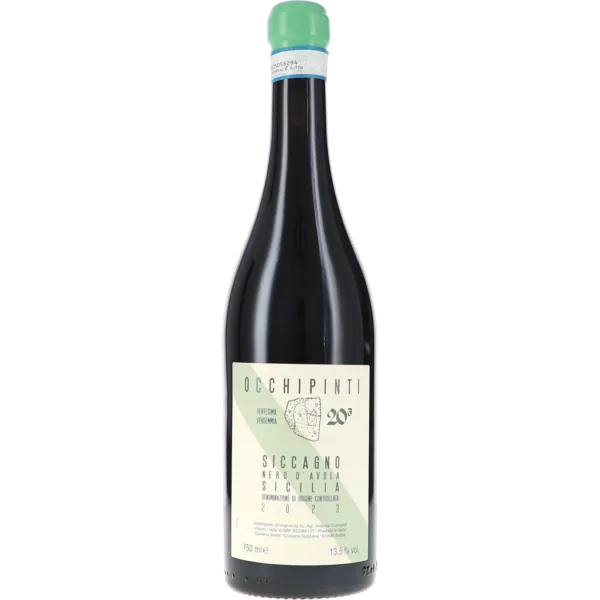
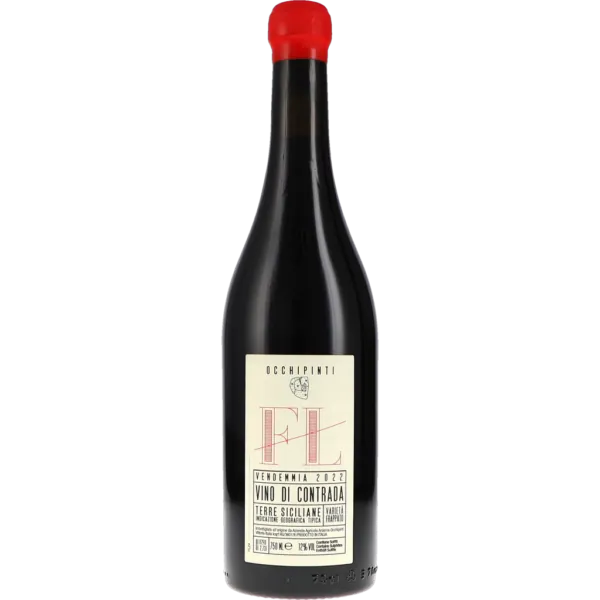
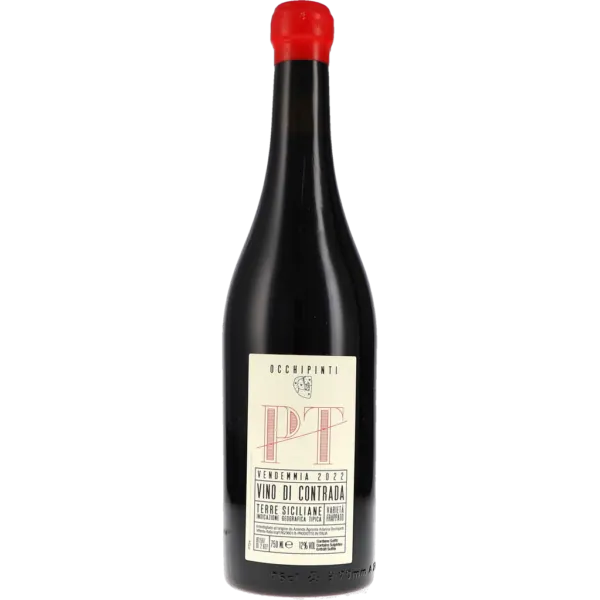
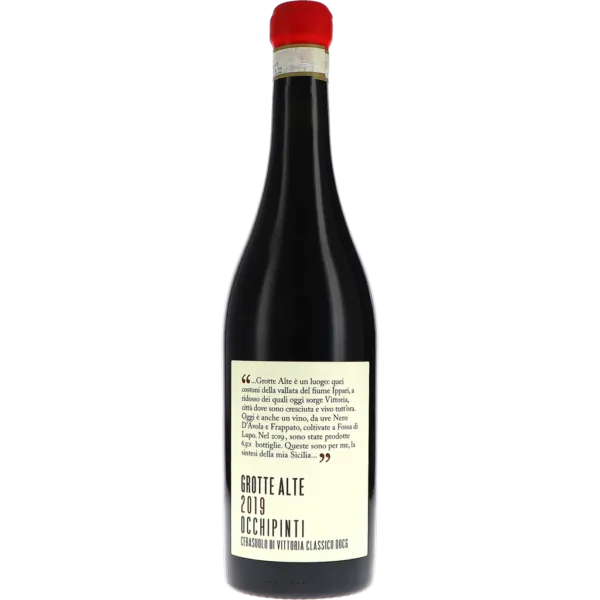
On the plateau around Vittoria, red sandy soils lie over limestone. This is the home of Cerasuolo di Vittoria, Sicily's only DOCG, a blend of Nero d'Avola and Frappato. Nero d'Avola brings dark cherry and depth, Frappato bright strawberry, pomegranate and a floral perfume. Occhipinti farms organically in Vittoria; alongside the Grotte Alte Cerasuolo di Vittoria and the SP68, the estate bottles Frappato from individual sites as Vino di Contrada, such as Fossa di Lupo, Bombolieri and Pettineo.
Grillo, Catarratto and Marsala: the west of the island
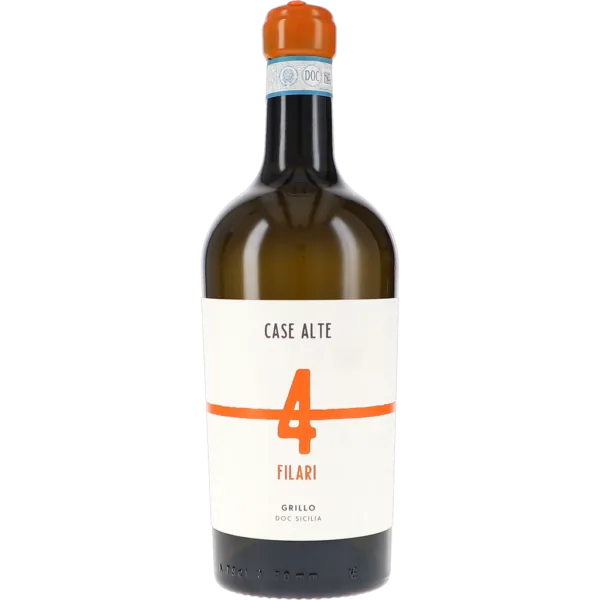
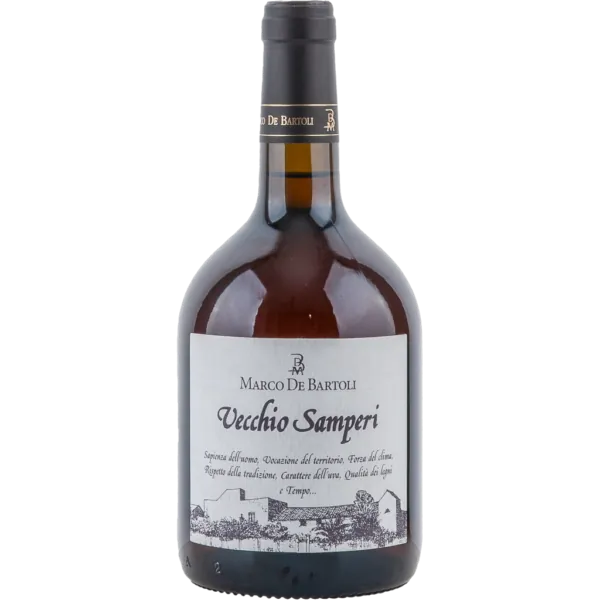
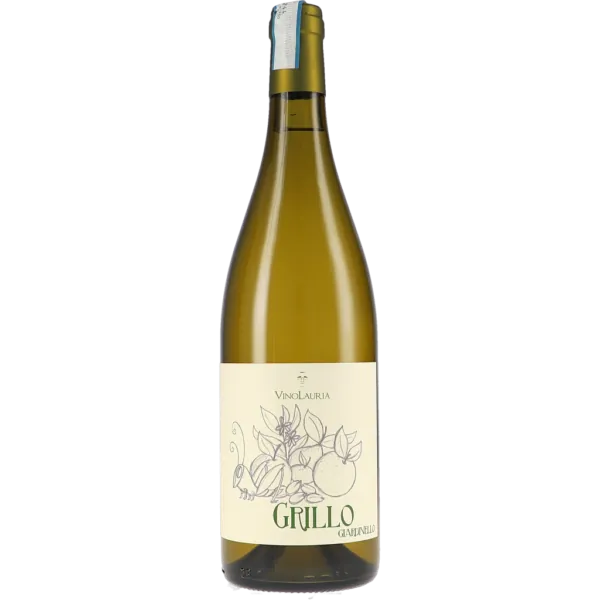
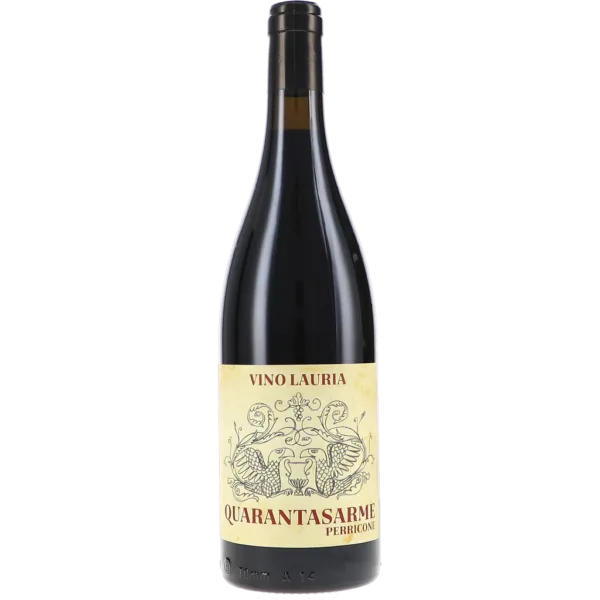
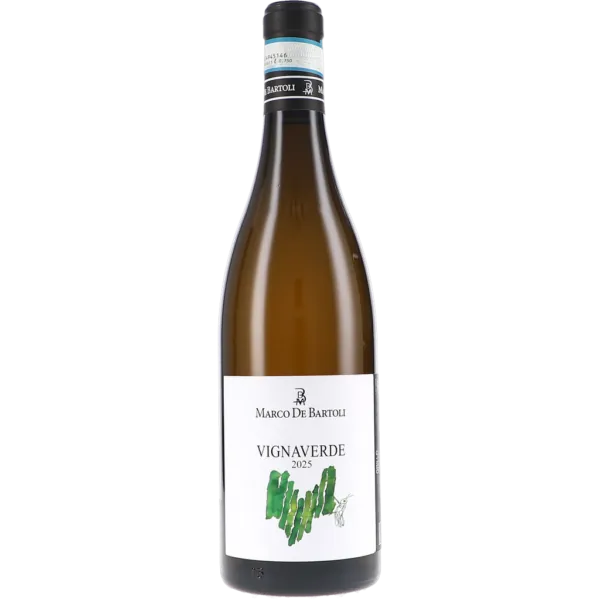
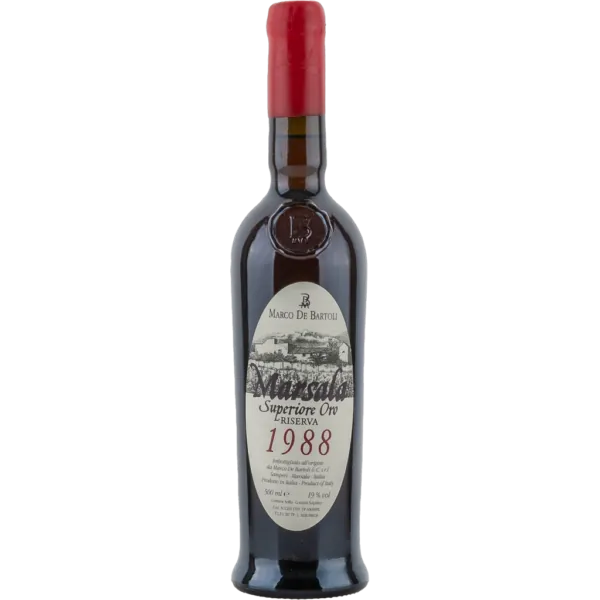
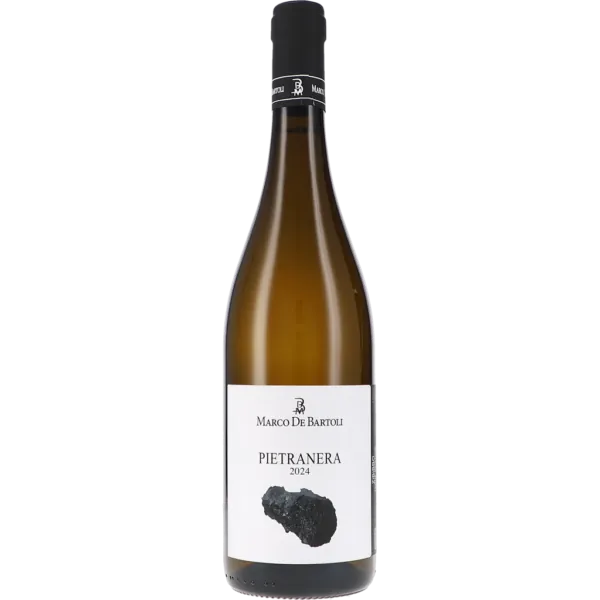
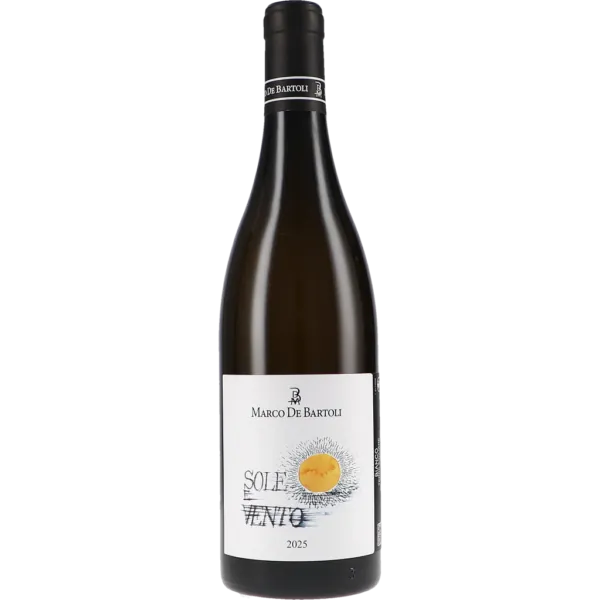
In the windswept west around Trapani grow the white varieties Grillo and Catarratto, which on limestone and sand develop citrus, almond and a salty note. In the 18th century English merchants turned fortified Marsala into an export wine. Marco de Bartoli reinterpreted the tradition in Contrada Samperi: the Vecchio Samperi matures unfortified in a perpetuum maintained over decades, alongside Marsala Superiore Riserva and dry Grillo. Vino Lauria bottles Catarratto, Grillo and Perricone in Alcamo, while Case Alte, in the Monreale DOC above Palermo, makes Catarratto, Grillo and Nero d'Avola.
Vino ambrato, Zibibbo and Terre Siciliane IGP
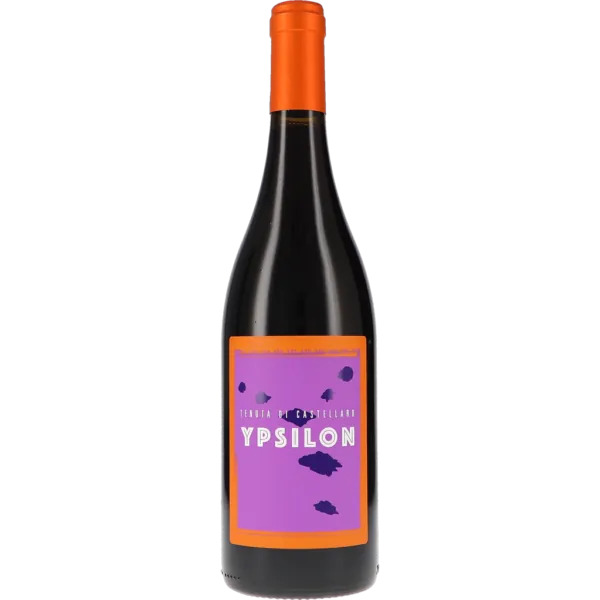
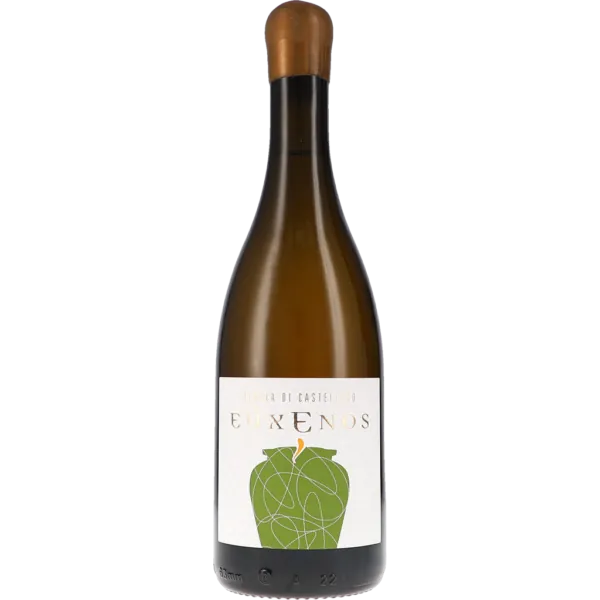
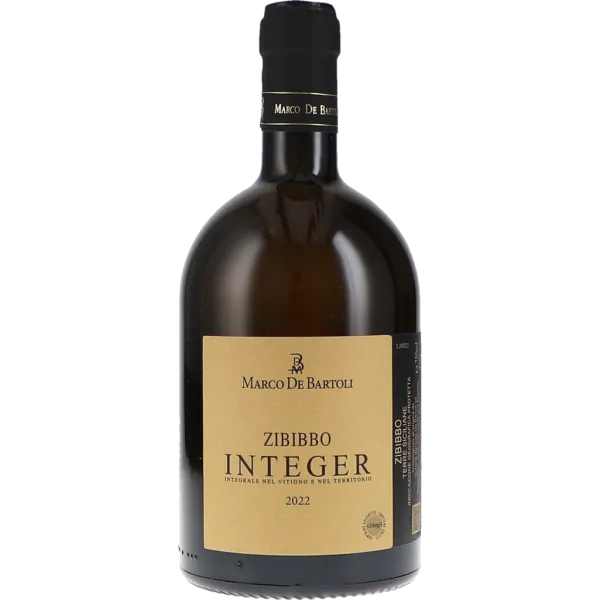
A vino ambrato is an orange wine: a white wine fermented on its skins like a red, which gives it an amber colour, tannin and spice. In Sicily the aromatic Zibibbo, or Muscat of Alexandria, is particularly suited to this, for instance in Vino Lauria's Solerte Macerato and Marco de Bartoli's Integer Zibibbo. On Pantelleria Zibibbo grapes dry in the August sun for Passito di Pantelleria, which at Marco de Bartoli is the Bukkuram Sole d'Agosto. On Lipari, Tenuta di Castellaro makes Malvasia, Carricante and the rare Korinthianki on pumice and obsidian, including the Euxenos, which rests on its skins in amphora. Many of these wines carry the IGP Terre Siciliane, which covers the whole island and allows more freedom in grape varieties and élevage than the Sicilia DOC. All available wines from Sicily are listed at the top of this page.