

Pierre-Henri Rougeot is the winemaker at Domaine Rougeot Père & Fils in Meursault. Under his own name, he has been vinifying around a dozen cuvées since 2017, in tiny quantities of between one and six barrels. He mostly exchanges grapes with fellow organic and biodynamic winemakers, which gives him access to vineyard sites on the Côte de Nuits and the Côte de Beaune that do not belong to the domaine. Fermentation takes place spontaneously in his own small cellar in Beaune, without fining or filtration, and no sulphur is added during fermentation or ageing.
≈ Aroma: Yeast
In all wines: 297 Wines
More about Pierre-Henri Rougeot
A name of his own alongside the family’s
Pierre-Henri Rougeot grew up on the family domaine in Meursault, studied viticulture in Beaune, then spent a year in the vineyards of Domaine de Montille in Volnay before working in sales for a cooperage. Since 2010 he has been responsible for the wines of Domaine Rougeot Père & Fils, and since 2019 he has worked full-time at the estate, while his father Marc continues to run the vineyards as before.
Under his own name he has operated a micro-négoce since 2017: around a dozen cuvées a year, in micro-lots of one to six barrels, vinified in a small cellar of his own in Beaune. This gives him access to vineyard sites on the Côte de Nuits and the Côte de Beaune that the domaine does not own.

Swapping grapes rather than buying them
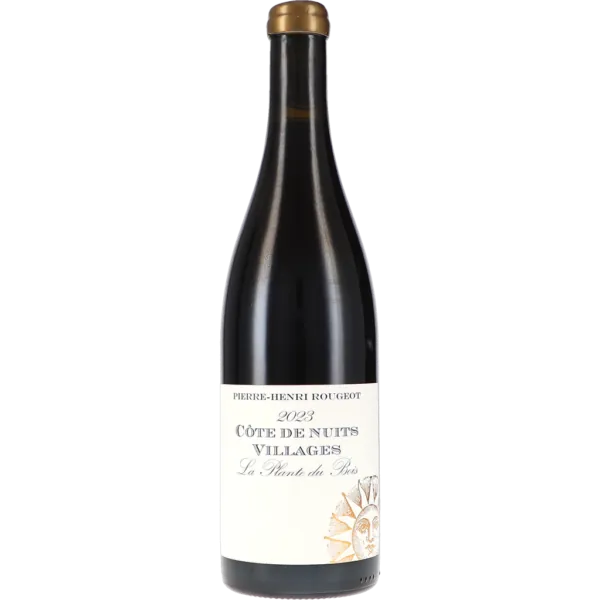
Rougeot does not buy on the open grape market. Instead, he supplies white grapes from the domaine – Bourgogne blanc and Meursault – and receives grapes from other appellations in return: barter trade among winemaker friends, whose parcels must be certified organic or biodynamic. The wines carry the organic inspection code FR-BIO-01. The Côte de Nuits-Villages La Plante du Bois, for instance, comes from Antoine Lienhardt in Comblanchien. His own domaine is certified organic and, since 2023, additionally Demeter-certified, but this applies to the estate and not automatically to every négoce wine.
In the cellar: whole bunches, patience and a decision against sulphur
Rougeot is allergic to sulphur and therefore works entirely without it during fermentation and ageing. Whether a small dose is added at bottling is decided barrel by barrel. The completely unsulphured bottlings can be recognised by their diagonally striped labels, which bear only the name of the vineyard site. Fermentation is spontaneous, and the wines are neither fined nor filtered.
The red wines go into the cellar with 70 to 100 per cent whole bunches, spend only a short time on the skins and then mature for 18 to 20 months in barrel. For the whites, he dispenses with bâtonnage because the wines are rich enough, and also avoids much new wood.
The 2023 vintage
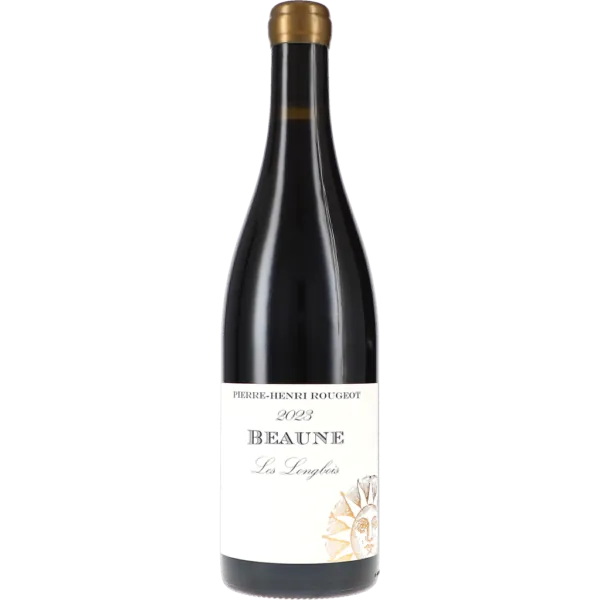
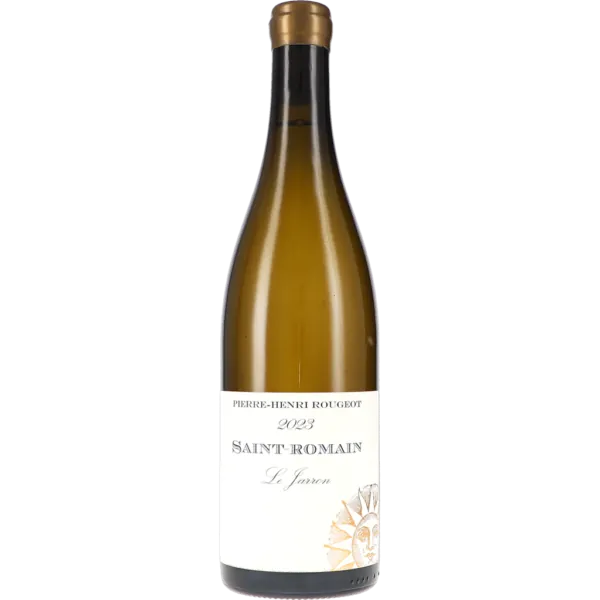
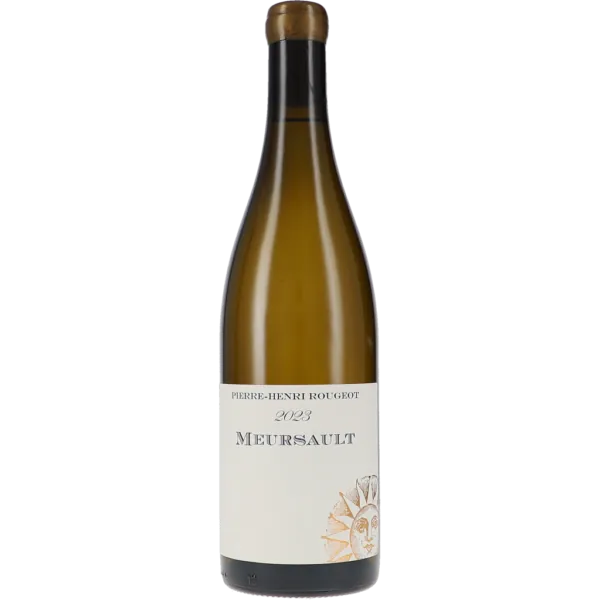
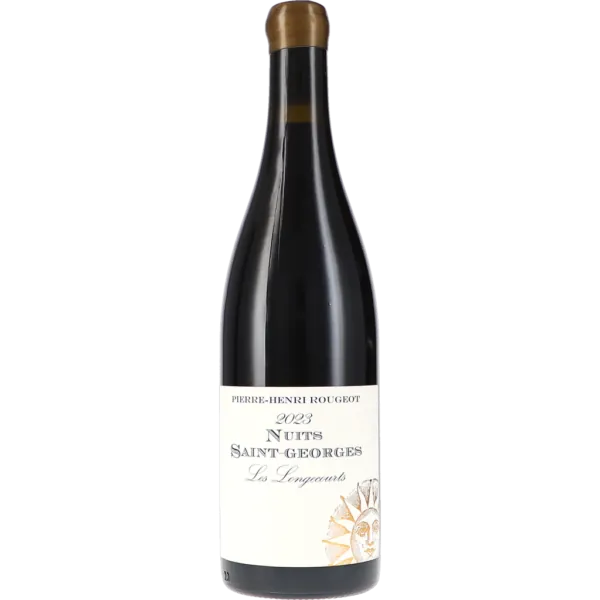
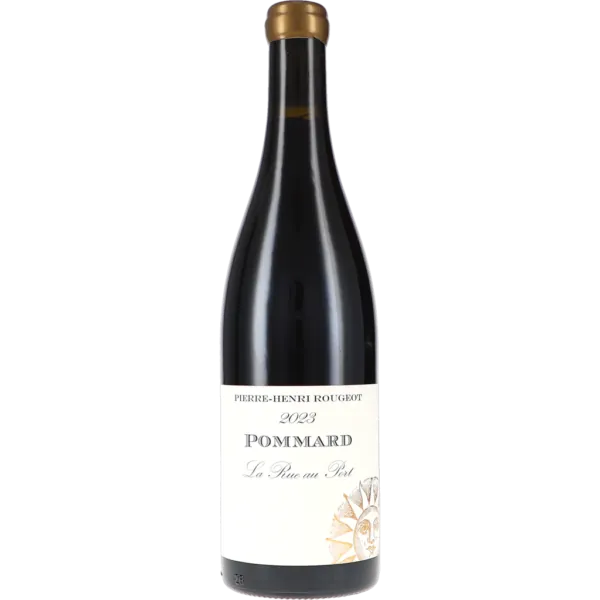
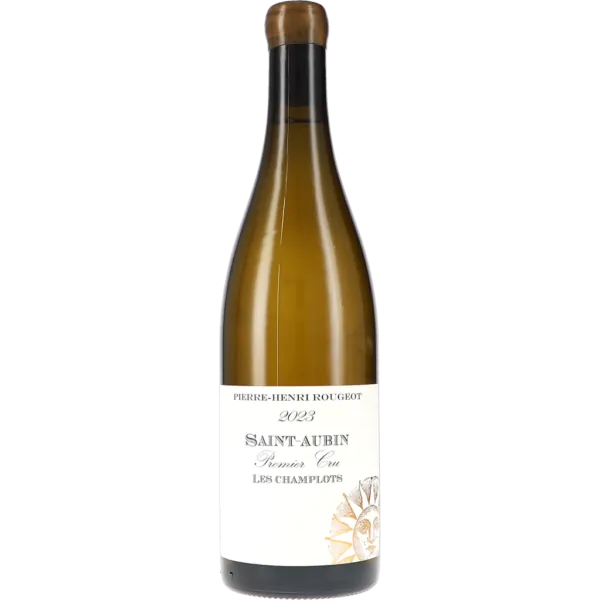
Two cuvées make their debut in 2023: the Meursault appears for the first time, in a mere 600 bottles or so. The Saint-Aubin 1er Cru Les Champlots is likewise the first release from this vineyard site. The Nuits-Saint-Georges Les Langecourts is likely to remain a one-off – the first and probably only vintage from this site. The Beaune Les Longbois, by contrast, is already the second. They are joined by Côte de Nuits-Villages La Plante du Bois, Pommard Rue au Port and Saint-Romain Le Jarron. There was also a Meursault Sous la Velle, which has already sold out.
Powerful and marked by their soils, the 2023s show what Rougeot values most in his red wines: purity. And since six barrels simply do not yield many bottles, each of these labels remains a rarity.