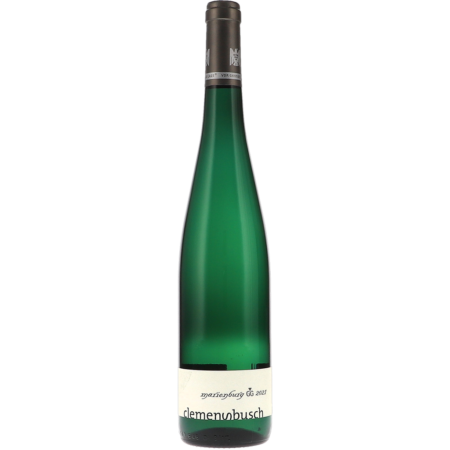
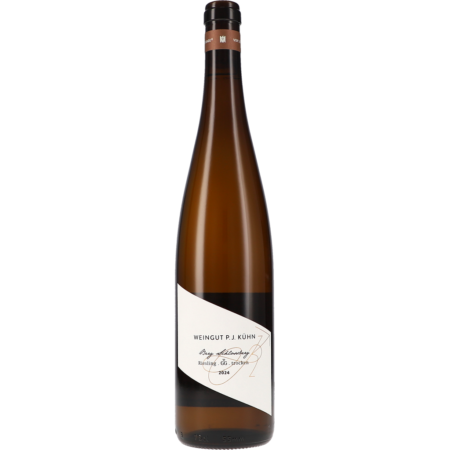
Bottler: Winery Clemens Busch, Kirchstrasse 37, 56862 Pünderich / Germany
In the glass
Colour
Radiant, medium yellow with golden reflections.
Nose
Ripe yellow fruit such as mirabelle plum and apricot, accompanied by citrus zest, herbal spice and a smoky-spicy deep note shaped by the red slate of the Felsterrasse.
Palate
Dense and powerful on the palate, with juicy fruit, precise acidity and a long, salty-mineral finish.
Character
A great, terroir-driven Riesling – seismic minerality meets depth and ripeness; a wine with clear ageing potential.
Pairing
Ideal with pan-fried noble fish, loin of veal with a herb crust or spicy dishes from Asian cuisine.
Notes
The vines root up to eight metres deep into the red slate rock; the estate has been working biodynamically since 1986 (Demeter-certified since 2015), ferments spontaneously in old wooden casks and was awarded the Robert Parker Green Emblem in 2023.
Tasting note
Character
A dry Grosse Lage Riesling of compelling presence: dense, cool and carried by a minerality that feels almost seismic. Citrus and stone fruit meet smoky, slate-driven depth, while the acidity draws the wine out long and precise. The 2017 vintage lends it volume without sacrificing typical Mosel lightness – you sense the 13.0% ABV more as substance than as warmth. A wine that does not seek to please, but to convince.
Terroir & Origin
The Pünderich Marienburg is one of the most legendary steep vineyard sites on the Mosel. Rooted in weathered slate soils, the oldest vines reach up to eight metres deep into the rock – a feat only possible because Clemens Busch stopped using herbicides back in 1976. Three slate colours shape the terroir: red, grey and blue, identifiable at the estate by the colour of the capsules. This deep rooting also acts as a natural buffer against heat and drought – an increasingly precious advantage.
Grape Variety & Vinification
Riesling is the only language spoken here, and Busch speaks it with absolute consistency. The estate has farmed biodynamically since 1986, holding Demeter certification since 2015; in 2023 it was awarded the Robert Parker Green Emblem. In the cellar, patience and restraint prevail: around 80 per cent of the wines ferment spontaneously in centuries-old 1,000-litre wooden casks, without cultured yeasts, enzymes or fining. Some wines take over a year to complete fermentation; the long ageing on fine lees adds further depth. It is no surprise that, according to Wine Advocate, Busch’s Rieslings rank among the finest in the Mosel valley – and appear on the wine lists of five three-star restaurants.
Food Pairings
The cool, saline tension calls for cuisine of precision: char with herb sauce, cured salmon or asparagus with hollandaise sauce. Those seeking contrast should turn to pad Thai or Vietnamese summer rolls – the acidity cuts through both spice and sweetness with equal assurance. Even enjoyed alone over a long evening, this wine shows what the Marienburg can do: no final word required, the finish takes care of that.