
 EN
EN  DE
DE  FR
FR  IT
IT 
When Emilio Valerio walks through his vineyards in the morning, he can see the Pyrenees on clear days. Laderas de Montejurra is located in Dicastillo, where the Valerio family has been rooted since the 14th century. Across 70 parcels between 400 and 700 metres in altitude, old Garnacha vines grow on limestone. French oenologist Olivier Rivière works here. The organically certified wines display a remarkable freshness and minerality.
More about Laderas de Montejurra
Limestone and the Thrill of Altitude
The vineyards of Laderas de Montejurra cover 40 hectares spread over 70 different parcels on the slopes of the Montejurra massif. What makes the site so exceptional is the extreme range of altitude: the lowest plots start at 400 metres, while the highest parcels climb to 700 metres. The limestone soils of the Montejurra give the wines a distinctive minerality that you notice on the palate straight away. Emilio Valerio, who has run the estate since 1980, works with old vines averaging 35 years of age, and some of the Garnacha vines are as much as 80 years old. Their old root systems burrow deep into the limestone and produce wines that speak more of the soil's minerality than of fruit.

Benedictines, Horses and a Frenchman
Winegrowing on the Montejurra goes back more than a thousand years, to the time when Benedictine monks planted the first vines here. This "Benedictine influence" still shows today in the biodynamic farming of the estate, which has been certified organic since 2002. Emilio Valerio works the soil with horses and does without irrigation entirely, so the vines have to fend for themselves. The French oenologist Olivier Rivière brings his Bordeaux experience to Navarra. Rivière, who also runs his own biodynamic estate in Rioja, has a masterly touch for bringing out the character of Spain's different terroirs without imposing his French style on them.
Garnacha Tales from the Heights
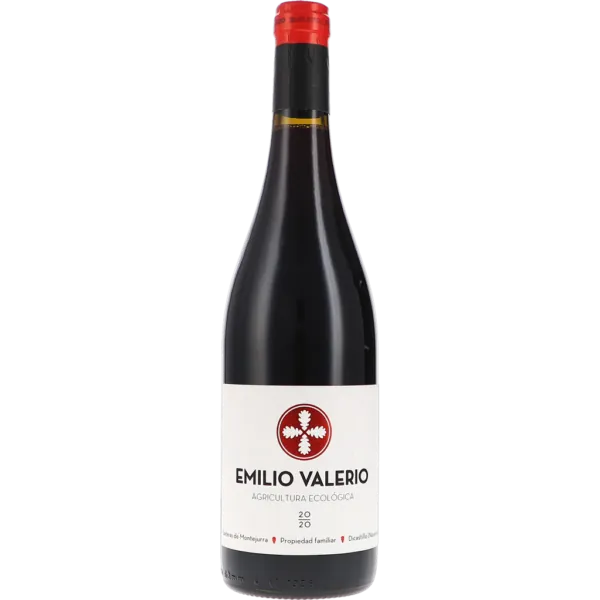
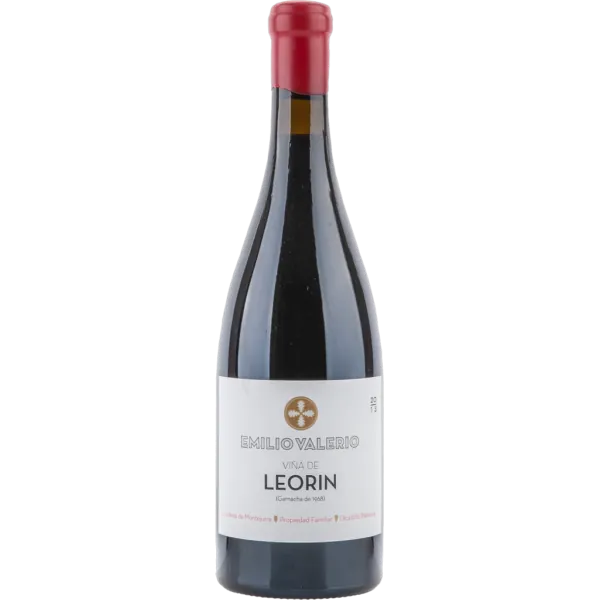
Here it is Garnacha that dominates, with the particular elegance it gains at altitude. Unlike on the hot plains, it develops a fascinating complexity during the cool nights of Dicastillo. La Merced 2018 shows impressively what old Malvasia vines can achieve at these heights: a white wine with the structure of a great red, mineral and powerful. For everyday drinking, the Emilio Valerio 2020 is a fine choice, a blend that perfectly reflects the house philosophy, which puts a sense of place before concentrated fruit. At the top of the range sits the Leorin 2013, a wine that shows how well great Garnacha from Navarra can age.

French Barriques, Spanish Soul
For vinification, Rivière relies on French barriques, but with a subtle hand. The oak is meant to support the minerality of the limestone soils, not mask it. Depending on vintage and cuvée, the wines spend varying lengths of time in wood, but never so long that the freshness of the high vineyards is lost. What strikes you immediately at a tasting is that these wines do not taste of Spain's warm south; instead they show an almost Burgundian elegance. This comes from the cool nights at 600 metres, which give the grapes a long ripening period at moderate temperatures. Emilio Valerio and Olivier Rivière have developed a unique terroir profile here that shows Navarra from an entirely new side.