
 EN
 DE
 FR
 IT
Between the Sierra Cantabria to the north and the Ebro to the south, the vines of Rioja Alavesa are rooted in calcareous clay, with many vineyard sites situated at altitudes of 500 to 700 metres; further east, in Navarra, old Garnacha vines thrive beneath Montejurra. Our wines from Rioja and Navarra come from seven producers who conceive their wines by village and single vineyard: Artadi, Artuke, Maisulan, Tentenublo and Remírez de Ganuza in Rioja, and Artazu and Laderas de Montejurra in Navarra. Tempranillo sets the tone, accompanied by Graciano and Garnacha, alongside white wines made from Viura, Malvasía and Garnacha Blanca. Several of these estates are certified organic, while Maisulan also follows biodynamic methods.
Grape variety: Grenache
In all wines: 162 Wines
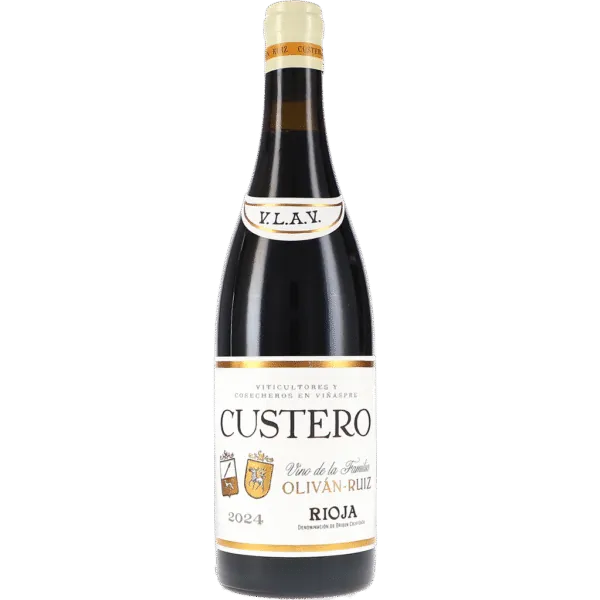
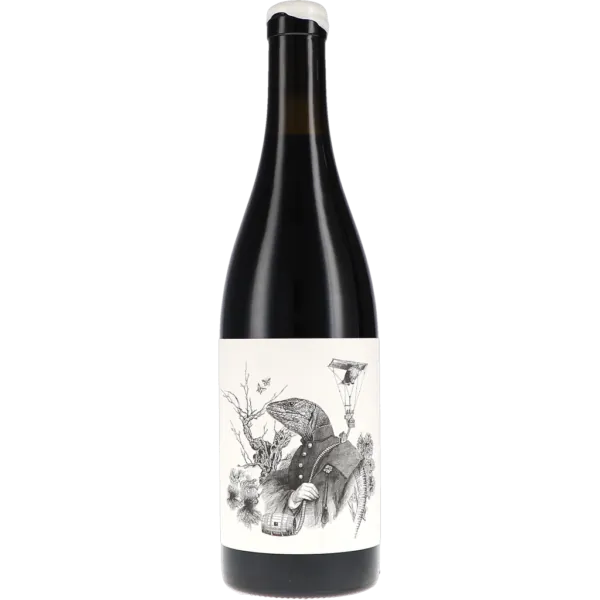
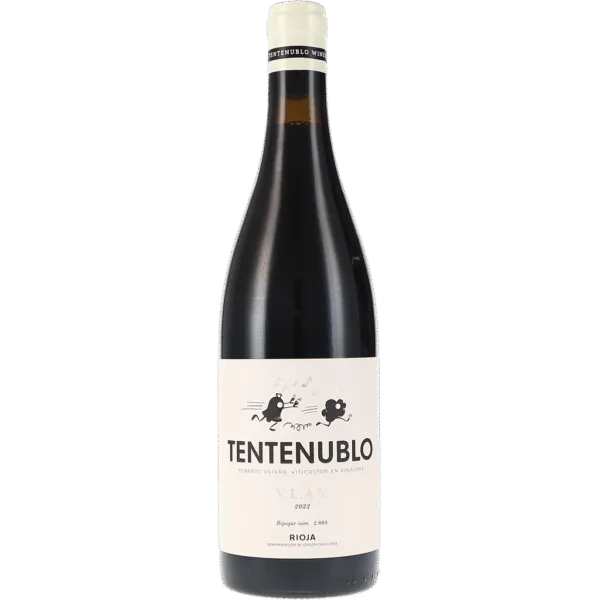
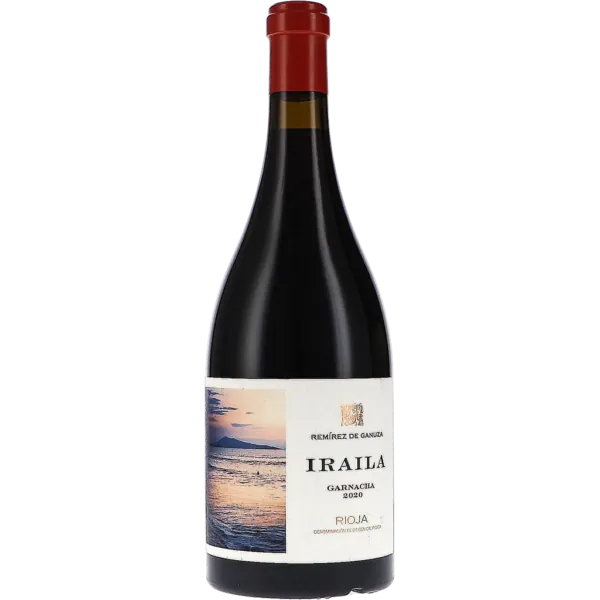
More about Rioja & Navarra
Wines from Rioja and Navarra: Calcareous Clay, Altitude and the Ebro
The Rioja follows the Ebro and is divided into three zones. Rioja Alavesa lies north of the river in the Basque Country, sheltered by the Sierra Cantabria, on lime-rich clay with terraces and small parcels. Rioja Alta in the west is Atlantic-influenced and cool, Rioja Oriental in the east warmer and drier, and that is where Garnacha is at home. Navarra borders it to the north-east and stretches from the Pyrenean foothills down to the plain along the Ebro. For some years now, alongside the ageing categories Crianza, Reserva and Gran Reserva, Rioja has also permitted village and single-vineyard designations, and that is precisely where most of our producers focus.
Rioja Alavesa: Artadi, Artuke, Maisulan and Tentenublo
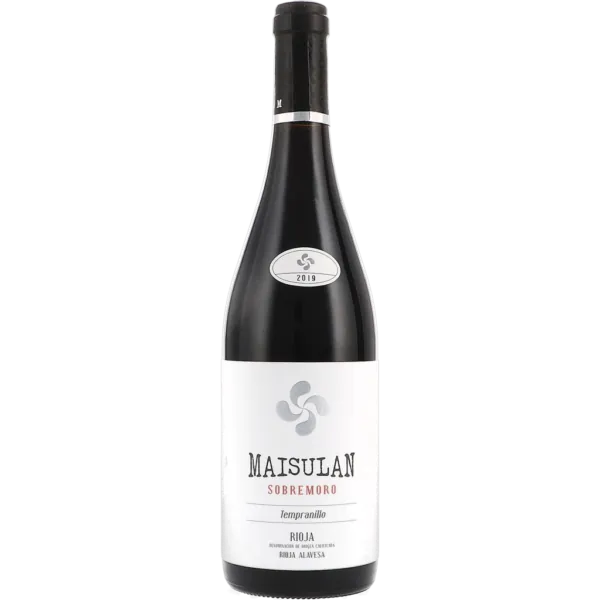
Juan Carlos López de Lacalle made Artadi in Laguardia the benchmark for single-vineyard Tempranillo and left the DOCa Rioja in 2015 in order to name his wines by origin. From Viñas de Gain the range leads via Valdegines and La Hoya to San Lázaro and El Carretil; at the top stands the Viña El Pisón 2022 from vines planted in 1945 at 480 metres in a limestone bowl. At Artuke in Baños de Ebro, the brothers Arturo and Kike de Miguel Blanco make juicy, cool Rioja such as Pies Negros and Finca de los Locos, along with single-vineyard wines such as Paso las Mañas from limestone at 700 metres at the foot of the Sierra Cantabria, El Escolladero and La Condenada. For Maisulan, Eva Fernández and Luis Ruiz de Viñaspre farm old bush vines biodynamically and bottle not only Tempranillo but also pure Graciano, Mazuela and Viura. With Tentenublo, Roberto Oliván seeks out old field blends of red and white varieties at high altitude; the Escondite del Ardacho wines bear parcel names.
Reserva and Gran Reserva at Remírez de Ganuza
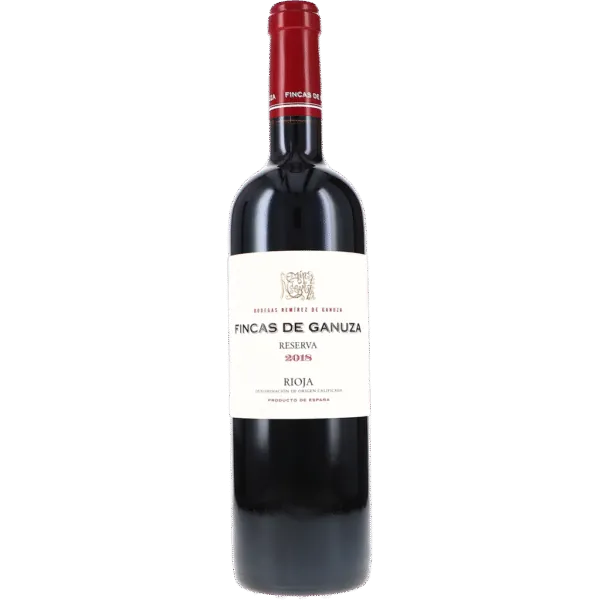
In Samaniego, Remírez de Ganuza cultivates classic Rioja with long ageing in barrel and bottle. The house is known for processing the shoulders and tips of the bunches separately, because the upper berries are riper and more concentrated. This yields Reserva, Gran Reserva and Trasnocho from Tempranillo and Graciano, which develop leather, tobacco and dried cherry over many years, plus the Olagar Gran Reserva Blanco from Viura. With the Iraila from San Vicente de la Sonsierra the range also extends into Rioja Alta: a single-varietal Garnacha, fine and fresh.
Navarra: Garnacha from Artazu and Laderas de Montejurra
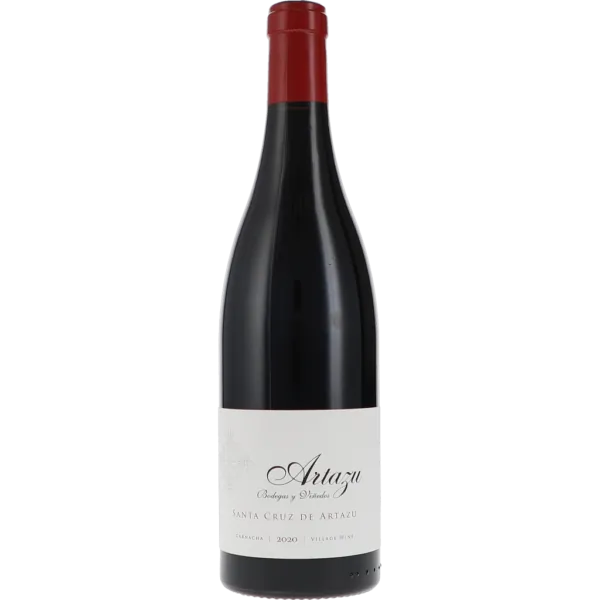
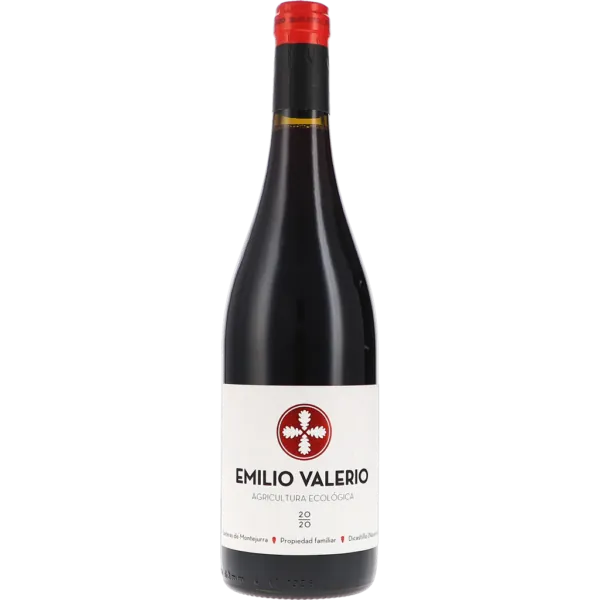
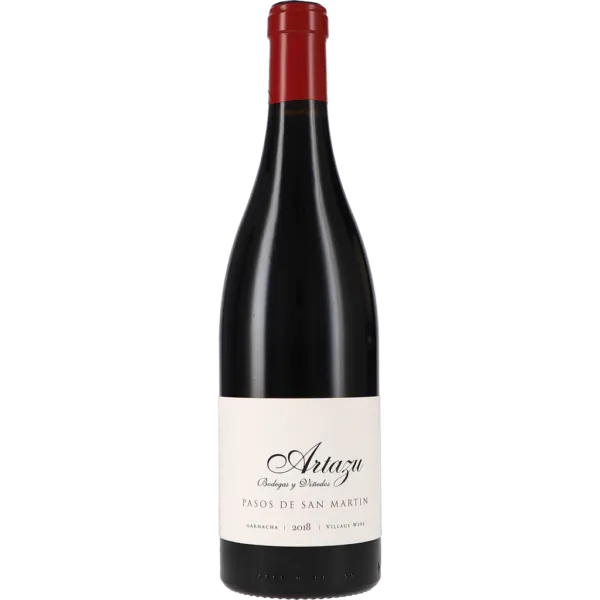
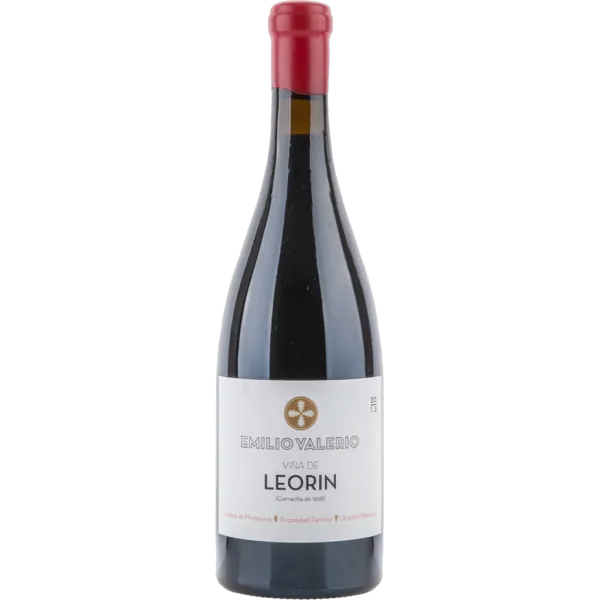
Navarra is old Garnacha country. In the village of Artazu, south-west of Pamplona, Artadi founded Artazu as a separate estate for old Garnacha vines; alongside the reds Pasos de San Martín and Santa Cruz de Artazu, a white wine is made there from Garnacha Blanca grown at 450 to 600 metres. In the cool Tierra Estella, Emilio Valerio farms limestone slopes up to 700 metres with Laderas de Montejurra, certified organic. His wines range from the Emilio Valerio, made from Garnacha, Cabernet Sauvignon and Merlot, via the Cabernet Amburza to the mature Leorin 2013 from old Garnacha and Tempranillo vines. All available wines from Rioja and Navarra are listed above.