
 EN
 DE
 FR
 IT
-
Chêne Bleu
-
Clos des Papes
-
d'Ouréa
-
Du Coulet
-
La Nerthe
-
Les Bruyères
-
Maison Stephan
-
Marcoux
-
Roche-Audran
-
Saint Jean Du Barroux
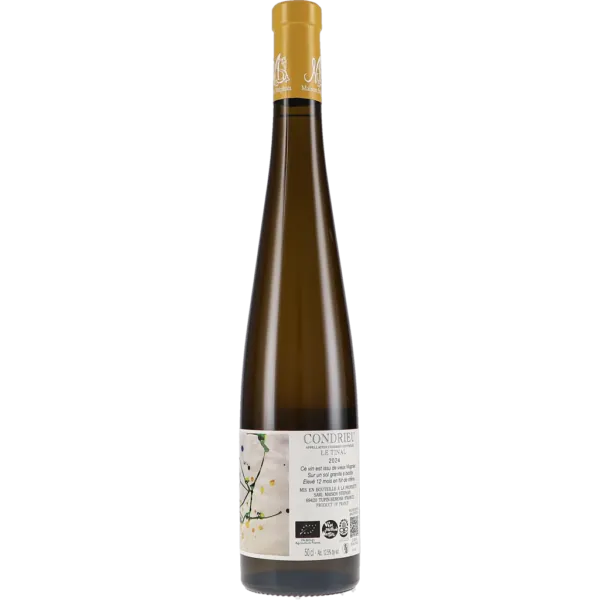
Between Vienne and Avignon, the Rhône flows through two distinct wine landscapes: in the north, granite slopes so steep that vines are staked and every task is done by hand; in the south, vast terraces strewn with round pebbles, swept by the Mistral. Our Rhône wines come from both halves, featuring Syrah and Viognier from Côte-Rôtie, Condrieu, Cornas and Crozes-Hermitage, alongside Grenache cuvées from Châteauneuf-du-Pape, Gigondas and Vacqueyras. Most producers in this selection farm organically, several biodynamically, and so a Rhône organic wine here – from an everyday Côtes du Rhône to a mature cru – offers a direct expression of its vineyard.
More about Rhône
Northern Rhône: Syrah and Viognier on Steep Granite
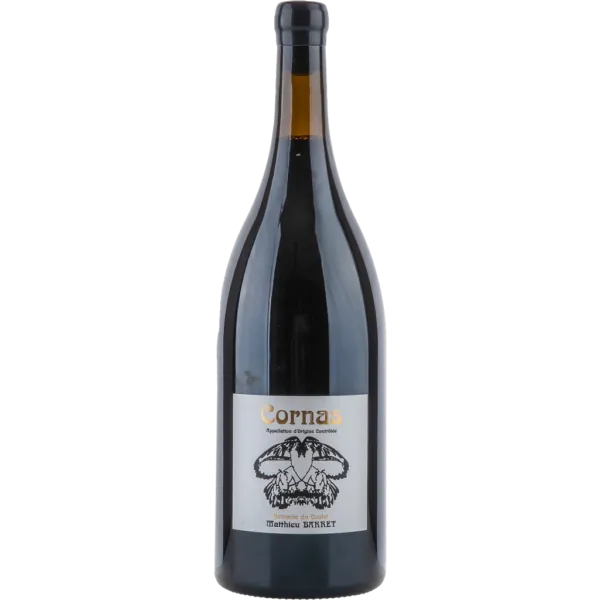
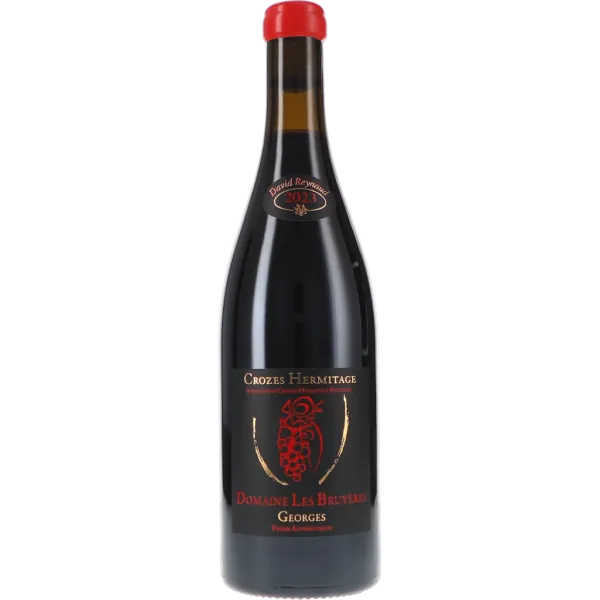
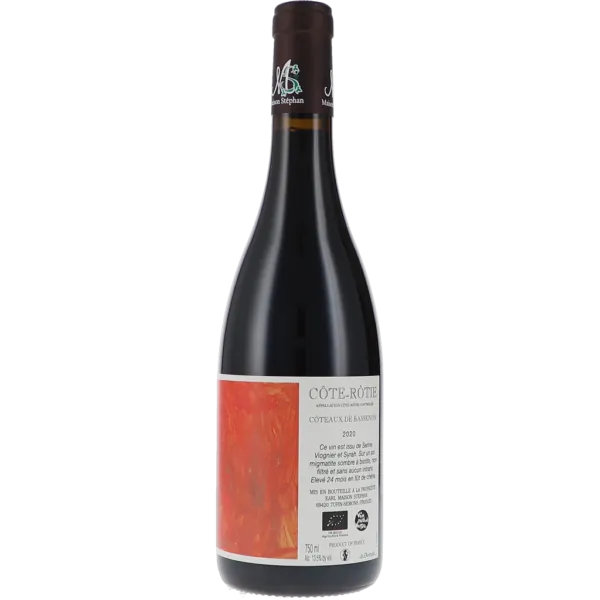
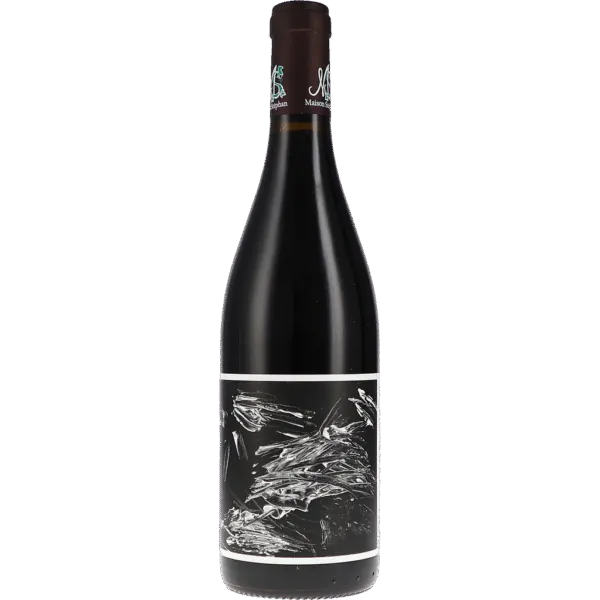
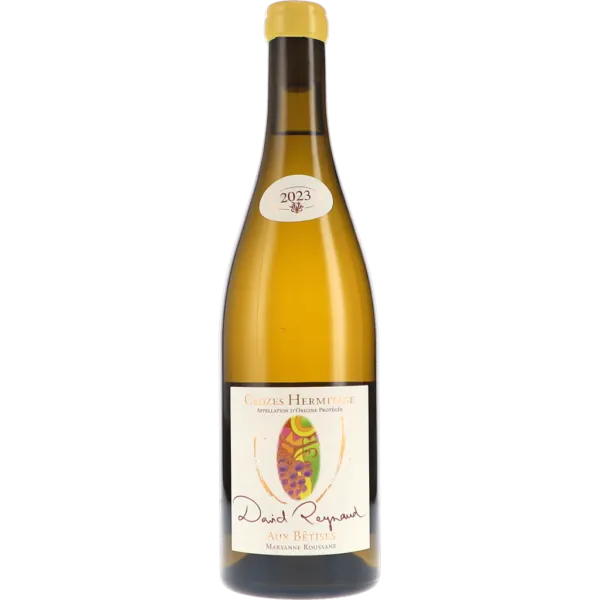
From Vienne to Valence the valley is narrow, and the vineyards lie on slopes of weathered granite and mica schist, often on narrow walled terraces above the river. Syrah is the red grape of the great sites here, bringing violets, black pepper, olives and a cool, saline tension. In Côte-Rôtie a small proportion of Viognier may be co-fermented to lift the nose, while Condrieu belongs entirely to Viognier, with apricot and blossom. Hermitage, Cornas, Saint-Joseph and Crozes-Hermitage are the other names of the north, where the white wines are made from Marsanne and Roussanne. Maison Stephan in Tupin makes Côte-Rôtie from Serine, the old, small-berried form of Syrah, such as the Côte Rôtie "Les Binardes" AOC 2023, which is bottled without added sulphur. From Cornas come the biodynamic Syrahs of Du Coulet, and from Les Bruyères Crozes-Hermitage and Saint-Joseph.
Southern Rhône: Grenache, Galets Roulés and the Mistral
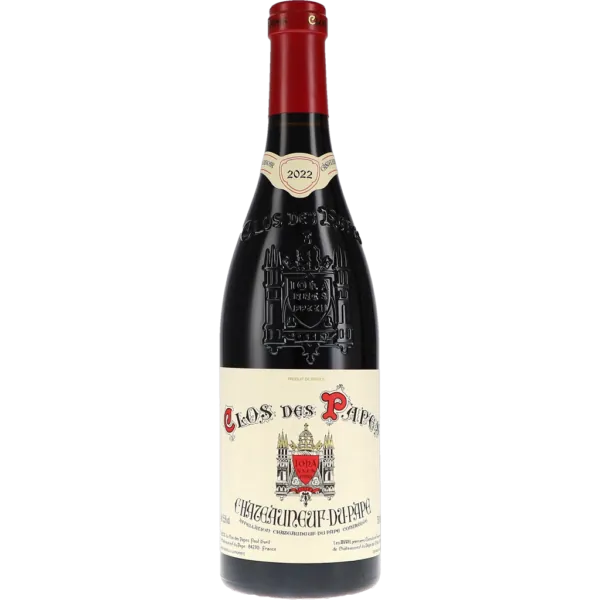
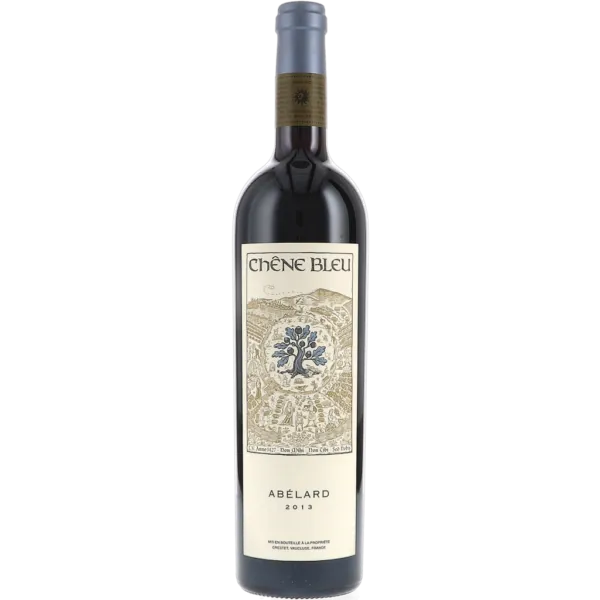
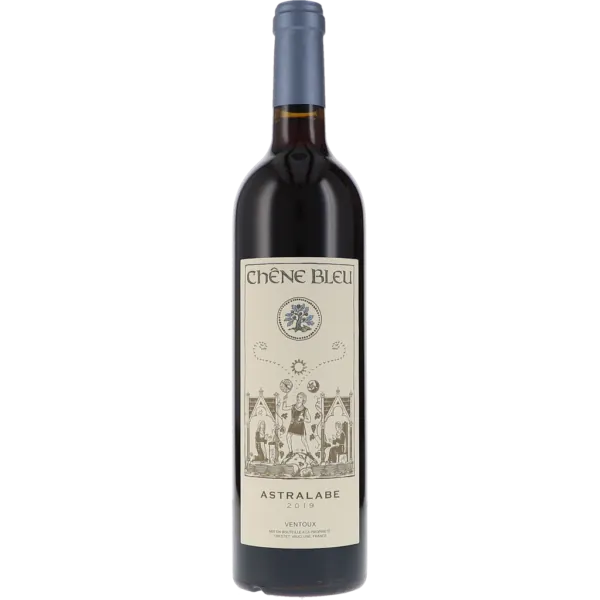
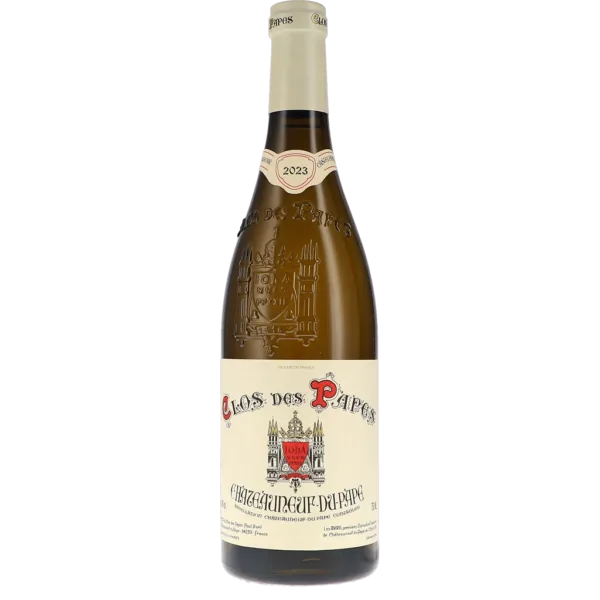
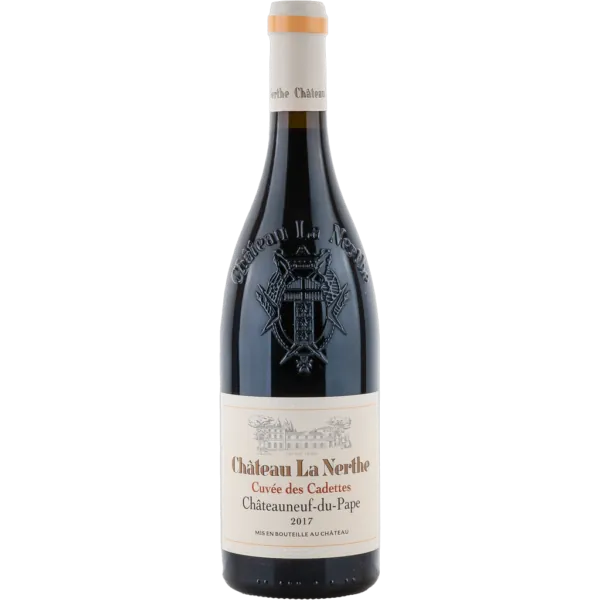
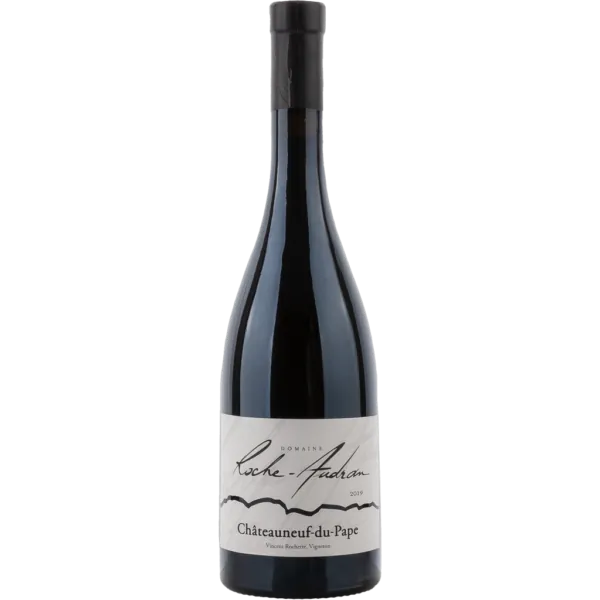
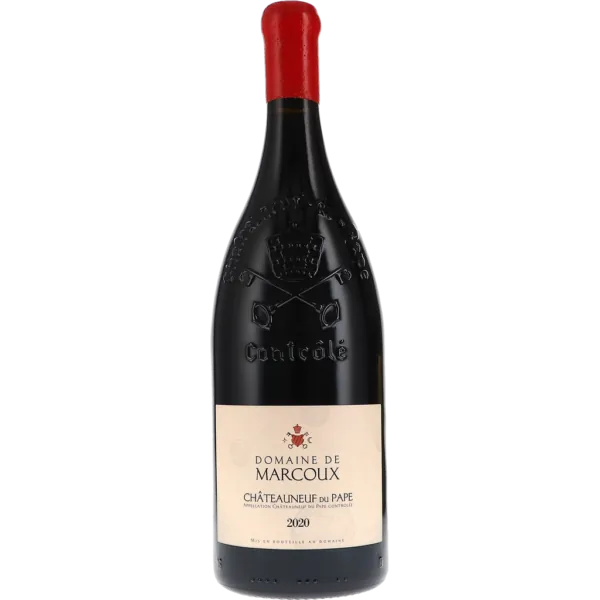
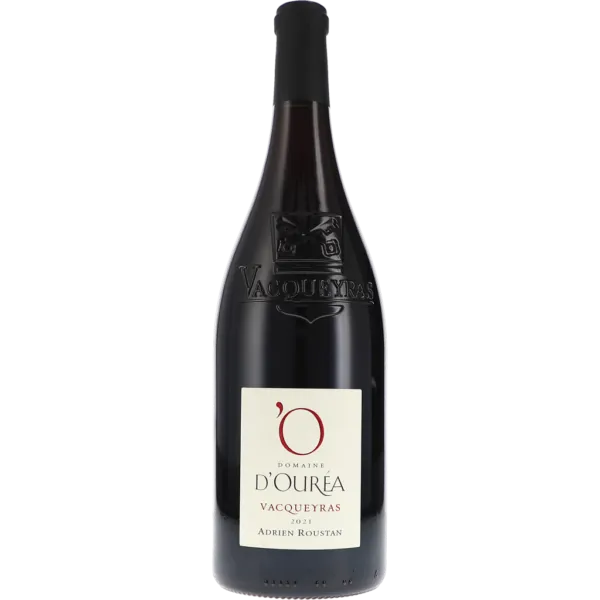
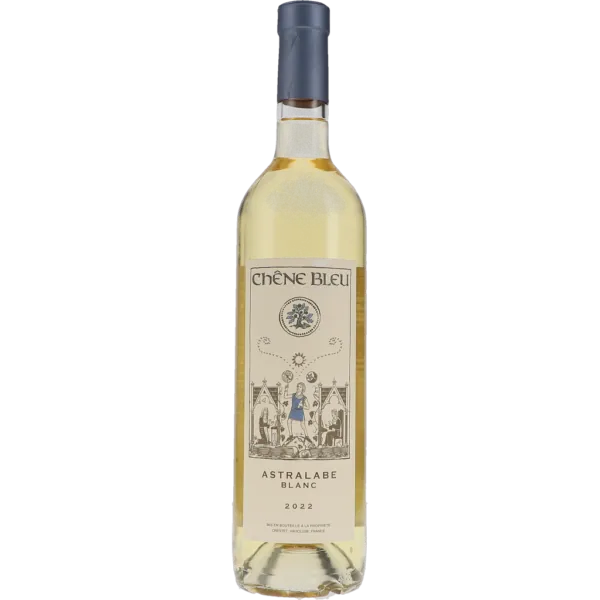
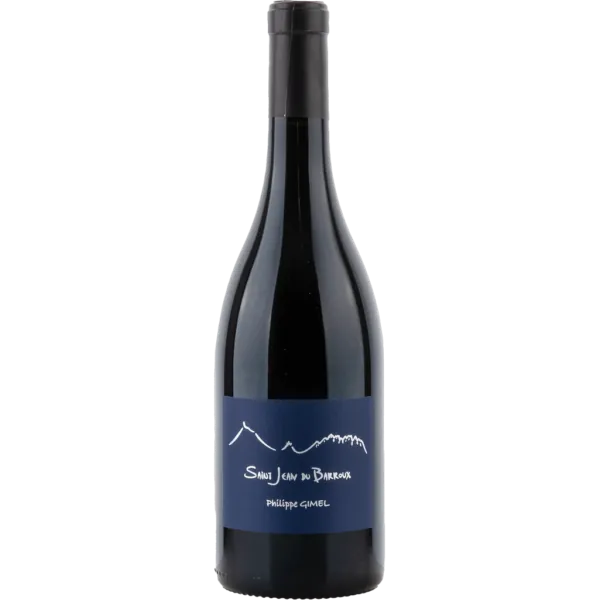
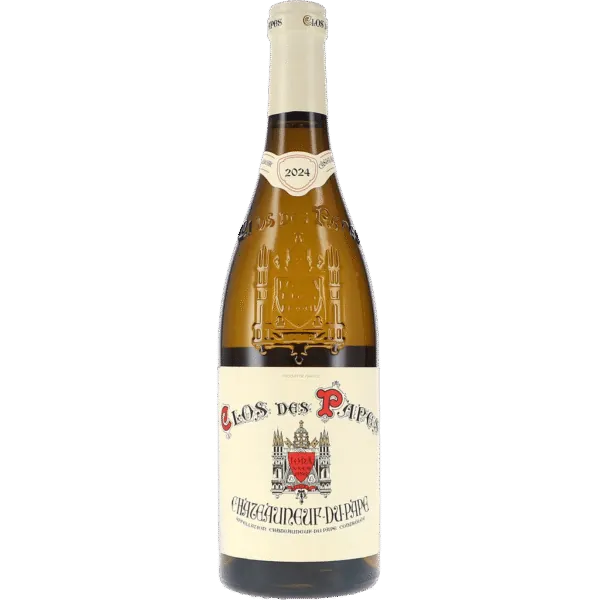
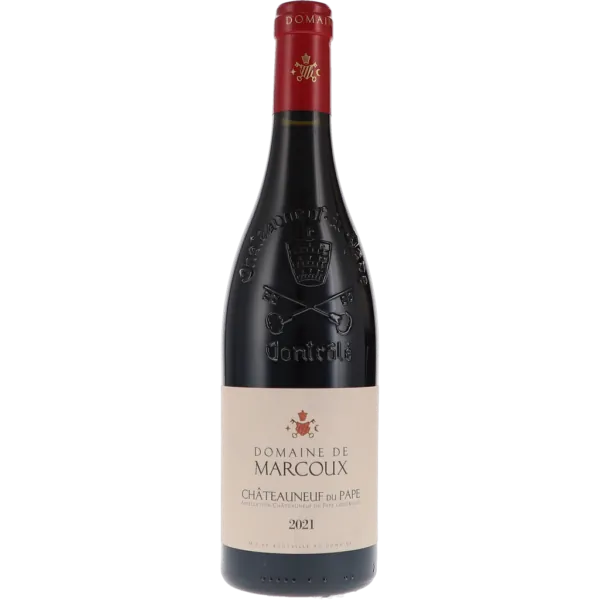
South of Montélimar the valley opens into a Mediterranean landscape of garrigue, olive trees and lavender. Here Grenache leads, accompanied by Syrah, Mourvèdre, Cinsault and Carignan, and the wines show ripe cherry, dried herbs and warm spice. In Châteauneuf-du-Pape, galets roulés, quartzite pebbles rounded by the Rhône, cover many sites and release the day's warmth into the night, while other parcels lie on sand and limestone and produce finer, cooler Grenache. The Mistral dries the grapes after every shower and keeps fungal diseases at bay. At the foot of the Dentelles de Montmirail lie Gigondas and Vacqueyras, home to the wines of Domaine d'Ouréa, and further north Rasteau and Cairanne, which are now crus in their own right. Our Châteauneuf-du-Pape comes from Marcoux, Clos des Papes and La Nerthe, red and white alike; from the slopes of Mont Ventoux come Chêne Bleu and Saint Jean du Barroux.
Côtes du Rhône and Villages as the Valley's Foundation
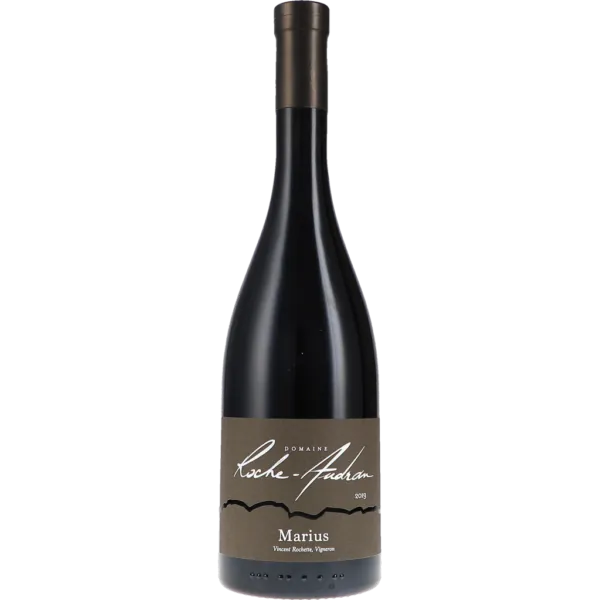
The Côtes du Rhône appellation covers the whole valley, though most of its wines grow in the south. Above it stand the Côtes du Rhône Villages, which may carry the name of their commune if they meet stricter rules. Domaine Roche-Audran bottles red, white and rosé Côtes du Rhône as well as Villages from Visan, and Marcoux a Côtes du Rhône from Grenache, Mourvèdre and Syrah. With its Côtes du Rhône "Petit Ours", Du Coulet shows how a Syrah from northern granite tastes even at entry level.
Organic Wine from the Rhône: Biodynamic on Slopes and Pebbles
The vineyards of the Rhône are particularly well suited to organic farming, because wind and sun keep the grapes healthy. Domaine de Marcoux in Châteauneuf-du-Pape farms its vines biodynamically, as do Du Coulet, Roche-Audran and d'Ouréa. Preparations, compost and cover crops bring the soils to life, and the roots reach deep into granite, pebbles and limestone, which you can taste in the freshness of these wines. How the individual vintages turned out in the northern and southern Rhône is shown in our Rhône vintage chart. The region's available wines are listed above.