
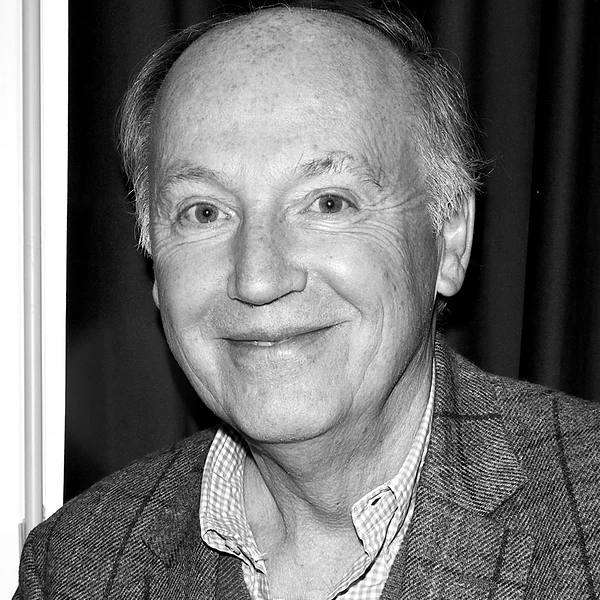
Here, a dowsing rod decides how much sulphur each must receives, press fraction by press fraction. Behind Champagne Jestin stands Hervé Jestin, who can afford to do so: at twenty-four, the youngest cellar master of a major Champagne house, and for twenty-four years at Duval-Leroy, where he brought biodynamics into a cellar of that scale. Since 2006, his own name has appeared on the bottles. The grapes come from three growers he has trusted for decades. The 2010 then spent fifteen years on the lees.
≈ Food: Oyster≈ Food: Seafood
In all wines: 270 Wines
More about Jestin
The dowsing rod over the must
Forty years of cellar experience, and then he holds a dowsing rod over the press juice. Jestin decides how much sulphur each must receives on a lot-by-lot basis; for him there is no single dosage for an entire vintage. Behind this lies a sober conviction: seventy to eighty per cent of an oenologist’s work is done before the juice leaves the press. Everything after that is listening, and anyone who listens needs an instrument.
He calls his approach bioenergetics, by which he means something precise: that the energy of a wine can be measured and increased as it comes into being. His declared aim is wines that resonate with the living world and reach the drinker emotionally. For Champagne, where recipe and consistency have been the highest good for a century and a half, this borders on minor heresy.

Into the Duval-Leroy cellar at twenty-four
Jestin took over as cellar master at Duval-Leroy for the 1982 harvest and stayed for twenty-four years. From the press to dispatch, everything crossed his desk, and at some point the manual was no longer enough for him. In the mid-nineties he pushed through biodynamic practices there, at a time when hardly anyone in Champagne took them seriously. In 1997 he bottled his first biodynamic cuvée, made from grapes grown by David Leclapart in Trépail.
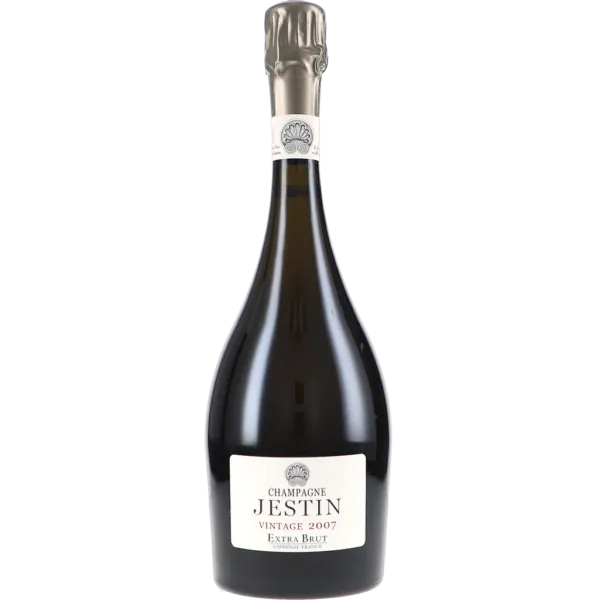
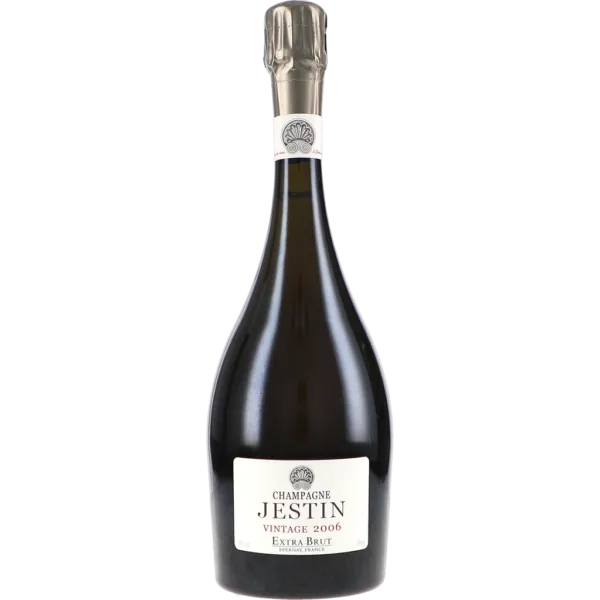
How far he reduces the sulphur is shown by his own debut vintage of 2006: 27 milligrams per litre, added as volcanic sulphur. In 2012 he additionally took charge of the cellars at Leclerc Briant, where he ventured experiments that no one in Champagne had attempted before him: a cuvée aged for up to fifteen months sixty metres below the surface off Ouessant, and another whose first fermentation takes place in a gold-plated cask. Both belong to Leclerc Briant, not to his own range.
Three growers, three villages
For a long time Jestin owned no vines of his own, nor does he need them for his vintage champagne. He buys from three growers whose work he knows: David Leclapart supplies the Chardonnay from Trépail, Benoît Lahaye the Pinot Noir from Bouzy, and Vincent Laval tends the Meunier on the two and a half hectares of Georges Laval in Cumières, organically farmed since 1971. The grapes are picked according to the biodynamic calendar.
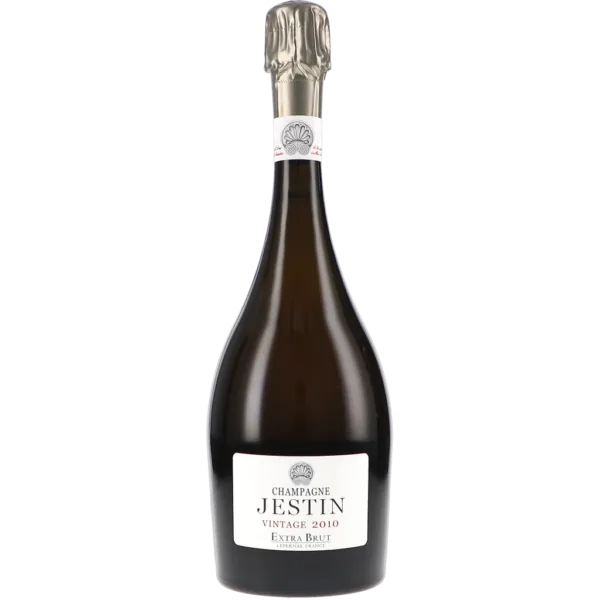
What emerges from this is revealed by the Jestin Extra Brut 2010: half Chardonnay from Trépail, a quarter each of Pinot Noir from Bouzy and Meunier from Cumières, ten months in wooden casks, then fifteen years undisturbed on the lees. In the glass it glows coppery, smells of bread crust, hazelnut and preserved lemon, and carries an acidity that instantly dispels any heaviness. It needs air: after twenty minutes in the glass it presents itself quite differently than when first poured.

Half a hectare behind the wall
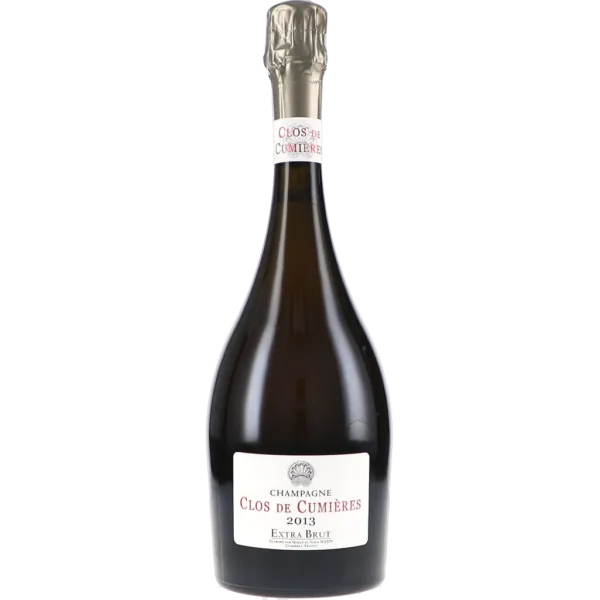
The Clos de Cumières belongs to Hervé Jestin and his brother Yann, purchased from the Leclerc-Briant family: half a hectare planted equally with Chardonnay and Pinot Noir, the vines dating from the sixties. The walls date back to the eighteenth and nineteenth centuries; it is one of the oldest clos in Champagne and one of the region’s few monopole vineyard sites. The first harvest took place in 2012.
The Clos de Cumières Extra Brut 2013 comes from a cool, late-harvested year, and that suits it perfectly: taut acidity, stony grip, barely any dosage. Here too every decision was taken individually, press fraction by press fraction. Rarely does so much Champagne find its way into the glass from such a small space.