
 EN
 DE
 FR
 IT
Colmar is one of the driest towns in France, as the Vosges mountains intercept rainfall from the west before it reaches the vineyards on their eastern slopes. Alsace wine grows in this rain shadow across a finely fragmented mosaic of granite, limestone, sandstone and volcanic rock, with each vineyard site imprinting its own distinctive character upon Riesling, Pinot Gris and Gewürztraminer. Our Alsatian wines come from three biodynamic domaines and a young natural wine duo based in Zellenberg: Grand Crus with decades of ageing potential, dry village wines, Crémant and skin-contact orange wines.
≈ Food: Cheese
In all wines: 1,411 Wines
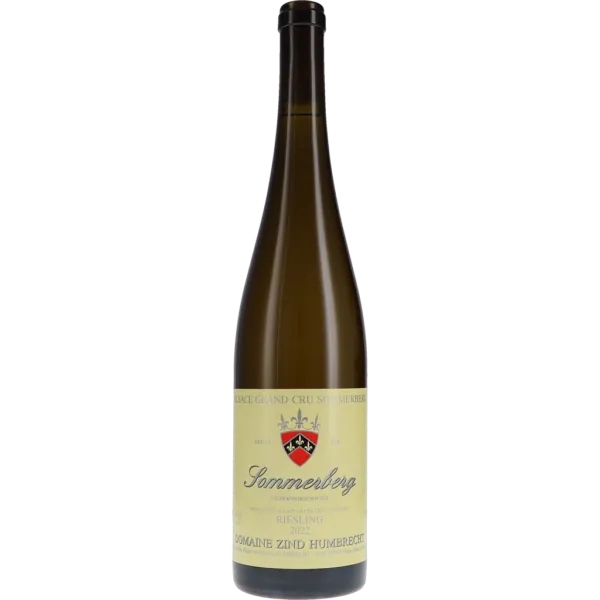
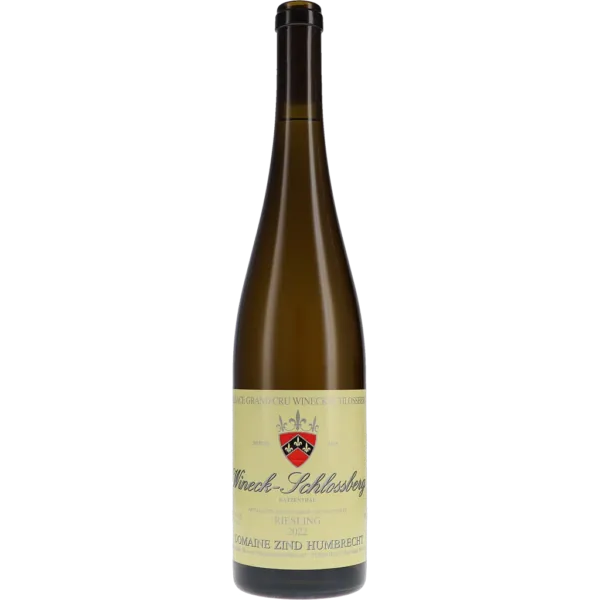
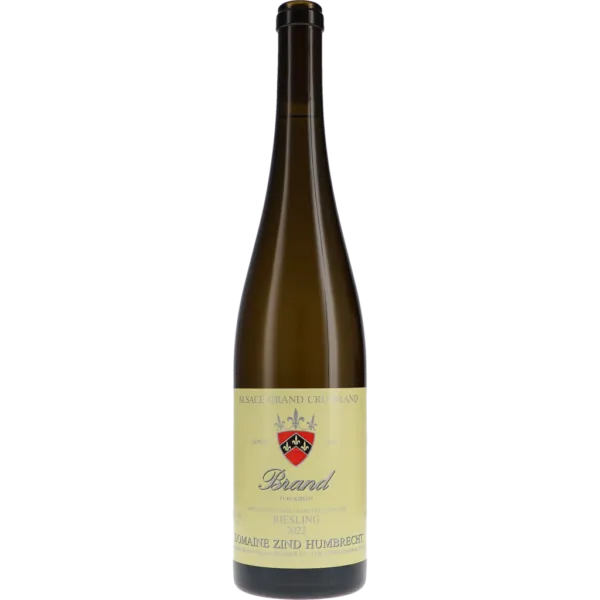
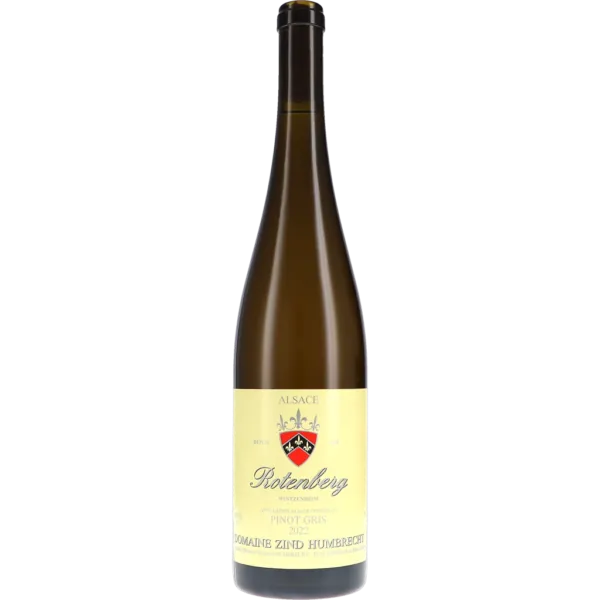
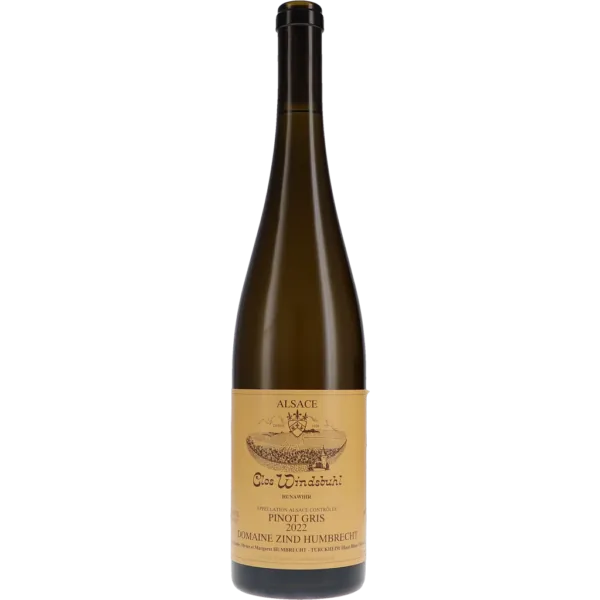
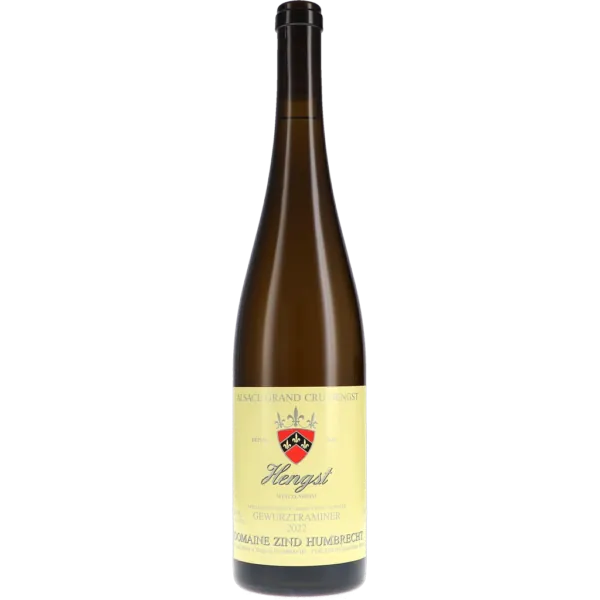
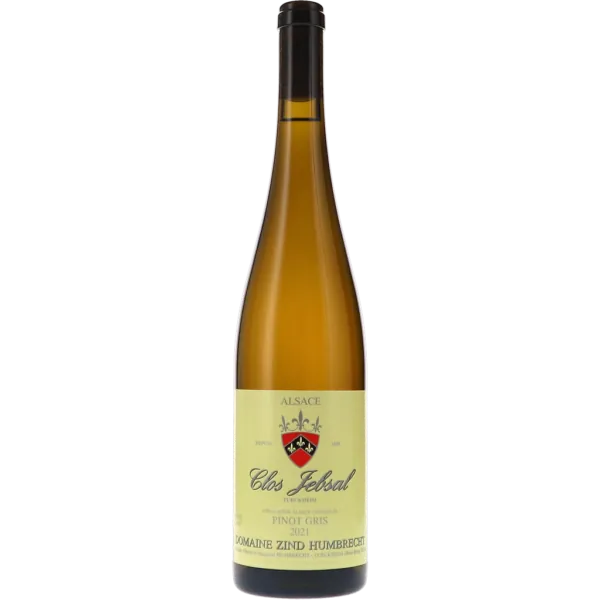
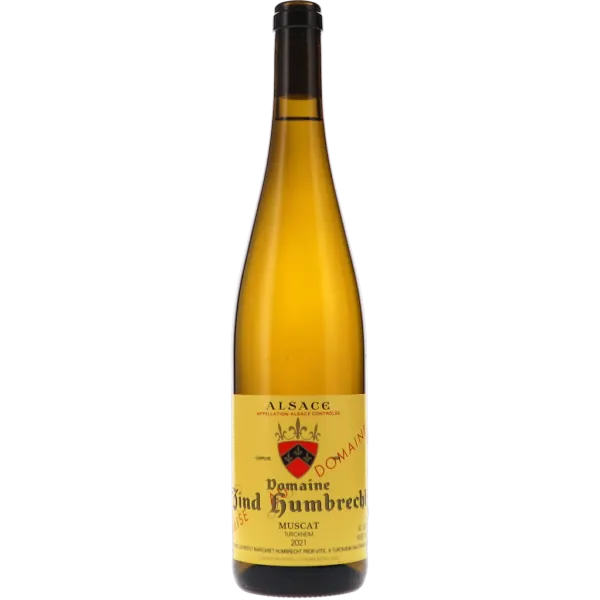
More about Elsass
Alsace wine in the rain shadow of the Vosges
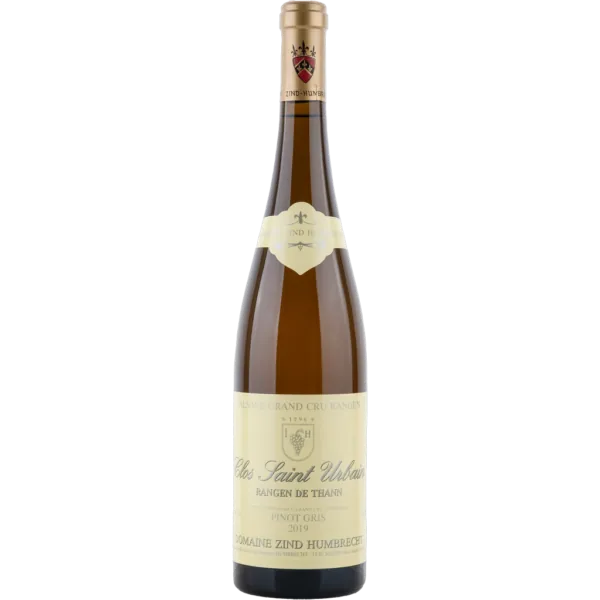
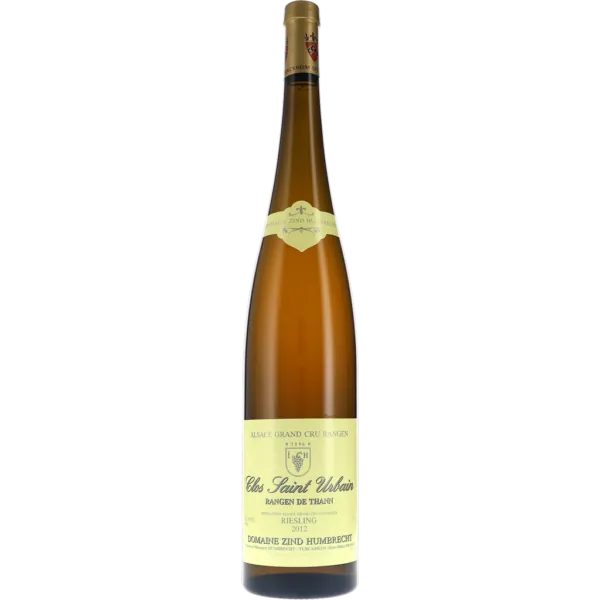
The vineyards run as a narrow band along the foothills of the Vosges from Marlenheim to Thann. The mountains hold back the moist westerly winds, and the grapes ripen through long, dry autumns. The decisive factor for the wines' character is what lies beneath: when the Rhine rift valley subsided, the rock broke into fault blocks, which is why granite, limestone, marl, sandstone and schist often lie only a few hundred metres apart. Granite yields taut Rieslings, while limestone and marl give Pinot Gris and Gewurztraminer their breadth. Above Thann rises the Rangen, an extremely steep vineyard of volcanic rock. The Riesling Rangen de Thann Clos-Saint-Urbain Grand Cru 2017 shows what this soil can do: smoke, flint, wet stone and an acidity that carries the wine for many years.
Riesling, Pinot Gris and the 51 Grand Cru sites
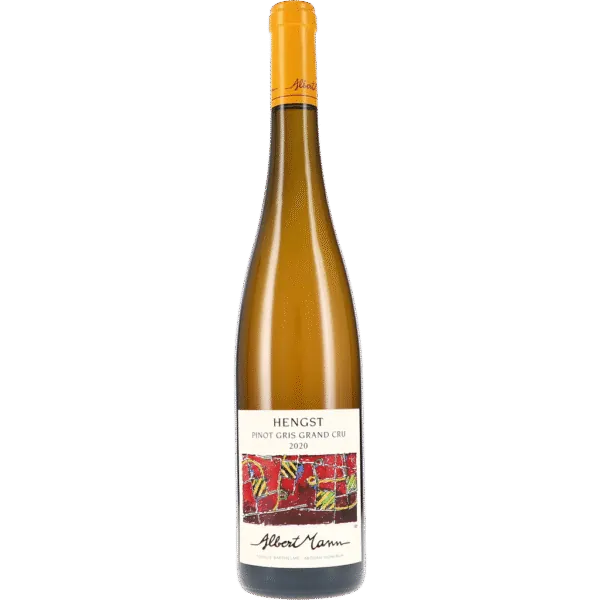
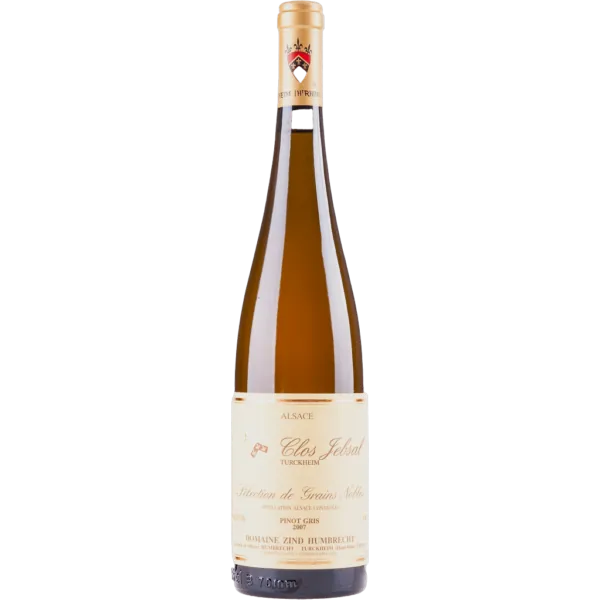
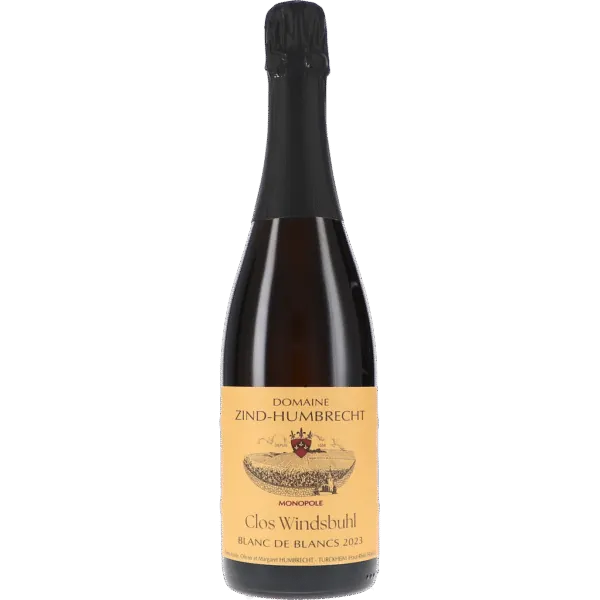
Alsace wine is traditionally labelled by grape variety. Alongside Riesling, the region is defined by Pinot Gris, with its smoke and yellow fruit, and Gewurztraminer, with rose and lychee, plus Pinot Blanc, Auxerrois, Muscat and Sylvaner. Pinot Noir is the only red variety and today is made with great finesse from cool limestone sites. Above the village and single-vineyard wines stand 51 Grand Cru sites, each with its own geology, from the granite of the Brand in Turckheim to the limestone-marl of the Hengst. Many growers now ferment their wines considerably drier than a generation ago, and a good two thirds of our Alsace wines are dry. There are also the nobly sweet Vendanges Tardives and Sélections de Grains Nobles. For sparkling wine there is Crémant d'Alsace, made by the traditional method of bottle fermentation, for instance as a pure Chardonnay from the Clos Windsbuhl.
Organic and natural wine from Alsace: four signatures
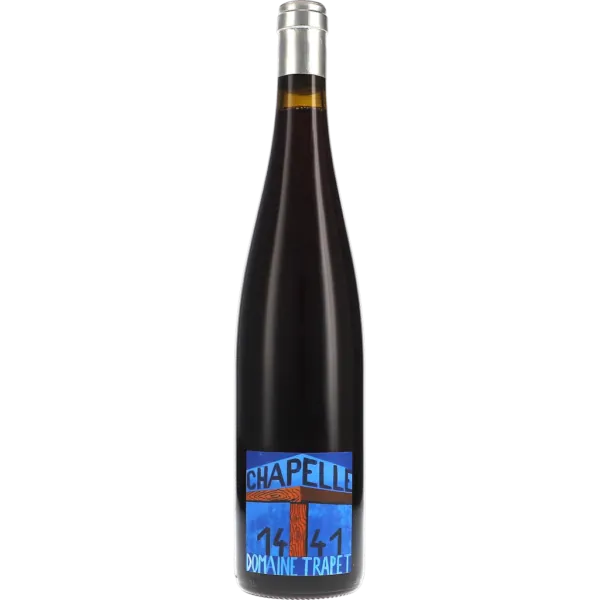
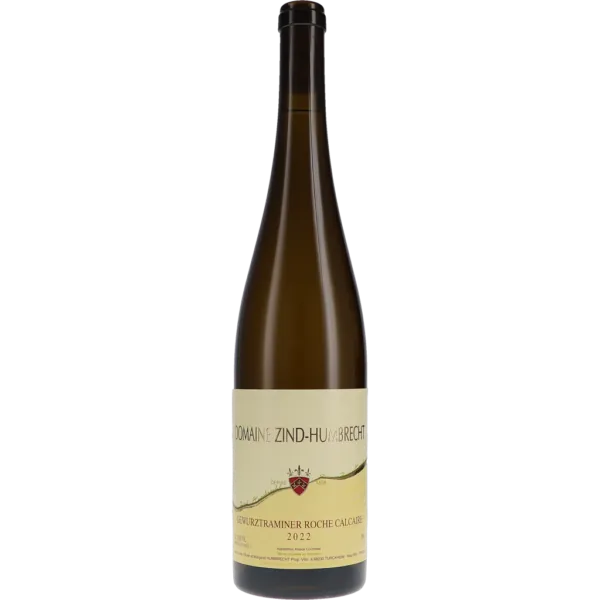
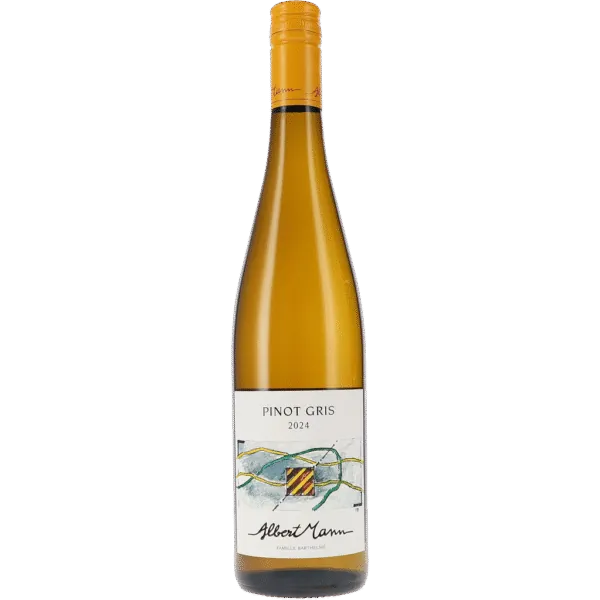
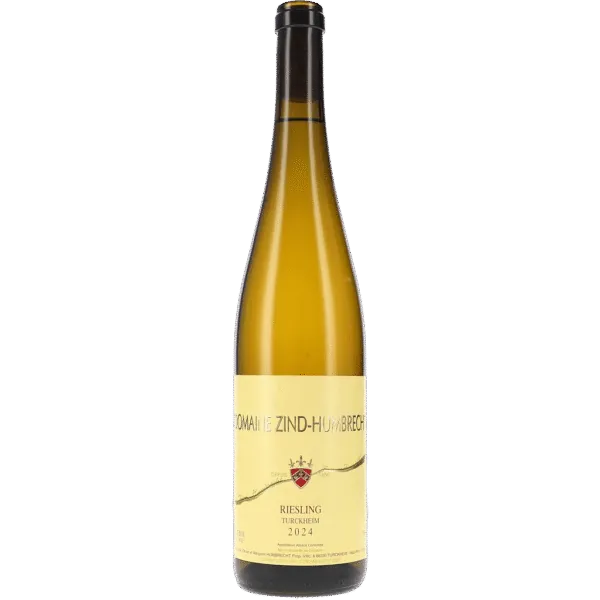
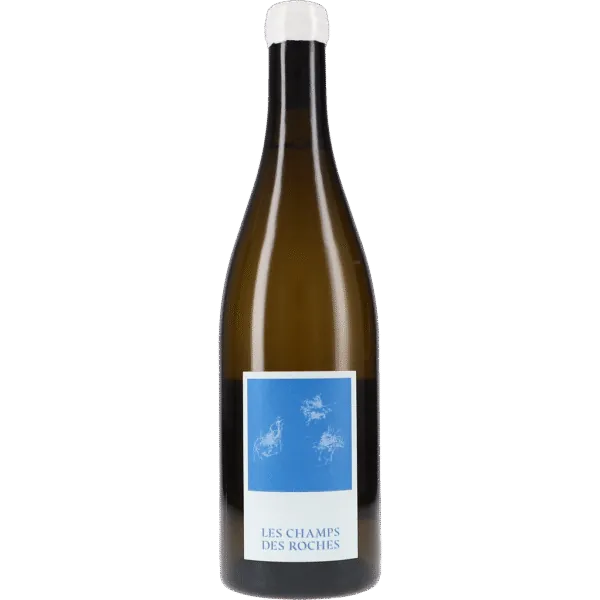
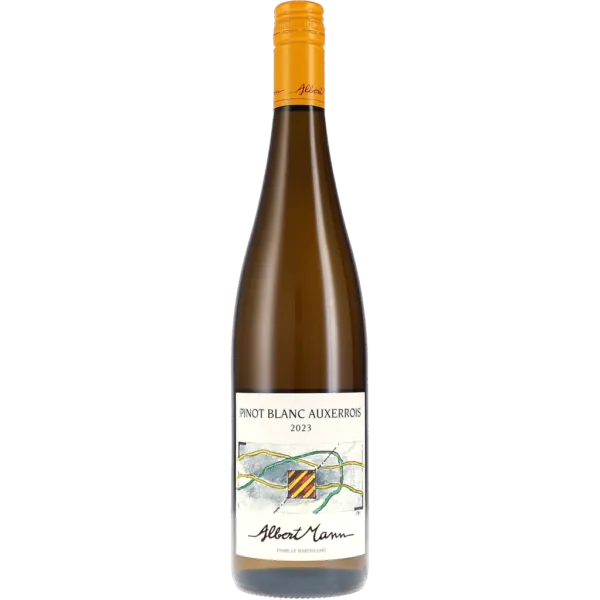
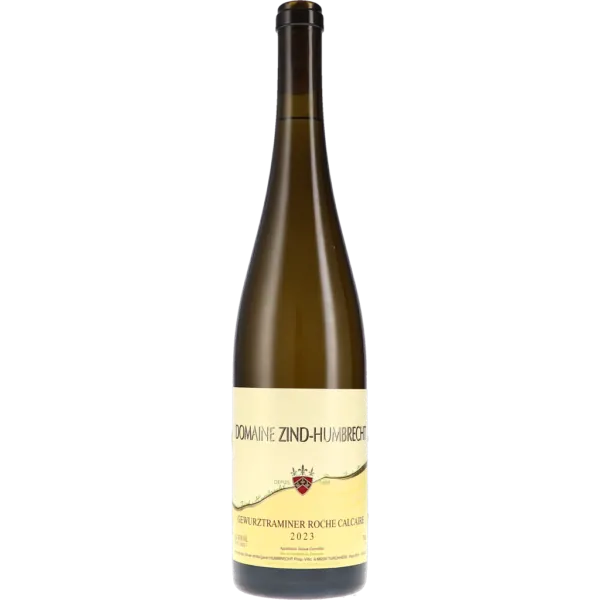
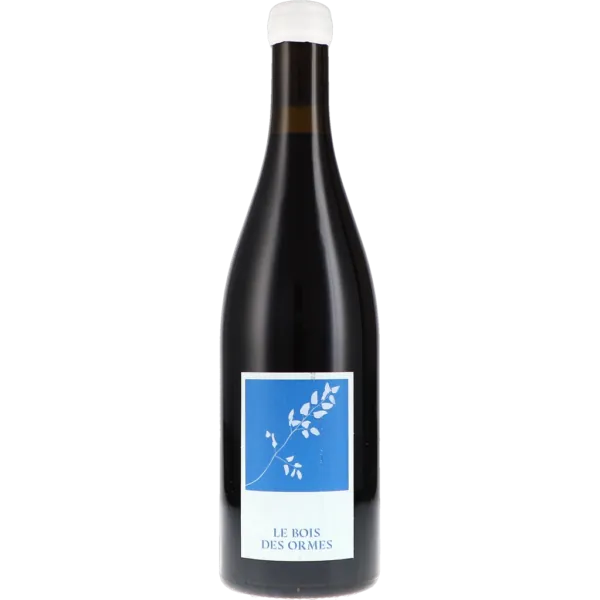
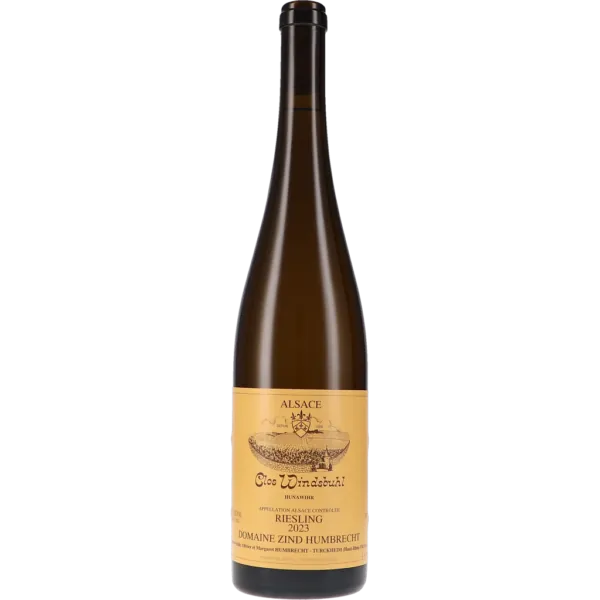
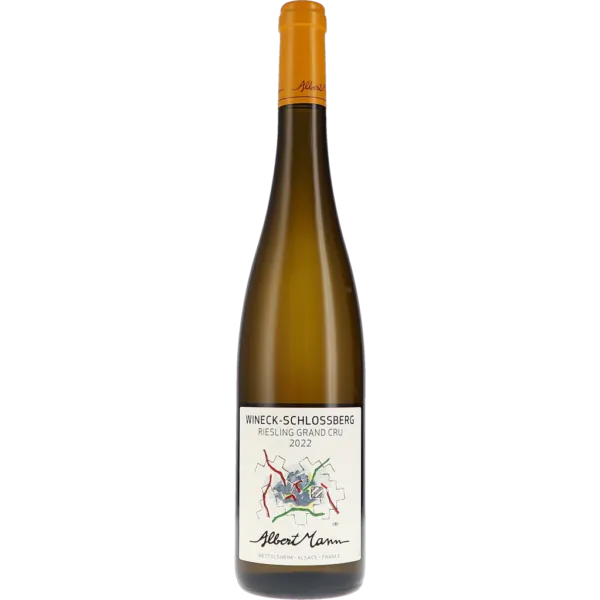
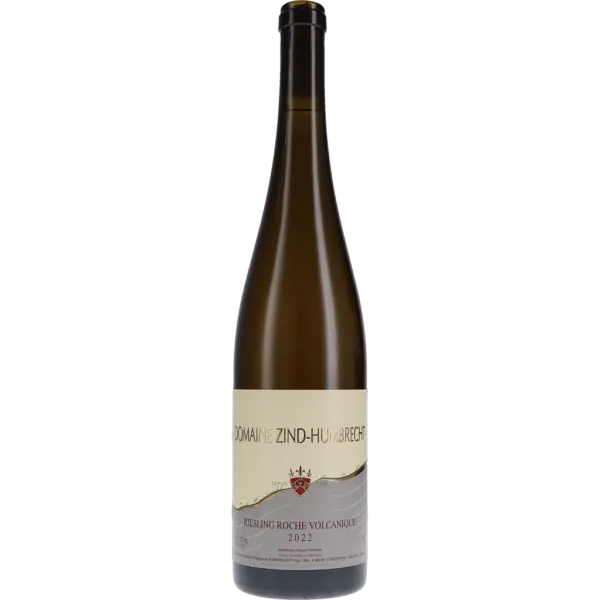
Domaine Zind-Humbrecht in Turckheim farms its vineyards biodynamically; its Roche Calcaire, Roche Volcanique and Roche Roulée range organises the entry-level wines by rock type. Domaine Albert Mann in Wettolsheim stands for precise Grand Cru Rieslings from Schlossberg and Furstentum and for Pinot Noir from the Pfersigberg. Trapet Alsace in Riquewihr combines Grand Crus such as Schoenenbourg and Sonnenglanz with its skin-fermented Ambre wines. Finally, Hunter McKirdy make natural wine in Zellenberg as Vin de France, such as an Auxerrois from gravel over Jurassic limestone-marl or a Pinot Gris fermented like a red wine.
Which Alsace wine for which occasion
A dry Riesling or Pinot Blanc goes with tarte flambée, fish and choucroute, a mature Pinot Gris stands up to poultry, mushrooms and game, and Gewurztraminer finds its partner in Munster cheese and spicy cooking. The Grand Crus need time and air, while the natural wines show best when young. Our selection covers this whole spectrum, from the village wine from Turckheim to the mature magnum from the Rangen.