
 EN
EN  DE
DE  FR
FR  IT
IT 
For fourteen years Paul McKirdy ran the cellar at Zind-Humbrecht, one of the most renowned estates in Alsace. Since 2023 the Scot has been making his own wines in Zellenberg under the name Hunter|McKirdy, together with the South African viticulturist Jolene Hunter. On 3.5 hectares of Jurassic limestone marl the pair farm vines with an average age of 45 years. The grapes are pressed gently over eight hours in a hydraulic wooden press, a technique borrowed from Champagne, and the must ferments spontaneously in old Burgundy barrels. The finished wines go into Burgundy bottles rather than the classic Alsace flute and are labelled Vin de France. The result is at most 25,000 bottles a year of precise minerality.
More about Hunter McKirdy
When Champagne technique meets Alsace vines
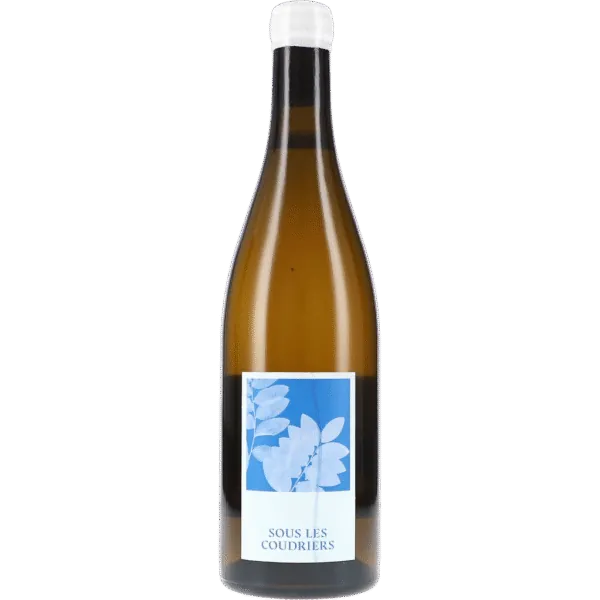
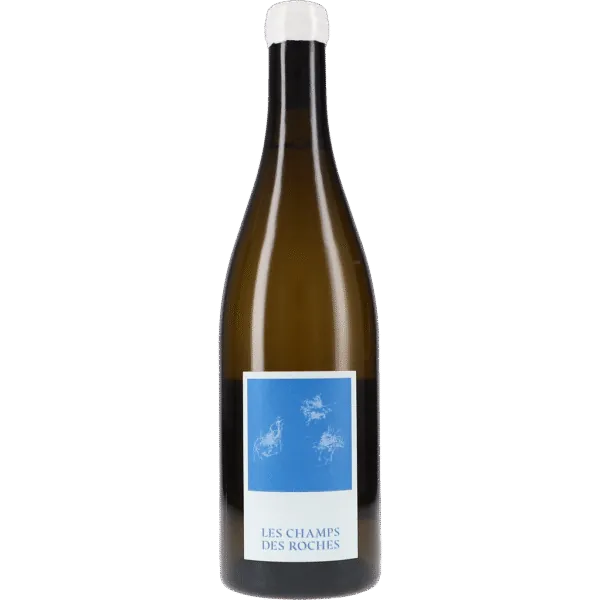
The hydraulic wooden press runs for eight to ten hours. Paul McKirdy presses his grapes as gently as Champagne producers do, a technique he perfected over 14 years as chef de cave at Domaine Zind-Humbrecht. His partner Jolene Hunter ran exports there before the two struck out on their own in 2023. The Riesling for Les Champs des Roches comes from gravel soils, while Sous les Coudriers shows the floral intensity of Pinot Gris.

3.5 hectares between Riquewihr and Ribeauvillé
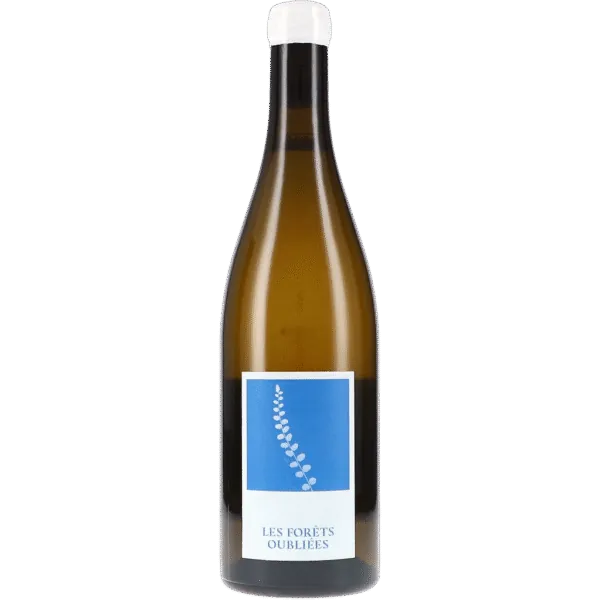
The pair acquired their parcels in Zellenberg from Marc Tempé, a terroir that resembles the Sud Revermont in the Jura. The Jurassic limestone marl shapes wines such as Les Forêts Oubliées, an Auxerrois from 30-year-old vines. The name recalls the once-wooded hills where 14,000 vines per hectare are now farmed entirely by hand. The vines, 45 years old on average, provide the raw material for no more than 25,000 bottles a year, a deliberate limit that puts quality before quantity.

pH values instead of alcohol levels
Harvest begins at pH 3.2, not when the potential alcohol is right. This unconventional approach guarantees a consistent 12.5 per cent alcohol and an acid structure that gives the wines their precise tension. The wines develop slowly in old Burgundy barrels, without added sulphur or other oenological aids. Vin de France appears on the label, a deliberate break with the Alsace AOC, which Hunter and McKirdy find too restrictive. Even the Burgundy bottles break with the Alsace tradition of the slender flute.
When Pinot Gris is made like a red wine
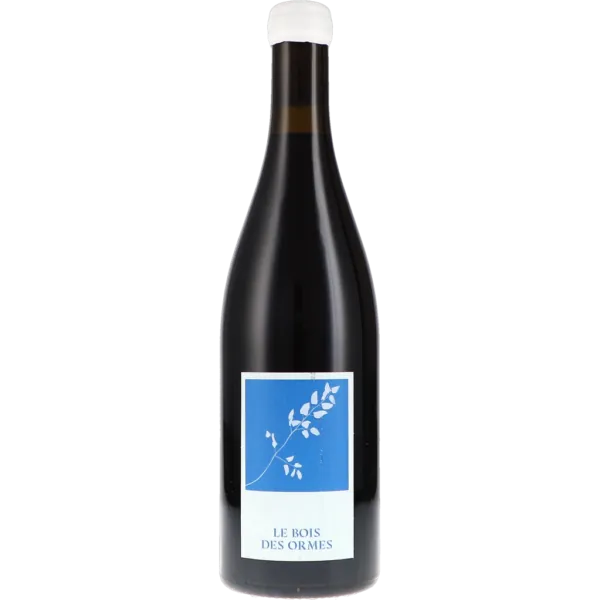
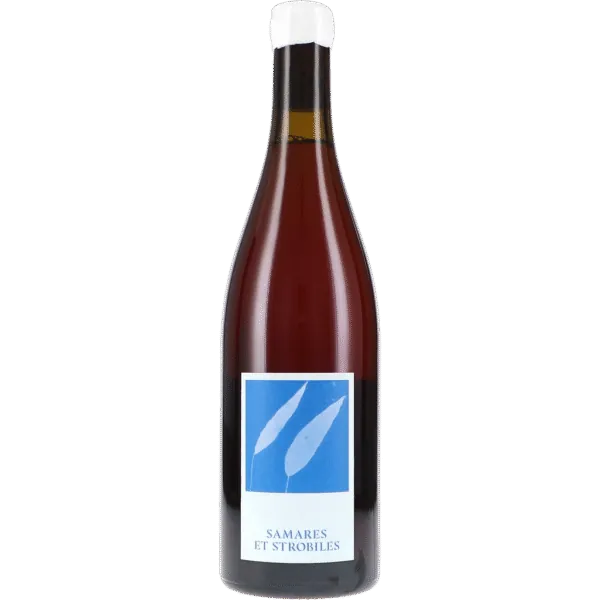
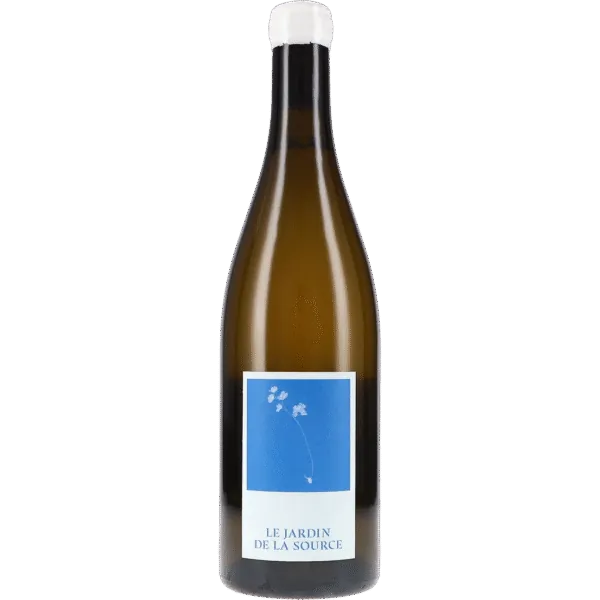
Samares et Strobiles shows a willingness to experiment: Pinot Gris vinified like a red wine develops a surprising depth and structure. Le Bois des Ormes shows the red side of Pinot Noir, while Le Jardin de la Source expresses the cool elegance of the limestone-marl soils. Each wine bears a poetic name that tells of the landscape or its history, from the hazel trees under which the vines grow to the forgotten woods that once covered the hills.