
 EN
 DE
 FR
 IT
-
Christmann & Kauffmann
-
Haardt Hills
-
Andres & Mugler
-
Christmann
-
M. Schädler - Steffen Mugler
-
Michael Andres
-
Odinstal
-
Ökonomierat Rebholz
On the edge of the Haardt, where the Palatinate Forest drops steeply to the Rhine Plain, almond trees blossom as early as March, and figs and sweet chestnuts ripen between the vine rows. Our organic wine from the Palatinate comes from a select few producers who farm organically and, for the most part, biodynamically: Christmann in Gimmeldingen, Ökonomierat Rebholz in Siebeldingen, Odinstal on the high-altitude site above Wachenheim, and Michael Andres in Deidesheim. At the heart of the range is Palatinate Riesling, from estate wines to Grosses Gewächs, grown on coloured sandstone, limestone and basalt, alongside Weissburgunder, Spätburgunder, zero-dosage sparkling wine and a selection of unfiltered wines that one would seek out under natural wine Palatinate.
≈ Aroma: Mineral
In all wines: 167 Wines
More about Pfalz
Along the Haardt: Almonds, Figs and Riesling
The Pfalz is a narrow strip of vineyard land along the Deutsche Weinstraße. To the west the Pfälzerwald forest keeps off rain and wind; to the east the land opens onto the warm Rhine plain. The Haardt, the eastern escarpment of the hills, is one of the warmest and driest wine landscapes in Germany; almonds and figs in the gardens show just how mild it is here. The Mittelhaardt, with Forst, Deidesheim, Ruppertsberg and Gimmeldingen, has been regarded as the heartland of Pfalz Riesling since the 19th century. Further south, in the Südpfalz around Siebeldingen and Birkweiler, holdings become smaller and the Pinot varieties gain in importance.
Buntsandstein, Limestone and Basalt: Pfalz Riesling by Origin
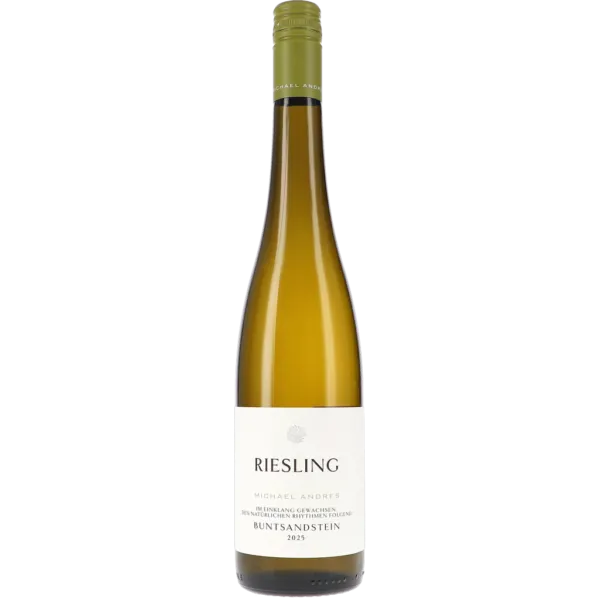
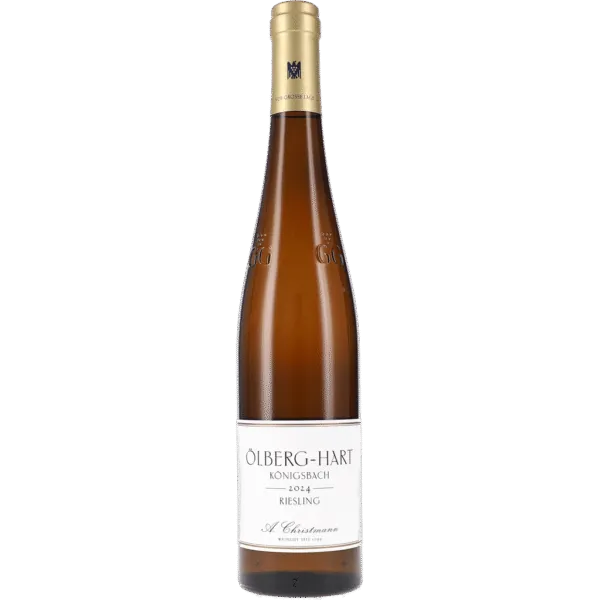
What a Riesling from the Pfalz expresses depends heavily on the soil. Buntsandstein, the red sandstone bedrock of the Pfälzerwald, gives slender, cool wines with citrus and smoky spice. Calcareous marl, as in the Königsbach site IDIG, brings tension and a saline drive; loess and loam on the plain make the wines rounder. A particular feature is the basalt from the extinct volcanic vent of the Pechsteinkopf, which made the Forst site Pechstein famous. Odinstal, high above Wachenheim, has all three rock types within one site and bottles them separately, so in the Odinstal Riesling Basalt 2023 you can taste the dark, smoky stone. In the Südpfalz, Rebholz provides the counterpoint: Rotliegend in the Birkweiler Kastanienbusch Riesling GG 2024, Muschelkalk in the Siebeldingen Im Sonnenschein.
Organic Wineries in the Pfalz: Biodynamic from the Haardt to Siebeldingen
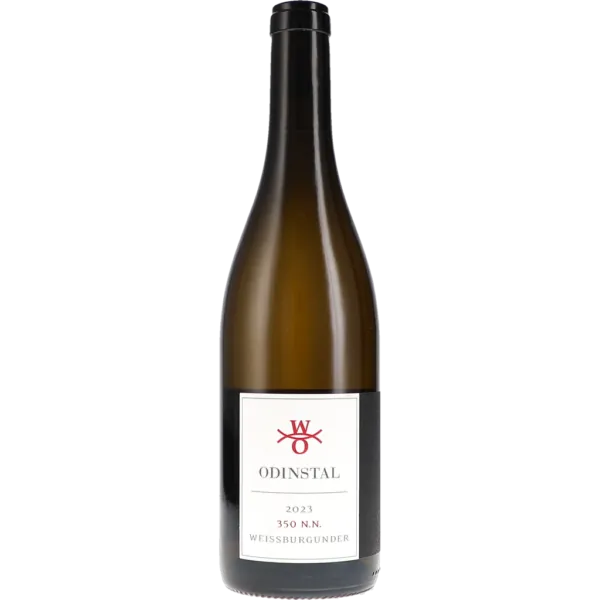
The Pfalz has a lively organic scene, and our selection focuses on estates that tend their vineyards as a whole. Christmann in Gimmeldingen, one of the defining VDP estates of the Mittelhaardt, farms its Grosse Lagen according to Demeter guidelines. Odinstal, at around 350 metres, is also biodynamic, ferments many wines spontaneously and bottles them unfiltered; this is the Pfalz address if you are looking for natural wine with a sense of place. Ökonomierat Rebholz in Siebeldingen has stood for uncompromisingly dry wines for generations and farms its sites organically. Michael Andres in Deidesheim makes small lots from Mäushöhle, Kieselberg and Reiterpfad, and M. Schädler with Steffen Mugler shows how good organic Pfalz Gutsweine can taste as everyday wines.
Weissburgunder, Spätburgunder and Sekt from the Pfalz
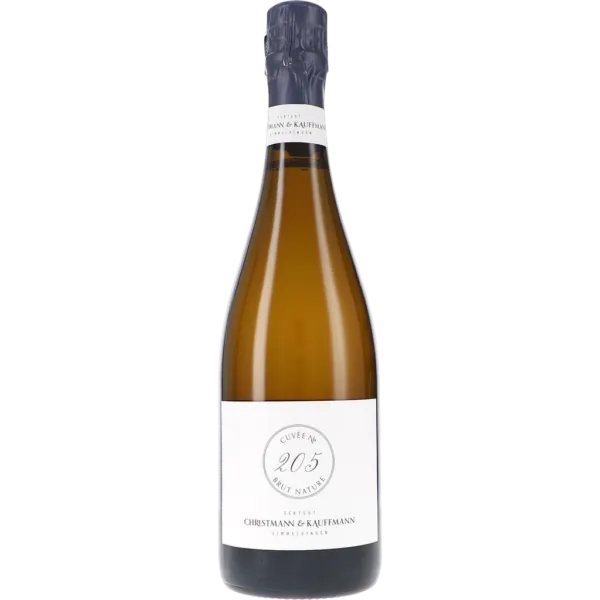
The warm climate suits the Pinot family. Weissburgunder from limestone, such as Rebholz's Grosse Gewächse Mandelberg and Im Sonnenschein, combines pear and almond with taut acidity. Spätburgunder from Christmann's Vogelsang and IDIG sites shows cherry, forest floor and fine tannins, and needs a few years. The Pfalz is growing ever stronger in Sekt: Christmann & Kauffmann in Gimmeldingen and Andres & Mugler produce single-site Sekt without dosage with long lees ageing. Anyone wishing to get to know the region will find everything here from a dry Guts-Riesling to a mature Grosses Gewächs in magnum.