
 EN
 DE
 FR
 IT
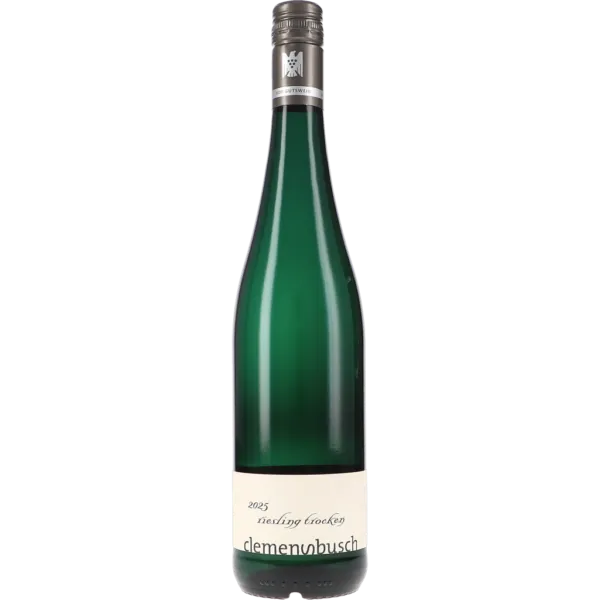
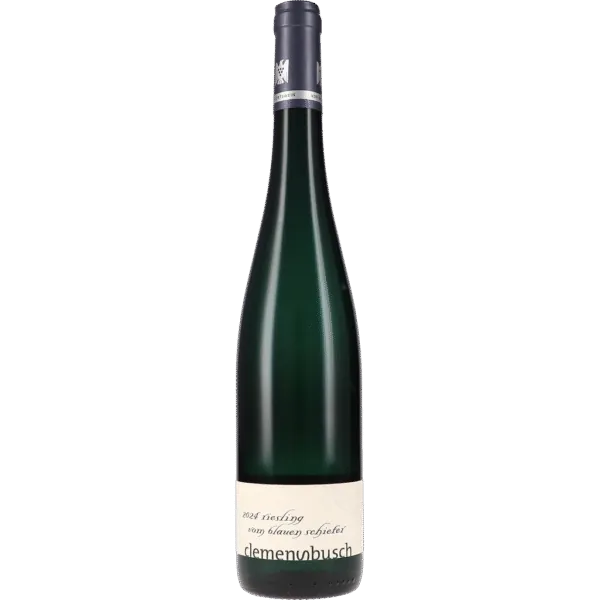
Along the Mosel, vines cling so steeply above the river that many vineyards can only be tended by foot and entirely by hand, rooted in Devonian slate that weathers to shades of blue, grey or red and retains the day’s warmth well into the night. From this rock and the cool river valley emerges Riesling with vibrant acidity, moderate alcohol and precise fruit, which as a German Prädikatswein from the Mosel ranges from the ethereal Kabinett to the concentrated Auslese. We work with three organically farmed estates: Clemens Busch in Pünderich, Weiser-Künstler in Traben-Trarbach and Karthäuserhof on the Ruwer. Their dry and fruit-sweet Rieslings, sparkling wines and individual natural wines reveal what organic wine from the Mosel tastes like when the vineyard site sets the tone.
Grape variety: RieslingResidual sugar: Dry
In all wines: 302 Wines
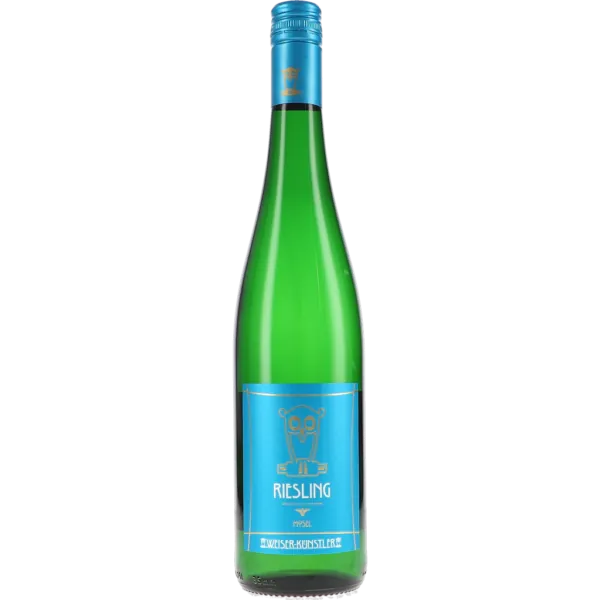
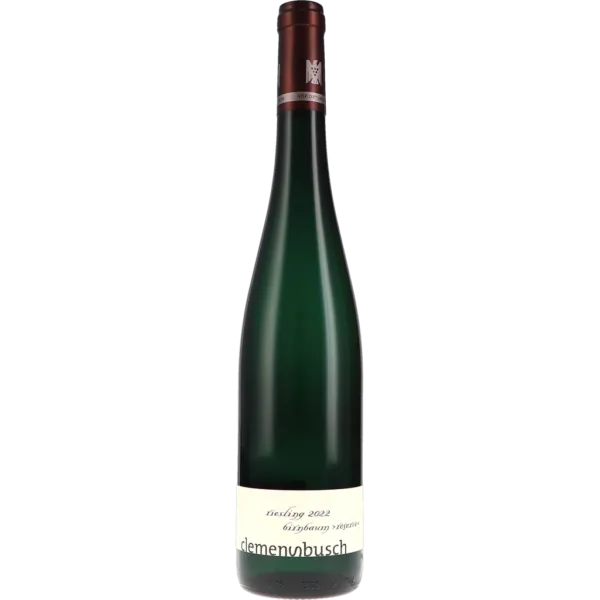
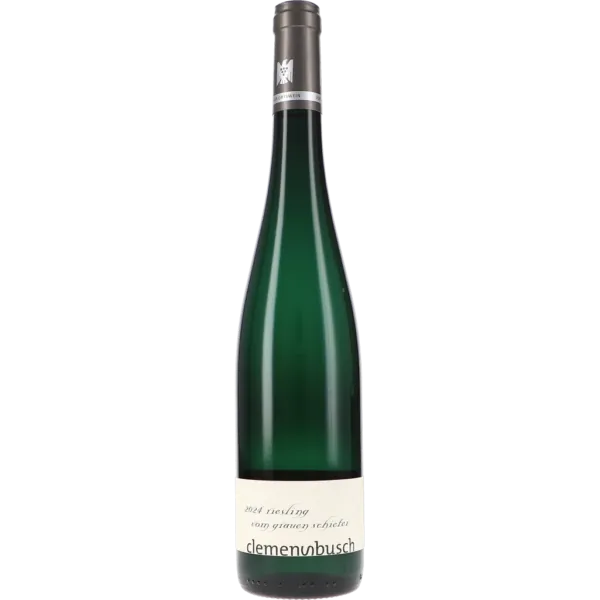
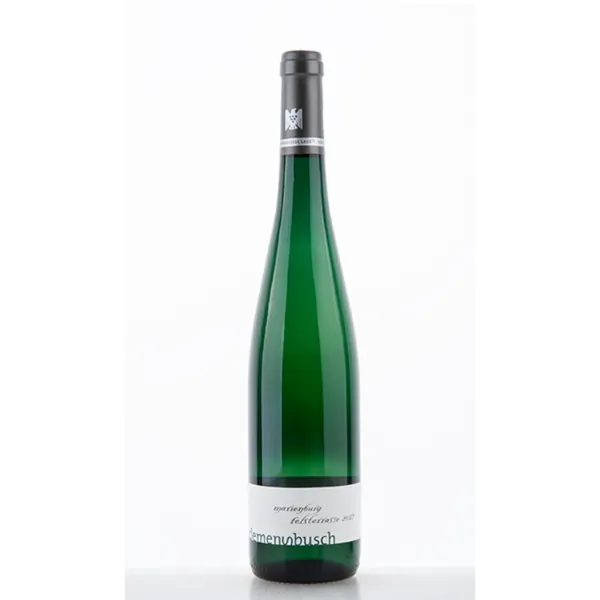
More about Mosel
Devonian slate, steep slopes and a river that stores warmth
The region follows the Mosel in tight loops down to Koblenz and includes the valleys of the Saar and Ruwer; until 2007 it was called Mosel-Saar-Ruwer. The best vineyards lie on slopes falling southwards to the water. The river reflects light onto the vines and tempers frost, the dark Devonian slate absorbs warmth during the day and releases it to the grapes in the evening, and the northerly latitude ensures a long, cool ripening period that lasts well into October. This preserves the acidity, and green apple, vineyard peach and citrus are joined by the smoky, salty spice of the slate. Our article Wine from slate shows what blue, grey and red slate do in the glass. The defining variety is Riesling, which is especially taut and finely structured on the Saar and Ruwer, the coolest side valleys.
German Prädikatswein from the Mosel: what Kabinett, Spätlese and Auslese mean
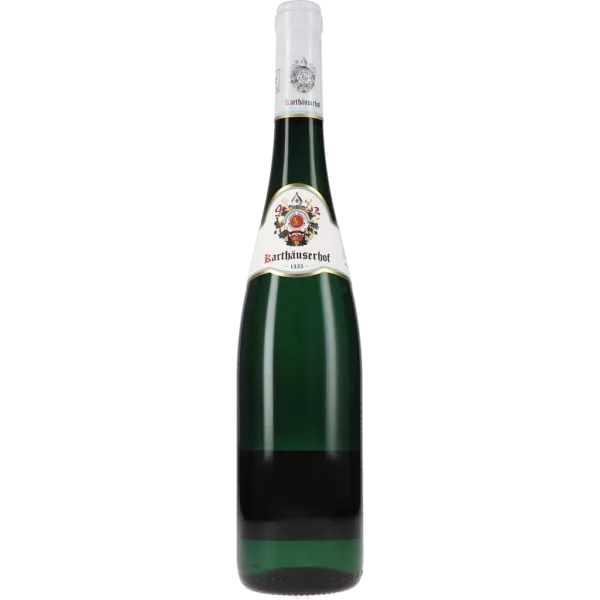
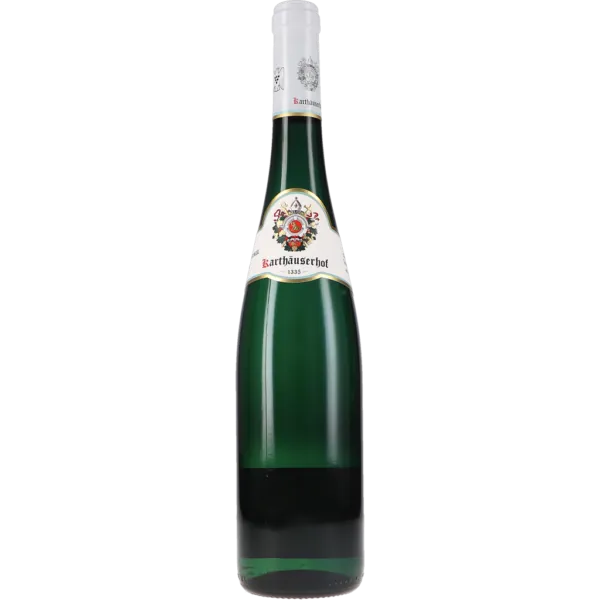
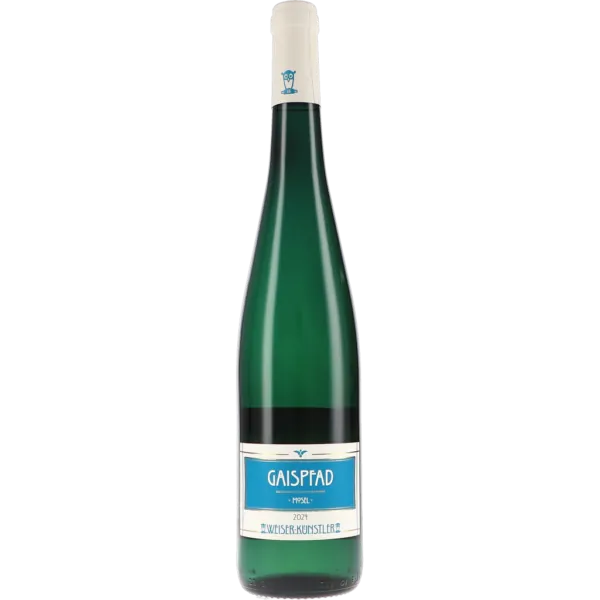
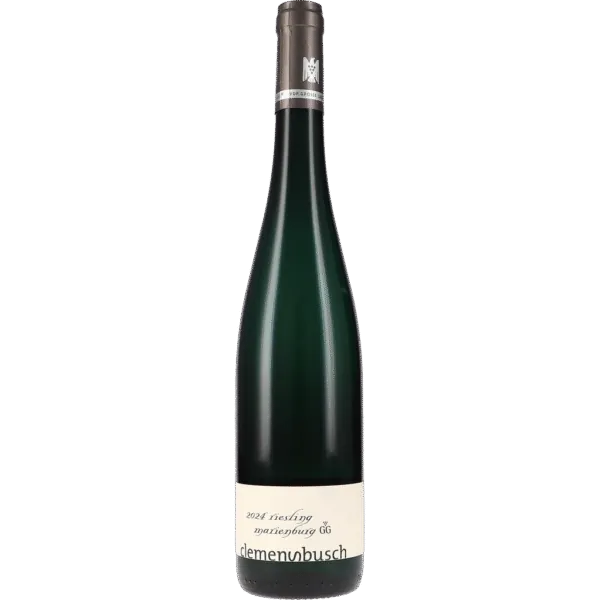
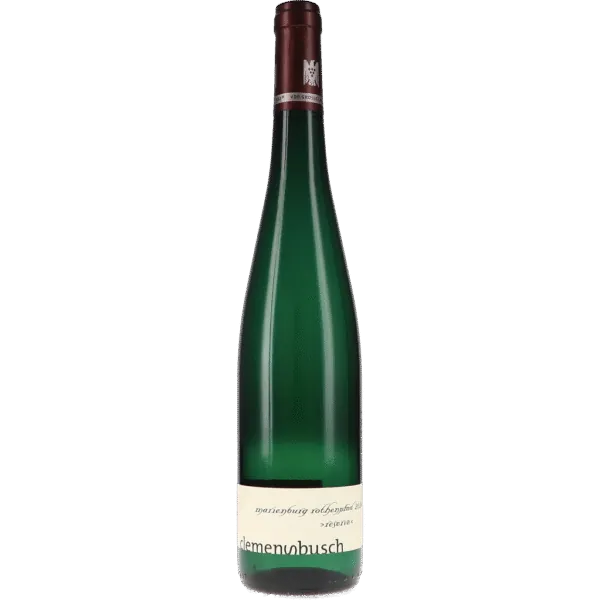
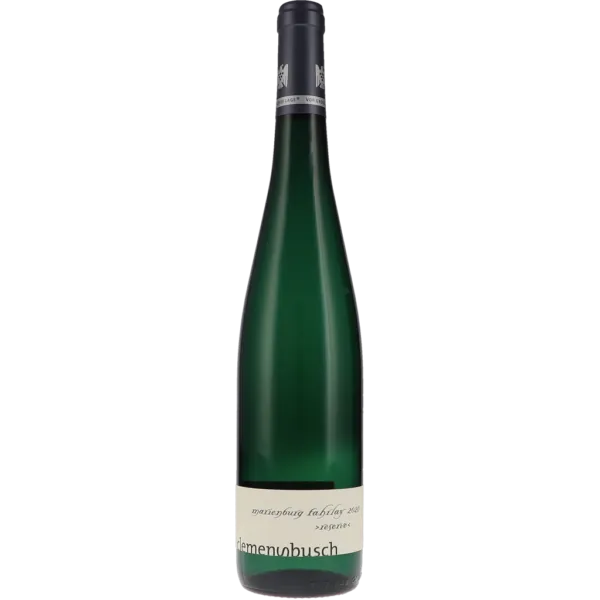
The Prädikat levels describe the ripeness of the grapes at harvest, measured by must weight; they say nothing about the sweetness of the finished wine. A Kabinett comes from ripe but early-picked grapes and is the lightest style, a Spätlese from later-harvested, riper grapes, and an Auslese from selected, very ripe and often botrytised berries. Adding sugar is prohibited for all Prädikat wines. Whether a Kabinett turns out dry or fruity-sweet is the grower's decision: Weiser-Künstler bottles a dry Kabinett from the Trabener Gaispfad, while Karthäuserhof makes one with delicate residual sweetness from the Karthäuserhofberg. The VDP has its own classification: dry top wines from Grosse Lage sites are called Grosses Gewächs, and the classic Prädikat terms are reserved for fruity-sweet wines, as with the Riesling Marienburg Spätlese VDP Grosse Lage 2024 from Clemens Busch.
Organic wine from the Mosel: Pünderich, Traben-Trarbach and the Ruwer valley
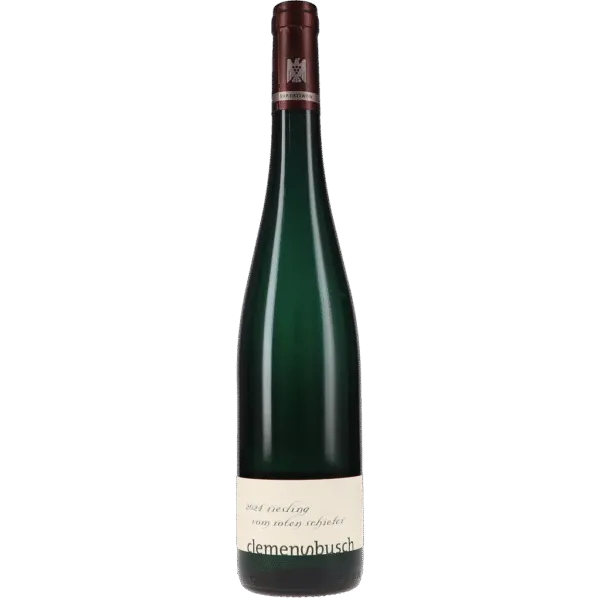
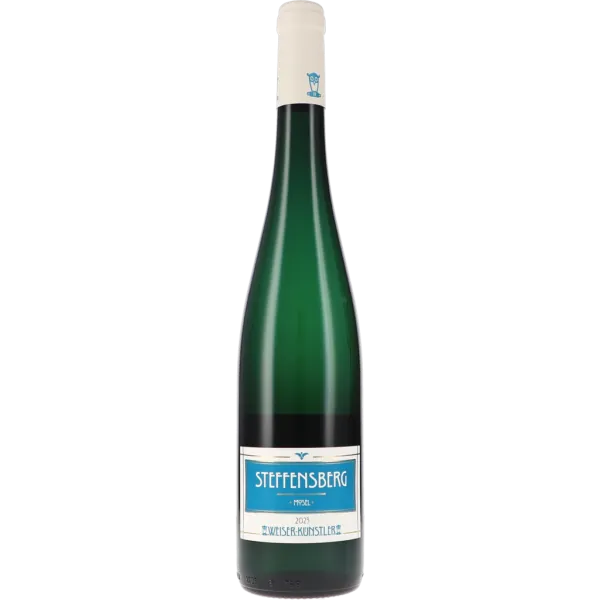
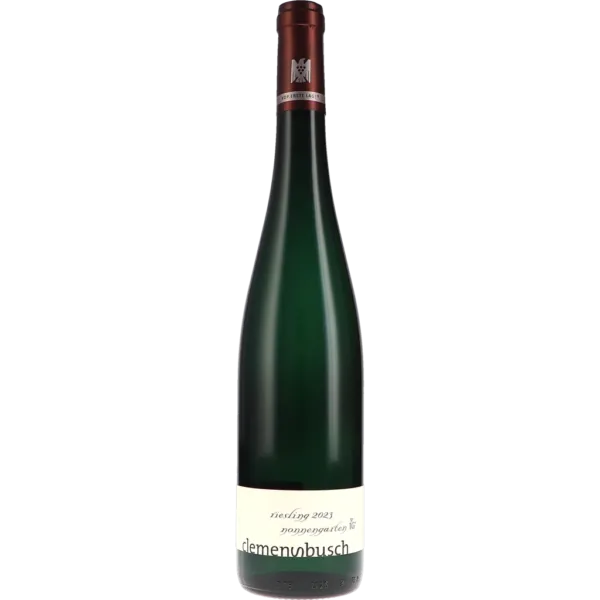
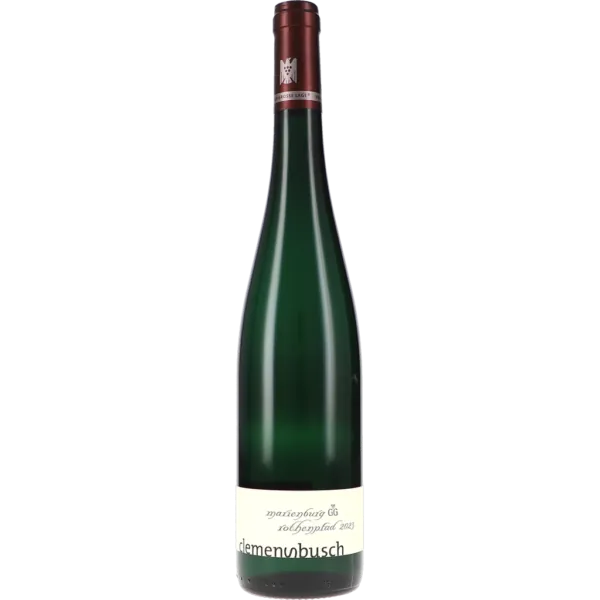
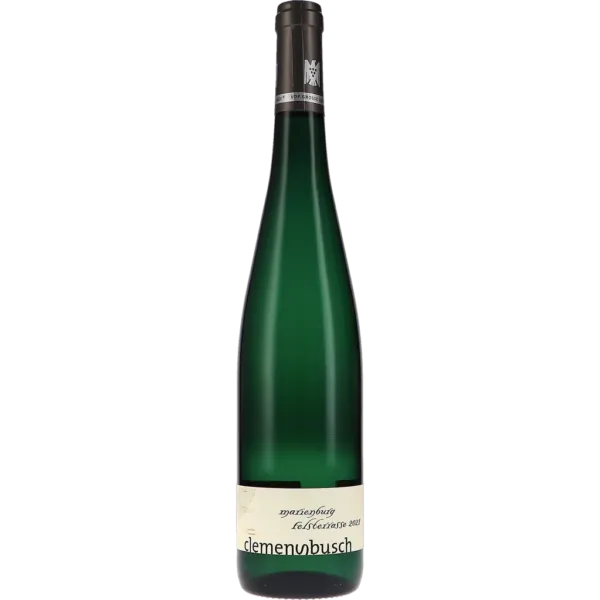
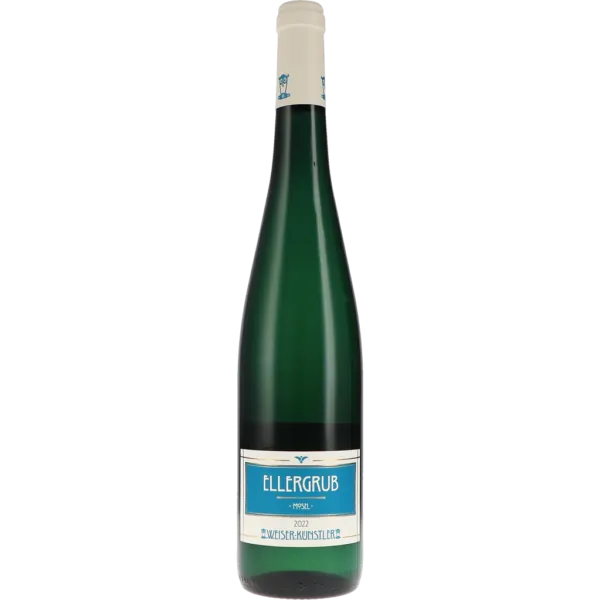
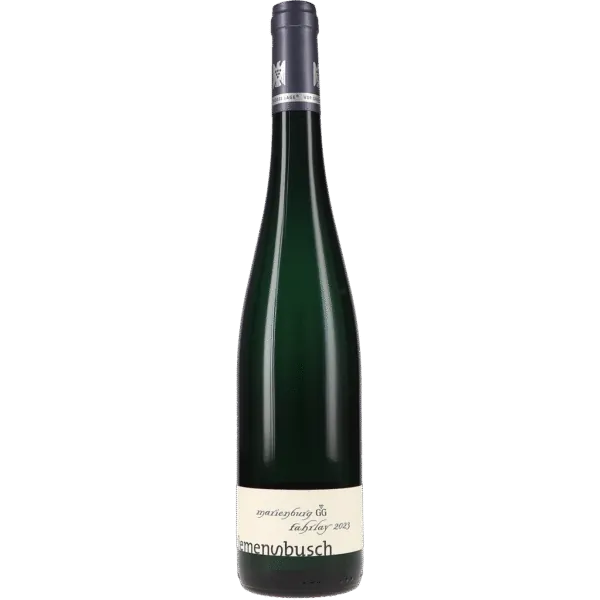
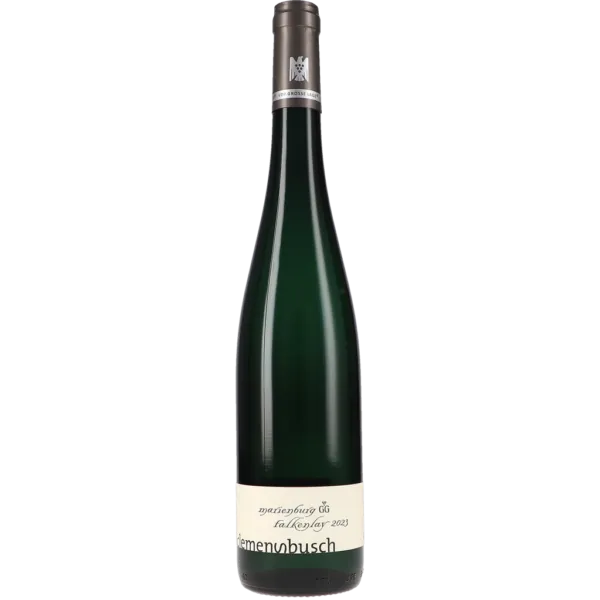
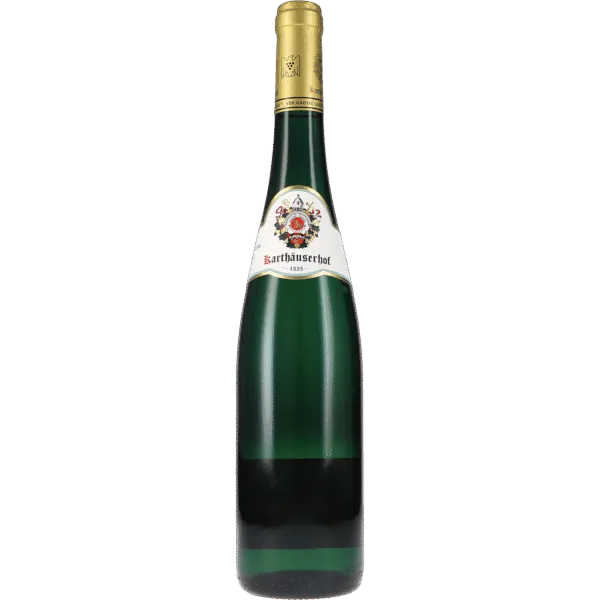
In Pünderich, Clemens Busch farms the Marienburg biodynamically and has divided the slope according to its rocks: Fahrlay sits on blue, Falkenlay on grey and Rothenpfad on red slate, and each parcel is bottled as its own Grosses Gewächs. Weiser-Künstler in Traben-Trarbach tends terraces in the Enkircher Ellergrub and the Trabener Gaispfad, along with old, ungrafted vines in the Steffensberg. Besides dry wines, Ellergrub and Gaispfad yield filigree fruity-sweet Kabinetts, Spätlesen and Auslesen. Karthäuserhof in Eitelsbach owns the Karthäuserhofberg as a monopole in the cool Ruwer valley; from there come the Schieferkristall, the Eitelsbacher Alte Reben and the Grosses Gewächs.
Natural wine from the Mosel and Sekt from slate sites
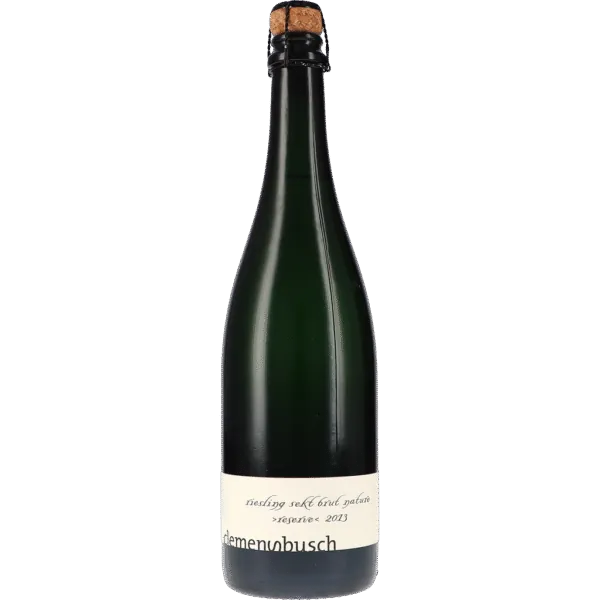
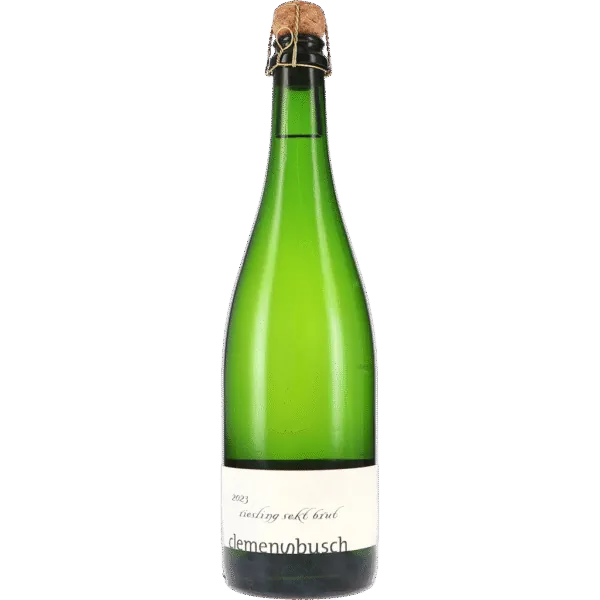
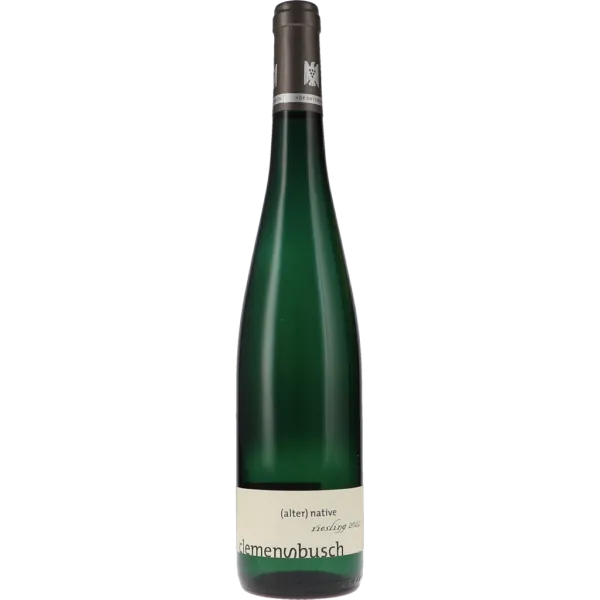
Anyone looking for natural wine from the Mosel will find it at Clemens Busch: the Riesling (alter)native ferments spontaneously with skin contact and gains structure from the skins. The Sekts from Busch and Karthäuserhof mature on the lees by the traditional method of bottle fermentation, and the Riesling Sekt Brut Nature Reserve 2013 brings the Mosel's acidity into the glass without dosage. Our selection ranges from dry Gutswein to nobly sweet Auslese.