Skip to content

Weiser-Künstler

wise artist

The Weiser-Künstler winery stands for the renaissance of classic Moselle wines. Konstantin Weiser and Alexandra Künstler have been cultivating old, partly ungrafted vines on the steep slopes of Enkirch and Traben-Trarbach since 2005. On just four hectares of organically cultivated vineyards, they create precise Rieslings characterised by slate, which shine with clarity, elegance and authentic origin. From delicate Kabinett wines to profound Spätlese wines - this is Mosel Riesling in its purest form.

More about the winery


More about Weiser Artists

The Moselle with its picturesque bends and imposing steep slopes has enchanted wine lovers worldwide for centuries. Something remarkable has developed in this historic landscape: A young winery that has quickly become one of the region's most interesting protagonists. We are talking about the Weiser-Künstler winery, a project that started out as minimalist as it is ambitious and is now one of the shining stars in the Moselle sky.

From dream to vineyard

In 2005, Konstantin Weiser and Alexandra Künstler took the plunge into the deep end. They founded their own winery on the Middle Moselle without a family winemaking tradition, but with all the more passion and vision. Unlike many of their colleagues, they do not come from any of the long-established winegrowing dynasties. What initially appeared to be a disadvantage soon turned out to be a blessing: Unburdened by convention, they were able to go their own way.

Trabener Gaispfad dry stone wall

Their history began with a modest 1.8 hectares in the Enkircher Ellergrub - a site that already received the highest ratings in the Prussian vineyard map of 1897. Today, they cultivate around four hectares, spread over various top sites: Enkircher Ellergrub, Enkircher Steffensberg, Trabener Gaispfad, Trabacher Schlossberg and Wolfer Sonnenlay. A special treasure are the numerous ungrafted vines, some of which date back to around 1900 and were spared from the phylloxera catastrophe.

Konstantin Weiser began his career as a winemaker at the renowned Immich-Batterieberg winery, where he honed his craft. He gained additional experience at Leitz in the Rheingau and at Minges in the Palatinate. Alexandra Künstler, originally from Franconia, brought her own winemaking perspective to the partnership. This combination of different influences still characterises the unique style of their wines today.

Steep slopes and old vines: The terroirs of Weiser-Künstler

Anyone who visits the vineyards of Weiser-Künstler gets a direct impression of the challenge of winegrowing on the Moselle. Their plots are among the steepest in the region, terraced and often so sloping that machine labour is almost impossible. Many of their vineyards are still cultivated using the traditional single-pole method - without wire frames, as has been the tradition for centuries.

enkircher ellergrub steep slope
Enkircher Ellergrub steep slope

The soils are characterised by blue and grey Devonian slate, which gives the wines their characteristic minerality. These slate soils store the heat of the day and release it to the vines at night - a natural temperature equalisation that is invaluable in this cool wine-growing climate.

The two winegrowers are particularly proud of their stock of old, ungrafted vines. These vines, which grow on their own roots, are not only living history, but also guarantee wines of particular depth and complexity. They produce lower yields, but grapes of the highest quality and expressiveness.

Each of its sites has its own character: Enkircher Ellergrub, with its steep slope of up to 70%, produces mineral wines with a fine acid structure. The Trabener Gaispfad, a narrow side valley of the Moselle, is known for its barren soil and the particularly delicate flavour of its wines. The Trarbacher Schlossberg impresses with its strength and flavour, while the Wolfer Sonnenlay produces wines of particular ripeness thanks to its sun-drenched location.

Organic viticulture in an extreme location

Harvest in the steep slope Trabener Gaispfad

Practising organic viticulture on the Moselle is a special kind of challenge. The steep slopes, the humid climate and the labour-intensive cultivation make many winegrowers shy away from this step. Not so Konstantin Weiser and Alexandra Künstler. They have decided in favour of organic viticulture out of deep conviction, even if this means that almost every step has to be done manually.

In their vineyards, they consistently refrain from using synthetic pesticides, herbicides and artificial fertilisers. Instead, they rely on organic preparations, promote natural biodiversity and work in harmony with natural cycles. Soil cultivation is carried out carefully in order to preserve the delicate structure of the slate soils.

This natural cultivation is time-consuming and labour-intensive - especially on steep slopes, where every step requires a lot of strength and endurance. But for Weiser-Künstler, this extra effort is an investment in the quality of their wines and the future of their vineyards. Together with Clemens Busch, they form the ecological spearhead in this part of the Moselle.

Their philosophy continues in the cellar. Gentle processing takes centre stage here. After selective hand-picking, the grapes are gently pressed. Fermentation takes place spontaneously with natural yeasts in a cool, deep cellar. For the dry wines, they use traditional Mosel oak barrels, while the residual sweet wines are matured in stainless steel tanks. There is no excessive technical intervention - the wine should be allowed to develop naturally.

From estate wine to Auslese: The wine portfolio

The Weiser-Künstler winery's range is classically Moselle-style and covers the entire spectrum of Riesling. The spectrum ranges from dry wines to traditional Prädikat wines and noble sweet specialities. Konstantin and Alexandra attach great importance to interpreting the Prädikats in their original form - for them, a Kabinett tastes like a Kabinett and not like a downgraded Spätlese.

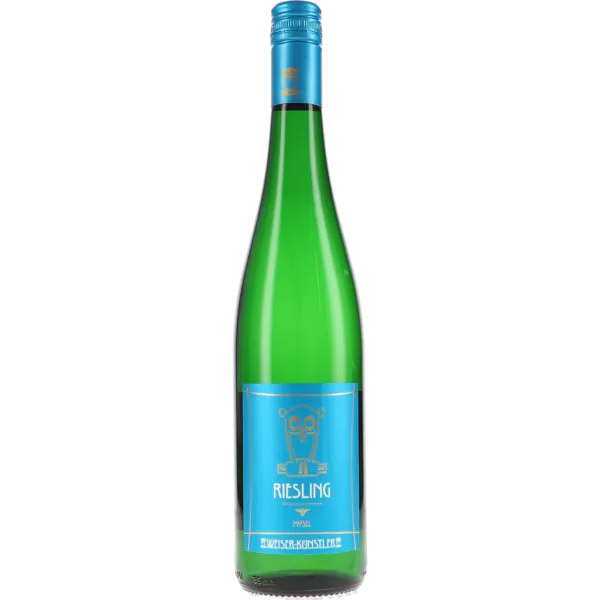
The estate wine "Riesling Weiser-Künstler" is the starter - fresh, accessible and with typical Mosel character. It represents the house style at a very fair price and is an ideal ambassador for the winery.

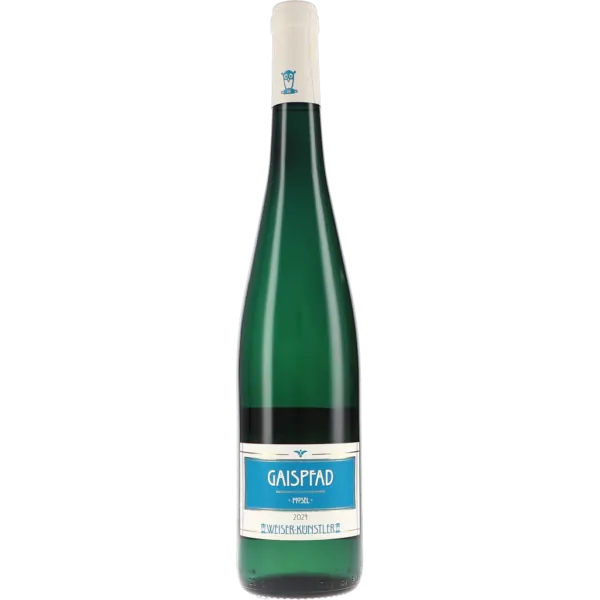
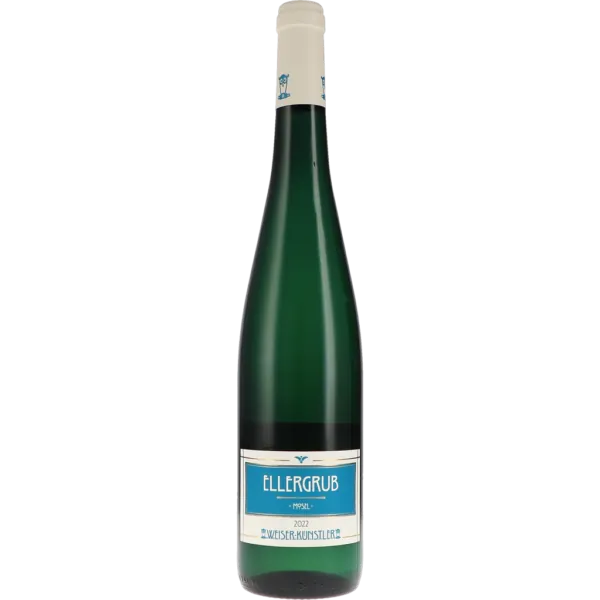
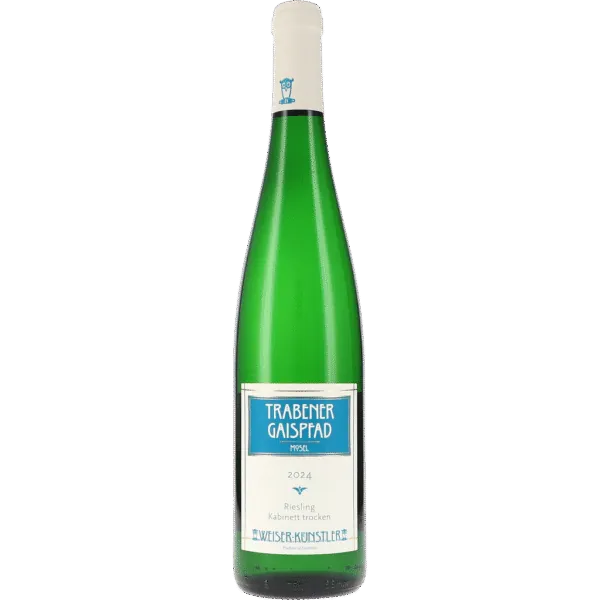
The Trabener Gaispfad and the Enkircher Ellergrub particularly shine in the category of single-vineyard wines. The dry Kabinett from the Gaispfad impresses with its radiance and precise structure, while the Ellergrub shows more depth and complex slate notes. A special jewel is the "Grosse Eule" from the Ellergrub - a wine that is only produced in the best years and demonstrates the full potential of this top vineyard.

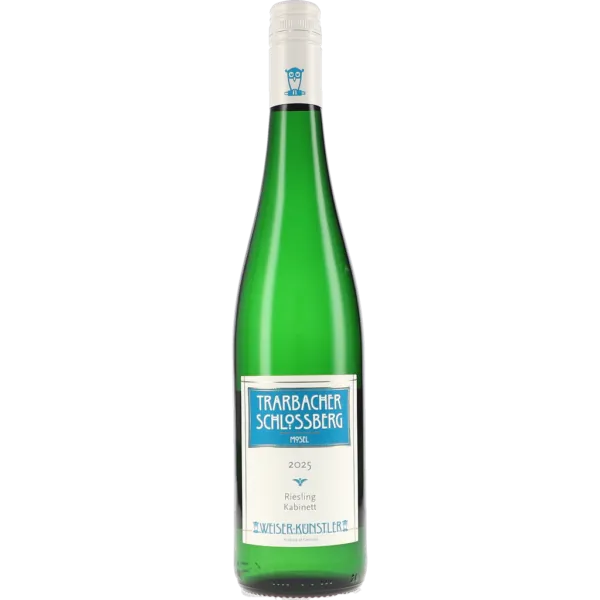
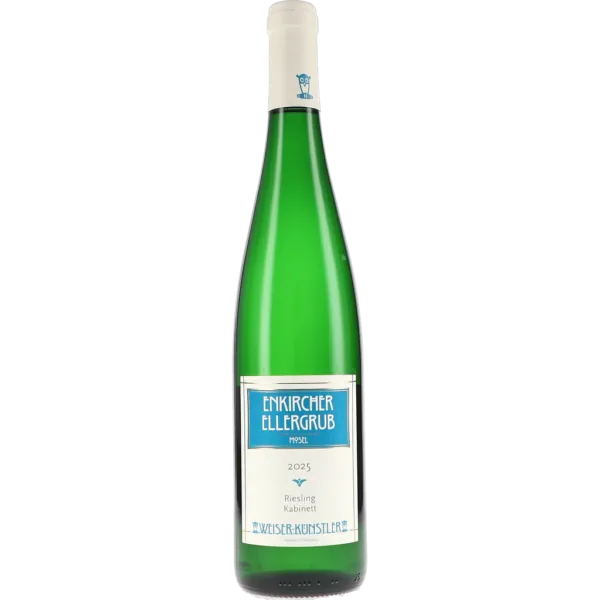
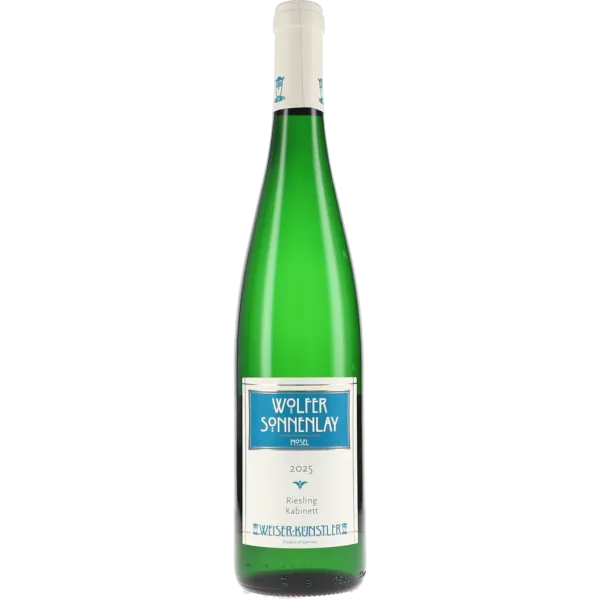
The Prädikat level begins with the Kabinett wines, which at Weiser-Künstler are exemplary of traditional Mosel classics. Light in alcohol, with animating residual sweetness and vibrant acidity, they epitomise the joy of drinking in its purest form. The Trarbacher Schlossberg Kabinett is a prime example of this - delicately fruity, with a delicate sweetness and lively acidity.

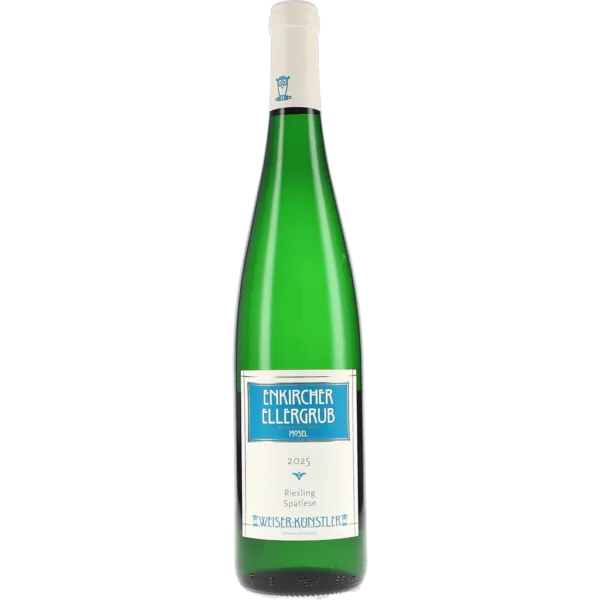
The Spätlese wines, especially from the Enkircher Ellergrub, offer more concentration and depth, but always remain elegant and playful. They combine the fruit intensity of ripe grapes with the cool minerality of the slate soil to create a harmonious whole.

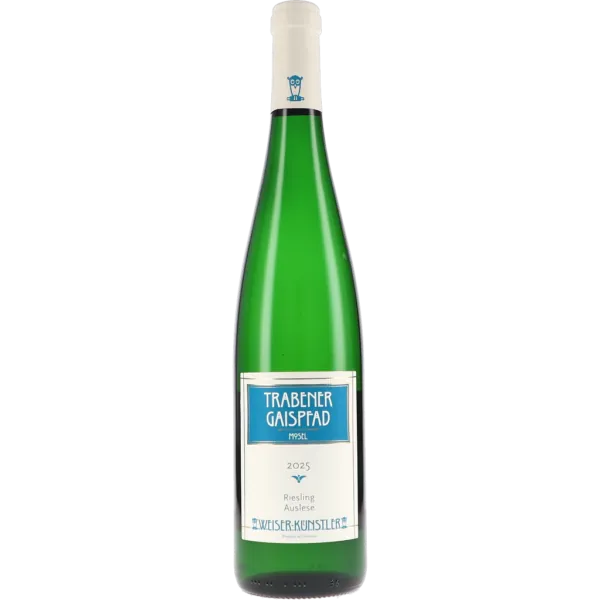
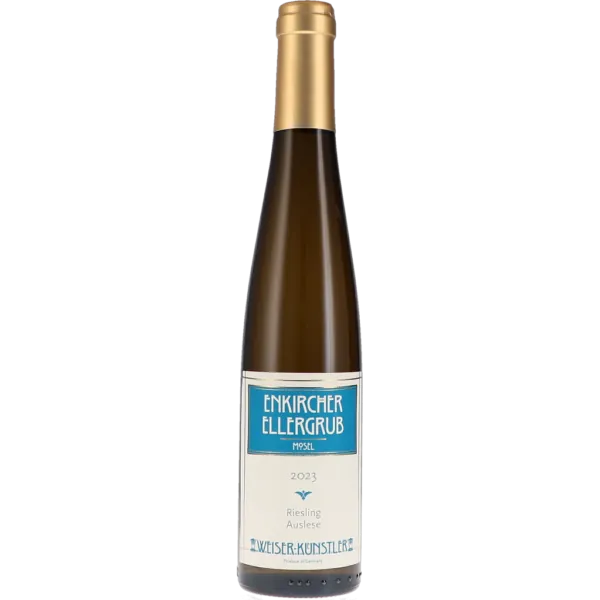
The Auslese wines, made exclusively from botrytised grapes, represent the crowning glory of the range. They are rare, but when they are produced, they inspire with their complexity and their noble interplay of sweetness and acidity. The Enkircher Ellergrub Auslese is one such masterpiece - concentrated and multi-layered, but never heavy or overloaded.

The portfolio is complemented by a remarkable Riesling sparkling wine that expresses the freshness and elegance of Moselle Rieslings in sparkling form.

The wine style of Weiser-Künstler is characterised throughout by precision, fine polish and great elegance. The wines are not characterised by superficial fruit, but by their origin and angularity. The slate minerality is always present, with a racy acidity depending on the vintage. These are wines with character that consistently bring the idea of terroir into the bottle.

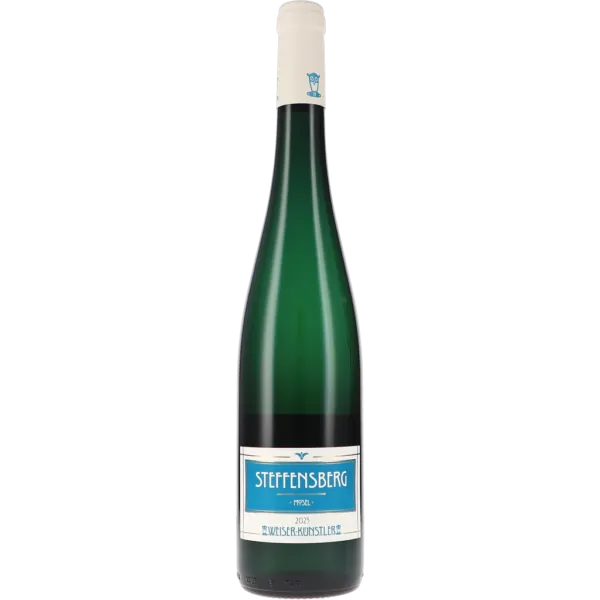
Visually, the wines stand out with their characteristic antique blue Schlegel bottles. The label is adorned with an owl - a symbol of wisdom and an allusion to the name Weiser. Only the top wines are bottled in slim bottles with smaller labels that emphasise the vineyard name.

Konstantin Weiser and Alexandra Künstler have built up an excellent reputation in the wine world in a short space of time. As members of the "Klitzekleinen Ring", an association of winegrowers dedicated to the preservation of old Riesling vines on steep slate slopes, they are actively committed to preserving the cultural heritage of the Moselle.

Their wines are in demand internationally today. Around 60% of production is exported, particularly to Scandinavia, the UK, Switzerland and the USA. However, the domestic market is also increasingly recognising the quality and authenticity of these exceptional Rieslings.

The Weiser-Künstler winery is an example of the renaissance of the Moselle. With their uncompromising pursuit of quality, their ecological focus and their unconditional loyalty to their origins, Konstantin Weiser and Alexandra Künstler have proven that even newcomers can achieve extraordinary things. Their wines are living testimony to a region that stands for great Riesling like no other - and which has a promising future ahead of it thanks to committed winegrowers like them.

en_GBEN