
 EN
 DE
 FR
 IT
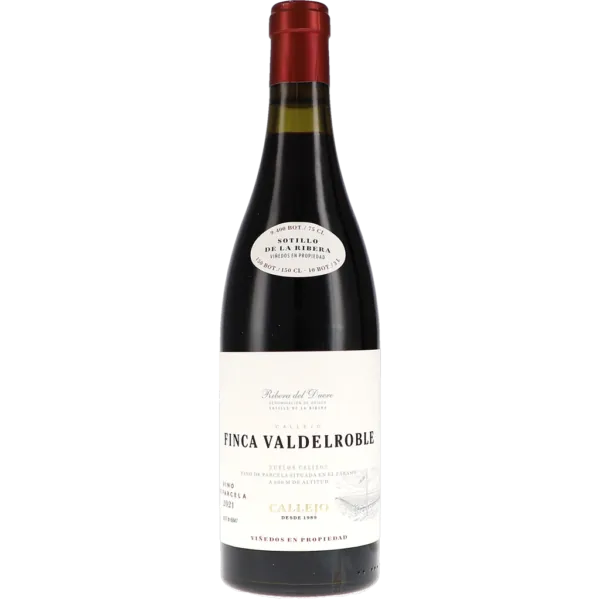
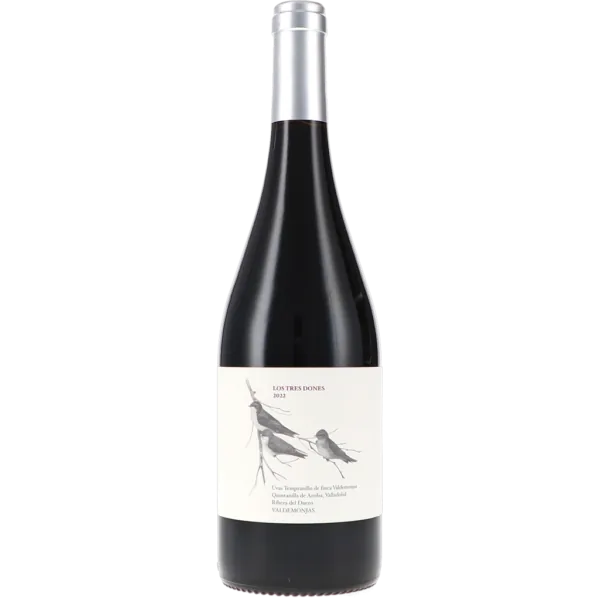
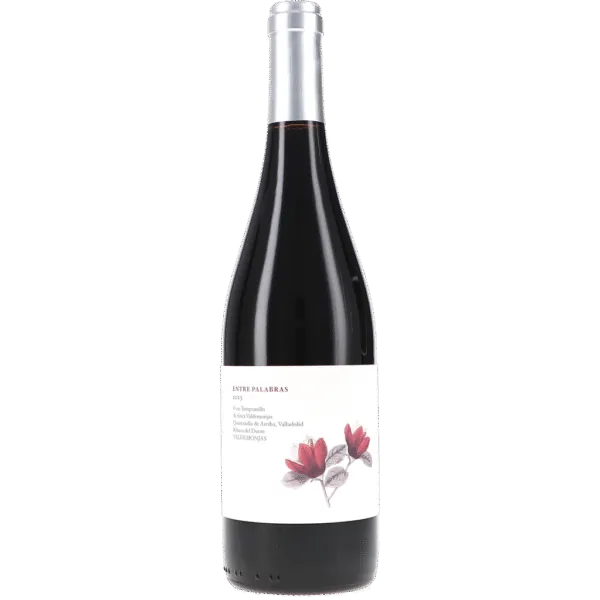
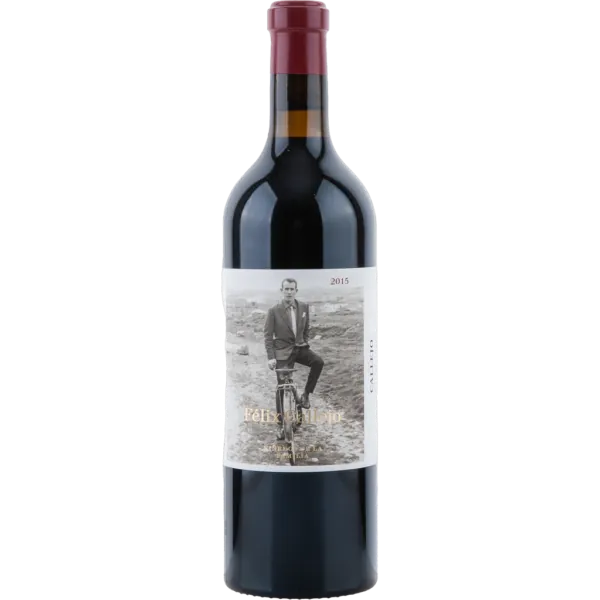
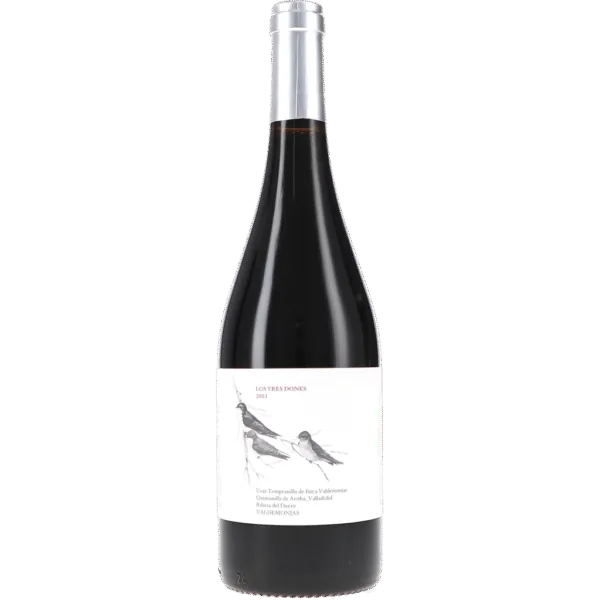
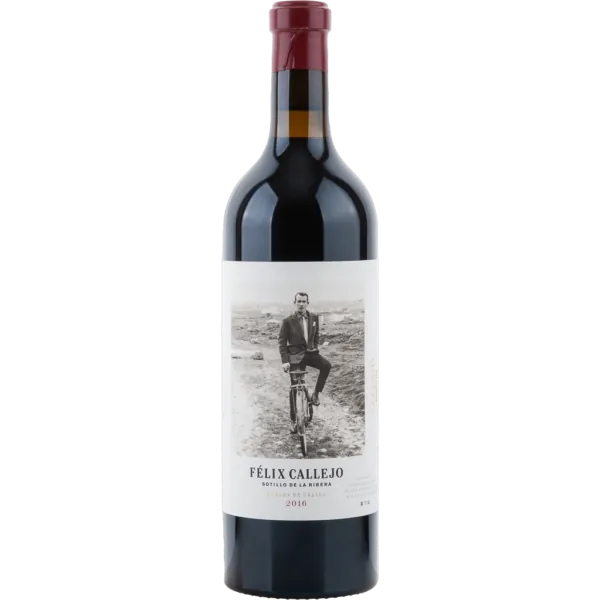
On the Castilian plateau, vineyards follow the Duero through a landscape of limestone hills, cereal fields and pine forests, mostly at altitudes between 750 and over 900 metres. Ribera del Duero wines are predominantly reds made from Tinto Fino, as local growers call their Tempranillo: dark-fruited, firm in tannin and kept fresh by cold nights. For some years now, the white Albillo Mayor has also been permitted to bear the appellation. Our wines come from Felix Callejo in Sotillo de la Ribera, from the organically certified estate Valdemonjas, and from Wachisnais in Pedrosa de Duero, which produces vermouth from the region’s wine.
≈ Aroma: Mineral
In all wines: 447 Wines
More about Ribera del Duero
Ribera del Duero Wines from the High Plateau: Limestone, Frost and Cold Nights
The Ribera del Duero runs as a long band along the river through the provinces of Burgos, Valladolid, Soria and Segovia; its heart lies between Aranda de Duero and Peñafiel. The vines grow on terraces and slopes above the valley, on soils of limestone, marl and clay, and near the river also on sand and gravel. The climate is strictly continental: long, cold winters, late frosts into May, hot and dry summer days, and nights that cool down markedly even in August. These swings preserve acidity in the grapes and give the wines colour and a firm frame. The Ribera del Duero has existed as a designation of origin since 1982, and in the decades since it has become one of Spain's great red wine regions.
Tinto Fino and Albillo Mayor: the Grapes of the Ribera
Tinto Fino, also called Tinta del País, is the local form of Tempranillo. Over generations it has adapted to the high plateau, with small berries and thick skins. It yields wines with aromas of blackberry, black cherry and plum, with violets, liquorice and often a cool, herbal note. Red Ribera del Duero consists largely of Tinto Fino; Garnacha, Cabernet Sauvignon, Merlot and Malbec are permitted as partners. The white Albillo Mayor has always grown among the red vines and used to be harvested together with them. Today single-varietal white wines from it may also carry the appellation, with scents of pear, chamomile and almond and a soft, creamy body.
From Crianza to Gran Reserva: Where the Best Wines of the Ribera del Duero Come From
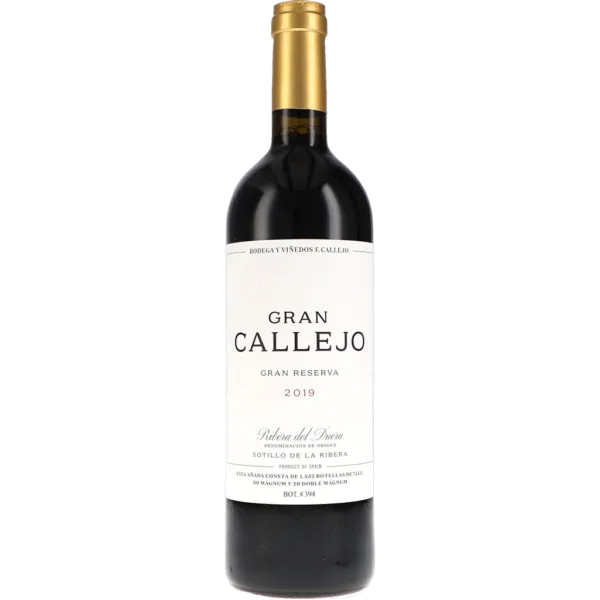
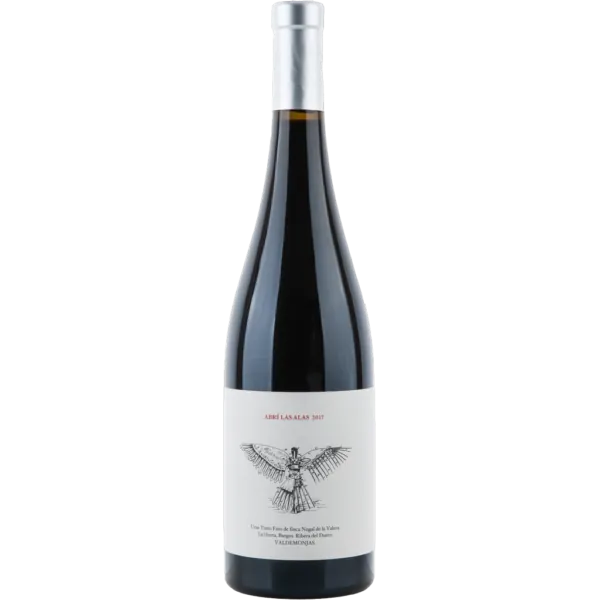
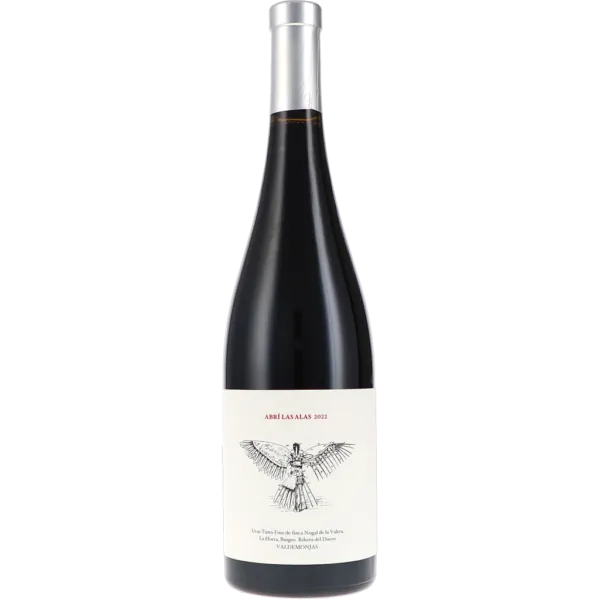
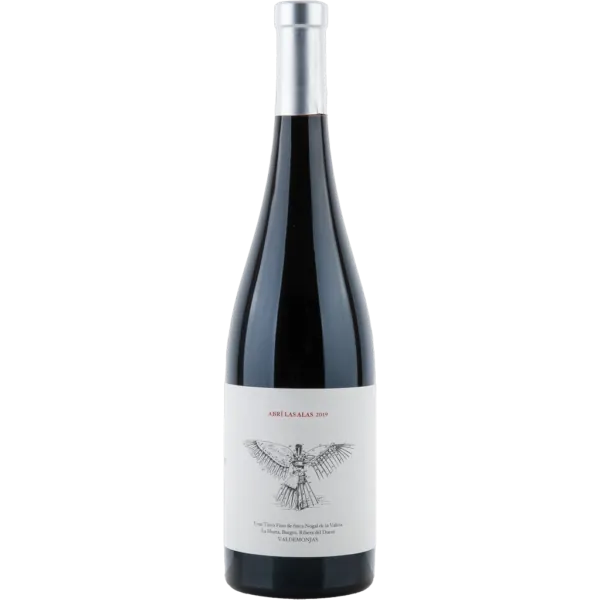
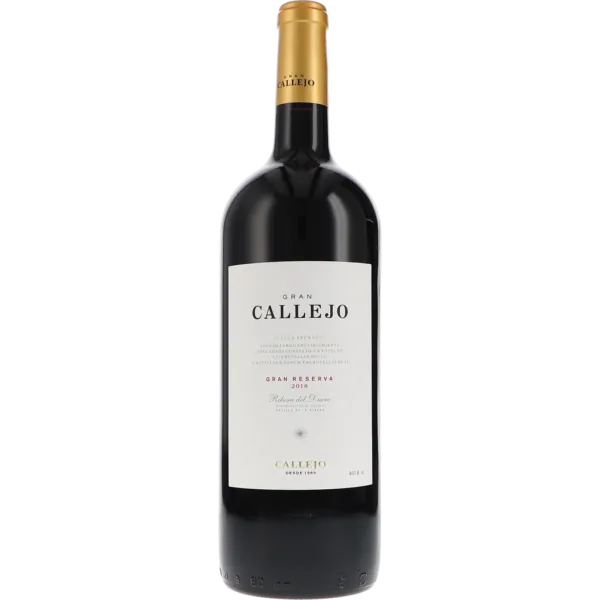
A Crianza spends at least a year in barrel; a Gran Reserva matures for at least five years, two of them in wood. Yet the region's best wines owe their standing first and foremost to the vineyard: old vines, often bush-trained, at high altitude, small yields and a harvest that preserves the freshness of the cold nights. Felix Callejo ages the Gran Callejo Gran Reserva 2019, pure Tinto Fino from around 900 metres, for two years in French barriques and a further three in bottle. At Valdemonjas, the Abrí Las Alas comes from vines more than 80 years old in the El Nogal de la Valera site in La Horra.
Felix Callejo, Valdemonjas and Wachisnais
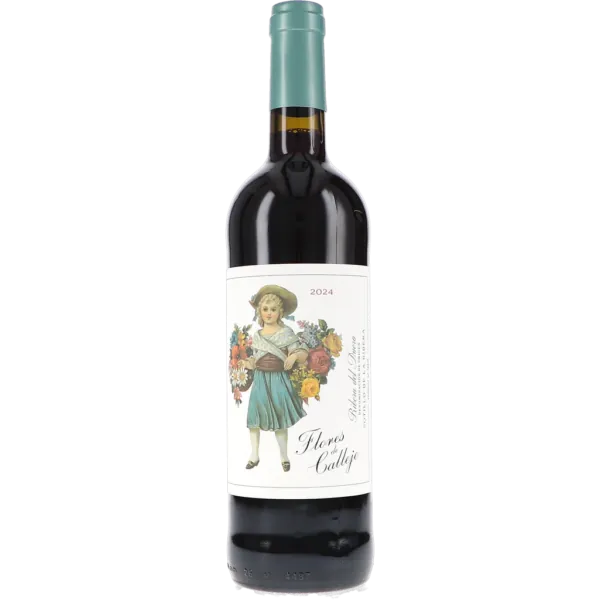
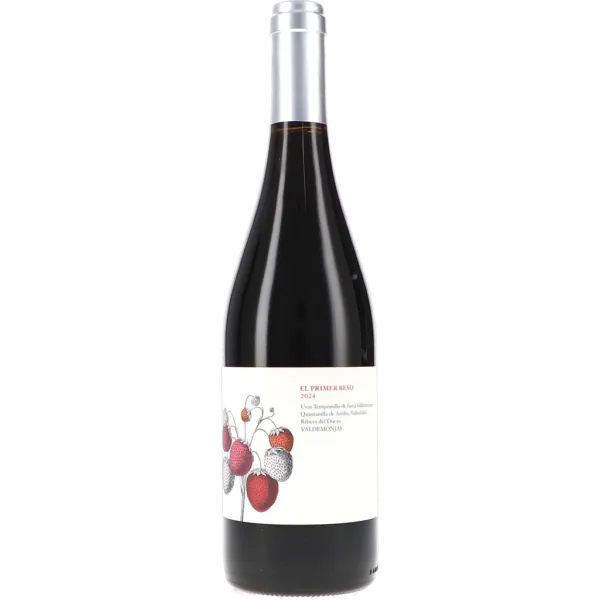
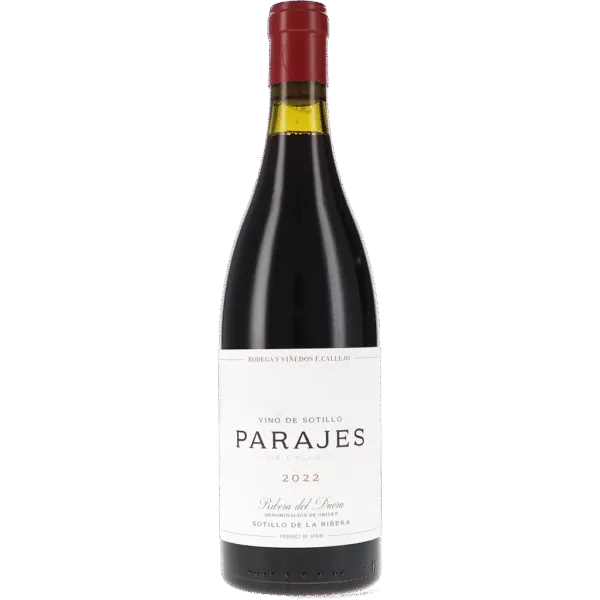
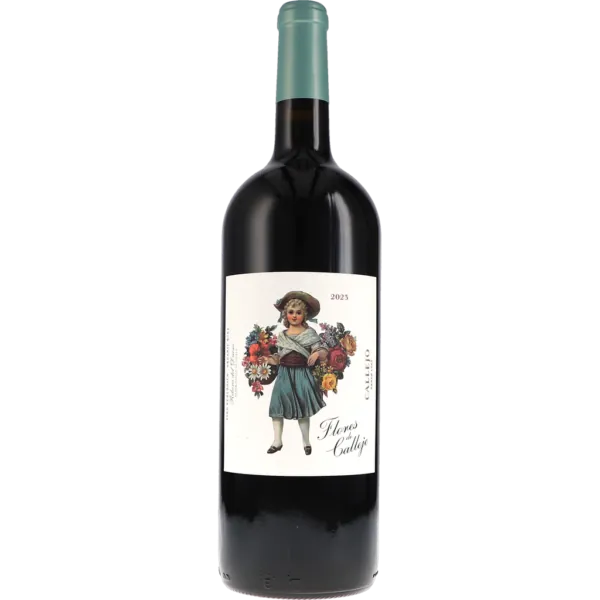
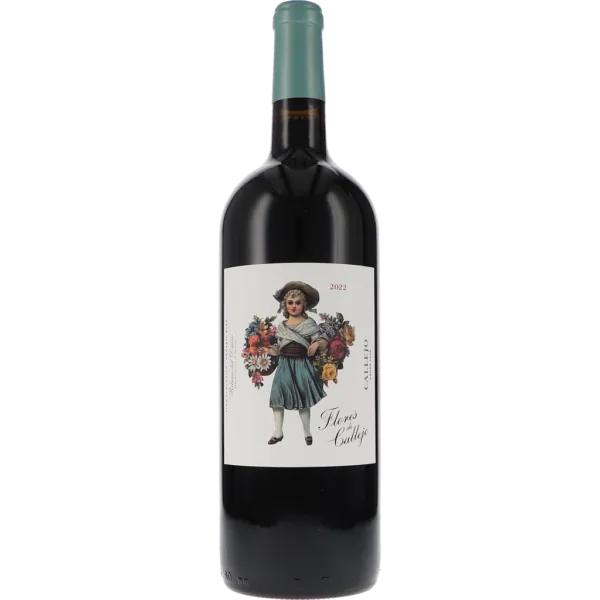
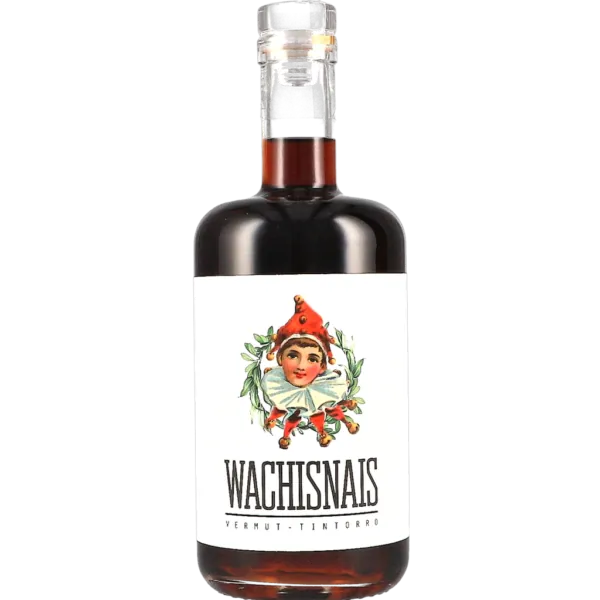
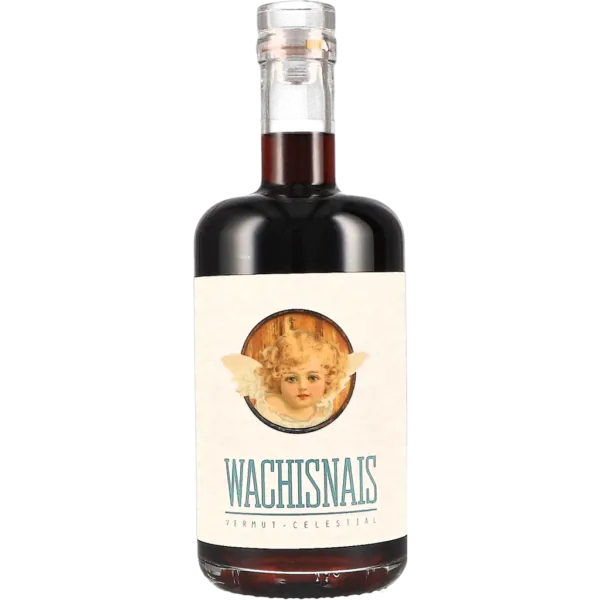
The family behind Felix Callejo farms its vineyards around Sotillo de la Ribera in the province of Burgos. The organically grown Flores de Callejo shows dark berries, blossom and lively acidity, while in the Parajes de Callejo Tinto Fino meets Garnacha and a little Albillo Mayor. The certified organic estate Valdemonjas makes Tempranillo from three vineyards of its own. The El Primer Beso (The First Kiss) 2024 is its youngest wine, fruit-driven, with cherry and violet glints in the glass. Wachisnais from Pedrosa de Duero makes wine-based vermouth: the dry Vermut Tintorro and the barrel-aged Vermut Celestial with eucalyptus and herbs. All available wines from the Ribera del Duero are listed above.