
 EN
 DE
 FR
 IT
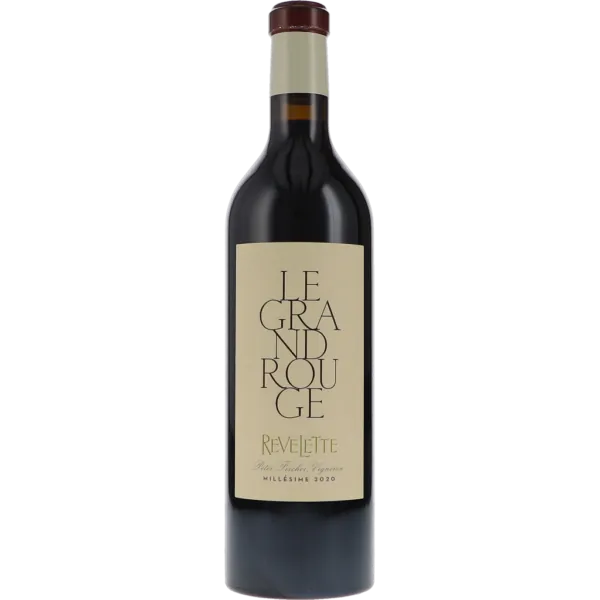
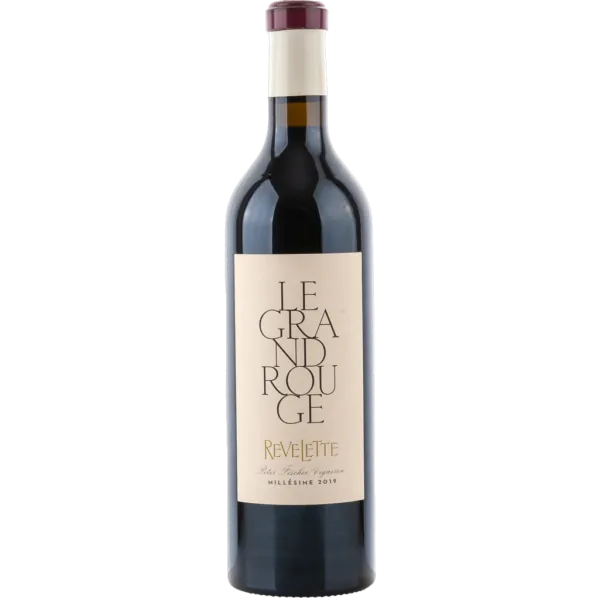
At night, cool air slips down from the Alps into the valley, and by day the Mistral keeps the skies above the vines clear: Provence may be a Mediterranean wine region, yet its finest vineyard sites lie at altitudes where the grapes ripen slowly and retain their freshness. Mourvèdre, Grenache, Cinsault and Syrah grow on limestone, marl and sand, alongside white wines from Vermentino, Sauvignon Blanc and Roussanne. Our Provence wines come from Château de Pibarnon, the benchmark estate in Bandol with velvety Mourvèdre on blue Triassic marl; from Revelette, where Peter Fischer works biodynamically at 400 metres above sea level; and from Alône, which crafts natural wines on a former sand quarry in the Sainte-Baume nature park.
≈ Food: Lamb
In all wines: 622 Wines
More about Provence
From Bandol to the Montagne Sainte-Victoire
Climb the stone terraces from the coast at Bandol and you eventually stand on the highest point of the appellation, looking out over an amphitheatre of vines down to the sea. Bandol is the most famous origin in Provence and the home of Mourvèdre, which must make up at least half of the red blend here and yields wines of unusual depth. Further inland lie the Coteaux d'Aix-en-Provence at the foot of the Montagne Sainte-Victoire, the limestone ridge Cézanne painted again and again, and to the north the Vaucluse with Mont Ventoux, where Grenache and Syrah grow at cool altitudes. Between them stretches the vast Côtes de Provence, source of the classic pale rosé that has shaped the region's image.
Marl, Sand and the Mistral
The climate is Mediterranean, with hot, dry summers, but the Mistral regularly drives cool, dry air from the Rhône valley across the vineyards, keeping the vines healthy and the nights fresh. Soils alternate between limestone and clay; in Bandol a blue Triassic marl dominates, giving the Mourvèdre wines their velvety structure. Where the land rises to 400 metres and more, wines emerge with a tension one would hardly expect this far south. Sandy soils, on the other hand, drain perfectly and produce particularly fine, saline rosés. It is this combination of altitude, wind and meagre ground that makes French wine from Provence so multi-layered.
Château de Pibarnon: Mourvèdre on the Highest Point of Bandol
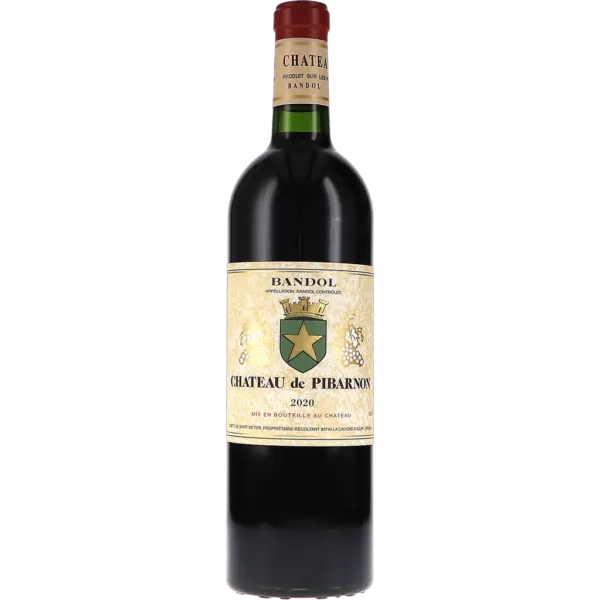
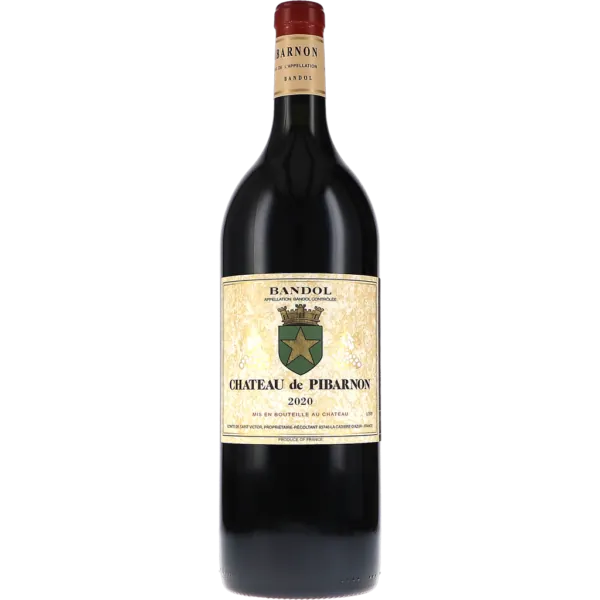
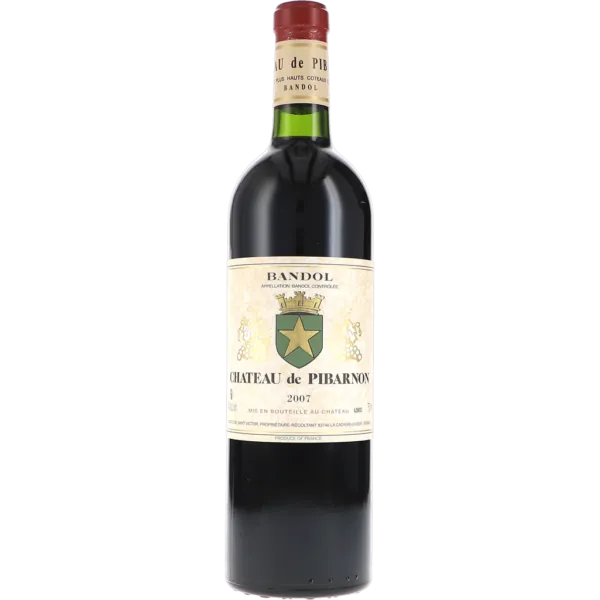
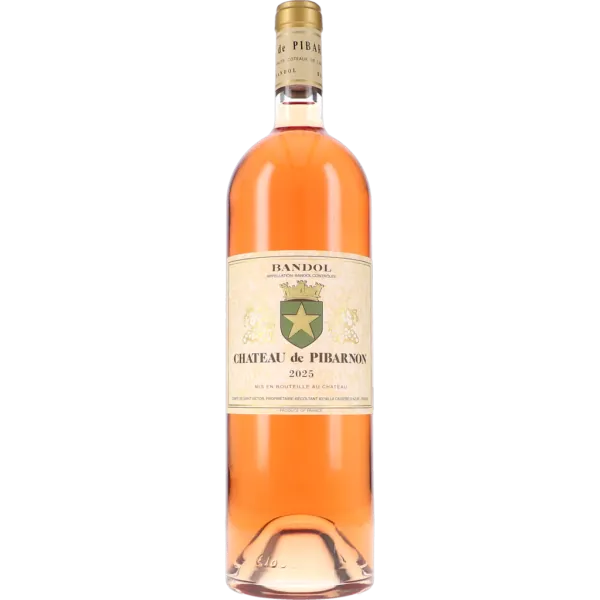
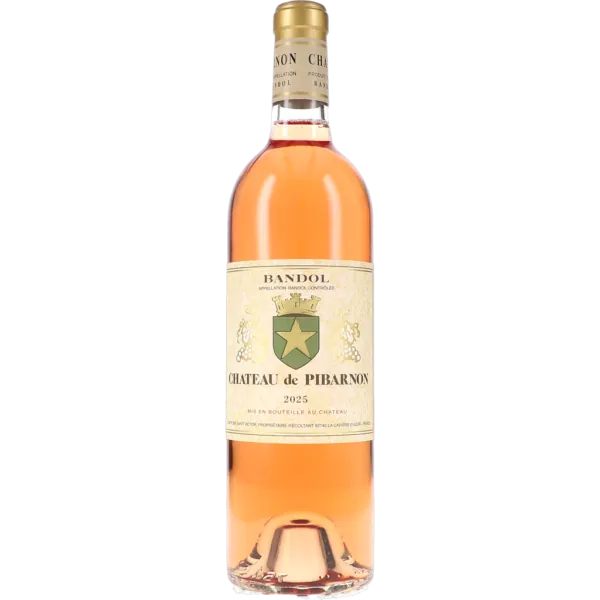
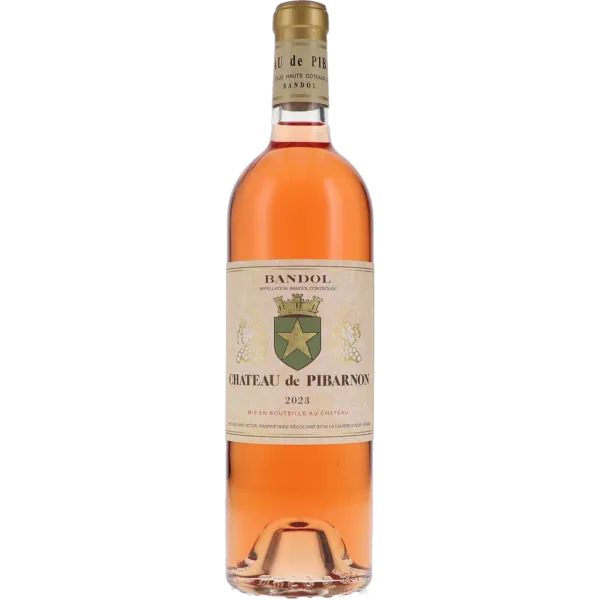
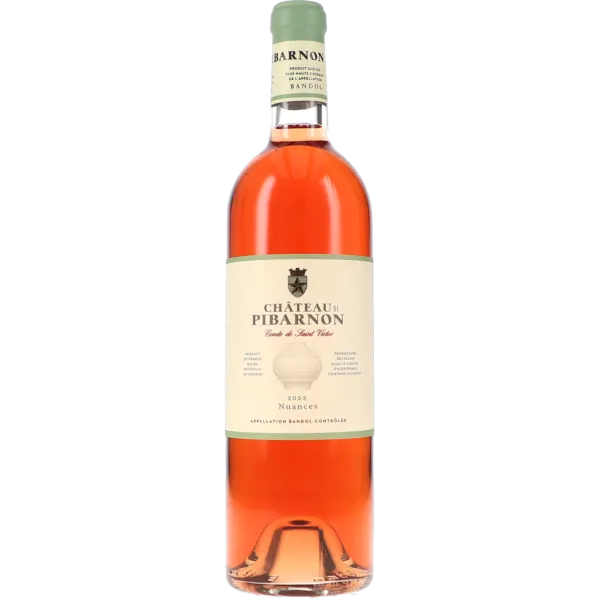
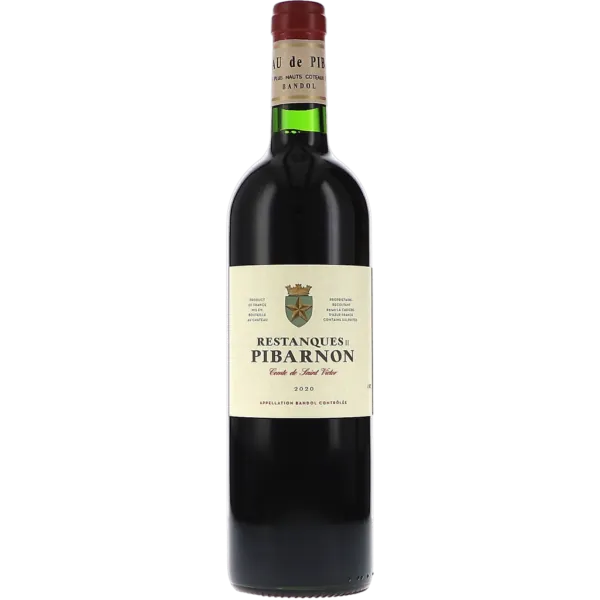
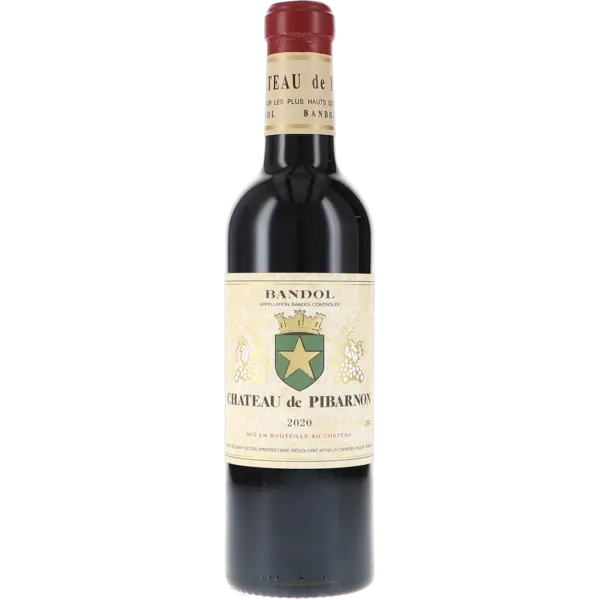
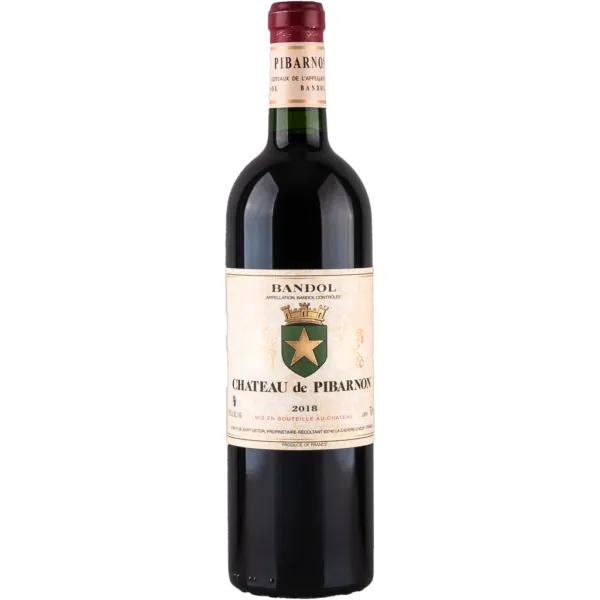
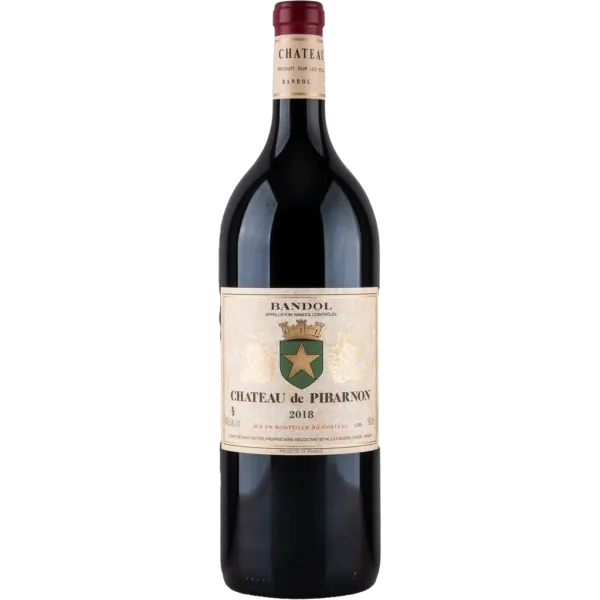
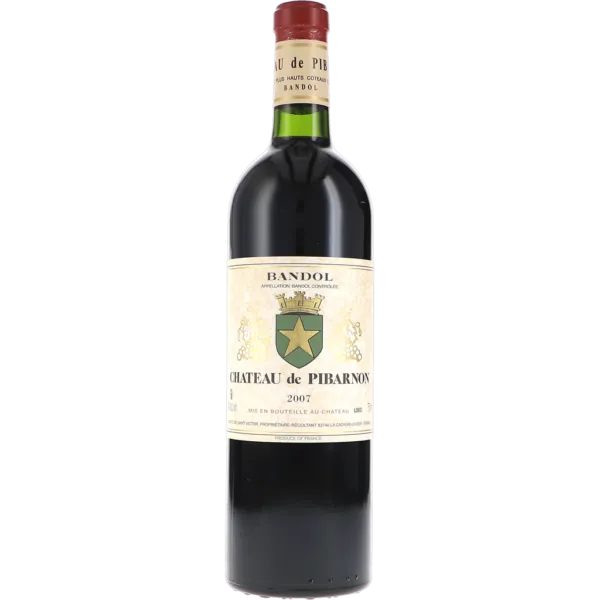
Château de Pibarnon sits on the stone terraces known as restanques above the Mediterranean and has been run by Éric de Saint Victor since 2000; the estate has been certified organic since 2019. The Château de Pibarnon Rouge AOC 2020 shows why Mourvèdre becomes a great variety here: dark berries, garrigue herbs and balsamic spice over silky, dense tannins, a wine that matures over many years. The Rosé Nuances is the other side of the house, a single-varietal Mourvèdre rosé from marl, aged in oak and sandstone, a structured food wine that carries well beyond the summer.
Organic Wine from Provence: Revelette and Alône
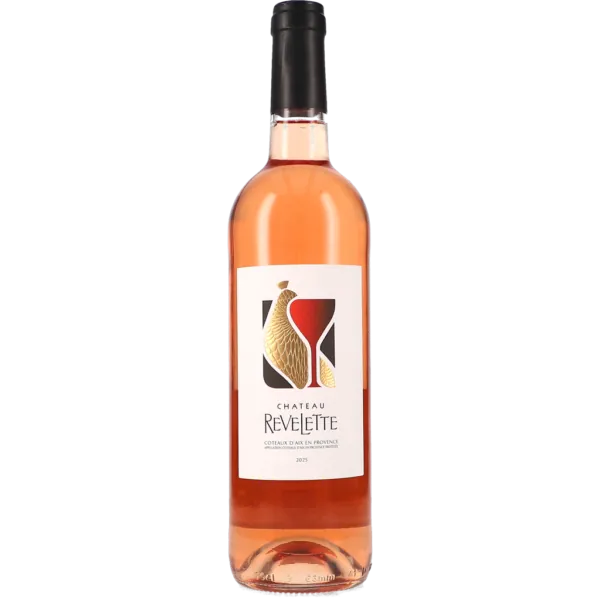
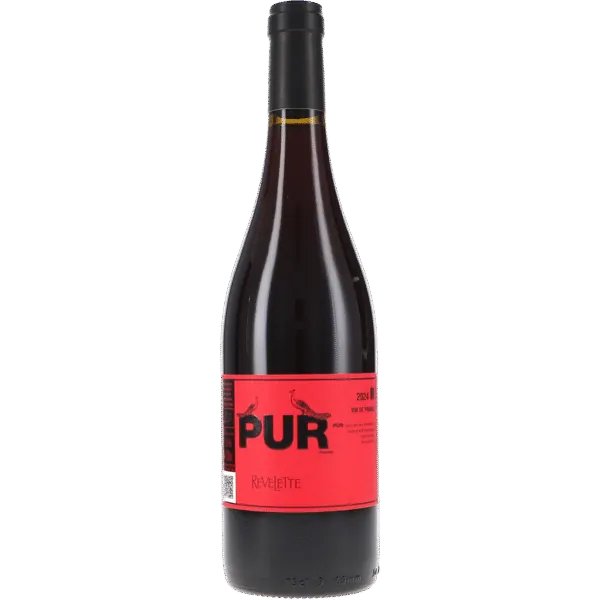
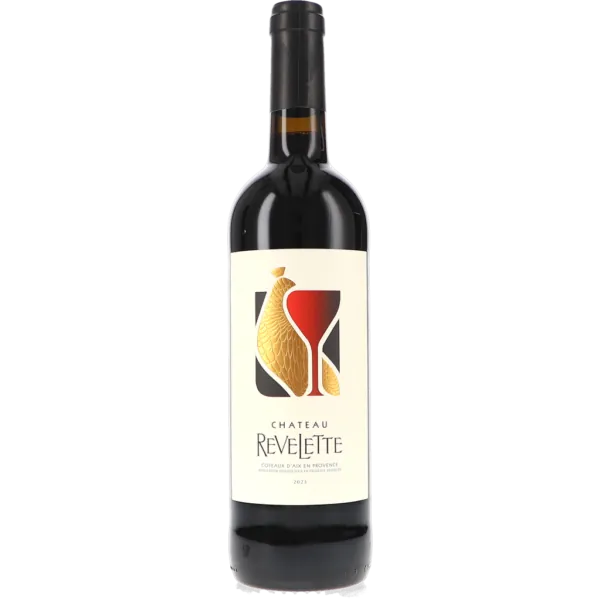
On the plateau near Jouques, surrounded by 170 hectares of forest, Revelette has farmed organically since 1990 and biodynamically since 2011; the Alpine air that slides into the valley at night gives the wines a coolness rarely found this far south. The Revelette PUR Blanc from Trebbiano and Carignan Blanc is made with little intervention and smells of citrus, white blossom and herbs. On a former sand quarry in the Sainte-Baume nature park, Alône has planted its vines at 420 to 470 metres; Christian Ott and Pascale Jourdan ferment with indigenous yeasts and fill ceramic spheres from Limoges. The Rosé SABLE from Grenache, Syrah and Cinsault expresses this terroir with red berries, saline finesse and a dry, fine finish. Anyone looking for organic wine from Provence will find wines at these estates that need no cosmetics and bring their origin straight into the glass; the vintage chart helps in placing the years.