
 EN
 DE
 FR
 IT
-
Guiberteau
-
Charles Joguet
-
Château de Coulaine
-
Claude de Nell
-
Claude Riffault
-
Domaine Vacheron
-
du Bouchot
-
Huet
-
Les Poëte
-
Liv Vincendeau
-
Luneau-Papin
-
Matthias Planchon
Around Nantes, the air carries the scent of the Atlantic, and Melon de Bourgogne takes root in gneiss and granite; upstream follow the schists of Anjou, the white tuffeau around Saumur, Chinon and Vouvray, and finally limestone and flint in Sancerre and Pouilly. Loire wine is therefore defined above all by a cool freshness: Chenin Blanc ranging from bone-dry to lusciously sweet styles, Cabernet Franc with aromas of violet and graphite, and Sauvignon Blanc with notes of citrus and smoke. Our organic wines from the Loire come from estates farming organically or biodynamically, from Huet in Vouvray and Charles Joguet in Chinon to Luneau-Papin in Muscadet, alongside natural wines from the Loire hailing from Anjou and Pouilly.
More about Loire
Muscadet and Anjou: granite, schist and Chenin Blanc
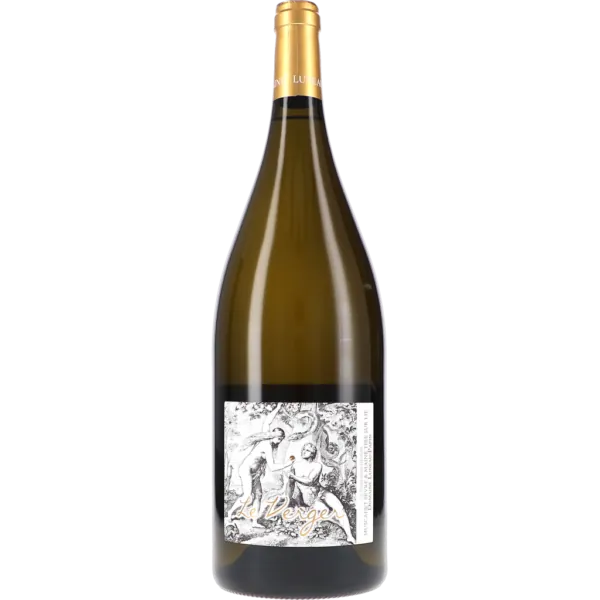
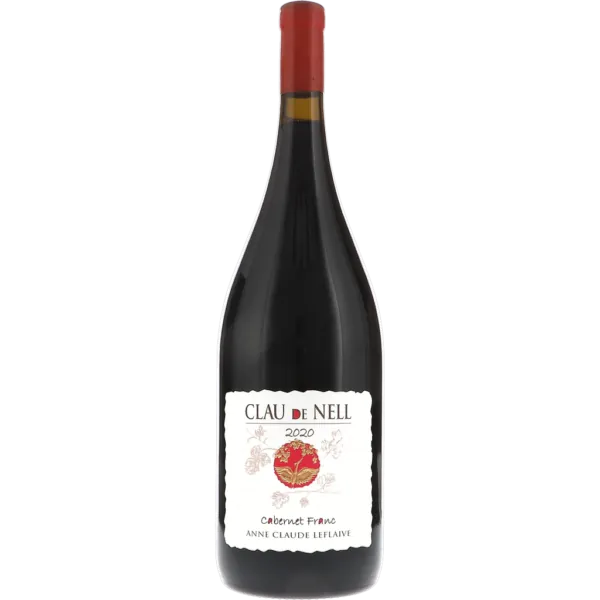
Near the estuary almost only one variety grows, Melon de Bourgogne. On gneiss, granite and gabbro around the Sèvre and the Maine it gives slender, salty whites with notes of green apple, lemon and wet stone, which gain texture and depth through ageing sur lie, that is, for a long time on the fine lees. Luneau-Papin shows how differently Muscadet can taste depending on parcel and time on the lees, from the fresh Le Verger to cuvées that spend years on their lees. Further east begins the Anjou noir, where dark schist shapes Chenin Blanc: dry, taut and long-lived in Savennières, nobly sweet on the slopes of the Layon with aromas of quince, honey and apricot. Here Clau de Nell makes biodynamic Cabernet Franc and the old local variety Grolleau.
Tuffeau along the Loire and the Vienne: Vouvray, Chinon and Saumur
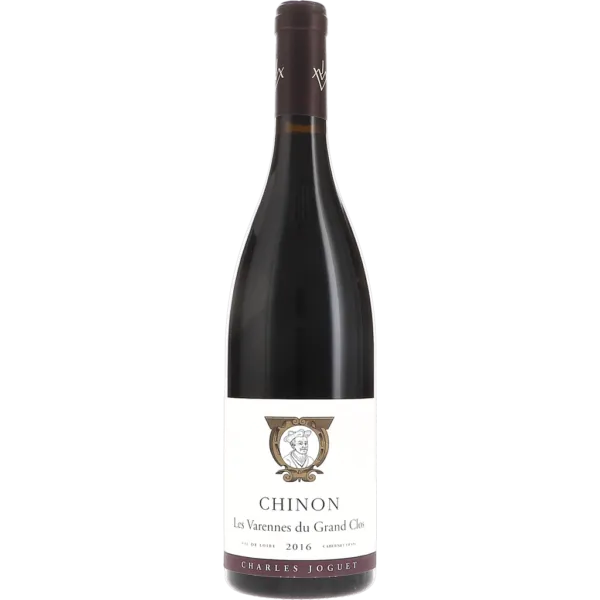
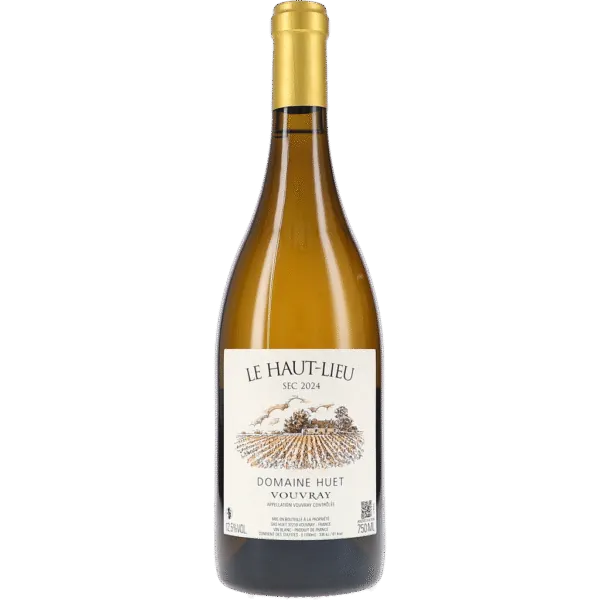
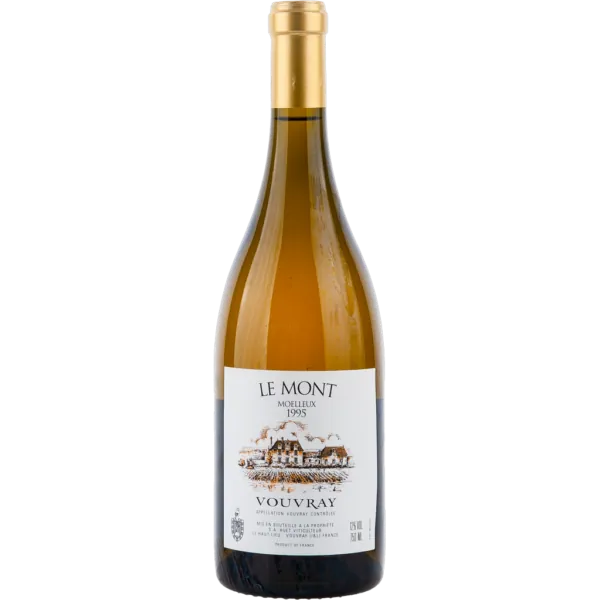
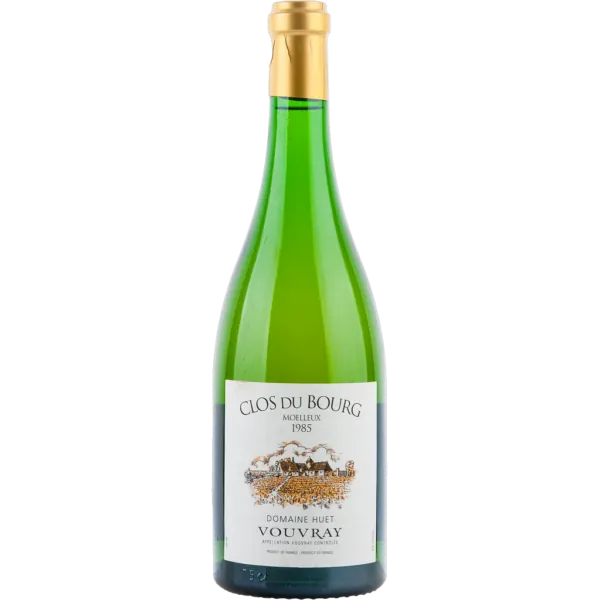
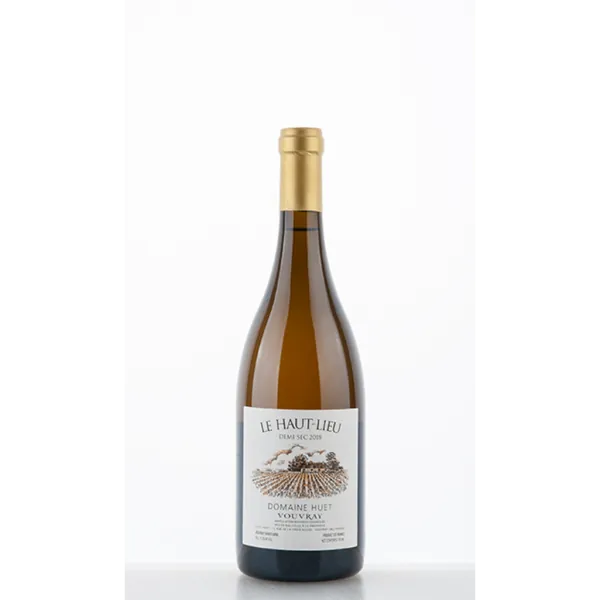
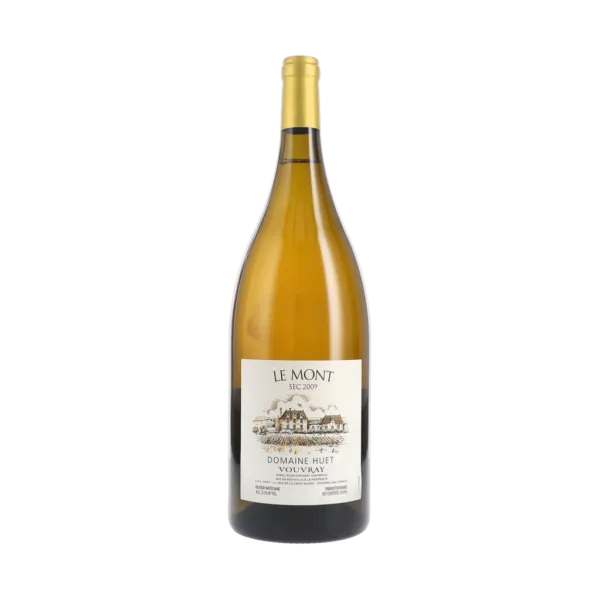
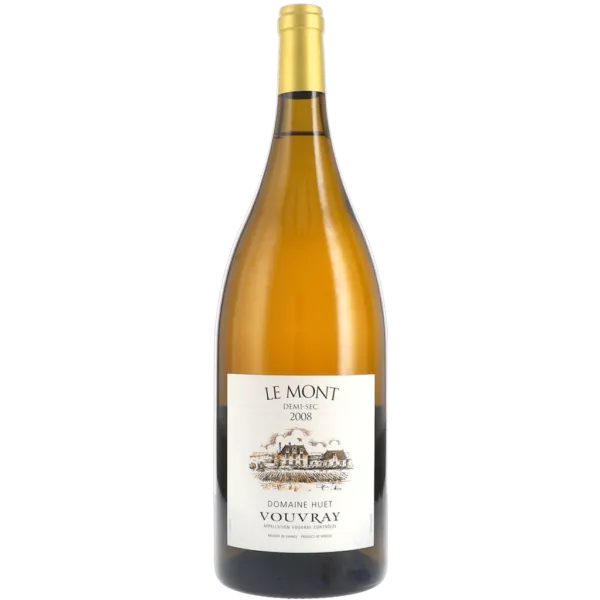
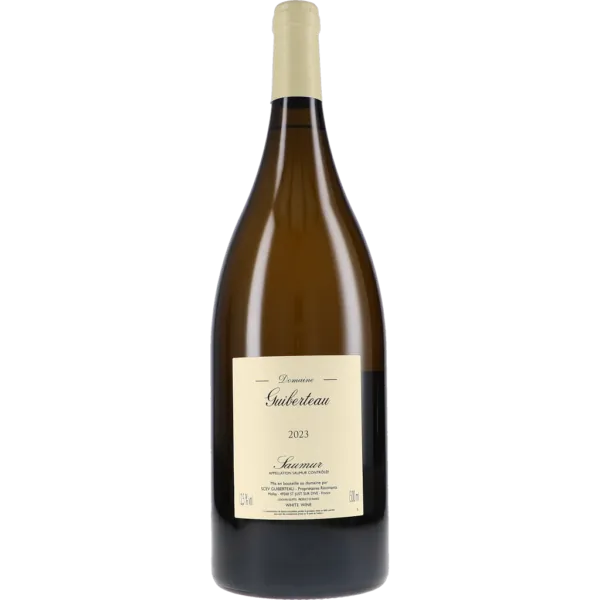
Between Saumur and Tours lies the tuffeau, a soft, pale limestone. It stores water and keeps the vines fresh even in hot summers. In Vouvray and in Montlouis opposite, it is the home of Chenin Blanc. Huet has farmed its three sites, Le Haut-Lieu, Le Mont and Clos du Bourg, biodynamically for decades and decides afresh each year whether a wine will be sec, demi-sec or moelleux; mature moelleux from the first pass through the vines, the Première Trie, last for generations. In the west of Touraine the land belongs to Cabernet Franc: in Chinon, Bourgueil and Saumur-Champigny it becomes reds with cherry, cassis, violet and fine tannins. The Clos de la Dioterie Monopole AOC 2020 from Charles Joguet comes from old vines on the Vienne, Château de Coulaine works in the same valley, and Guiberteau draws some of the Loire's most precise dry Chenins from the limestone hill at Brézé.
Sancerre and Pouilly-Fumé: Sauvignon Blanc on limestone and silex
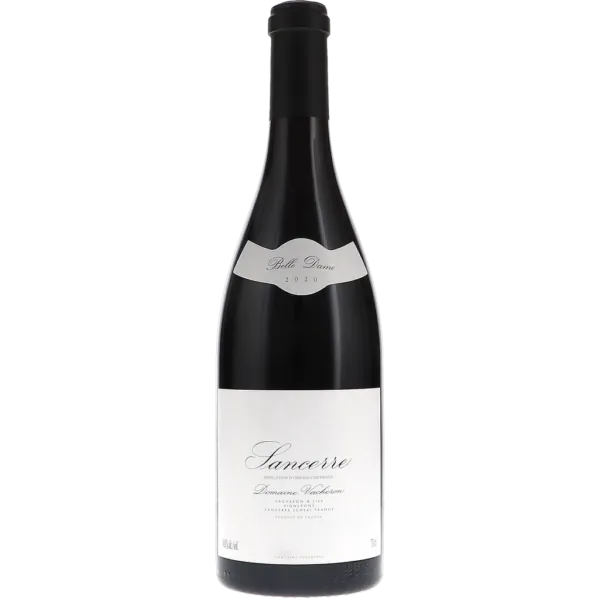
Far from the sea, in the more continental centre, three soils define Sancerre: terres blanches of Kimmeridgian marl, stony caillottes of limestone, and silex, a flint that gives Sauvignon Blanc its smoky tone. Domaine Vacheron farms biodynamically, Matthias Planchon ages some of his whites in amphorae, and Pinot Noir yields red Sancerres and rosés of cool red fruit. Opposite, on the right bank, lies Pouilly-Fumé, where du Bouchot produces biodynamic Sauvignon Blanc on marl full of fossil oyster shells.
Organic wine from the Loire and the roots of natural wine
Hardly any French region embraced biodynamics and unfined wine so early. In Anjou and Touraine, growers have been making wine for decades without cultured yeasts and with little or no sulphur, and much of what is known today as French natural wine began here with Chenin Blanc and Cabernet Franc. The same acidity that keeps these wines alive also makes the Loire the home of great sparkling wines: Crémant de Loire matures through traditional bottle fermentation, mostly from Chenin Blanc, and Liv Vincendeau makes hers extra brut and leaves it on the lees for a long time. Anyone wanting to get to know the Loire will find wines here for every day and for many years in the cellar.