
 EN
 DE
 FR
 IT

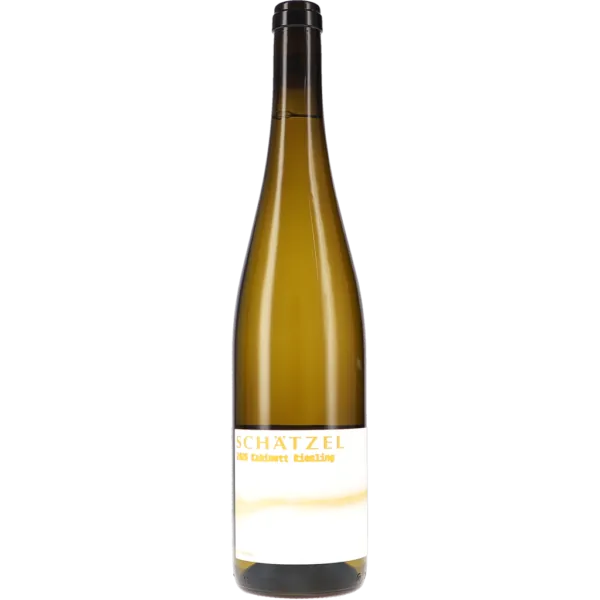
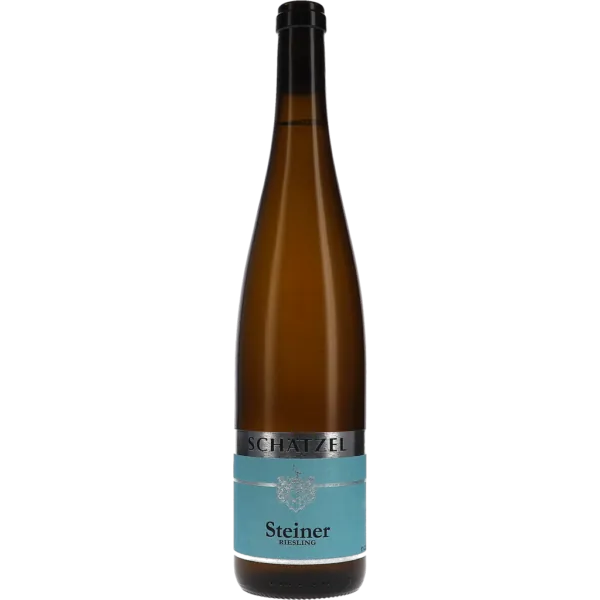
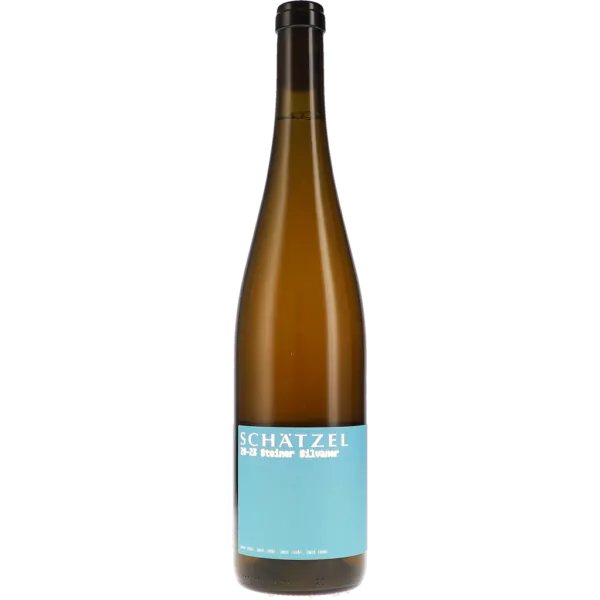
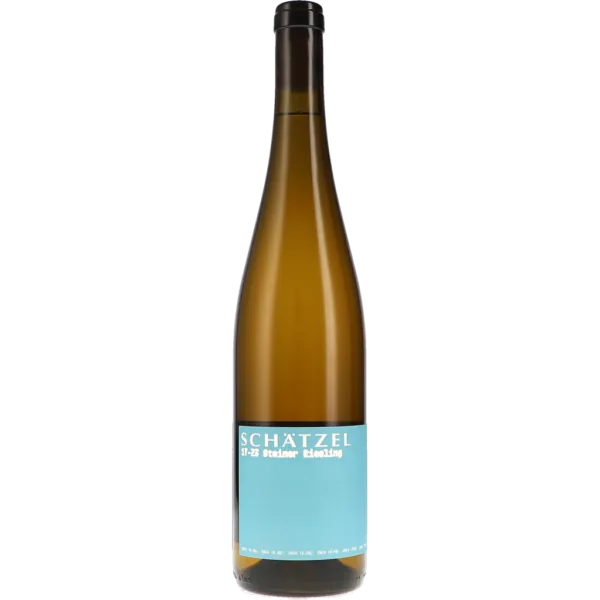
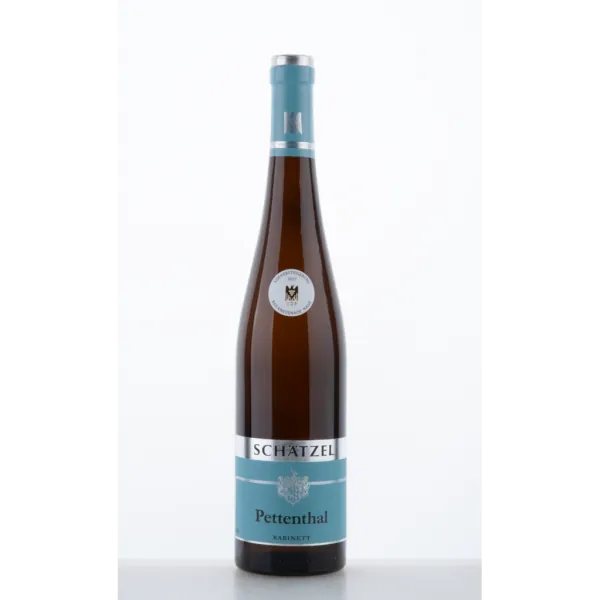
7.5 per cent alcohol. A Kabinett from one of the best sites in Germany. Weingut Schätzel in Nierstein shows that great wines do not have to be loud. Since 2008 Kai Schätzel has run the family estate on the Roter Hang, relying consistently on lightness rather than power. In the wooden-cask cellar, more than 800 years old, his Rieslings and Silvaners mature into wines with inner tension: reductive, precise, individual. Demeter-certified since 2023, VDP member since 2016.
≈ Food: Schnitzel
In all wines: 99 Wines
More about Schätzel
The cellar as time capsule
Anyone who enters the cellar of Weingut Schätzel steps into eight centuries of viticultural history. The family has farmed its parcels on the Niersteiner Roter Hang since 1350, and to this day it vinifies in the same vaults where its ancestors once filled the wooden casks. The red-brown clay slate of the Rotliegend that shapes the steep slopes is reflected in the wines: mineral, earthy, with an almost salty note.

His own Silvaner clone
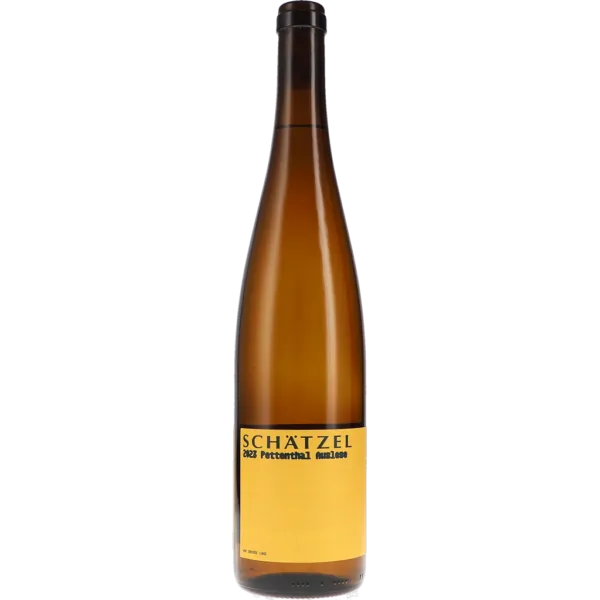
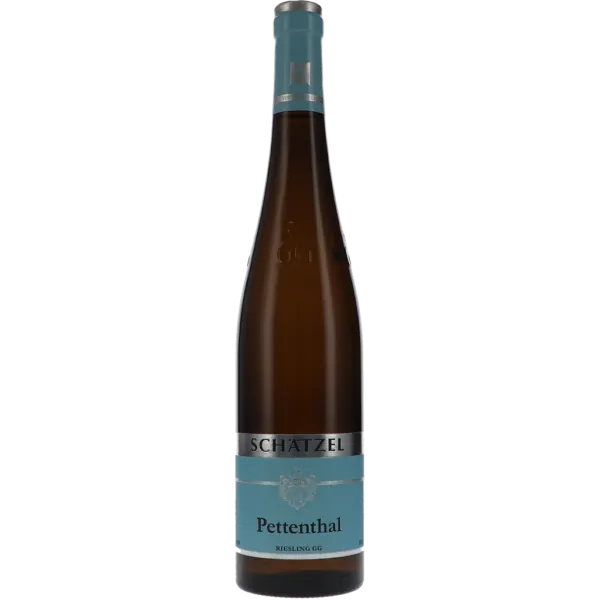
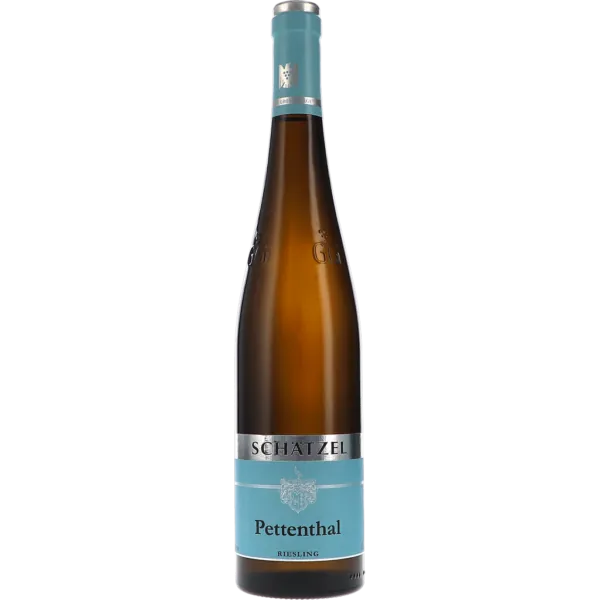
The parcels in the Hipping site are not planted with ordinary Silvaner vines. There Kai Schätzel tends an own Schätzel clone in plantings 30 to 40 years old: small, thick-skinned berries that yield concentrated wines of striking freshness. While Silvaner in Rheinhessen is often written off as an everyday wine, Schätzel shows the potential of the variety at a level few Silvaner producers reach. His VDP.GROSSE LAGEN, Pettenthal, Ölberg and Hipping, are among the best German vineyards have to offer. At the Pettenthal, where neighbouring Kühling-Gillot also farms vines, Rieslings of enormous depth are made.
Kabinett as the supreme discipline
While other winemakers rely on power and extraction, Kai Schätzel takes a different path. His Riesling Kabinett with only 7.0 per cent alcohol is no concession to the spirit of the age but a conviction. The balance of sweetness and acidity, the feathery lightness combined with depth, demands meticulous work in the vineyard. Up to six passes through the vines at harvest, extreme selection, early picking for freshness. Then in the cellar: spontaneous fermentation in large wooden casks, gentle pressing over 20 hours, storage of up to two years before bottling.

Natural-wine Großgewächse: a German first
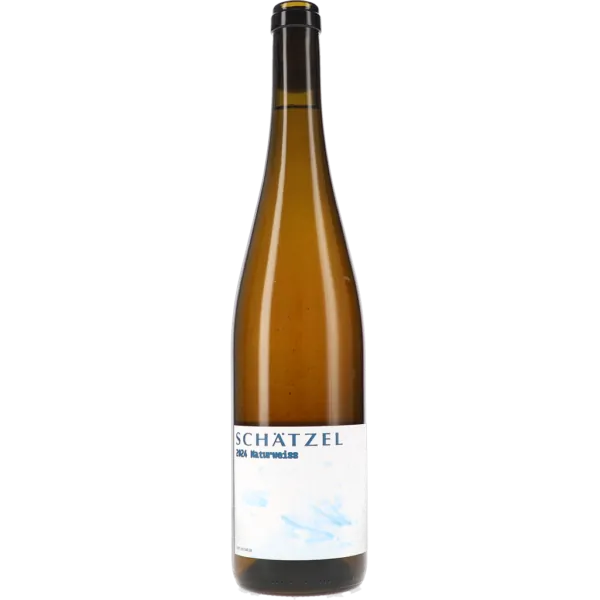
In 2020 Schätzel became the first German estate to bring natural-wine Großgewächse to market: spontaneously fermented, without sulphur, bottled unfiltered. Stephan Reinhardt of the Wine Advocate subsequently called Schätzel “one of the most exciting and interesting new discoveries in German wine culture.” The Naturweiss shows this philosophy at the level of an estate wine: reductive, with edges and corners, but never deliberately different. Together with Jule Eichblatt, who joined the estate in 2020 and now co-manages it, Kai Schätzel is also driving biodynamic certification forward; since 2023 the estate has carried the Demeter seal. His credo remains: “Lighter, longer and sometimes a little wilder.”