
 EN
 DE
 FR
 IT
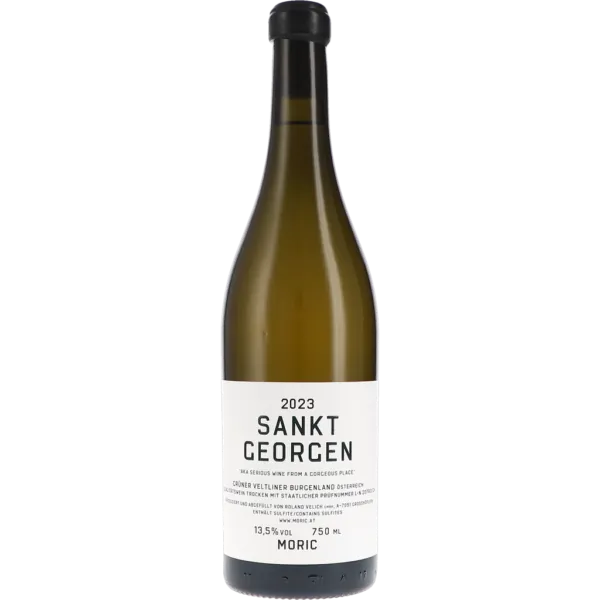
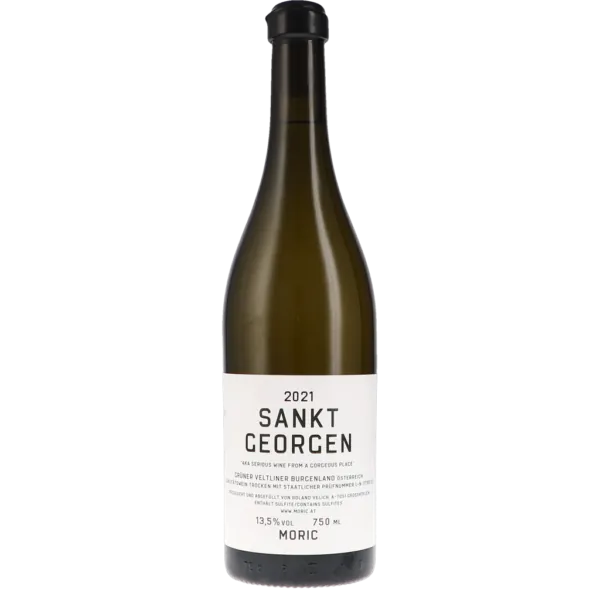
On the eastern shore of Lake Neusiedl, the land flattens out into the Pannonian Plain; the shallow steppe lake warms the summers, while the cool nights preserve the acidity in the grapes. Here, between Gols, Apetlon and the limestone of the Leitha Mountains, Austria’s great red wines from Blaufränkisch and Zweigelt are grown, alongside Chardonnay and Welschriesling of saline freshness. Heinrich has been working biodynamically for years and bottles orange wines and unsulphured natural wines; Moric crafts Blaufränkisch of Burgundian coolness from old vines in Lutzmannsburg; and Meinklang runs a Demeter-certified estate in Pamhagen combining viticulture with Angus cattle. Anyone looking for organic wine from Burgenland will find the region’s defining addresses here.
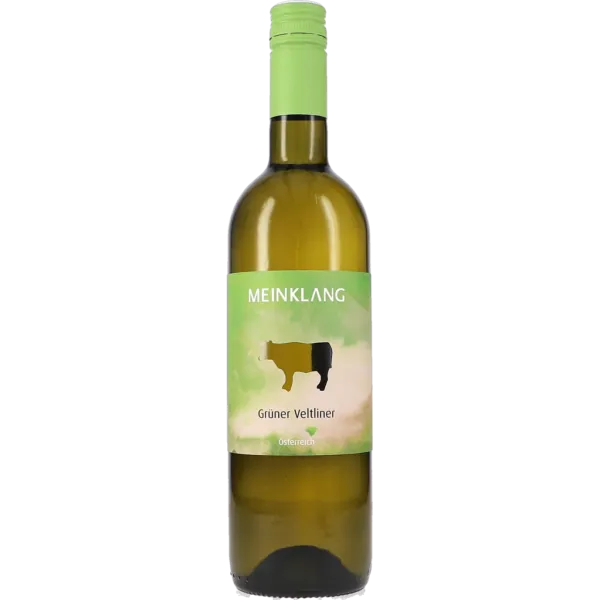
Grape variety: Grüner Veltliner
In all wines: 59 Wines
More about Burgenland
Neusiedlersee, Leithaberg and the Eisenberg in the south
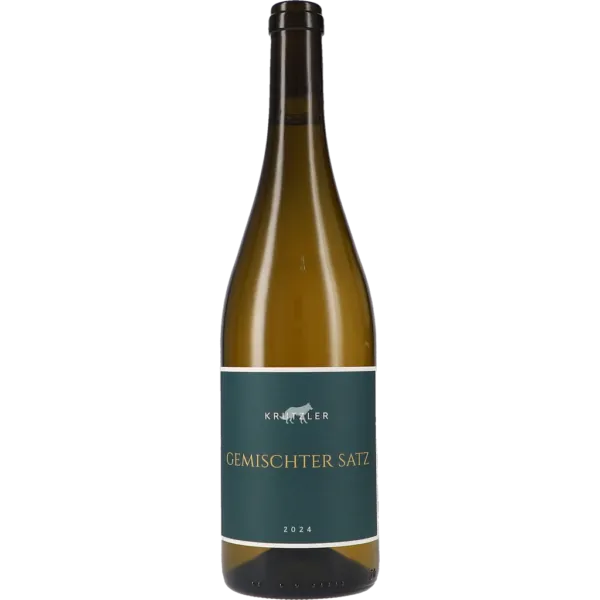
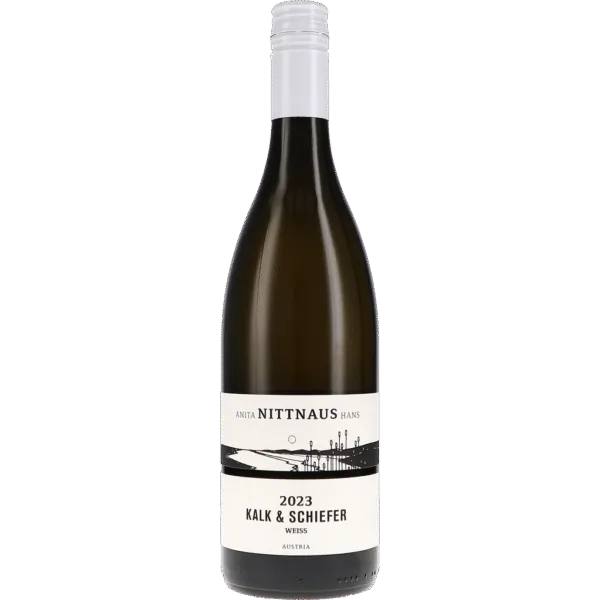
Lake Neusiedl shapes the wines of northern Burgenland like hardly any other factor: the large, shallow body of water stores the Pannonian summer heat, and for generations the autumn mists of the Seewinkel have given rise to world-famous nobly sweet wines. Around Gols lie limestone and gravel soils on which Blaufränkisch and Zweigelt ripen into powerful, spicy reds; this is also where the idea of the Pannobile wines took shape, which Hans Nittnaus helped to define. West of the lake, the Leitha hills push a ridge of limestone and schist into the plain; its steep Rieden, such as the Altenberg near Jois, give Blaufränkisch a taut minerality and carry their own designation of origin as Leithaberg DAC, which also applies to white wines from Weißburgunder and Chardonnay. Further south, the iron-rich schist of the Eisenberg near Deutsch Schützen produces the coolest, most taut side of the variety, which Clemens Krutzler interprets with natural yeasts and a light touch in the cellar.
Blaufränkisch between Lutzmannsburg and world renown
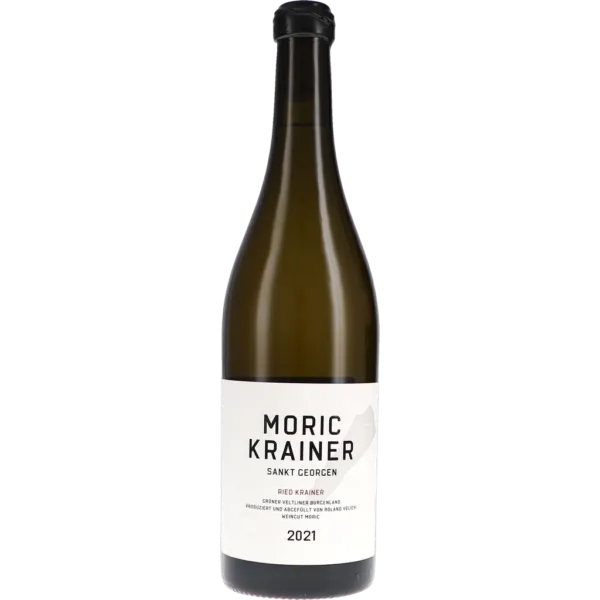
Burgenland's leading red variety was long regarded as a rustic house wine, until growers such as Roland Velich of Moric reassessed its potential. In Lutzmannsburg old vines grow on a clay-rich plateau over volcanic ground; Velich vinifies them with a Burgundian approach, spontaneous fermentation and little intervention, making wines of cool elegance rather than warm opulence. The Lutzmannsburg Alte Reben 2021 shows this in concentrated form: dark berries and cassis, a finely polished tannic structure and a depth that will carry the wine for years. In Gols, meanwhile, there is the Nittnaus family, Anita & Hans, strictly biodynamic since 2007, whose Pannobile cuvée of Blaufränkisch and Zweigelt distils the power of the limestone and schist soils of the eastern shore. A look at the vintage chart helps to show how well these structured reds age.
Heinrich, Meinklang and natural wine from the lake
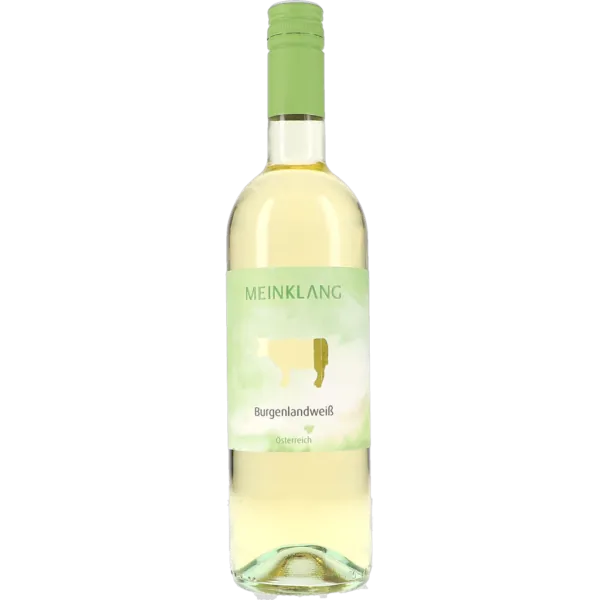
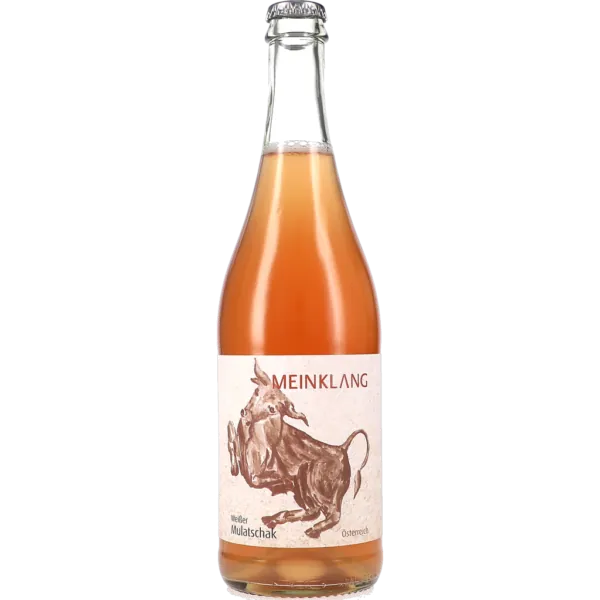
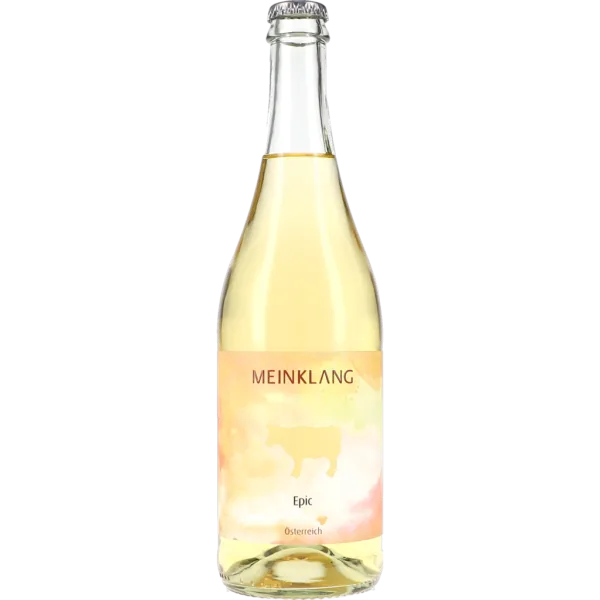
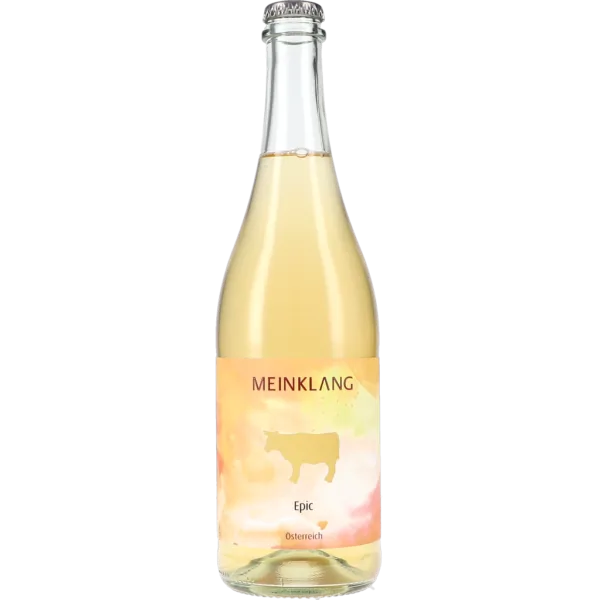
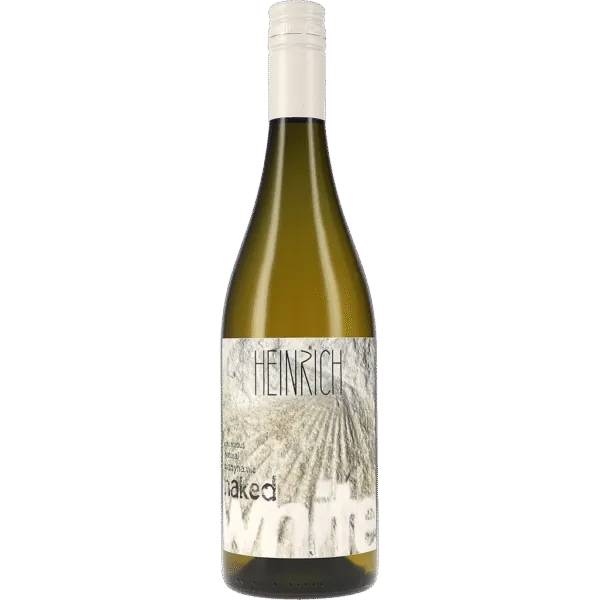
Nowhere in Austria has natural wine become as much a matter of course as here. Gernot and Heike Heinrich have expanded the Heinrich estate in Gols from two to around a hundred hectares, are Demeter-certified and belong to the respekt-BIODYN association; their cellar holds amphorae and wooden casks from the region's cooper. Their orange wines spend up to fourteen days on the skins, and the Roter Traminer Freyheit 2022 smells of apricot, rose and ginger yet remains fresh and structured where other varietal wines become broad. In Pamhagen, at the lowest point in Austria, the Michlits family interweaves viticulture, livestock and arable farming on their Demeter farm, Meinklang; more than three hundred Angus cattle supply the manure, the wines ferment spontaneously, and the Mulatschak cuvées bring uncomplicated liveliness to the glass.
Chardonnay, Welschriesling and the white side of the Seewinkel
Burgenland's white wines are often underestimated, yet the brothers Heinz and Roland Velich in Apetlon have been setting standards for years. Their Chardonnays grow on calcareous soils and mature with the patience great white wines need; the Tiglat 2022 combines Burgundian echoes with Pannonian power, citrus fruit and ripe peach over a pronounced minerality. Welschriesling, for its part, shows two faces by the lake: dry and saline, as Clemens Krutzler makes it on the Eisenberg, or as a nobly sweet Beerenauslese, for which the autumn mists of the Seewinkel provide the conditions. Between steppe, limestone and lake, a range thus emerges in which easy-drinking natural wines and age-worthy single-vineyard wines spring from the same attitude.