
 EN
 DE
 FR
 IT

His grandparents still dug the cellars themselves – with shovel and pickaxe through the sandy soil of Chamery. Today Cyril Bonnet fills these vaults with Champagnes that could hardly be drier: zero to five grams of dosage, spontaneous fermentation, minimal sulphur. Champagne Bonnet-Ponson stands for a radical break with his father's baroque tradition – and for a return to what began in 1862, when Grégoire Bonnet founded one of the region's first Récoltant-Manipulant houses.
≈ Aroma: Yeast
In all wines: 292 Wines
More about Bonnet-Ponson
From baroque to Brut Nature
His father's wines were opulent: high dosage, plenty of body, classic Champagne style. When Cyril returned to Chamery in 2013 after training in the south of France, he turned everything upside down. The conversion to organic farming began immediately, with certification following in 2016. But the real change happened in the cellar: spontaneous fermentation with wild yeasts, no filtration, sulphur only in absolutely homeopathic doses. The dosage? Preferably exactly zero. The family estate has existed since 1862, yet under Cyril it is reinventing itself completely. The Montagne de Reims offers ideal conditions for this style.

50 plots, five villages
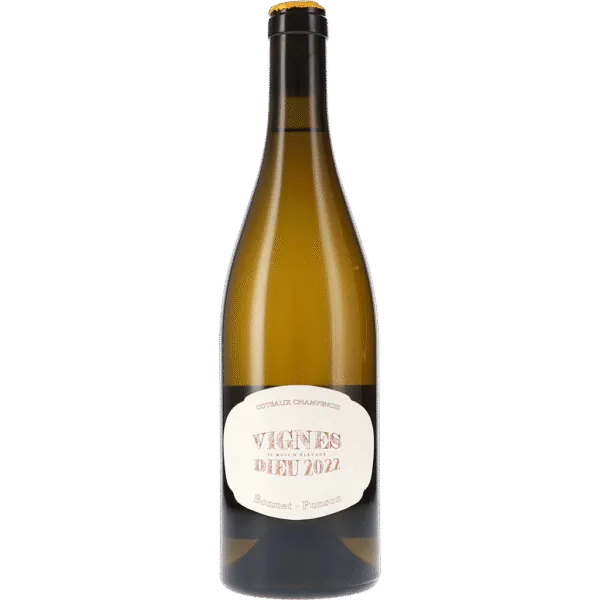
The good ten hectares are spread over around 50 plots in Chamery, Vrigny, Coulommes-la-Montagne and the grand cru sites of Verzenay and Verzy. The vines are between 35 and 80 years old. The focus is on Pinot Meunier and Pinot Noir, complemented by Chardonnay. A third of the base wines age in old oak barrels, the rest in steel – Cyril seeks precision, not oak notes. Annual production is around 60,000 bottles. Each plot is vinified separately to preserve its character.
The perpetual cuvée
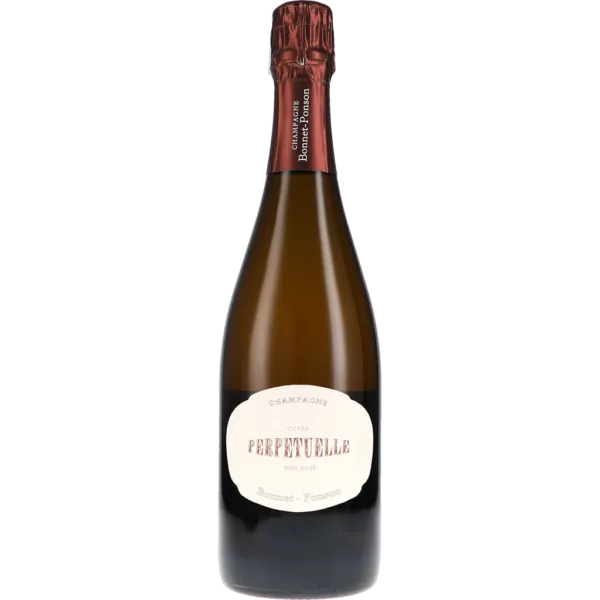
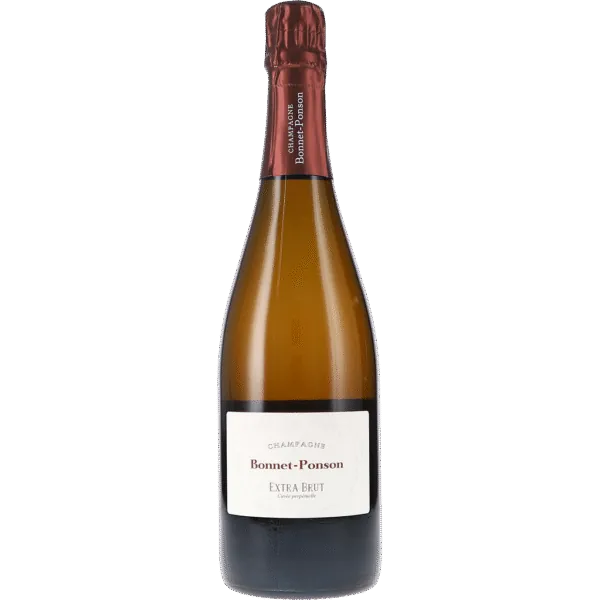
The Cuvée Perpétuelle works like an Andalusian solera: vintage after vintage, wine is drawn off and topped up, never emptied completely. The oldest element in the cask dates from 2004. The result is a Champagne from many vintages that has had time to find itself. Huré Frères in Ludes has worked on the same principle since 1982 – both houses show how much complexity arises when you give the wine patience.

Natural wine with a crown of bubbles
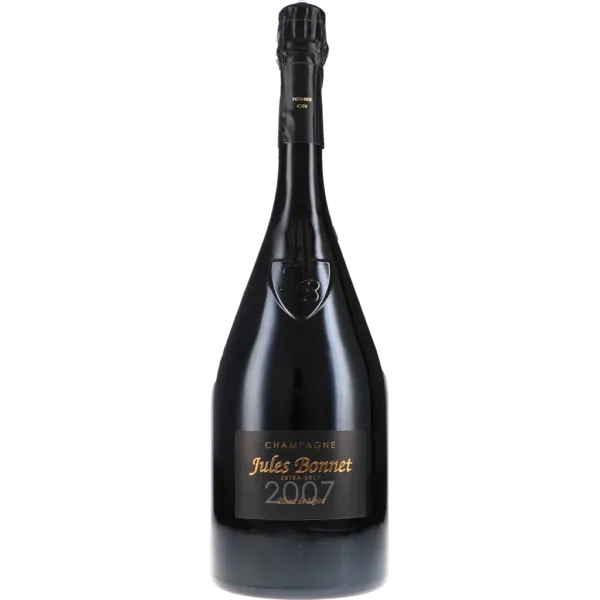
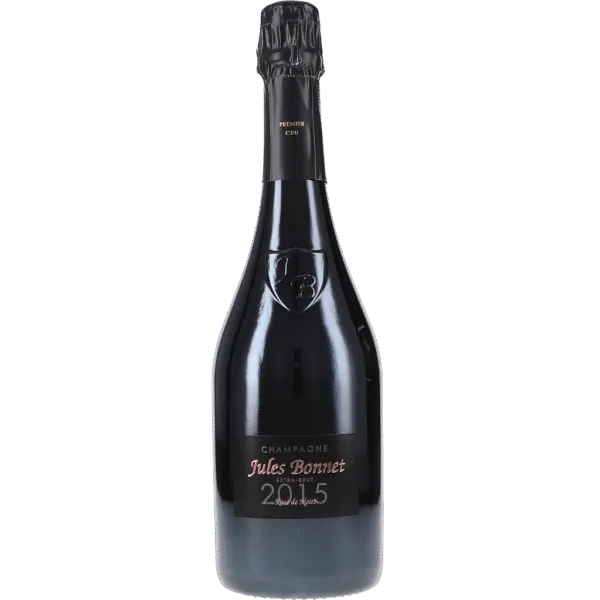
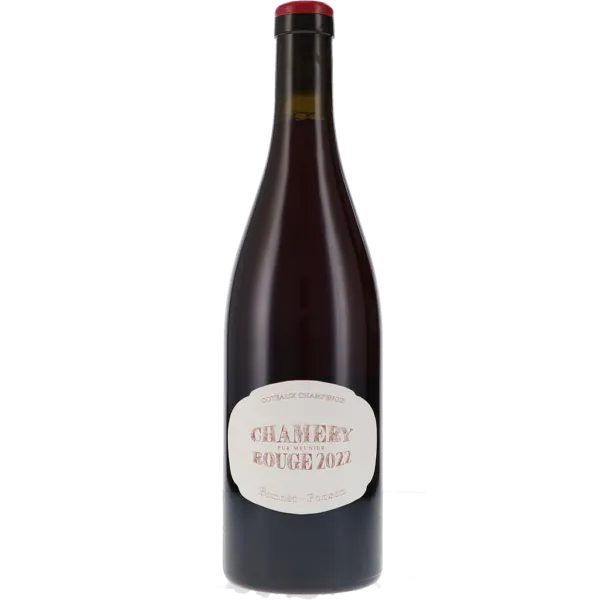
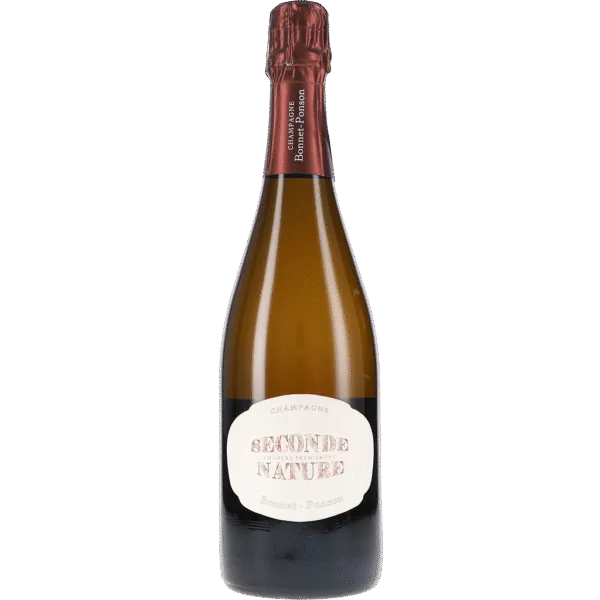
The Seconde Nature is Cyril's commitment to natural wine: entirely without added sulphur, with a character of its own and rough edges. Those who prefer something more classic reach for the Jules Bonnet, named after the founder's son, who began the family's winegrowing in 1862 with Grégoire Bonnet; the house has borne its present name since the marriage of André Bonnet and Monique Ponson in 1957. And for the curious: the Chamery Rouge shows what Meunier from this corner of Champagne can do as a still wine.
The Cuvée perpétuelle explained
What is Bonnet-Ponson's Cuvée perpétuelle?
A reserve that never comes to an end. After each harvest part of the cask is drawn off and topped up with the new vintage; it is never emptied. So every bottle carries wine from many years. The abbreviation on the label gives the base vintage: RP22 stands for the réserve perpétuelle with 2022 as its base, to which 40 per cent from the continuing reserve is added. The cuvée consists of 40 per cent Pinot Noir, 30 per cent Chardonnay and 30 per cent Meunier and combines the depth of a reserve with the tension of a young vintage.
Non Dosé or Extra Brut: what is the difference?
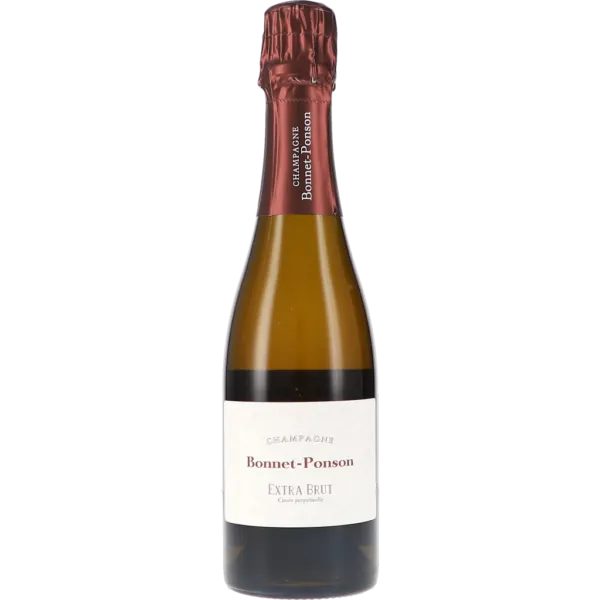
Dosage is the small addition of sugar after disgorgement. At Bonnet-Ponson Non Dosé means zero grams; the wine stands just as it comes from the bottle fermentation. At Cyril Bonnet Extra Brut gets at most five grams, just enough to round off the acidity. Those who like their Champagne salty and bone-dry reach for the Non Dosé; those who want it a touch softer, for the Extra Brut.
Which Bonnet-Ponson for a celebration or as a gift?
For the table, the Cuvée perpétuelle: it accompanies everything from the aperitif to fish and costs less than most grower Champagnes of this class. For the moment afterwards, the Jules Bonnet, the vintage cuvées of pure Pinot Noir, named after the founder's son, as Blanc de Noirs or Rosé de Noirs. Anyone giving a bottle that is not seen every day takes the Seconde Nature without added sulphur or the Chamery Rouge, a still red wine of pure Meunier.
Is Champagne Bonnet-Ponson organic?
Yes. Cyril Bonnet began the conversion in 2013, and the estate has been certified since 2016. Added to this are spontaneous fermentation with wild yeasts, no filtration and sulphur only in tiny amounts. The good ten hectares lie in around 50 plots around Chamery in the Montagne de Reims; the village is classified as Premier Cru.