
 EN
 DE
 FR
 IT

Between wooden stakes and Vosges slopes: Domaine Trapet Alsace in Riquewihr combines Alsatian tradition with Burgundian precision. Andrée Trapet took over her parents' estate in 2002 and today runs it with her husband Jean-Louis, who vinifies legendary Pinot Noirs in Gevrey-Chambertin, following biodynamic principles.
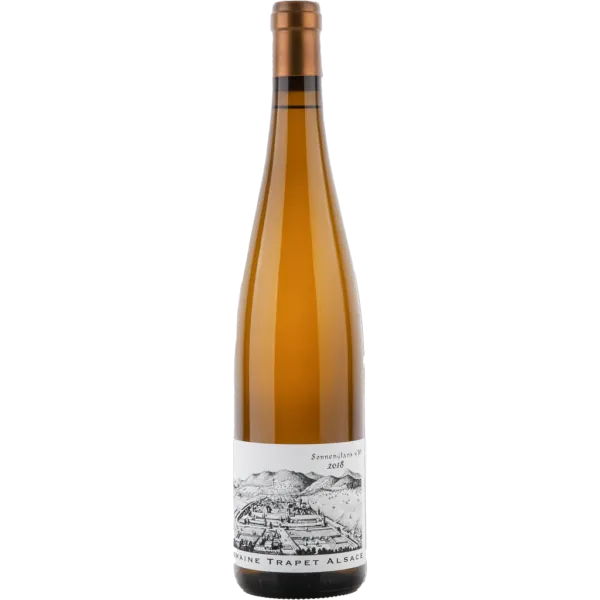
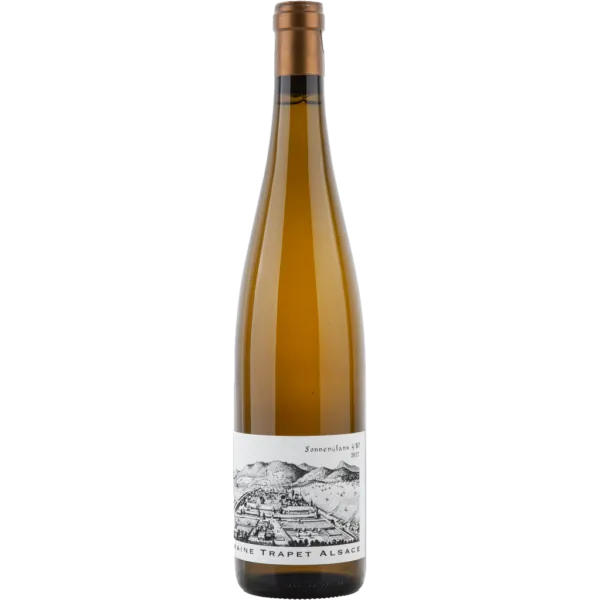
The holdings include parcels in four Grand Crus: Schlossberg, Schoenenbourg, Sonnenglanz and Sporen. Riesling, Gewürztraminer, Pinot Gris and Auxerrois grow on soils ranging from granite to Muschelkalk. Their sons Pierre and Louis have taken over the daily work, with an experimental touch, for instance in the macerated Ambre wines. Demeter-certified, fermented dry, with lively acidity.
„limestone“
In all wines: 1,581 Wines
More about Trapet Alsace
Two Regions, One Family
When Andrée Trapet married Jean-Louis, Burgundy joined Alsace. He, the Pinot Noir virtuoso from Gevrey-Chambertin. She, the daughter of a winegrowing family from Riquewihr. In 2002 Andrée took over her parents' estate, not to sell it but to transform it. Her credo: “To preserve the expressiveness and diversity of the vineyards for future generations.”
Today the family shuttles between Trapet Père & Fils in Burgundy and Alsace. Both estates are farmed biodynamically and Demeter-certified, pioneers in their respective regions. Their sons Pierre and Louis have taken over the daily work in Riquewihr and bring fresh air into the cellars.

Four Grand Crus, Four Terroirs
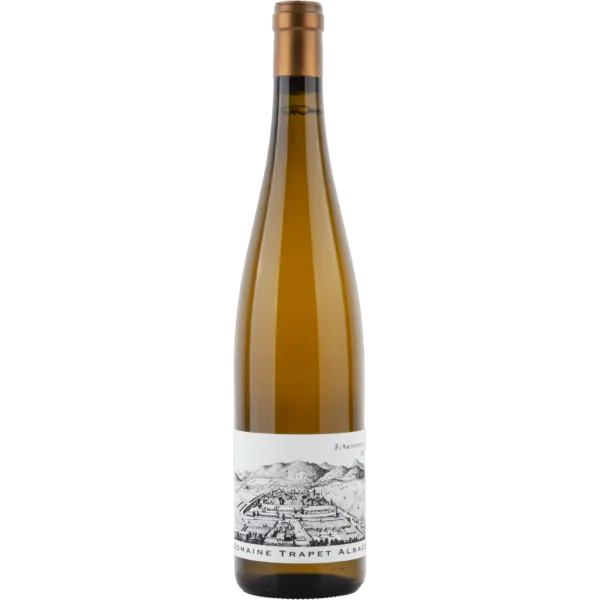
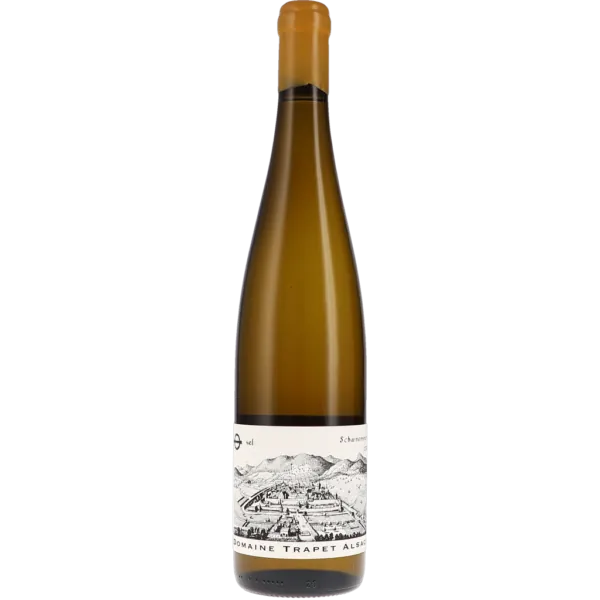
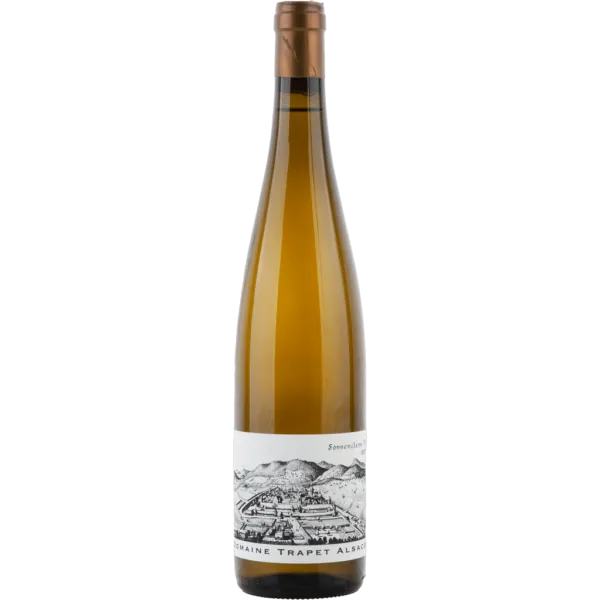
The crown jewels of the estate: Schlossberg (granite, the tautest Riesling), Schoenenbourg (marl, complex and long-lived), Sonnenglanz (clay-limestone, for opulent Gewürztraminer and Pinot Gris) and Sporen (heavy clay soils, powerful). Each site has its own character.
The Riesling Schlossberg Grand Cru embodies the Trapet ideal: dry, mineral, precise. The wines of Alsace here do not carry the typical residual sugar of many neighbours but show Burgundian tautness with Alsatian aromatics. No wonder, given the family history.
The Ambre Revolution
Pierre and Louis have set their own accents. Their Ambre series, macerated white wines, builds bridges to the orange wine movement. The Ambre Rouge (macerated Pinot Noir and Pinot Gris), the Ambre Blanc (Muscat), the Ambre Jaune (Riesling): each wine a study in colour, each a discovery of flavour.
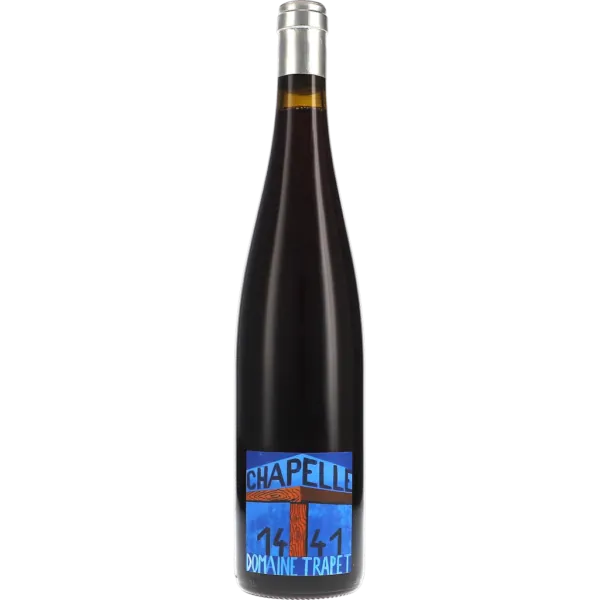
Then there is the Chapelle 1441, named after the year the chapel in Riquewihr was built. The Chapelle 1441 rouge is a rare Alsatian red from Pinot Noir, showing what this grape can do here when given room.

The Tradition of Wooden Stakes
A look at the vineyards shows that work here is still done with échalas, the traditional wooden stakes that support each vine individually. More laborious than wire trellising, but gentler on the vine. The soils are grassed over, copper and sulphur reduced to a minimum. Biodynamic preparations strengthen vitality.
The result? Wines of rare liveliness. The A Minima blanc, counterpart to the Burgundian A Minima, shows what is possible when you trust the wine: no added sulphur, spontaneous fermentation, full of energy. Alsace as authentic as it gets.