
 EN
 DE
 FR
 IT

Meulière – that is the name of the flint stones found everywhere in the soil here. Champagne Jeaunaux-Robin in Talus-Saint-Prix named its cuvées after them, and anyone who takes a sip understands why: these Champagnes taste of their soil. Cyril Jeaunaux and his wife Clémence farm five hectares on the southern edge of the Côte des Blancs, where the dominant grape is not Chardonnay but Pinot Meunier – a variety that defies the late frosts of the Vallée du Petit Morin and has been at home here for generations. Biodynamic, spontaneously fermented, uncompromising.
≈ Food: Cheese
In all wines: 1,414 Wines
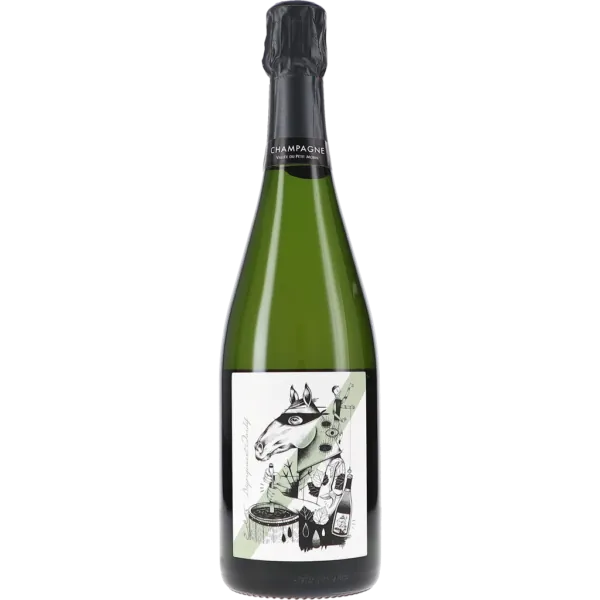
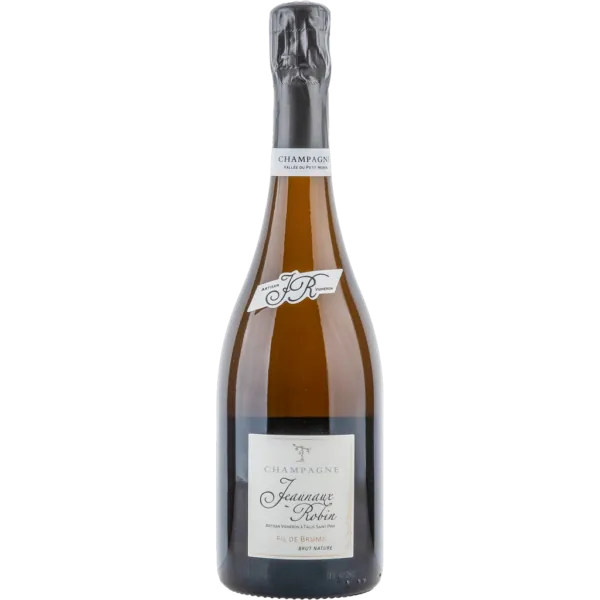
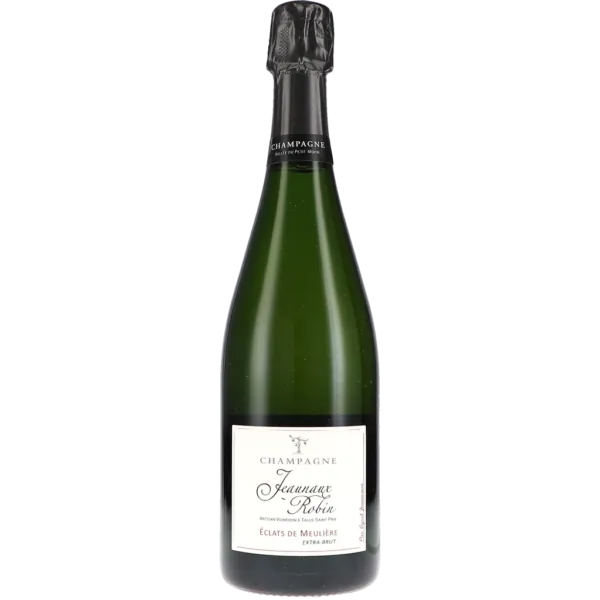
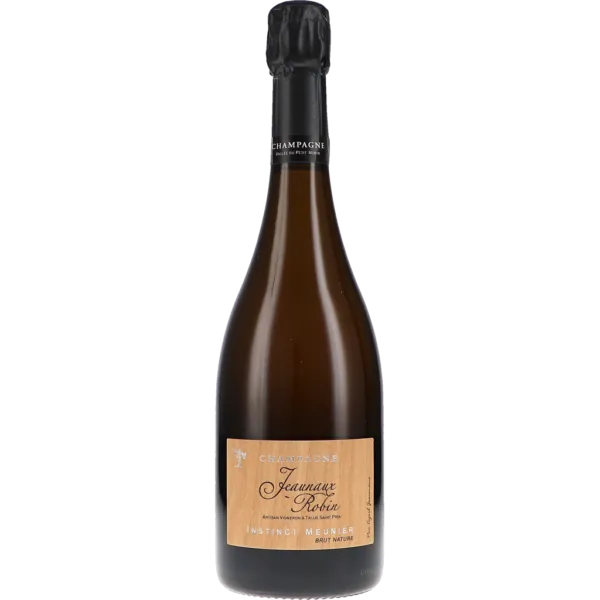
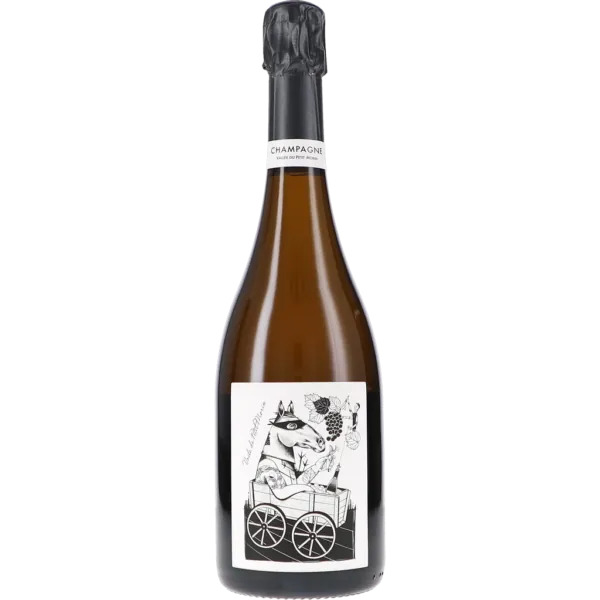
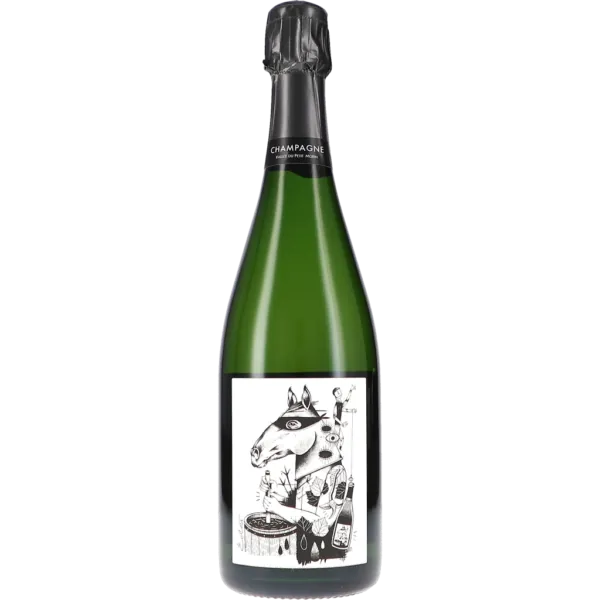
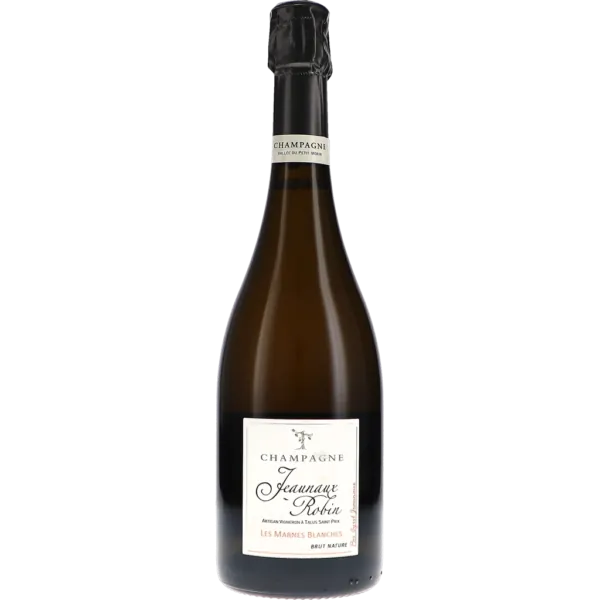
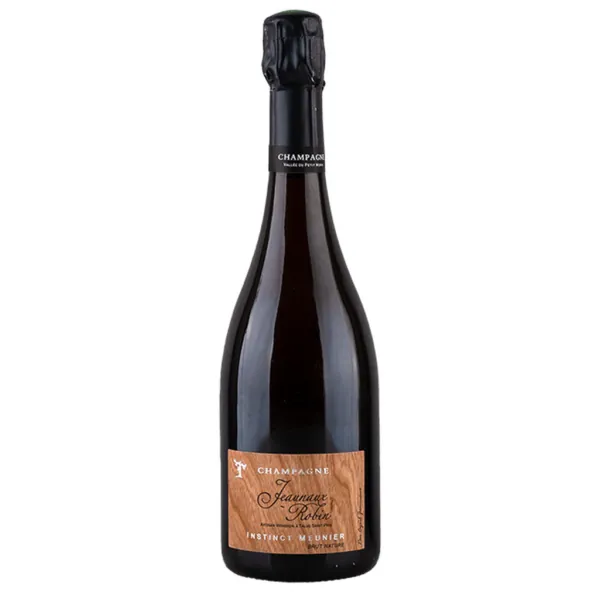
More about Jeaunaux-Robin
Millstones in the vineyard
The name gives it away: meulière means millstone. In Talus-Saint-Prix, a village between the Côte des Blancs and the Côte de Sézanne, the ground is full of flint, the silex once quarried for millstones. This mineral signature marks every Champagne from Jeaunaux-Robin. The five hectares are spread across south-facing slopes above the Petit Morin, a tributary of the Marne. Unlike in the neighbouring areas, Pinot Meunier dominates here with over 50 per cent, a variety that survives late frosts and develops an unmistakable spiciness on this terroir.

Three generations, one chalk cellar
In 1986 Cyril's parents, Michel and Marie-Claude, dug a cellar into the chalk rock by hand, over many months. This natural cave holds a constant 12 degrees and today stores the bottles for between two and seven years before disgorgement. Cyril took over in 1999 together with Clémence and converted consistently to biodynamic farming. Consultant Jacques Mell has accompanied them since 2013. The vines are 40 years old on average, some considerably older. Of the three sons, the youngest, Anselme, wants to take over the estate one day.
Hand pressing and old barrels
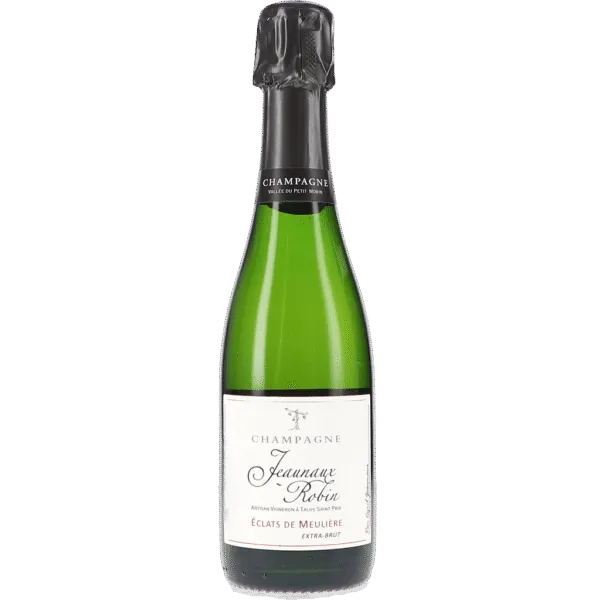
The grapes are still pressed by hand, which is far from a given in Champagne. Fermentation starts spontaneously, without added yeasts. The wines are aged in steel tanks, glazed concrete and used oak barrels at least ten years old. Cyril wants to taste terroir, not wood. The result: Éclats de Meulière carries its flinty minerality both in its name and in the glass. Anyone looking for pure Meunier will find it in Instinct Meunier, unadorned and without dosage.

Terres et Vins de Champagne
Cyril belongs to the association Terres et Vins de Champagne, a group of growers who place terroir above everything else. Alongside him: Pascal Agrapart, Benoît Laherte and Tarlant. Les Marnes Blanches shows that 100% Chardonnay also benefits from this terroir: chalky minerality and taut acidity. Jeaunaux-Robin remains an insider's tip, for now. Anyone looking for Champagne beyond the big names has come to the right place.