
 EN
 DE
 FR
 IT

Domaine Albert Mann in Wettolsheim is one of those estates that stay with you. The brothers Maurice and Jacky Barthelmé shaped it over decades, and today Jacky runs it with his son Antoine: 25 hectares in six Grand Cru sites, farmed biodynamically and Demeter-certified since 1997. The Riesling from the Schlossberg has that granitic quality which almost crackles on the palate. The Pinot Noir from the Clos de la Faille could have come from Burgundy. In 2012 they were named “Winemakers of the Year” – but you will only hear about that here in passing.
„saline“
In all wines: 821 Wines
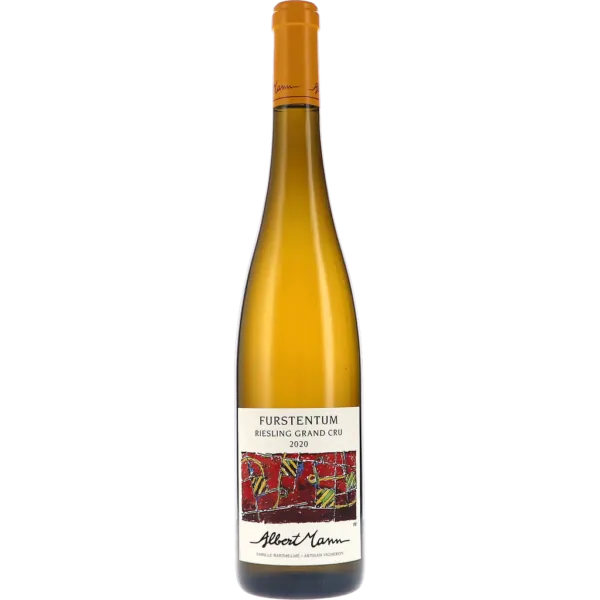
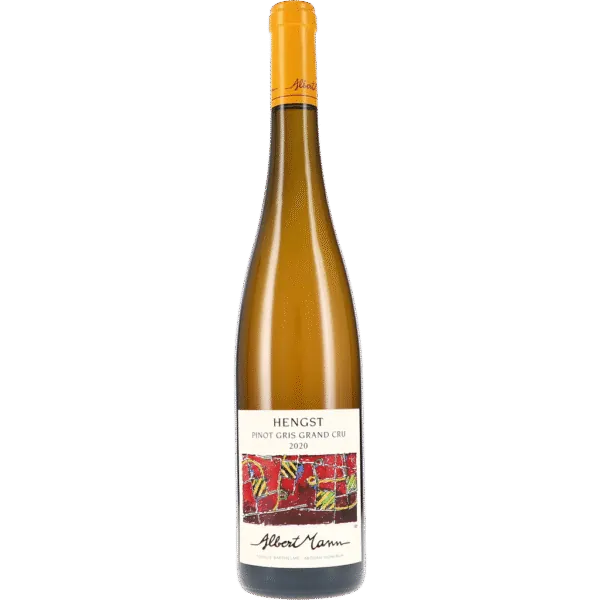
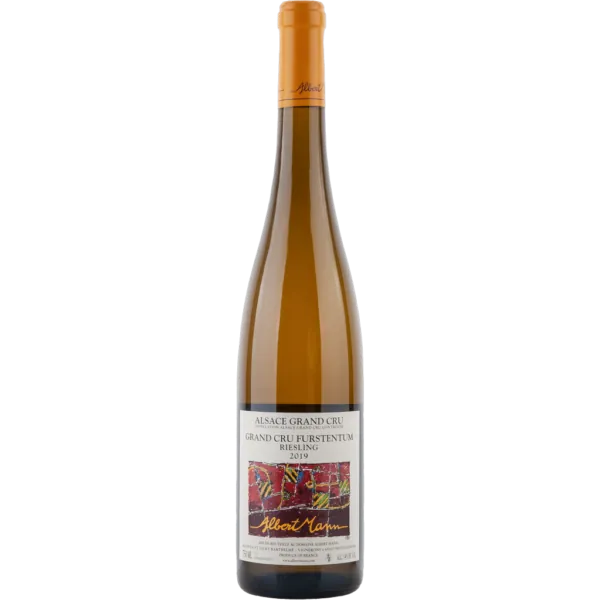
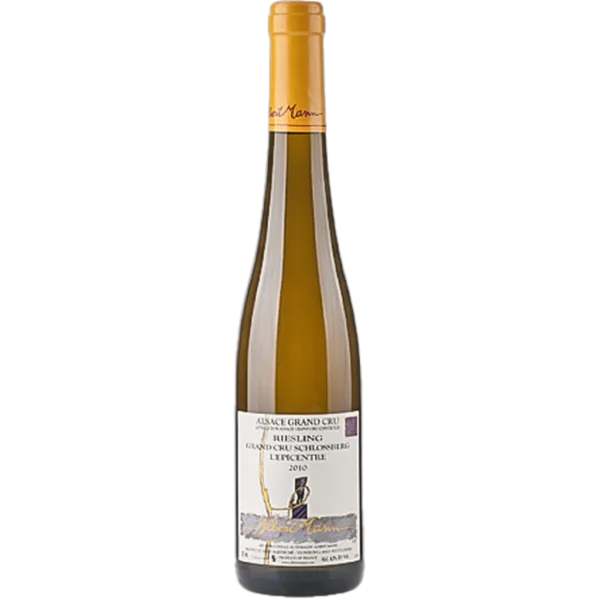
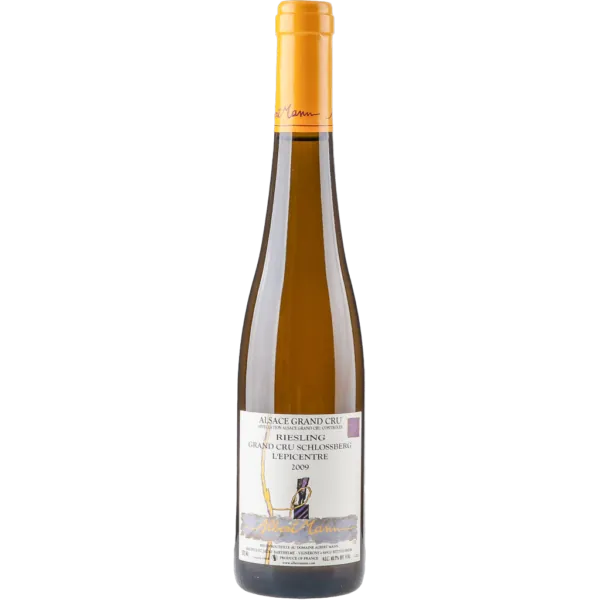
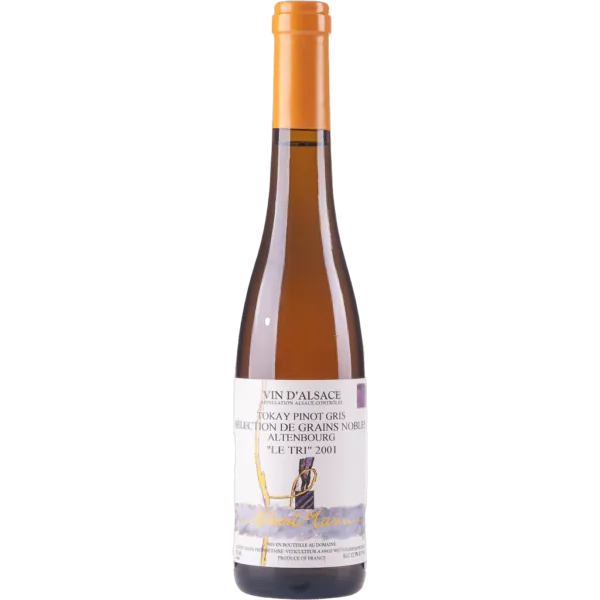
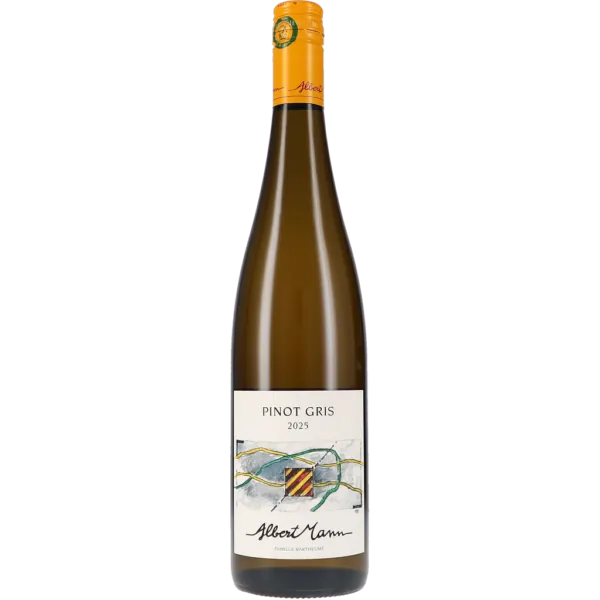
More about Domaine Albert Mann
Two Brothers and Nearly a Hundred Parcels
Maurice looked after the vineyards and Jacky the cellar: that was how they had divided things up when they converted to biodynamics in 1997. Back then, plenty of people thought it was a crackpot idea. Today the Barthelmés and their 25 hectares are in the same league as the finest producers in Alsace. They farm vines in six Grand Cru sites: Schlossberg, Hengst, Furstentum, Steingrubler, Pfersigberg and Wineck-Schlossberg. That sounds like a lot, but the land is scattered across nearly a hundred parcels, each with its own character.
In the steepest sites they work with horses instead of tractors. The soil is not compacted, so the roots can reach deeper. They regularly compare notes with Olivier Humbrecht of the neighbouring domaine – both are Demeter-certified, and both are convinced that living soils make better wines.

The Schlossberg and Its Granite Wines
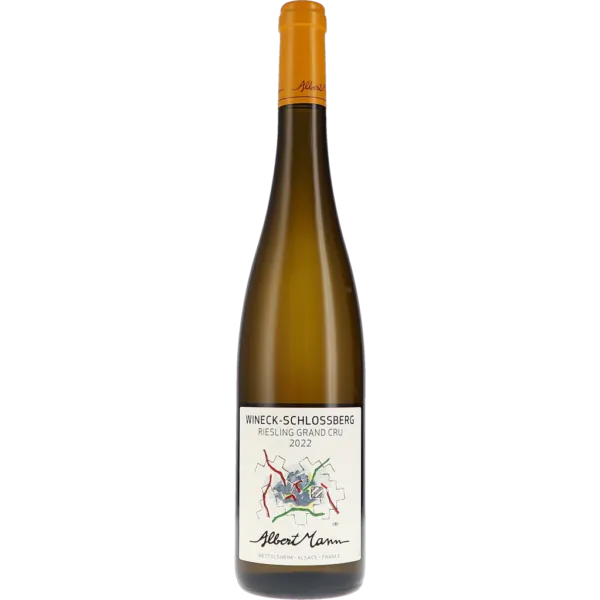
Riesling is the leading variety here. Whatever comes from the Schlossberg tastes of the granite the vines grow on: that almost salty minerality, along with citrus and a tension that makes the wine vibrate on the palate. The Riesling Schlossberg Grand Cru 2021 shows this particularly well.
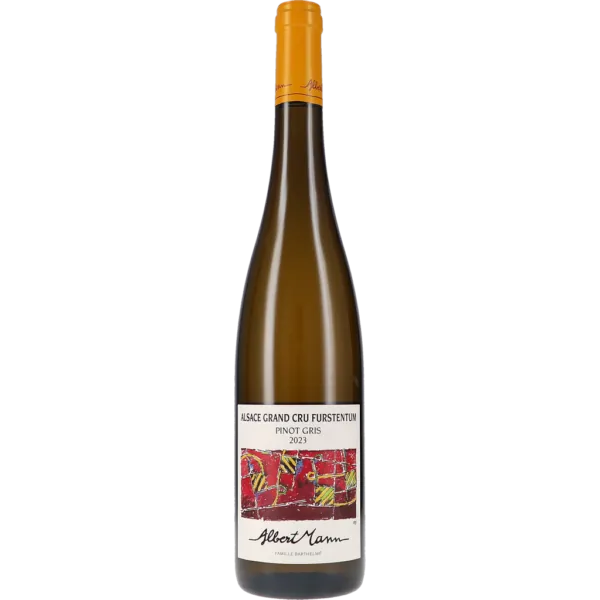
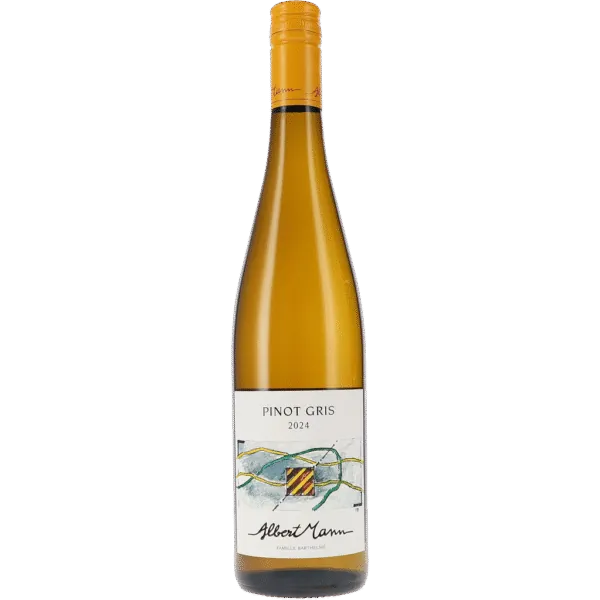
In the Furstentum, Gewürztraminer grows on limestone, while the Hengst is planted with Pinot Gris. Over the years the Barthelmés have learned which variety belongs where. Not a formula, but decades of observation. Maurice has since retired, and Jacky's son Antoine now runs the estate together with his father – the next generation has arrived.
Red Wine in Alsace
Alsace and red wine may sound like an unlikely pairing at first. But the Pinot Noir Clos de la Faille puts paid to any such prejudice. The monopole belongs to the Barthelmés alone, and they treat it like a Burgundy vineyard: hand harvesting, open-vat fermentation, ageing in small wooden barrels. The result has finesse and silky tannins, with nothing heavy about it.
Antoine also experiments with amphorae. Outrevin, a Pinot Noir made with almost no sulphur, matures in clay vessels. It is a side project he has kept going for years.

Crémant and Sweet Wines
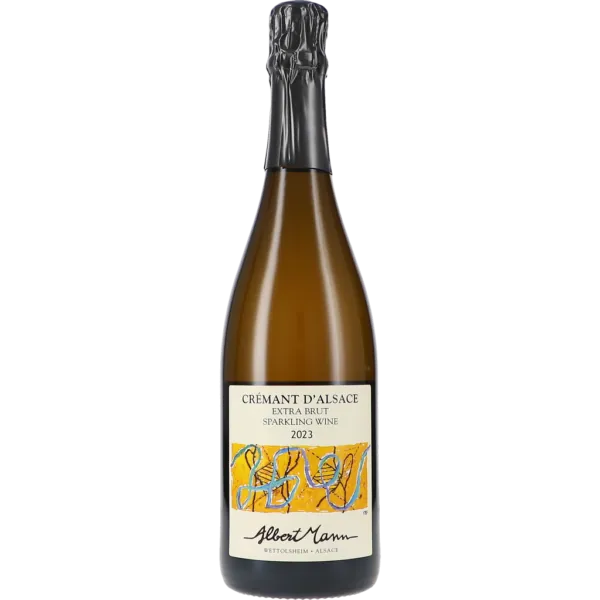
The Crémant d'Alsace Extra Brut is one of the best in the region. Fine bubbles, dry, and at a price that puts Champagne to shame.
When the vintage allows, they also make Vendanges Tardives and Sélection de Grains Nobles, sweet wines that can age for decades. The Barthelmés don't make them every year. Only when the grapes have it in them. This attitude runs through everything here: force nothing, observe, respond.