
 EN
 DE
 FR
 IT

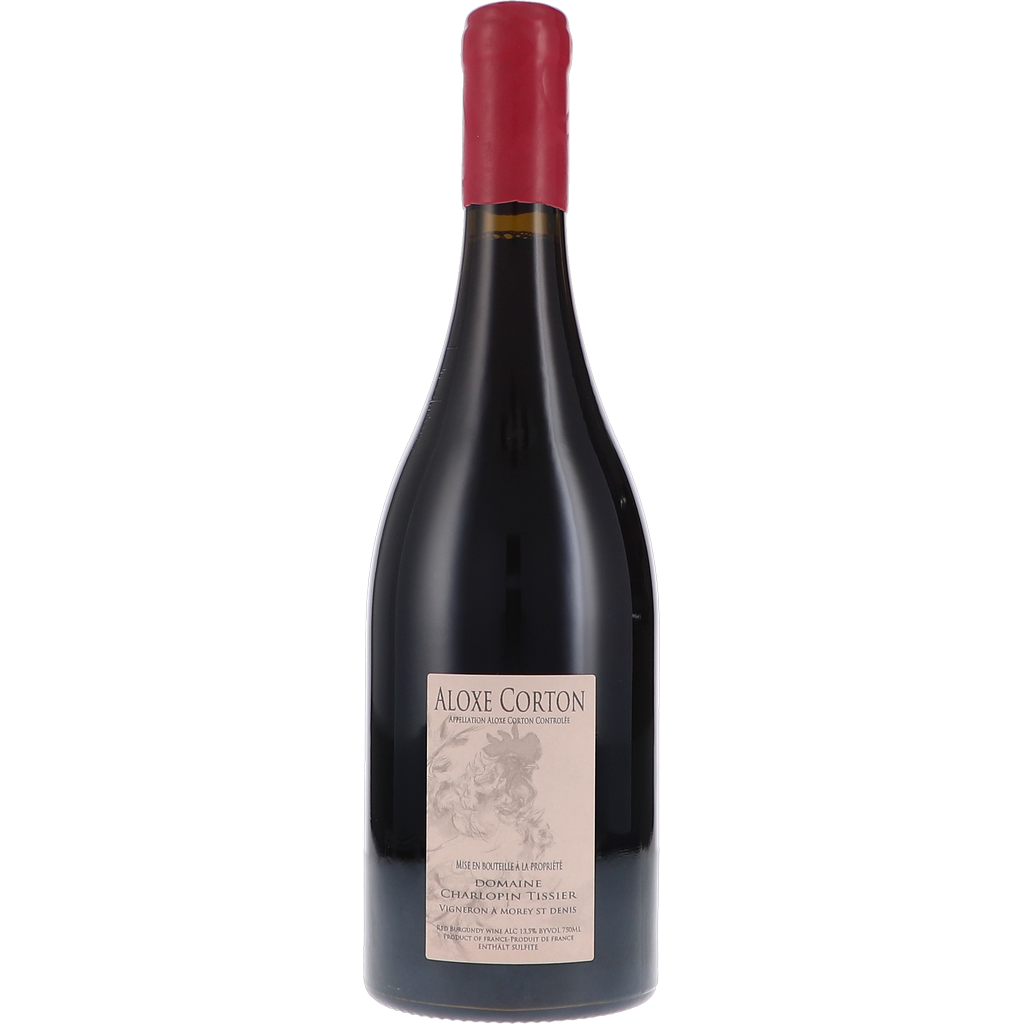
Wine description for Aloxe-Corton rouge AOC 2022 from Charlopin Tissier
Colour & appearance
Deep ruby red with brilliant violet reflections that perfectly reflect the youth of this Pinot Noir from the cool terroir of Aloxe-Corton. Medium colour density with clear transparency at the edge of the glass.
Nose
Precise, focussed aromas of red forest berries, sour cherry and raspberries, underlaid with subtle notes of white pepper and damp forest soil. After aeration, complex nuances of violets, verbena and a subtle minerality unfold, expressing the chalky terroir of this prestigious appellation.
Palate
On the palate, the classic handwriting from the House of Charlopin Tissier: structured and taut with a precise acid structure and fine-grained tannins that still signalise youthful restraint. The wine reveals layer upon layer of redcurrant, cranberry and a subtle spiciness. Despite the considerable amount of new wood, the wood is perfectly integrated and gives the wine a silky texture without dominating. The finish is long, precise and characterised by a remarkable mineral tension.
General information
This Aloxe-Corton represents the new generation of Burgundian winemakers. Yann Charlopin and Justine Tissier rely on traditional winemaking with a modern understanding. The 2022 vintage is characterised by balanced ripeness and elegant structure. The long cool pre-fermentation and complete destemming result in a wine of impressive clarity and precision.
Food pairing suggestions
Ideal for Roast duck breast with cherry sauce, coq au vin or Boeuf Bourguignon. Also excellent for Mushroom dishes with wild mushrooms or a matured Époisses. The fine acidity structure harmonises particularly well with dishes that have a certain greasiness.
Special features
A wine that needs time to develop its full potential. Currently still restrained, it will reach its peak in 5-8 years. The bottle should be decanted at least one hour before drinking to release the complex flavours. A classic Burgundywhich rewards patience and impressively demonstrates the typicality of its origin.


