
 EN
 DE
 FR
 IT
When autumn mists from the Bodrog and Tisza rivers cling to the slopes of the Zemplén Mountains, followed by warm, dry afternoons, the berries of Furmint and Hárslevelű shrivel under the influence of noble rot, Botrytis cinerea, into raisin-like Aszú berries. From these is born Tokaji, Hungary’s most celebrated sweet dessert wine, produced as Aszú, Szamorodni, or the rare Tokaji Essencia. Alongside these, the region also produces dry and off-dry wines from Furmint, which on volcanic soils are taut and smoky in character. Our Tokaji wines come from Királyudvar estate in Tarcal, where the vineyards are farmed biodynamically.
≈ Food: Honey
In all wines: 264 Wines
More about Tokaj
Tokaji wine from the Zemplén: volcanic rock, loess and autumn mist
The wine region lies in north-eastern Hungary on the southern foothills of the Zemplén mountains, where the Bodrog flows into the Tisza; a small area across the border in Slovakia also bears the name Tokaj. The hills are volcanic in origin: andesite, rhyolite and tuff, overlain by weathered clay soils and, on Tokaj Hill itself, a blanket of loess. In autumn the rivers bring morning mists, followed by sunny, dry afternoons; under this alternation botrytis spreads without letting the grapes rot. The area was delimited by royal decree as early as the 18th century, and since 2002 the cultural landscape with its cellars dug into the tuff has been a UNESCO World Heritage Site.
Tokaji Aszú and the logic of puttonyos
For Aszú, the shrivelled berries are picked individually from the bunches over several weeks, crushed into a paste and steeped in must or young wine, which draws out their sugar, acidity and aroma. A puttony is the wooden harvesting hod in which the Aszú berries were collected, and the number of puttonyos indicated how many hods of Aszú paste were added to a cask of base wine. The more puttonyos, the sweeter and denser the wine; today the law defines the levels by residual sugar, and 6 puttonyos stands for the densest form of Aszú. Pouring must or wine a second time over the pressed Aszú paste produces Fordítás, while wine made over the Aszú lees is Máslás; both are rare today.
Tokaji Essence, Szamorodni and dry Furmint
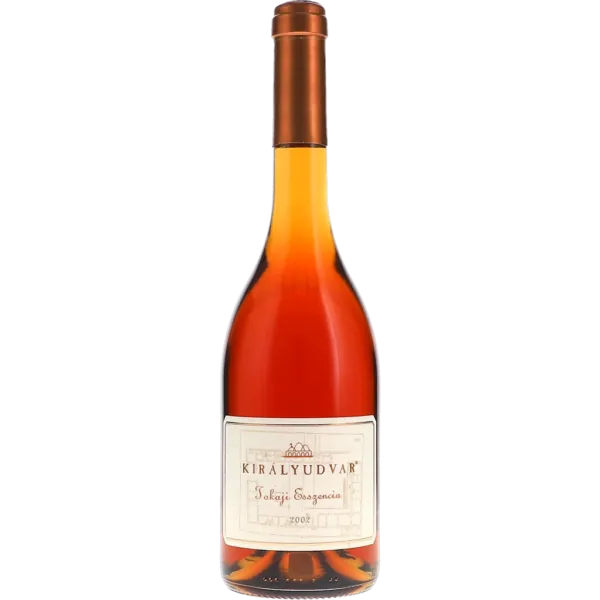
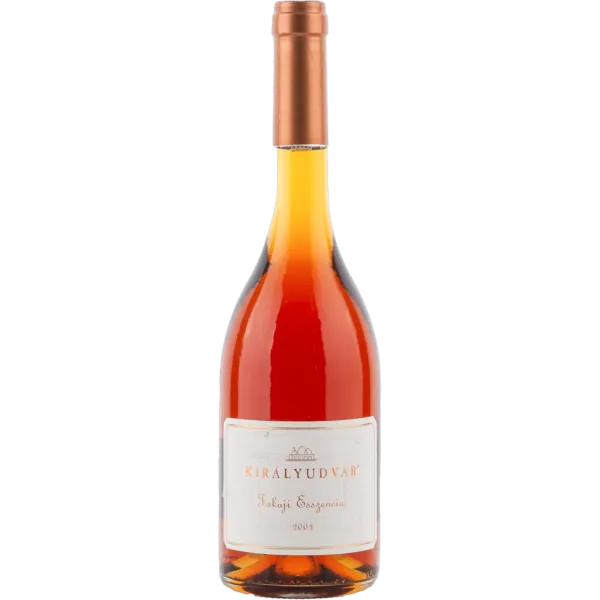
Tokaji Essence, Eszencia in Hungarian, is the juice that runs off under nothing but the weight of the collected Aszú berries. It is so rich in sugar that the yeasts take years and reach only a few per cent of alcohol; our vintages are at 3 and 4 per cent. Szamorodni means roughly "as it grew": the grapes are picked as whole bunches with their botrytised berries, without selection. The result is either a sweet Szamorodni or a dry one, which often matures under a layer of flor yeast and smells of walnut and bread crust. Dry Furmint shows high acidity, quince, lime and a smoky note from the volcanic rock, while Hárslevelű brings linden blossom and honey and rounds out the blends.
Biodynamic Tokaji: Királyudvar in Tarcal
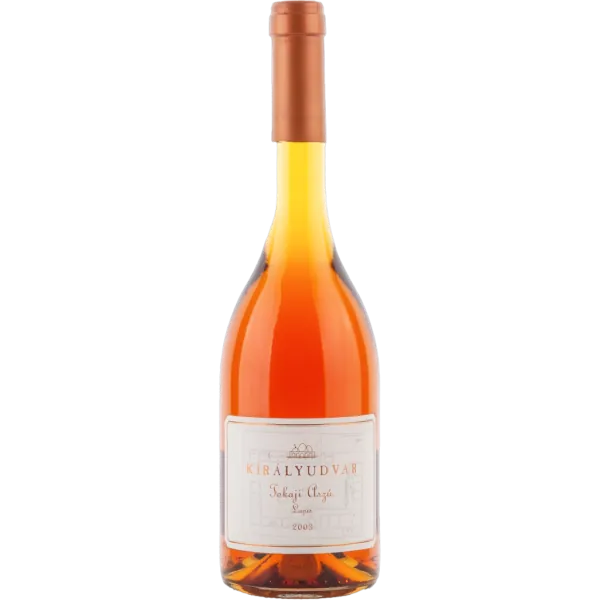
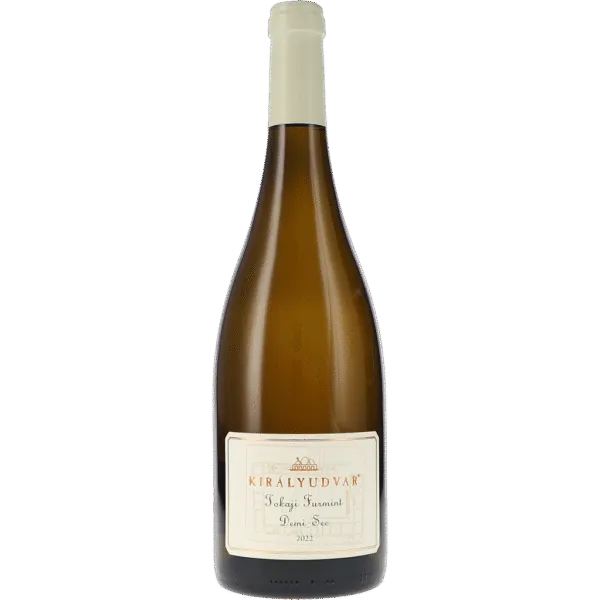
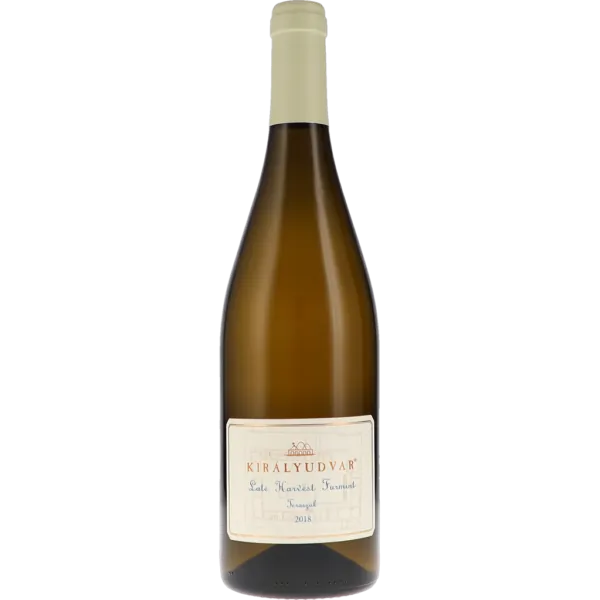
The Királyudvar estate, whose name means royal court, is based in Tarcal at the foot of Tokaj Hill and works biodynamically. Its range extends from the off-dry Tokaji Furmint Demi-Sec 2022 from Furmint and Hárslevelű, through the Late Harvest Furmint Teraszok 2018 from the single vineyard Lapis, to the Tokaji 6 Puttonyos Aszú 2012, which smells of linden and orange blossom, mint, saffron and smoke. The Tokaji 6 Puttonyos Aszú Lapis 2003 shows caramel, baked apple, dried apricots and honey. The Tokaji Esszencia 2002 and the previous vintage are dark amber with candied quince and light tobacco. All available Tokaji wines can be found in the list above.