
 EN
 DE
 FR
 IT

Drink wine from century-old vines and you taste history. Dr Georg Meissner, one of the most prominent experts in biodynamic viticulture in the German-speaking world, has saved two old vineyards in south-western Roussillon from being grubbed up. His Carignan vines date back to 1899, and the Grenache is scarcely younger. What begins as theory in Geisenheim turns into liquid reality here, just short of the Spanish border.
The scientist and consultant lives with his family in South Tyrol, where he was responsible for all of Alois Lageder's agriculture, winemaking and research. He farms his Roussillon vineyard together with Flo Busch, applying the same rigour he teaches at respekt-BIODYN.
≈ Food: Duck≈ Food: Poultry
In all wines: 618 Wines
More about Georg Meissner
The Professor in the Vineyard
At Geisenheim University, Dr Georg Meissner teaches the next generation of winegrowers the methods of Rudolf Steiner, with a strong practical focus. His experimental vineyard there allows a direct comparison between conventional, organic and biodynamic farming. The findings feed not only into his teaching but also into the advice he gives to renowned wine estates. At Alois Lageder in South Tyrol he was responsible for the entire agricultural side, the cellar and research. Since 2015, the respekt-BIODYN group of winegrowers has benefited from his training and continuing education programme.

Carignan from 1899
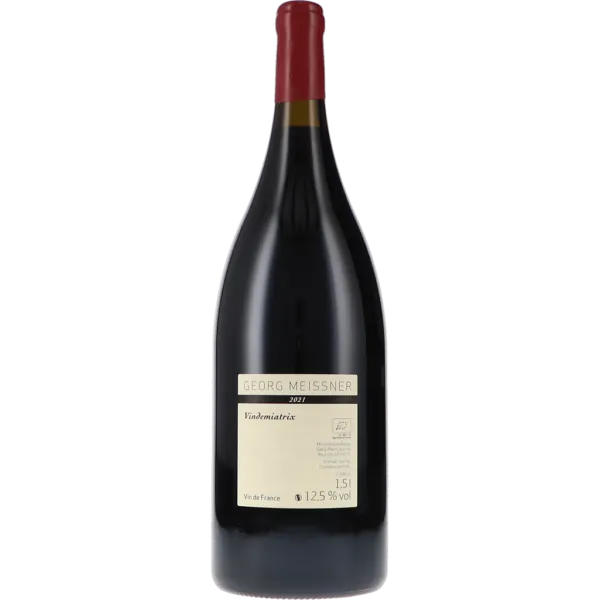
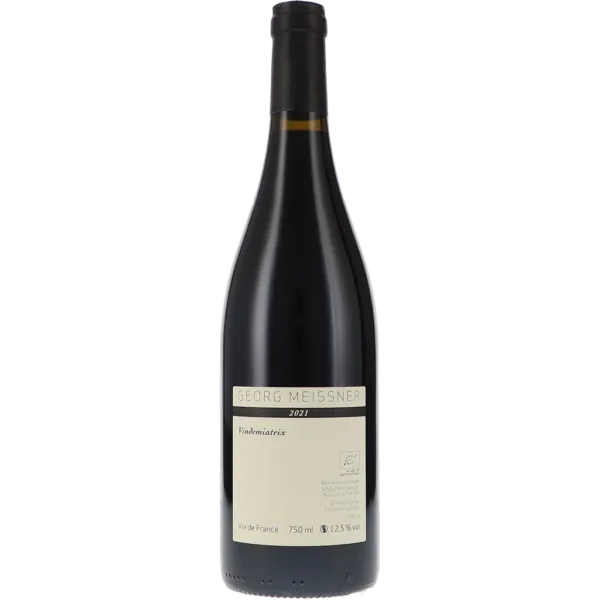
Meissner pours his heart into two small vineyards in the south-west of Roussillon, not far from the Spanish border. In this corner, also home to domaines such as Gauby and Matassa, he took over parcels that would have been grubbed up without his commitment. The Carignan vines were planted in 1899 and form the foundation of his Vindemiatrix. The name, Latin for a female grape harvester, refers to a star in the constellation Virgo. Set on a terrace and sheltered by rocks, old stone walls and the adjoining woodland, the site offers ideal conditions. The weathered gneiss in the subsoil brings minerality and depth.
Serrat de la Plane: Wind and Coolness
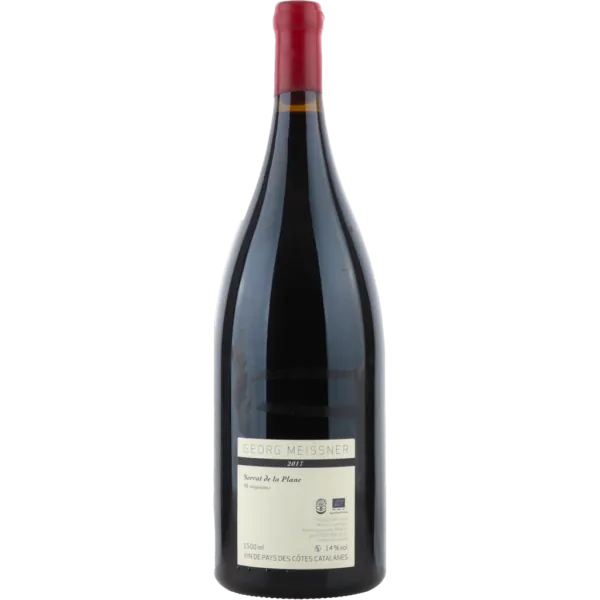
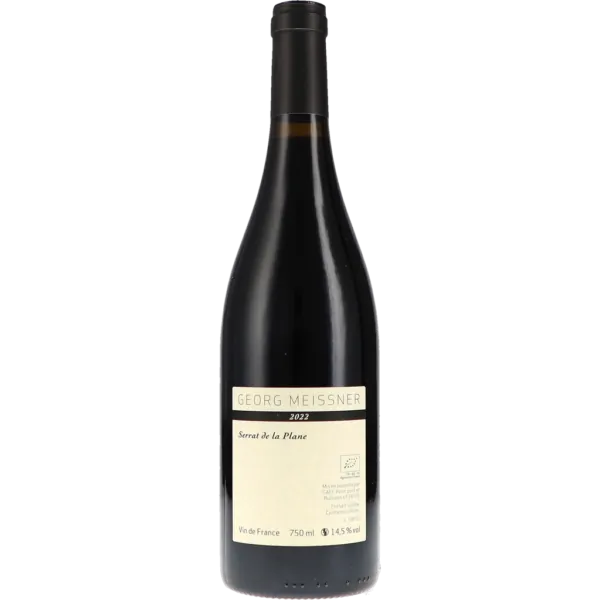
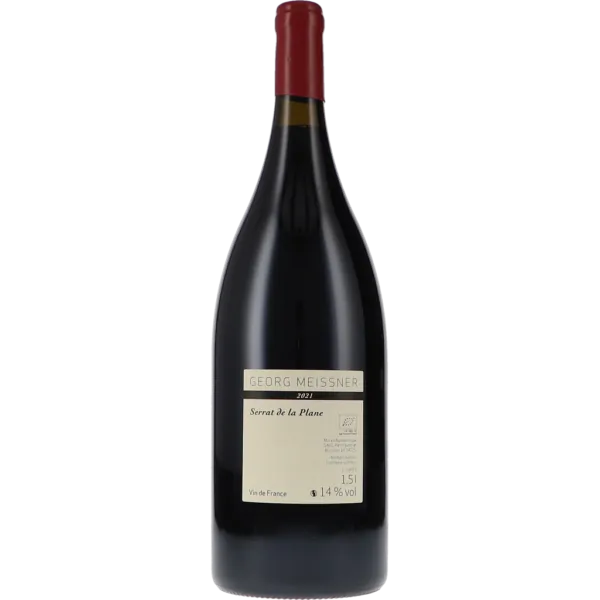
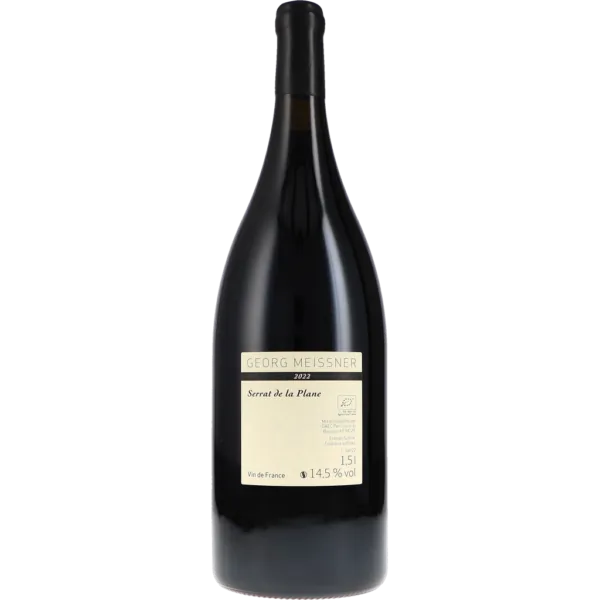
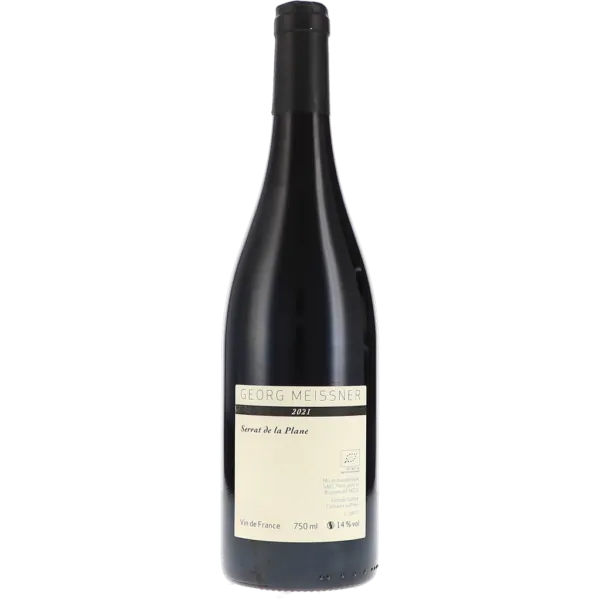
Meissner's second wine comes from very old Grenache vines on the “stony plateau”, which is what Serrat de la Plane means in Catalan. Unlike the sheltered Carignan terraces, this site is permanently exposed to the cool wind. What sounds like a drawback turns out to be a blessing: the moving air cools the grapes in the hot climate and gives them the kind of freshness that Mediterranean Grenache rarely shows.

Precision at a Distance
Georg Meissner lives with his family in South Tyrol and travels to Roussillon regularly. Day-to-day work in the vineyards is in the hands of Flo Busch, with whom he also shares the cellar. The partnership works because both speak the same language: that of biodynamics, without compromise. The wines, just Vindemiatrix and Serrat de la Plane, are made in tiny quantities. They speak of patience, of vines that have lasted a century, and of a scientist who brings theory and practice together.