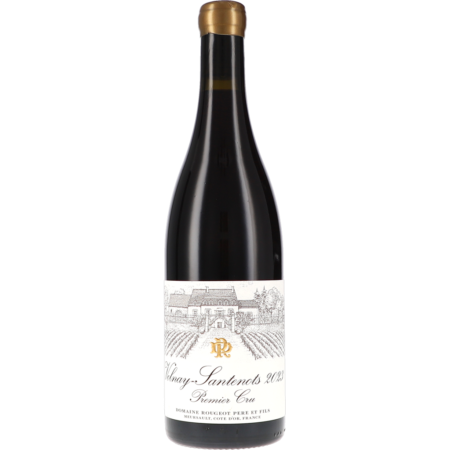
The Chambertin-Clos de Bèze Grand Cru 2023 by Bruno Clair captivates as a noble Pinot Noir from Burgundy, with clear fruit, fine bitterness and a saline minerality that reflect its legendary terroir.
A complex aromatic profile of dark cherries and forest berries, underpinned by violet blossoms, delicate spice and a hint of noble earth.
Palate
Slender yet profound on the palate, with juicy fruit, silky tannins and a taut, saline line that leads into a long, precise finish.
Character
A wine of quiet elegance and substantial depth, combining concentrated power with transparent provenance and possessing great potential for long bottle ageing.
Pairing
An ideal match for delicate beef fillet, duck breast or partridge with mushroom ragout.
Notes
A crown jewel from the house of Bruno Clair, benefiting from old vines such as the parcels planted in 1912, producing a pure, age-worthy Grand Cru with striking, saline minerality without any need for showmanship.
Tasting note
Character
Here speaks one of the great names of Burgundy – and it speaks softly. The Clos de Bèze from Bruno Clair is a wine of noble intensity that does not flaunt its power. Slender in build yet deep, with silky tannins and that taut, saline line which defines all the estate’s wines. A Grand Cru that demands patience and rewards it over decades.
Terroir & Origin
Chambertin-Clos de Bèze lies in the heart of Gevrey-Chambertin on the Côte de Nuits and ranks among the oldest and most venerable vineyard sites in Burgundy. Here, Bruno Clair tends parcels of vines, some of which were planted in 1912 – plant material over a hundred years old that yields tiny harvests and produces wines of extraordinary concentration. It is this historical capital that makes the Clos de Bèze the crown jewel of the domaine.
Grape Variety & Vinification
Pinot Noir in its most original form. In the cellar, Bruno Clair follows one principle: as much as necessary, as little as possible. Spontaneous fermentation is standard, while extraction remains measured. A proportion of 20 to 50 per cent whole bunches goes into the fermentation vat, and ageing takes place over 18 to 20 months in barriques with a share of new wood between 20 and 50 per cent. The result: transparent, unadorned wines without make-up – origin rather than show.
Food Pairings
A wine of such depth deserves cuisine on an equal footing. Classically paired with partridge in truffle jus or duck breast with cherries. Equally convincing alongside beef fillet in red wine sauce, a game terrine or a ripe Époisses – that Burgundian cheese whose intensity stands up to the wine’s saline precision. If you open it young, decant it generously; if you cellar it, you will witness how fruit and minerality evolve over the years into something that can only be described as greatness.

 EN
 DE
 FR
 IT