
 EN
 DE
 FR
 IT
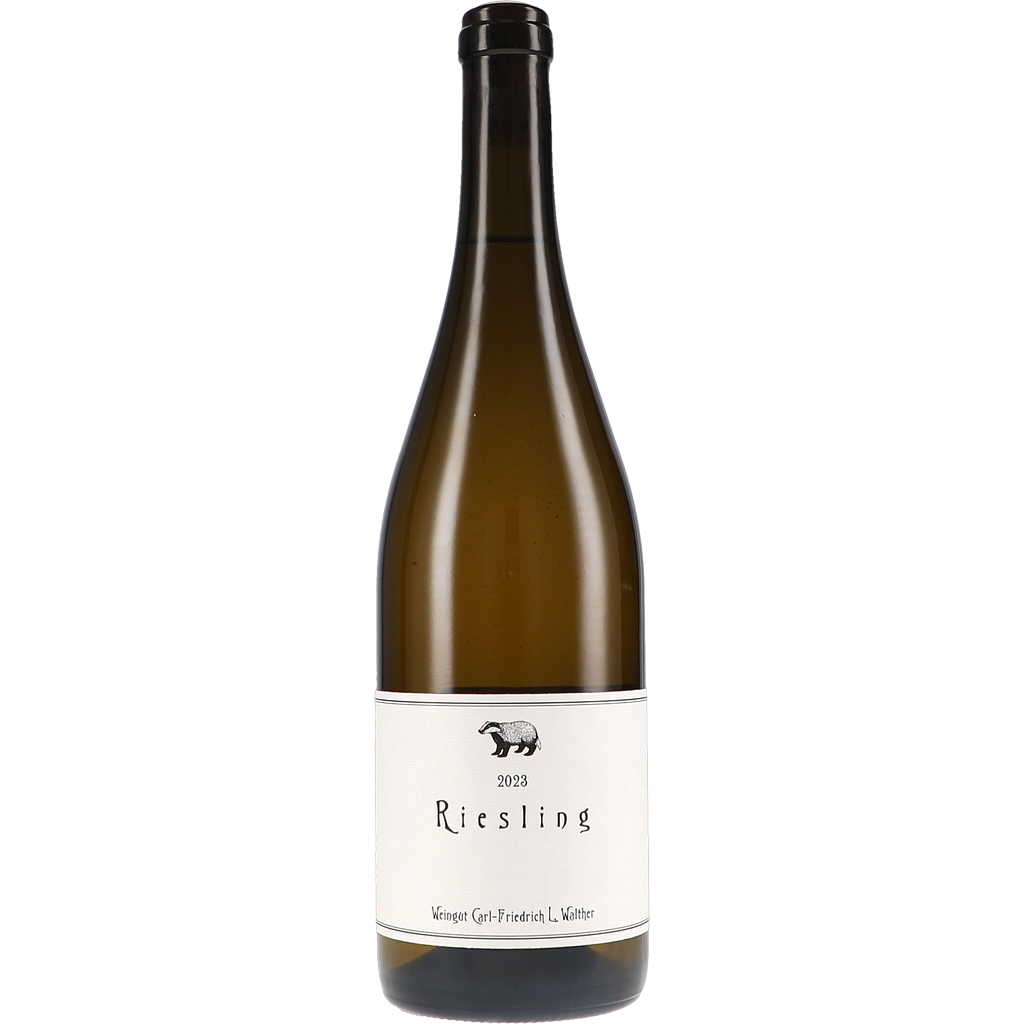
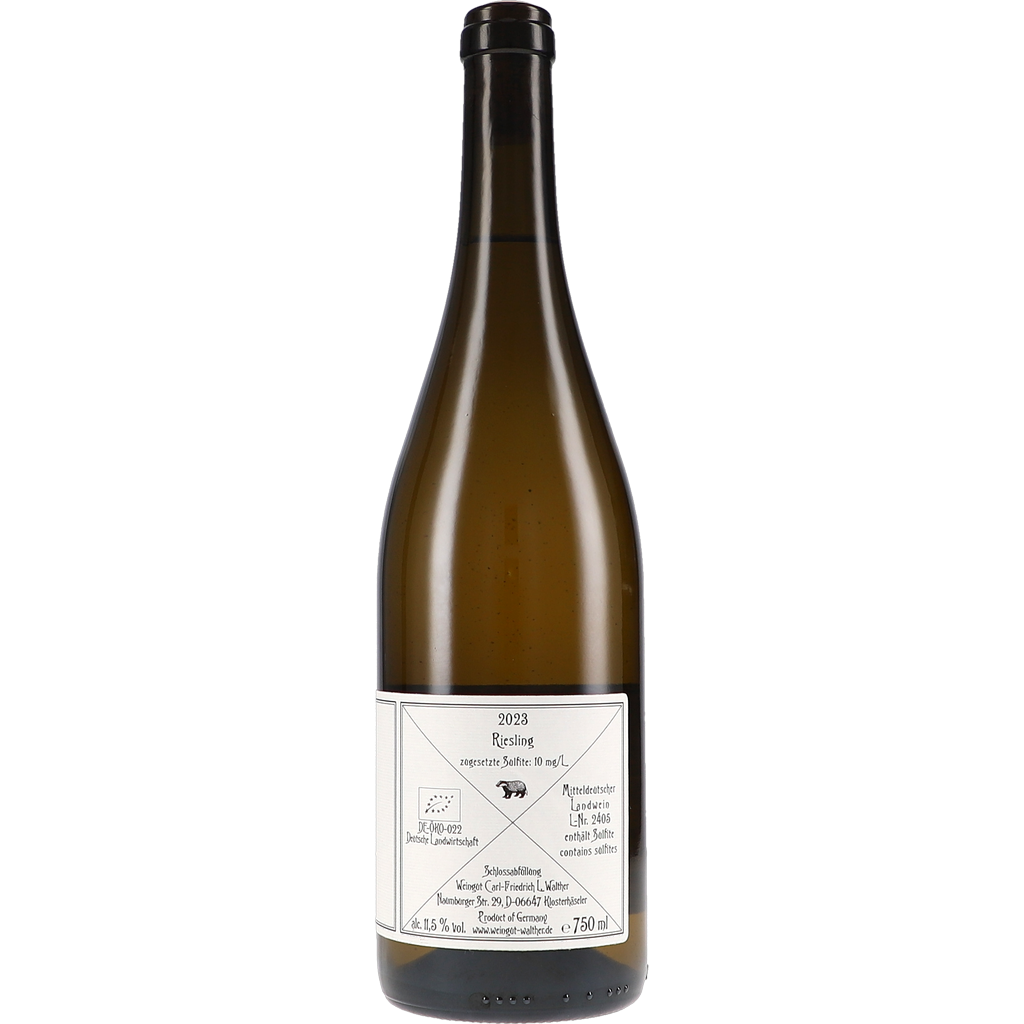
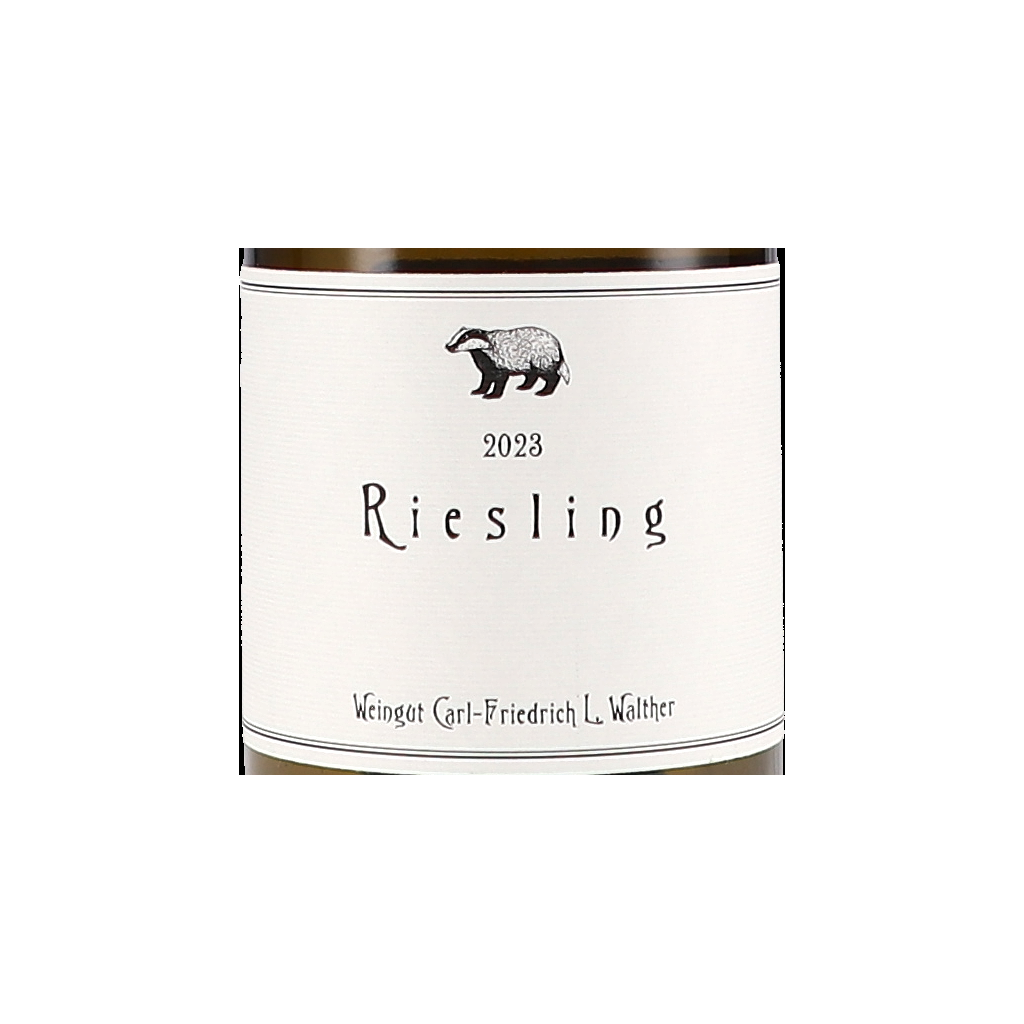
Wine description for Riesling 2023 by Carl-Friedrich L. Walther
You really have to travel to the far north-east of Germany to find a Riesling of this kind: Saale-Unstrut, the country’s northernmost quality wine region, where cold winters and long, cool autumns push the wine to its limits and shape its character. Carl-Friedrich L. Walther, who trained on the Mosel and honed his craft with Klaus Zimmerling in Dresden, presses his Riesling from the Kaatschener Dachsberg over four and a half hours in a wooden basket press – patience you can taste.
- Colour & appearance
- Bright, clear golden yellow, threaded through with a very fine shimmer of residual carbon dioxide.
- Nose
- Open and inviting: firm, ripe pome fruit alongside fresh green notes, plus brioche and beeswax from the long time on the lees. Garden herbs such as lemon balm, lemon zest and a cool hint of stone complete the picture.
- Palate
- Dry and linear, with fine phenolics and an acidity that starts out round before building pressure – the combination of 22 hours of skin contact and long, gentle pressing clearly bears fruit here. Aromatically bright: pome fruit and citrus, underpinned by a salty coolness.
- Finish
- Long and present, the light grip and lively acidity keep talking right to the very end.
- Terroir & origin
- The single vineyard site Kaatschener Dachsberg lies high above the River Saale in Thuringia. The vines are rooted in weathered shell limestone with loess loam deposits – sparse, stony terrain at the climatic edge of viticulture, which forces low alcohol levels (here 11.5%), alert acidity and clear aromatics.
- Grape variety & vinification
- Pure Riesling, selectively hand-harvested, with 22 hours of skin contact including the stems, 4.5 hours of basket pressing and 20 months on the full lees in stainless steel. Racked once before bottling, minimally sulphured, unfiltered, unfined.
- Food recommendations
- Cool, restrained cuisine suits it best: pan-fried zander, young goat’s cheese, green asparagus or a bowl of miso soup.
- Special features
- A Riesling from the low-tech school: certified organic manual viticulture, basket press, patience instead of technology. The result is a rare blend of <stringency and suppleness – northern Germany’s answer to the question of how quietly a great wine is allowed to speak.
Anyone looking for creamy opulence should move on; those who appreciate tension and a cool, stony core will be tasting this wine for a long time to come – both literally and figuratively.


