
 EN
 DE
 FR
 IT

It all began with a journey. What Carl-Friedrich, a career-changer schooled on the Mosel, experienced during a wine tour through Piedmont and South Tyrol turned him into a winemaker – and Weingut Carl-Friedrich L. Walther into the youngest and most distinctive voice in Saale-Unstrut. Since 2017, he has been farming the Thuringian single vineyard site Kaatschener Dachsberg on weathered shell limestone, certified organic and worked entirely by hand: Silvaner, Riesling, Pinot Blanc, Pinot Noir. What began as barely 3,000 square metres of Silvaner has grown over the years to well over 7,000, with every bottle spontaneously fermented and unfined. The result is a range of lean, bone-dry wines between 10.5 and 12 per cent alcohol by volume, translating Germany's coolest north into mineral tension – elegance over power, character over effect.
More about Carl-Friedrich L. Walther
From Piedmont to the Saale
On a wine tour through Piedmont and on to South Tyrol, Carl-Friedrich had a revelation: the wines that bowled him over there were made with astonishingly little technology; an alert eye in the vineyard and a relaxed cellar were all it took. He had learned his craft on the Mosel and deepened it over two years with Klaus Zimmerling in Dresden, the maverick who raised Saxon wine to an art form. With this schooling behind him, he returned to his home between Saxony-Anhalt and Thuringia, where in 2017 it all began with a single parcel: just under 3,000 square metres of Silvaner.

A piece of Muschelkalk in the coolest north
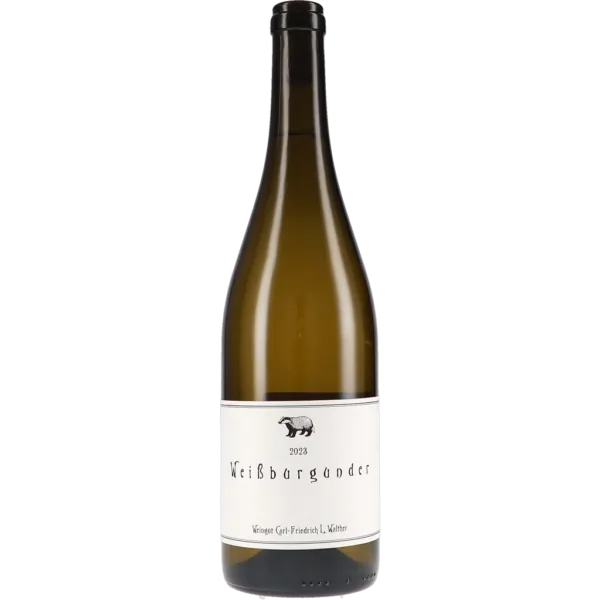
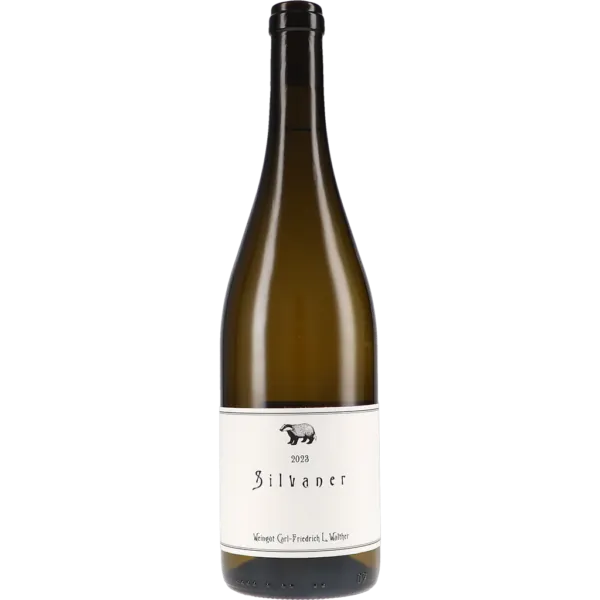
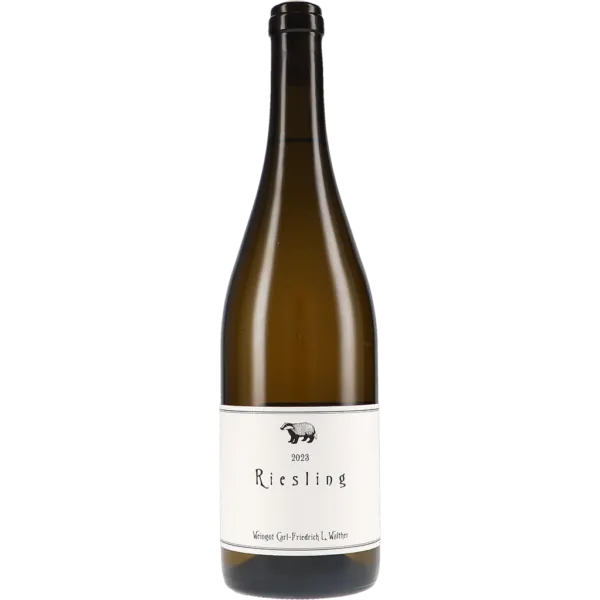
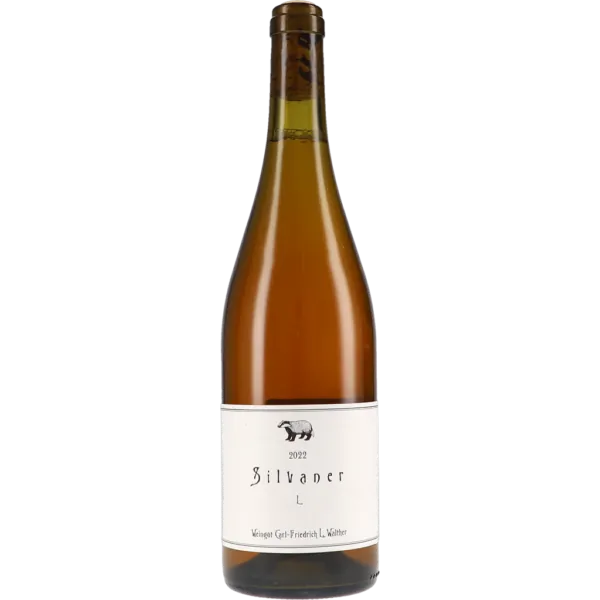
Today he farms a good 7,000 square metres in the Thuringian single vineyard Kaatschener Dachsberg, high above the Saale. The vines are rooted in weathered Muschelkalk with some loess loam: poor, stony terrain that gives little and precisely thereby forces precision. Saale-Unstrut is Germany's northernmost quality wine region, a region at the climatic limit, where wine ripens in a continental climate with cold winters and long, cool autumns. This marginal position keeps the acidity alert, the alcohol low and the aromatics clear; it is Walther's real capital. His centrepiece remains Silvaner, a variety underrated in many places, which in the Silvaner 2023 unfolds its quiet, straightforward elegance; alongside it are Riesling, Weißburgunder and Spätburgunder.

Low-tech in the cellar
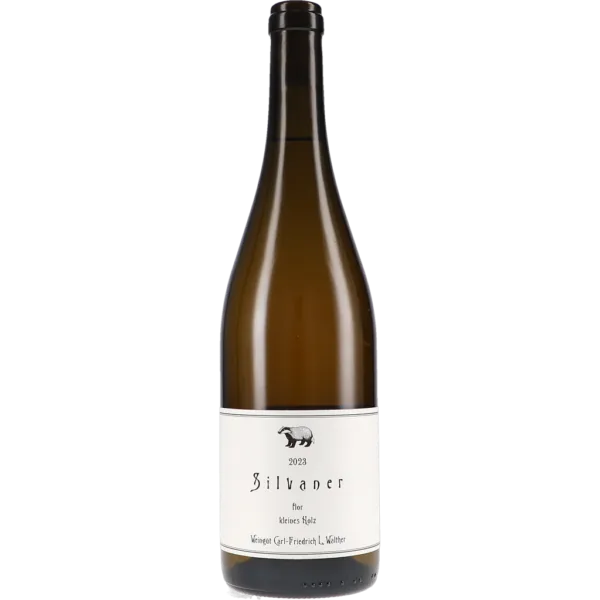
What Walther saw in the south he lives out consistently: his musts ferment spontaneously with the wild yeasts that come in from the vineyard on the grapes, pressing takes place in a wooden basket press, and there is no fining. "Slow winemaking, low-tech, natural wine" is how he describes his signature, a method that tests the nerves, because wines turn out unruly when you let them be. He goes furthest with the Silvaner flor: the wine matures under a veil of yeast, as known from the Jura or from sherry, and at just 10.5 per cent alcohol gains an almost ascetic austerity. It is the same attitude represented in the south by producers such as the Bolzano estate Pranzegg, the South Tyrolean low-tech school that once gave Walther the decisive impetus.
Slender, cool, singular
Walther's wines do not force themselves on you. They range between 10.5 and 12 per cent alcohol, remain bone dry and put freshness, salt and minerality before fruit and fullness. Those looking for creamy opulence will not be happy here; those who value tension and a cool, stony core will discover one of the most idiosyncratic young voices of Germany's north-east. At the table they love anything that itself shows restraint: pan-fried fish, young goat's cheese, asparagus, a bowl of miso soup. The range currently comprises six wines: small, handmade and of a clarity that stays in the memory.