
 EN
 DE
 FR
 IT
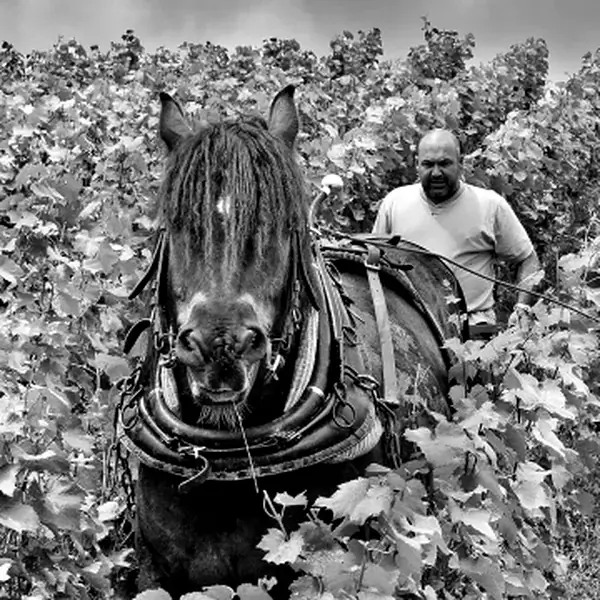
The Blin family has been growing vines in Vincelles since 1671. Today the focus is on agroforestry and living systems: horses and sheep work in the vineyards, Jérôme keeps bees, brings plants and trees back in among the vines and works the soil as little as possible. He farms 3 hectares in the Vallée de la Marne, certified organic and guided by the principles of biodynamics and phytotherapy. 60 percent of the vines are Meunier, the underrated grape of this region. Champagne Jérôme Blin shows what it can do: Champagnes without dosage that never feel austere.
„saline“
In all wines: 835 Wines
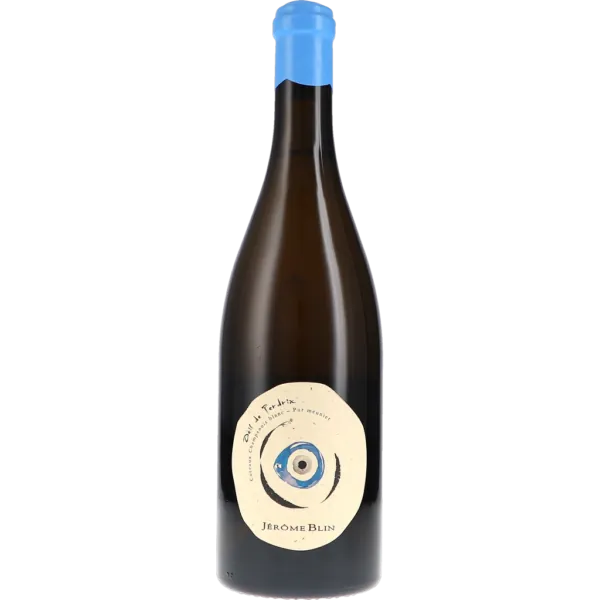
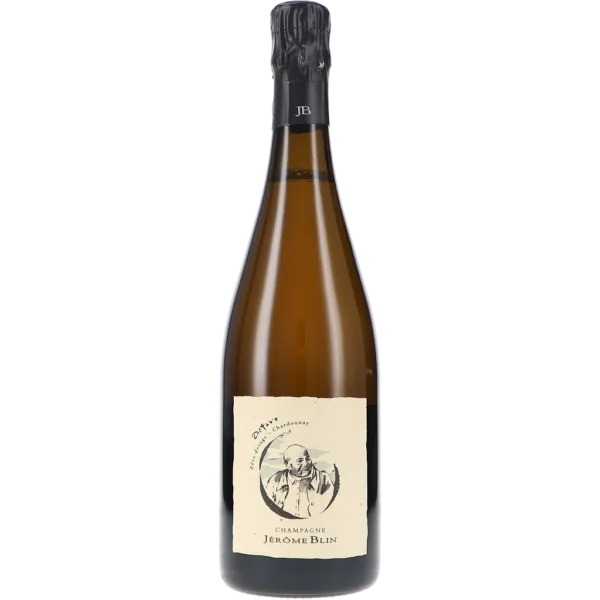
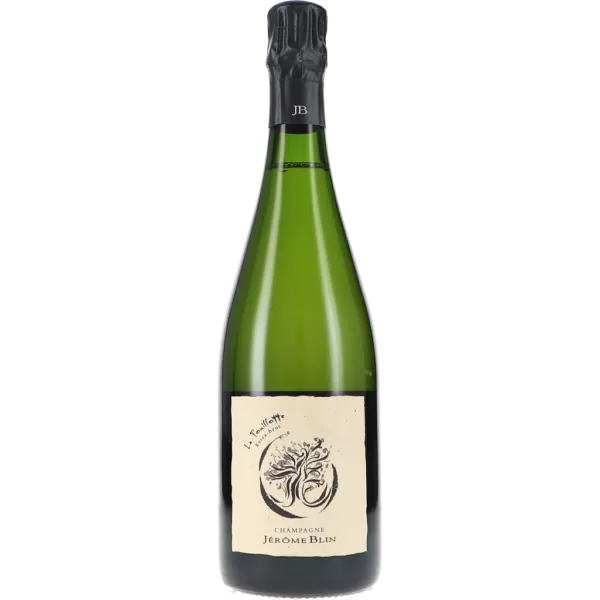
More about Jérôme Blin
From conventional farming to biodynamics
When Jérôme returned to the family estate in 1996, it was farmed conventionally, like almost every estate in Champagne. But the young grower sensed that something was missing. The soils were tired, the vines vulnerable, the wines interchangeable. In 2012 he began converting to organic viticulture, in 2018 biodynamics followed, later phytotherapy and radiesthesia. The change was radical: no more herbicides or synthetic fertilisers, and as little intervention as possible in the vineyard and the cellar. The wines ferment with their own yeasts, without filtration or fining, and are aged in oak barrels, amphorae and qvevri.


Vincelles and the Vallée de la Marne
Vincelles lies on the south bank of the Marne, about 20 kilometres west of Épernay. Pinot Meunier dominates here, a variety long regarded as the workhorse of Champagne, good enough for the blend but rarely for single sites. Jérôme sees it differently. His 3 hectares are spread across numerous lieux-dits with different soil types: clay, limestone, sand, flint. Each parcel is vinified separately, and every wine tells its own story. The Cuvée Meunier sur Sable, for example, comes from sandy soils and shows an almost Burgundian elegance. A few kilometres to the east in Œuilly, Tarlant works to a similar philosophy: also zero dosage, also focused on lieux-dits, also convinced that Champagne can offer more than branded sparkling wine.
The philosophy of zero
Zero dosage is not a marketing decision at Jérôme Blin but a logical consequence. If the grapes are healthy, if fermentation runs spontaneously with wild yeasts, if the wine has time to develop on its lees, then it needs no sugar to seem round. La Pouillote, with its 3 grams of dosage, is already his “richest” Champagne. Most of the others do without entirely. The result is Champagne of almost alarming precision: taut, mineral, with an acidity that cuts like a scalpel, and fruit that is still there, only not masked by residual sugar.
Single sites instead of blending
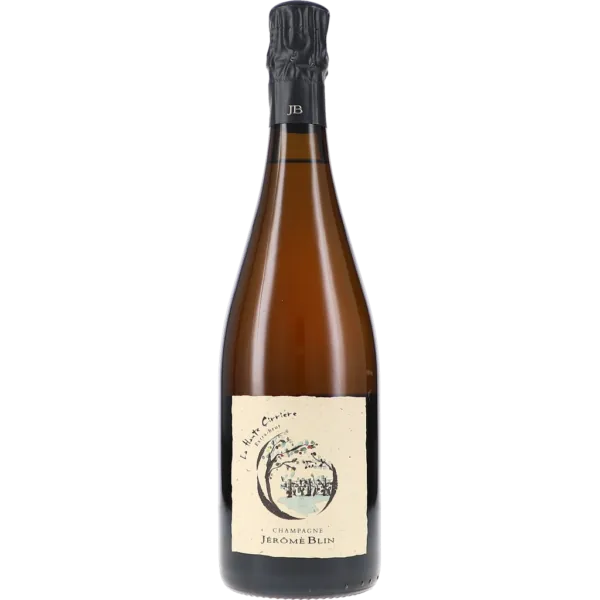
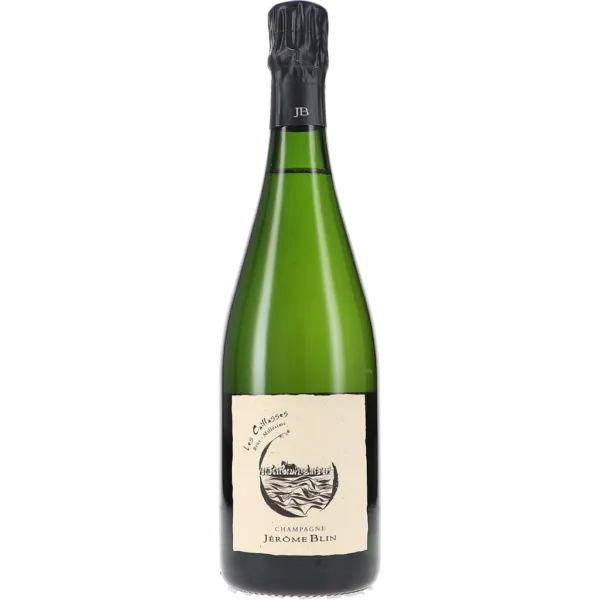
While the big houses blend Champagne from hundreds of parcels, Jérôme goes the opposite way. Each of his Champagnes comes from a single site, often from old vines, always spontaneously fermented. Les Ports is a complantation, a historic field blend of Meunier, Pinot Noir and Chardonnay, planted together and harvested together. Les Caillasses comes from stony soils, La Haute Cirrière from the highest parcels. Whoever drinks Champagne Jérôme Blin is not drinking a brand, but a place.