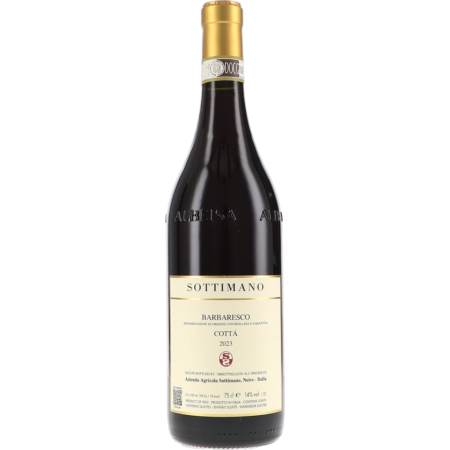
Bottler: Az. Agricola E. Pira & Figli, Via Vittorio Veneto 1, 12060 Barolo / Italy
In the glass
Colour
Medium-transparent cherry red
Nose
Ripe cherries and plums, delicate notes of cinnamon and almond, accented by fresh blood orange, mint and floral rose nuances
Palate
Medium-bodied and balanced with a firm structure, finely chiselled, ripe tannins and an energetic, vibrant acidity
Character
Charming, accessible and dynamic with remarkable depth and great ageing potential
Pairing
Ideal with braised beef roast, braised rabbit stew (Hasenpfeffer) or aged Castelmagno cheese
Notes
A classic cuvée from six outstanding parcels across three Barolo communes (Barolo, Serralunga and Monforte d'Alba), organically farmed and aged for two years in French oak.
Tasting note
Colour & Appearance
Medium-transparent cherry red.
Nose
A charming and immensely refined bouquet: ripe cherries and plums unfold, underpinned by notes of cinnamon, almond paste, fresh blood orange, mint and dried roses.
Palate
Medium-bodied, featuring remarkable dynamism and vibrant energy. On the palate, the wine reveals a pleasant firmness, a lively acidic structure and ripe, exceptionally fine tannins. A floral, impeccably balanced Barolo with a great future ahead.
Terroir & Origin
Once a single cru near Barolo, the Via Nuova has brought together parcels from all three main communes of the appellation since the 2010 vineyard reorganisation: Terlo and Liste (Barolo), Gabutti and Baudana (Serralunga d’Alba), as well as Ravera di Monforte and Mosconi (Monforte d’Alba).
Grape Variety & Vinification
Single-varietal Nebbiolo (Michet and Lampia clones), grown in certified organic vineyard sites. Harvested in early October. Following 14 days of skin contact in rotary fermenters and malolactic fermentation in stainless steel, the wine aged for over two years in French oak casks and barriques.
Food Pairings
Pairs exquisitely with classic braised beef, slow-cooked lamb, dishes with Piedmontese truffle, and aged hard cheeses such as Castelmagno.
Key Features
A tribute to the historical tradition of Barolo blending, legendary Barolo pioneer Chiara Boschis uses this organically produced wine to interpret the complexity of three distinct communes within a single bottle.

 EN
 DE
 FR
 IT